Kraków Nativity Scene Contest
Konkurs Szopek Krakowskich
On UNESCO’s list of the Intangible Cultural Heritage of Humanity
Photo: JagaKRA, CC BY-SA 4.0, via Wikimedia Commons
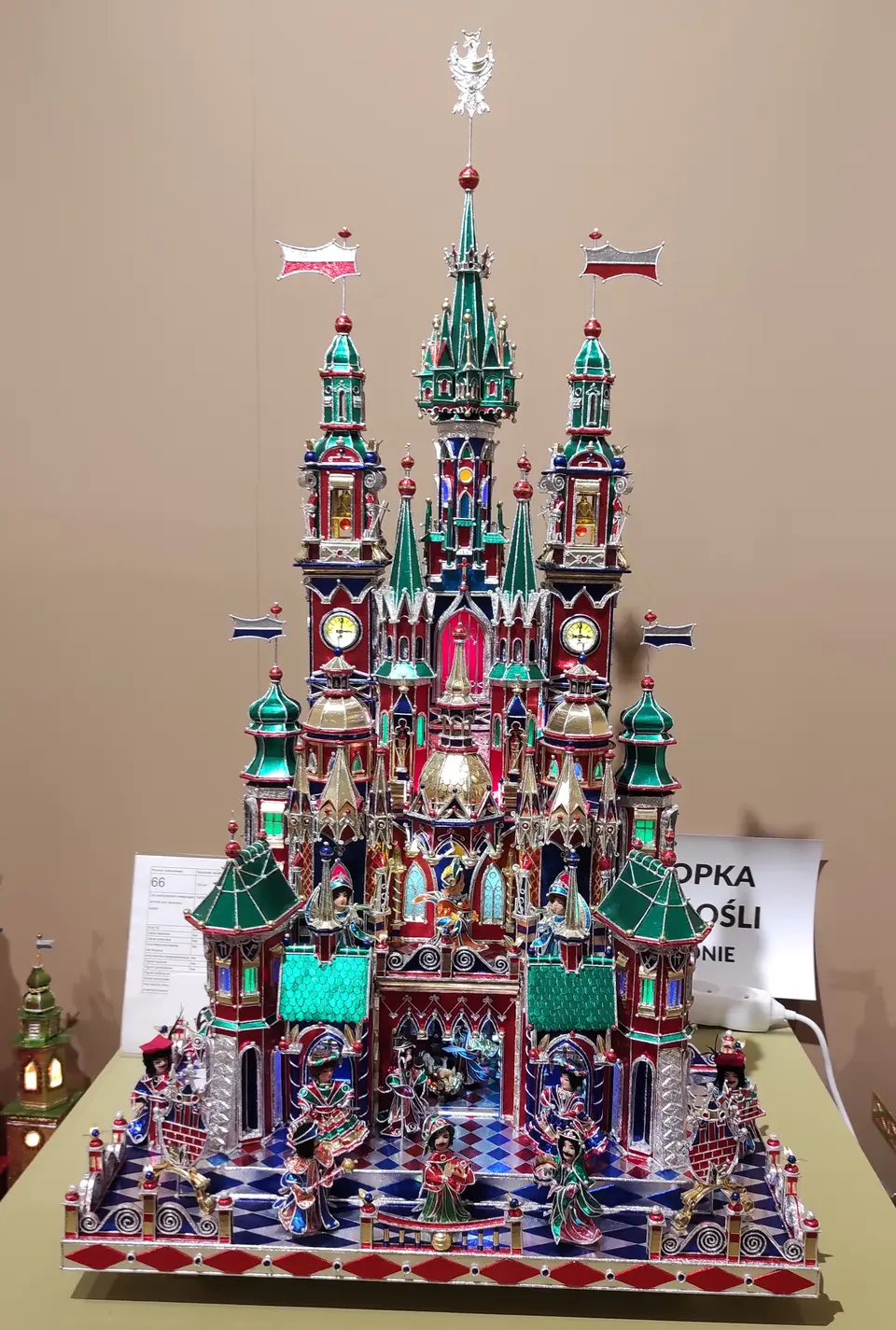
On the first Thursday of December, hundreds of makers carry their szopki — nativity scenes shaped like Kraków’s churches, towers and cloth hall, glittering with foil and coloured paper — to the steps of the Mickiewicz monument on the Main Market Square to be judged.
A city in miniature
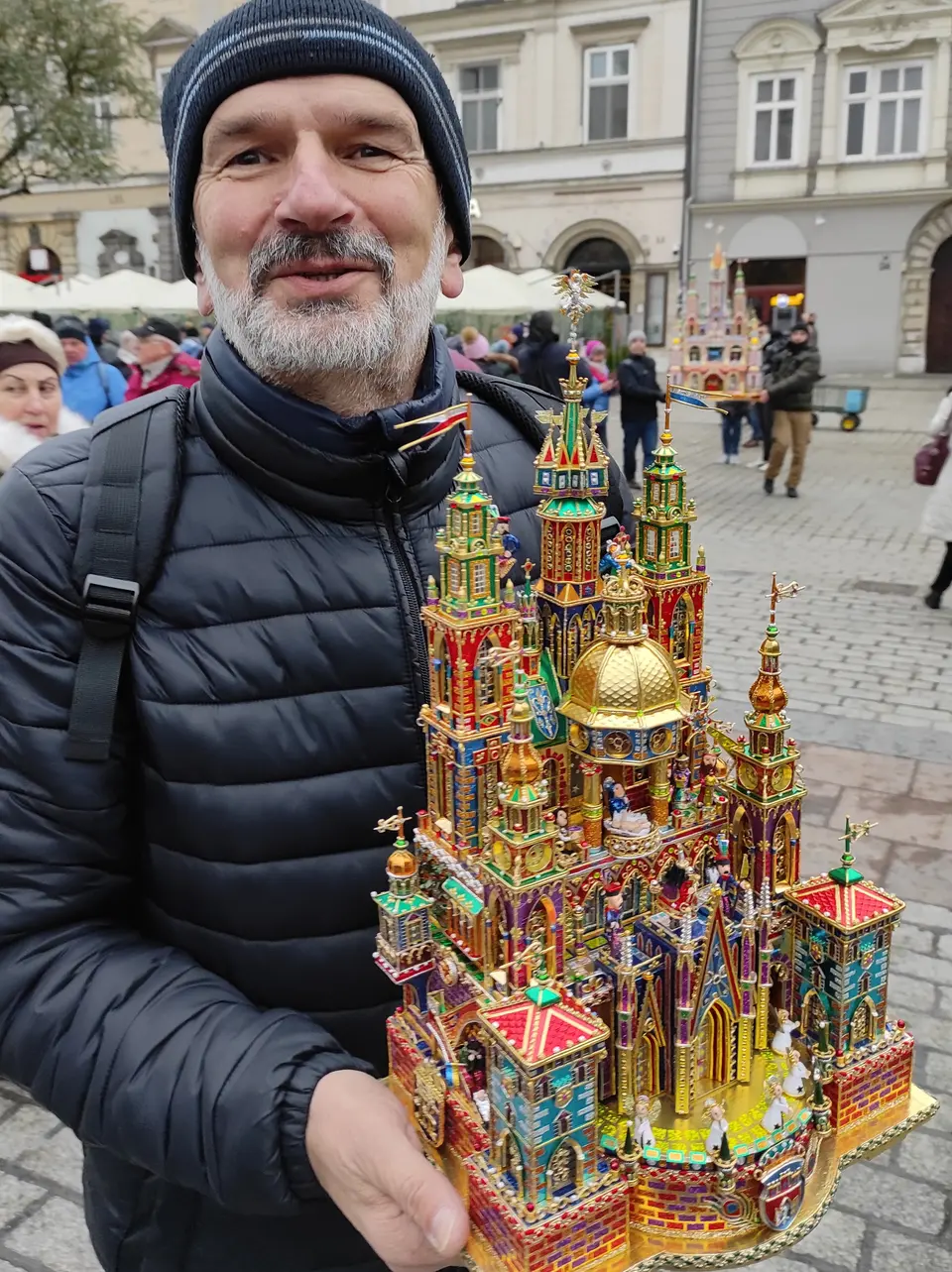
A Kraków szopka is a lightweight construction with the Nativity at its heart, surrounded by houses and monuments of Kraków transformed by each maker’s imagination. According to UNESCO, the scenes also show historical, cultural and contemporary events from the life of the city, Poland and the world, using figurines and artificial light. The frames are made of wood, plywood and cardboard and decorated with coloured paper, tissue paper, shiny metallic foil and even sweet wrappers. The architecture most often borrows from St Mary’s Church, the Sigismund Chapel on Wawel, the Barbican, the Cloth Hall and St Florian’s Gate, and symbols of Kraków and Poland — the crowned eagle, the city’s “K” monogram, white-blue and white-red flags — are woven in. The Christmas scene always takes the central place.
From builders’ winter work to UNESCO
The tradition took shape in the nineteenth century among craftsmen from the Kraków suburbs of Zwierzyniec and Krowodrza, mostly bricklayers, carpenters and construction workers, for whom making and selling nativity scenes brought in money in winter, when building work stopped. Lit from inside by candles, the scenes also served as portable theatres, carried with live music through the stairwells of the city’s tenement houses. The model for generations of makers was a large scene made by the bricklayer Michał Ezenekier at the end of the nineteenth century, now in the Ethnographic Museum in Kraków.
As factory-made decorations spread in the early twentieth century, the custom began to fade. In 1937 Jerzy Dobrzycki, head of the city’s propaganda office and later long-time director of the city’s historical museum, launched a contest to save it, and apart from the years of the Second World War it has been held every year since. Today several hundred makers of all ages take part, with prizes in more than a dozen categories, and families such as the Maliks of Zwierzyniec have kept the craft alive for generations. UNESCO inscribed the tradition on 29 November 2018.
When it happens
The contest is held every year on the first Thursday in December. The nativity scenes are displayed on the steps of the Adam Mickiewicz Monument on the Main Market Square, and the best are then shown in an exhibition at the Museum of Kraków.
- December 3, 2026Calculated
- December 2, 2027Calculated
- December 7, 2028Calculated
- December 6, 2029Calculated
Sources
This entry was written from the following sources.
- Nativity scene (szopka) tradition in KrakowUNESCO Intangible Cultural Heritage · read September 17, 2026
- Krakow’s Nativity ScenesKraków Heritage (City of Kraków) · read September 17, 2026
- Kraków szopkaWikipedia · read September 17, 2026
- Poland travel advice: safety and securityUK Foreign, Commonwealth & Development Office · read September 17, 2026
Related festivals
Lajkonik Parade
Pochód Lajkonika
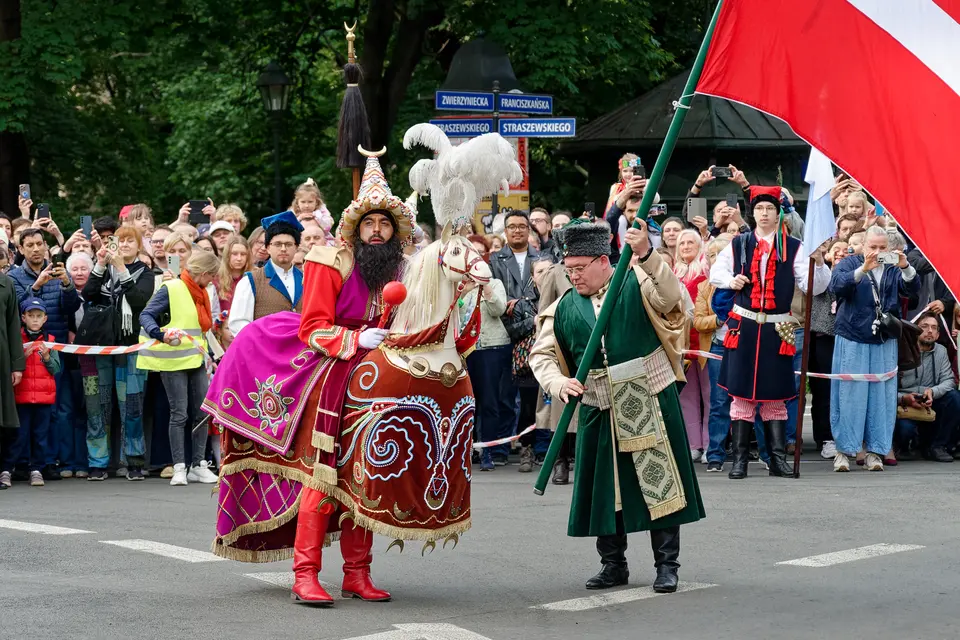
On the first Thursday after Corpus Christi, a bearded rider in a red Tatar costume, with a wooden horse around his waist, dances through Kraków with a band and an escort of “Tatars”, tapping passers-by with his mace for luck before toasting the city with the mayor.
June 3, 2027Calculated
Nuremberg Christkindlesmarkt
Nürnberger Christkindlesmarkt
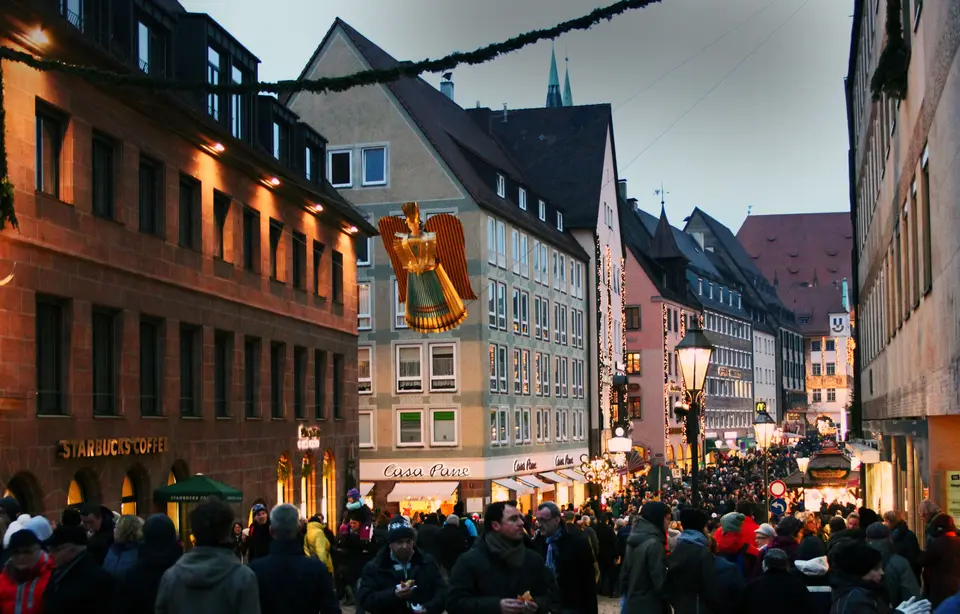
From the Friday before Advent until Christmas Eve, around 180 traders set up red-and-white wooden stalls on Nuremberg’s main square, selling gingerbread, gold-foil angels and nativity figures to more than two and a half million visitors.
November 27 – December 24, 2026Calculated
Las Parrandas
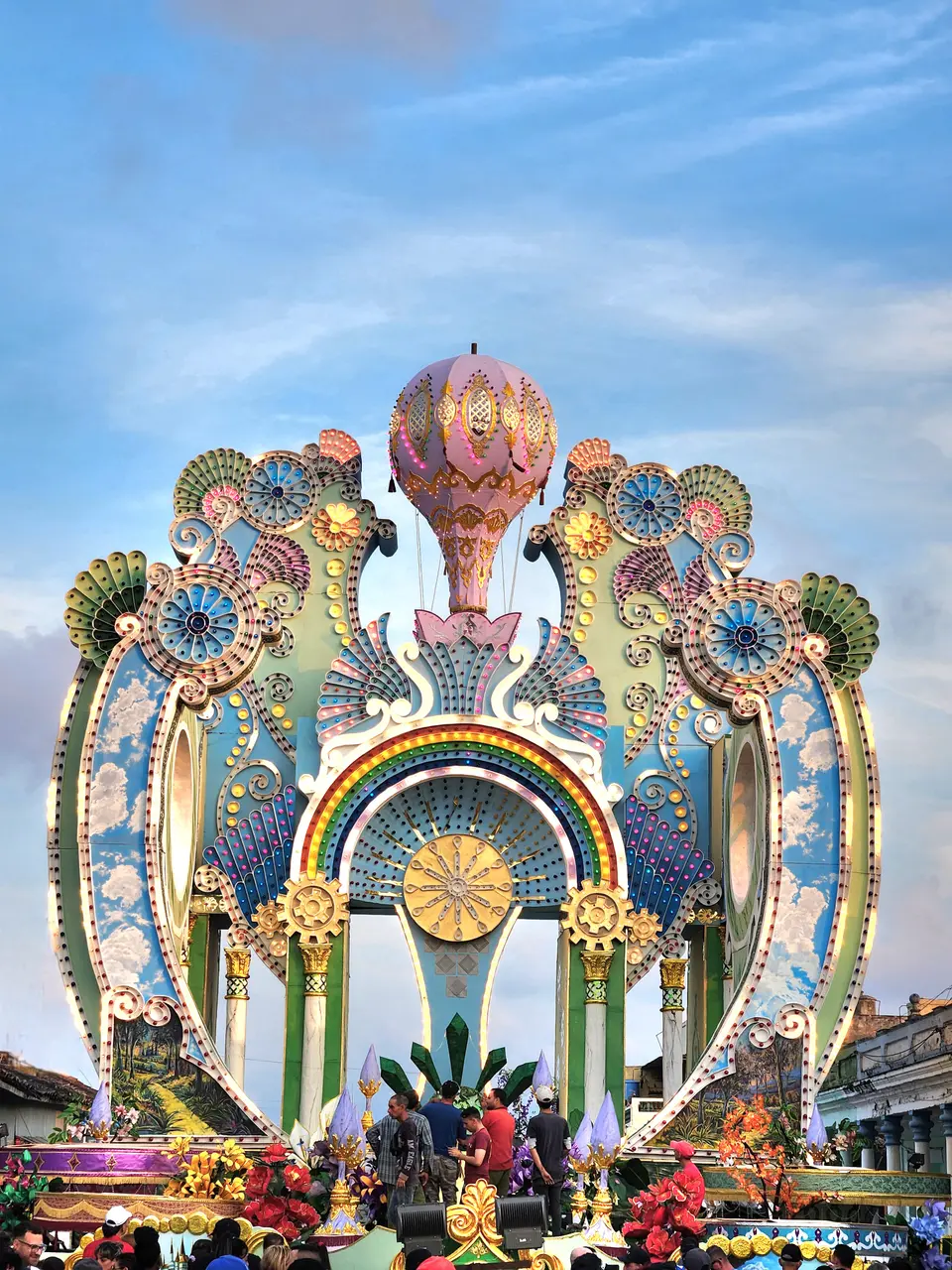
On one night of the year, the two rival neighbourhoods of a central Cuban town unveil what they have built in secret for months — towering light displays, floats with living statues and thousands of rockets — in the Parrandas that began in Remedios in 1820.
December 24 – 25, 2026Calculated