Mesir Macunu Festival
Mesir Macunu Festivali
On UNESCO’s list of the Intangible Cultural Heritage of Humanity
Photo: Antti Kivivalli, CC BY-SA 4.0, via Wikimedia Commons
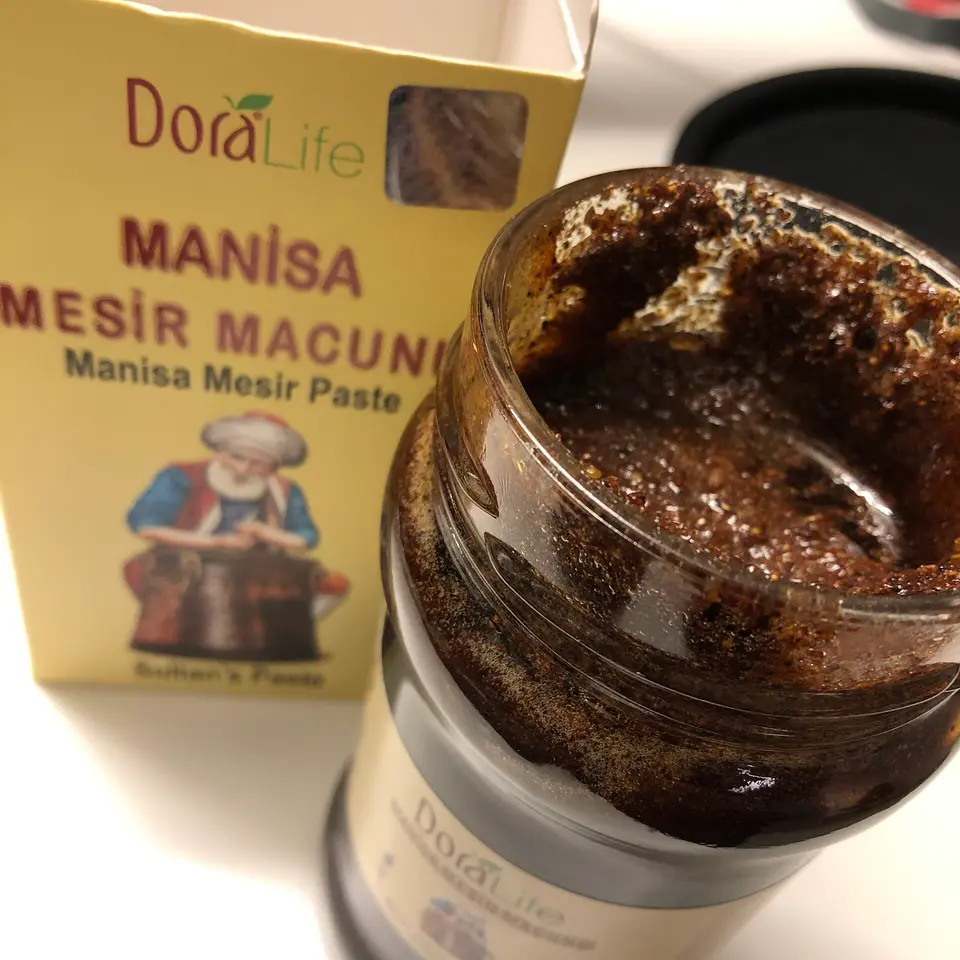
Each March in Manisa, a healing paste of forty-one spices and herbs is wrapped in thousands of small papers and thrown from the minaret and domes of the Sultan Mosque, while crowds below compete to catch a piece — a custom kept for some four hundred years.
A cure for a sultan’s mother
The story told in Manisa is that Hafsa Sultan, mother of Süleyman the Magnificent, fell ill in the city with a disease nobody could name. Merkez Efendi, chief physician of the medrese at the Sultan Mosque, prepared a paste for her from forty-one plants and spices, and she recovered. She asked that the paste be given to the people every year in the week of Nevruz. The festival has continued in the city for about four hundred years.
Making the mesir
Every year the paste, mesir macunu, is prepared by a master and his apprentices from forty-one spices and herbs, following the traditional method. A team of at least fourteen women wraps it in small, brightly coloured papers — work that calls for cleanliness, skill, experience and patience. The paste is blessed with prayers for healing, and throughout the preparation and the festival an orchestra in traditional dress plays historic Ottoman music.
Catching a piece
The climax is the scattering. The wrapped paste is thrown from the minaret and domes of the Sultan Mosque to the crowd below, and thousands of people from all over Türkiye compete to catch the packets before they reach the ground. Many believe that whoever catches one will see their wishes — for marriage, work or children — come true within a year.
Around it the city holds a traditional mesir procession, a cooking competition, concerts, theatre, folk dancing and entertainment for children. Manisa’s governorate describes the festival as a gesture of hospitality, and sends mesir to guests from abroad and to neighbouring provinces. It was inscribed on UNESCO’s Representative List in 2012.
When it happens
The festival is held in Manisa every year from 21 to 24 March, the week of Nevruz and the beginning of spring.
- March 21 – 24, 2027Calculated
- March 21 – 24, 2028Calculated
- March 21 – 24, 2029Calculated
- March 21 – 24, 2030Calculated
Visiting with respect
Good to know
- The scattering from the mosque draws a dense, excited crowd. Keep hold of your belongings and look after children in the crush.
- The festival takes place at a working mosque complex. Dress modestly around the mosque.
Avoid
- Do not push or shove to catch the falling packets.
Sources
This entry was written from the following sources.
- Mesir Macunu festivalUNESCO Intangible Cultural Heritage · read September 16, 2026
- Mesir Macunu FestivaliKültür Portalı, Ministry of Culture and Tourism · read September 14, 2026
- Şifa Şehri Manisa, Uluslararası Mesir Macunu FestivaliGovernorship of Manisa · read September 14, 2026
Related festivals
Hıdrellez
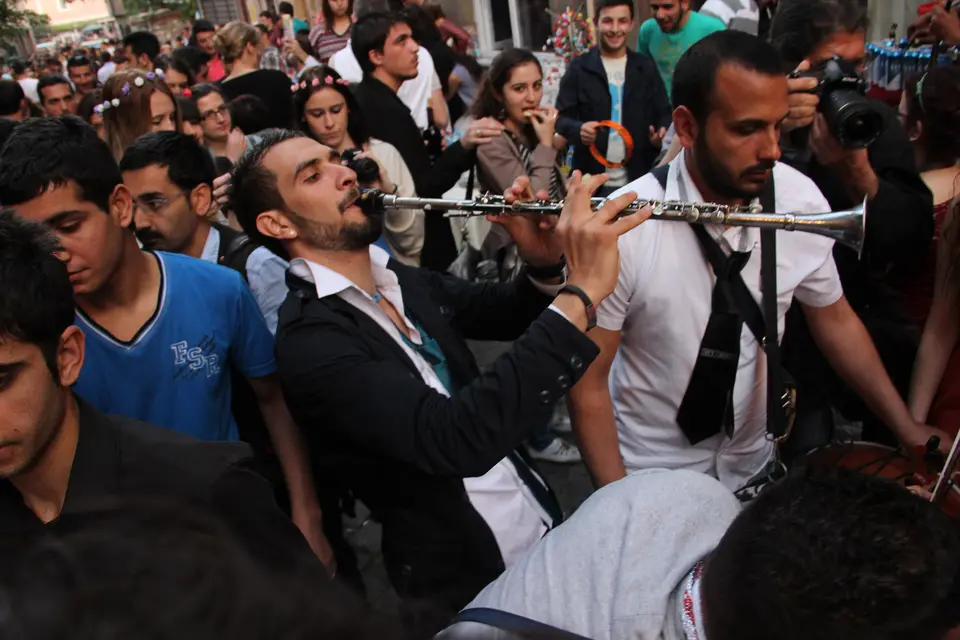
On 6 May, the day nature is said to awaken, Türkiye celebrates spring. People write wishes and leave them at rose trees, gather in green places outside town, and keep old customs of water and wild flowers for health and plenty in the year ahead.
May 6, 2027Calculated
Nowruz
نوروز
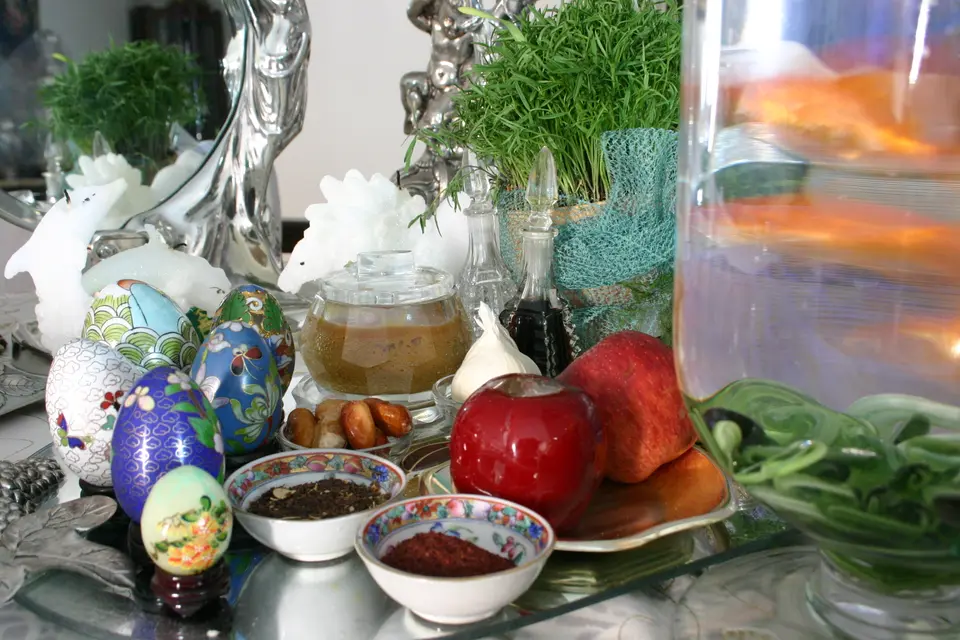
Nowruz, “new day”, is the Iranian New Year. It begins at the March equinox, when families gather around the Haft-sin table to wait for the exact moment the year turns, and opens two weeks of visits, food and time outdoors.
March 21, 2027Calculated