Nowruz
نوروز
On UNESCO’s list of the Intangible Cultural Heritage of Humanity
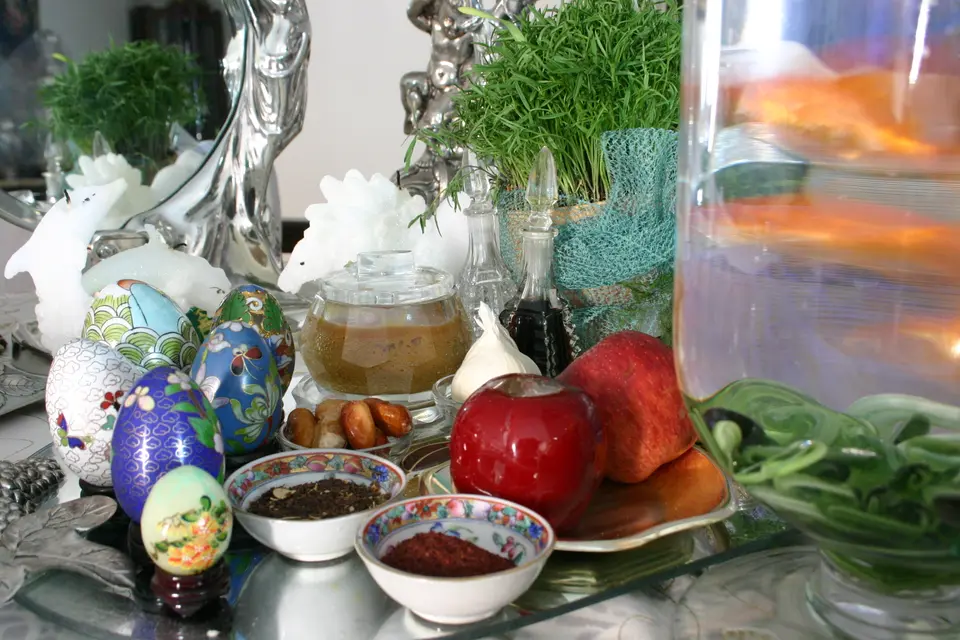
Photo: Babak Habibi, Public domain, via Wikimedia Commons
Nowruz, “new day”, is the Iranian New Year. It begins at the March equinox, when families gather around the Haft-sin table to wait for the exact moment the year turns, and opens two weeks of visits, food and time outdoors.
A year that turns at a precise moment
The word nowruz joins the Persian now, “new”, and ruz, “day”. It is New Year’s Day of the Iranian solar calendar, and it is tied to astronomy rather than to a fixed date: the year begins at the March equinox, the moment the Sun crosses the equator northwards. Iranians call that instant tahvil-e sal, the turning of the year, and many families mark it together, watching the clock.
Its roots reach back to ancient Iran and to Zoroastrianism, and it has been celebrated for thousands of years across West and Central Asia, the Caucasus and beyond. Today most people keep it as a secular festival, while for Zoroastrians and Baháʼís it remains a holy day.
Before the New Year
Preparation starts weeks ahead. Families give their homes a thorough spring clean, known as khane tekani, “shaking the house”, buy new clothes, and bring home flowers — hyacinths and tulips above all. On the last Wednesday eve of the old year comes the fire festival of Chaharshanbe Suri.
The Haft-sin table
At the heart of the home stands the haft-sin, a spread of seven things whose Persian names begin with the letter sin (س):
- sabzeh — wheat, barley or lentil sprouts grown in a dish
- samanu — sweet pudding of sprouted wheat
- senjed — the dried fruit of the oleaster
- serkeh — vinegar
- sib — apple
- sir — garlic
- somaq — sumac
Around them there is usually a mirror, candles, painted eggs, a bowl of water with goldfish, coins, hyacinths and sweets, and often a book: the poems of Hafez or Ferdowsi’s Shahnameh. The exact items vary from family to family.
Visits and the thirteenth day
In Iran the first four days of Farvardin are public holidays, and the celebration runs for thirteen days. It is a season of short visits: younger people call on their elders first, and the elders return the visit later. Guests are offered tea, pastries, fresh and dried fruit and nuts.
On the thirteenth day, Sizdah Bedar, people leave their homes to spend the day outdoors, and the sprouts from the Haft-sin table are thrown away, often into running water.
Shared far beyond Iran
Nowruz belongs to many peoples. It is inscribed on UNESCO’s Representative List of the Intangible Cultural Heritage of Humanity in a joint nomination by thirteen countries, from Türkiye and Iraq to Kazakhstan and Mongolia, and the United Nations has recognised 21 March as the International Day of Nowruz since 2010.
When it happens
Nowruz is 1 Farvardin, the first day of the Iranian solar year. The year turns at the March equinox; if the equinox falls before noon Tehran time that day is Nowruz, otherwise the next day is. In the Gregorian calendar it lands between 19 and 22 March, most often on 20 or 21 March.
- March 21, 2027Farvardin 1, 1406 APCalculated
- March 20, 2028Farvardin 1, 1407 APCalculated
- March 20, 2029Farvardin 1, 1408 APCalculated
- March 21, 2030Farvardin 1, 1409 APCalculated
Visiting with respect
Good to know
- Iran’s public dress code is law, not custom. In public, women must cover their hair with a headscarf and wear trousers or a floor-length skirt with a long-sleeved tunic or coat reaching mid-thigh or knee; men should wear long trousers and long-sleeved shirts.
- Ask before you photograph people.
Avoid
- Do not photograph military or government buildings. Foreign nationals have been detained for photography near sensitive sites, and such buildings are often hard to recognise.
- Do not drink alcohol. It is illegal in Iran, with exceptions only for some recognised religious minorities, and penalties can be severe.
Stay safe
- As of September 2026 the UK government advises against all travel to Iran. Check your own government’s advice before planning a trip.
Food and drink
Sabzi polo ba mahi
Rice cooked with chopped herbs such as dill, coriander and parsley, served with fish. It is the classic meal of the New Year.
Samanu
A slow-cooked sweet pudding made from sprouted wheat, and one of the seven items on the Haft-sin table.
Nan-e nokhodchi
Small chickpea-flour cookies, among the best-loved sweets of the New Year.
Sources
This entry was written from the following sources.
- Nawrouz, Novruz, Nowrouz, Nowrouz, Nawrouz, Nauryz, Nooruz, Nowruz, Navruz, Nevruz, Nowruz, NavruzUNESCO Intangible Cultural Heritage · read September 16, 2026
- NowruzWikipedia (English) · read September 16, 2026
- نوروزویکیپدیا (فارسی) · read September 16, 2026
- Iran travel advice: safety and securityUK Foreign, Commonwealth & Development Office · read September 16, 2026
Related festivals
Chaharshanbe Suri
چهارشنبهسوری
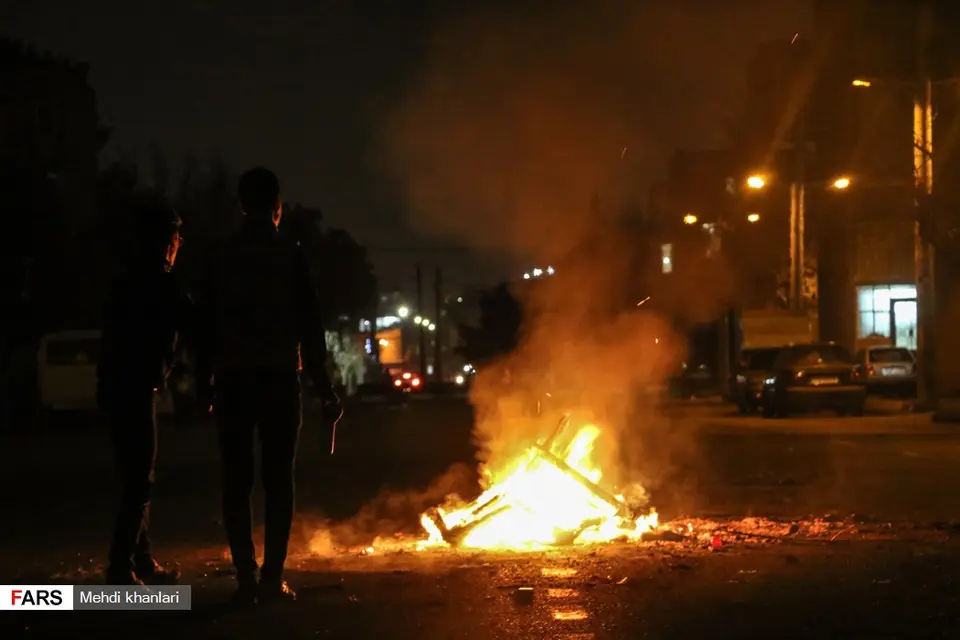
On the eve of the last Wednesday of the Iranian year, bonfires are lit in yards, streets and on rooftops, and people leap over the flames, asking the fire to take away their pallor and give them its red glow for the year ahead.
March 16, 2027Calculated
Sizdah Bedar
سیزدهبدر
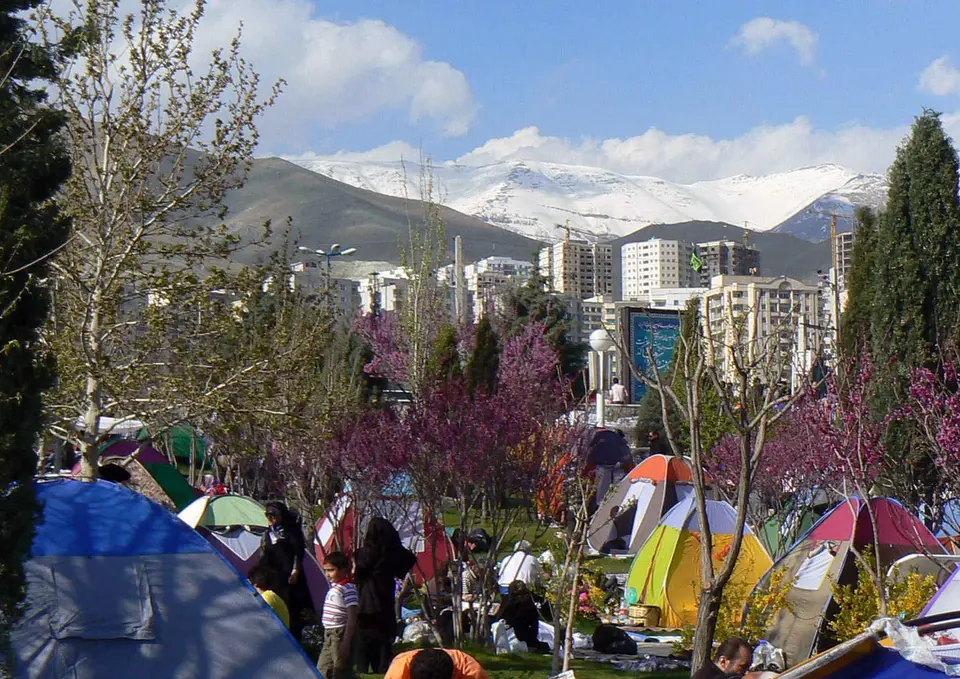
On the thirteenth day of the Iranian New Year, the whole country heads outdoors. Families picnic in parks and fields, and the sprouts grown for the Haft-sin table are thrown into running water, closing the Nowruz holidays.
April 2, 2027Calculated
Shab-e Yalda
شب یلدا
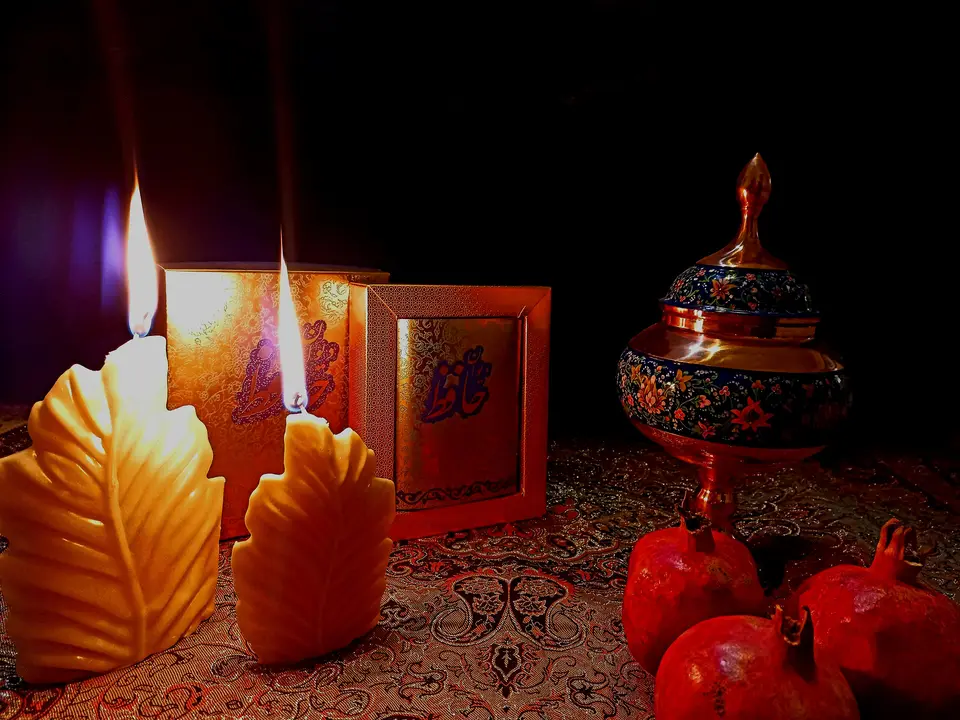
On the longest night of the year, families gather at the homes of their elders to stay up late around a table of pomegranates, watermelon, nuts and dried fruit, reading Hafez and telling stories until well after midnight.
December 21, 2026Calculated