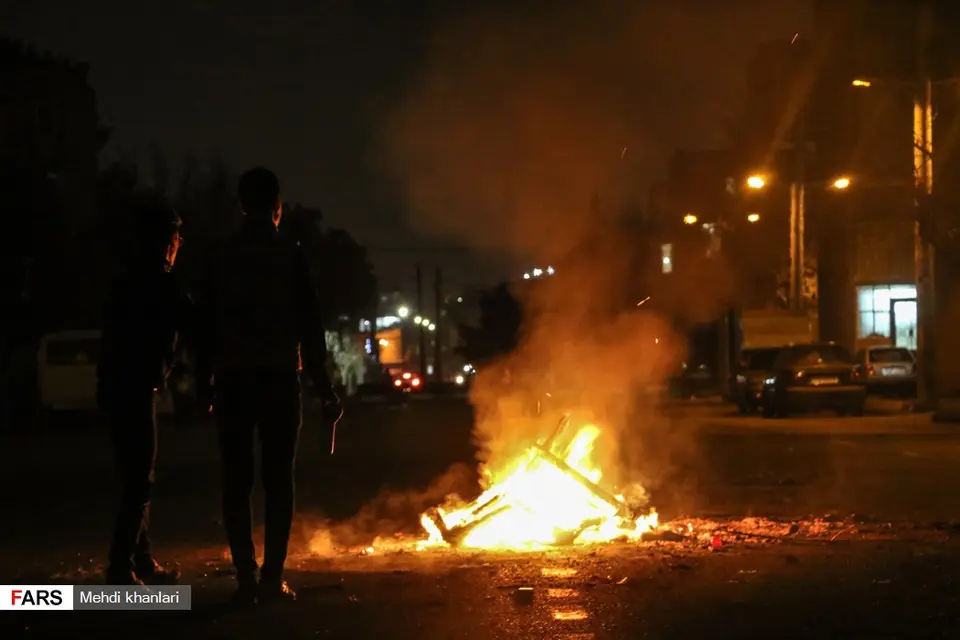
On the eve of the last Wednesday of the Iranian year, bonfires are lit in yards, streets and on rooftops, and people leap over the flames, asking the fire to take away their pallor and give them its red glow for the year ahead.
Fire before the New Year
The name means “festive Wednesday”. The festival opens the Nowruz season: on the evening before the last Wednesday of the year, bonfires are lit in yards, village squares, city streets, on rooftops and on hilltops, and people jump over the flames.
As they jump they say sorkhi-ye to az man, zardi-ye man az to — “your redness is mine, my yellowness is yours”. The yellow is the pallor of sickness and the troubles of the old year; the red is the fire’s warmth and health, carried across into the new one. Its roots reach back to ancient Iran and to the reverence for fire in Zoroastrianism.
Spoons, disguises and fortunes
Later in the evening comes qashoq-zani, “spoon-banging”. People in disguise go from door to door, striking spoons against plates or bowls, and are handed small packets of snacks — not unlike trick-or-treating. Fortune-telling belongs to the night too: some open the poems of Hafez at random and read the verse as an omen for the year.
Fireworks
In modern practice firecrackers and fireworks are widely used alongside the bonfires, and they, rather than the fires, cause most of the injuries each year.
When it happens
Chaharshanbe Suri is held on the evening before the last Wednesday of the Iranian year, so it always falls on a Tuesday night in the days before Nowruz, in March.
- March 16, 2027Esfand 25, 1405 APCalculated
- March 14, 2028Esfand 24, 1406 APCalculated
- March 13, 2029Esfand 23, 1407 APCalculated
- March 19, 2030Esfand 29, 1408 APCalculated
Visiting with respect
Good to know
- The festival happens outdoors in public, where Iran’s dress code applies. Women must cover their hair and wear a long-sleeved tunic or coat over trousers or a floor-length skirt; men should wear long trousers and long sleeves.
- Loose or synthetic clothing is a hazard near open flames.
- Ask before photographing people, especially anyone jumping the fire.
Avoid
- Do not photograph military or government buildings. Foreign nationals have been detained for photography near sensitive sites.
- Do not drink alcohol. It is illegal in Iran, and penalties can be severe.
Stay safe
- People are injured every year. In a study of one Tabriz hospital emergency department during the 2014 festival, most fireworks injuries were caused by firecrackers, almost three quarters happened while jumping fires or handling fireworks, and one in five burns was third-degree.
- Standing back is not the same as being safe. In the same study, about one in twelve of those injured were simply passing through the streets or travelling in vehicles. If you would rather not take that risk, watch from indoors.
- As of September 2026 the UK government advises against all travel to Iran. Check your own government’s advice before planning a trip.
Sources
This entry was written from the following sources.
- Chaharshanbe SuriWikipedia (English) · read September 16, 2026
- Nowruz — Chaharshanbe SuriWikipedia (English) · read September 16, 2026
- Fireworks-Related Injuries in Iran: A Survey Following the 2014 New Year’s Festival in TabrizTrauma Monthly (via PubMed Central) · read August 11, 2026
- Iran travel advice: safety and securityUK Foreign, Commonwealth & Development Office · read September 16, 2026
Related festivals
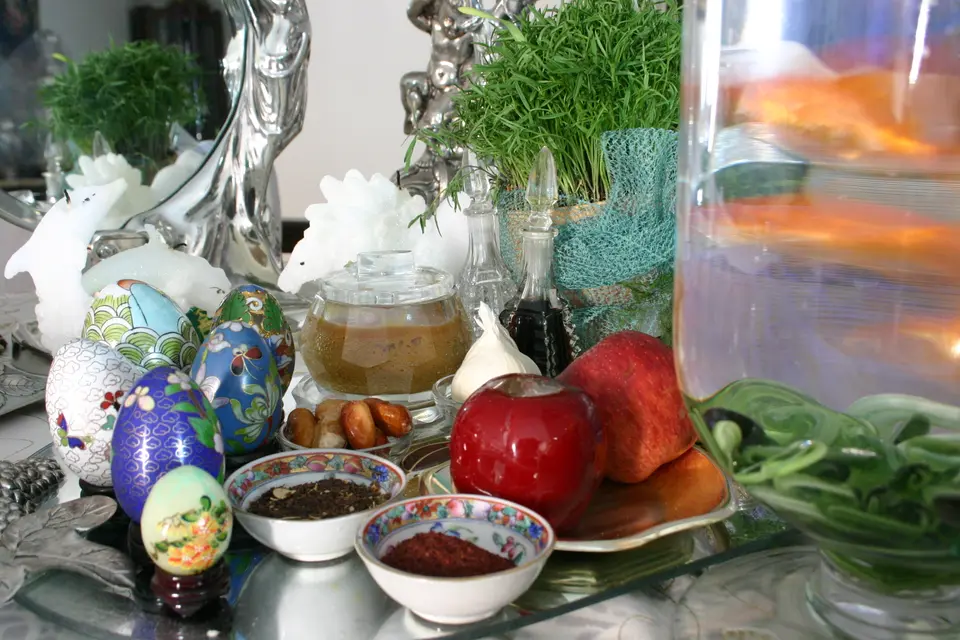
Nowruz
نوروز
Nowruz, “new day”, is the Iranian New Year. It begins at the March equinox, when families gather around the Haft-sin table to wait for the exact moment the year turns, and opens two weeks of visits, food and time outdoors.
March 21, 2027Calculated
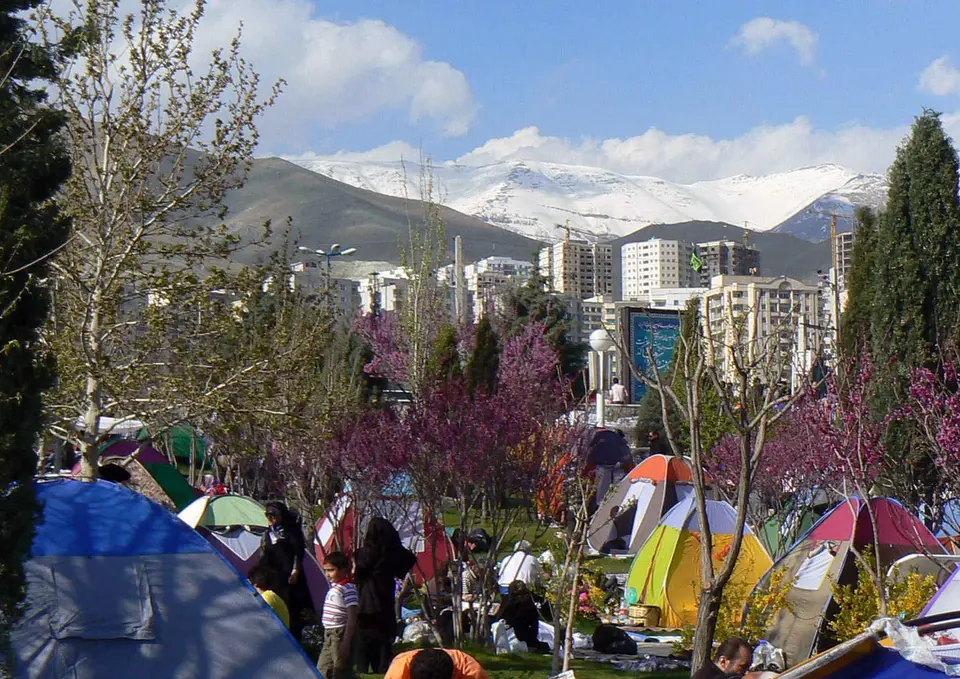
Sizdah Bedar
سیزدهبدر
On the thirteenth day of the Iranian New Year, the whole country heads outdoors. Families picnic in parks and fields, and the sprouts grown for the Haft-sin table are thrown into running water, closing the Nowruz holidays.
April 2, 2027Calculated