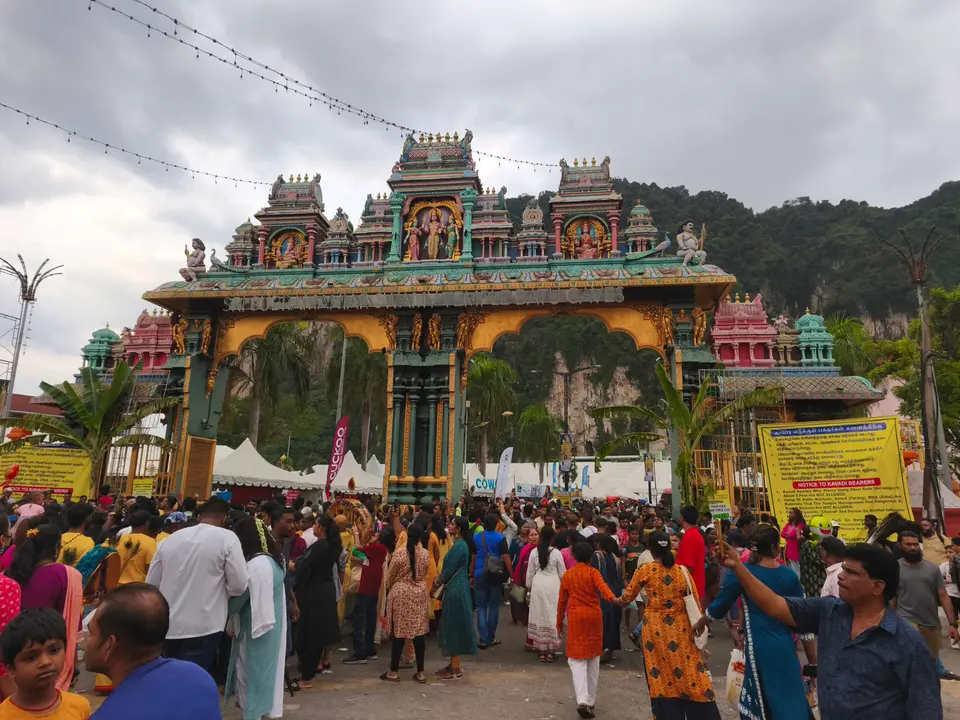
After 48 days of preparation, barefoot devotees of Murugan bathe in the river and bring their vows to his shrine at the Batu Caves — pots of milk, or kavadis up to two metres tall decked with peacock feathers — to drumming and chanting that carries some into trance.
Murugan and the vel
Thaipusam takes its name from Thai, the tenth month of the Tamil calendar, and Pusam, the star the full moon is near on the day. It celebrates the victory of Murugan over the demon Surapadman. According to the Kanda Puranam, the Tamil version of the Skanda Purana, Murugan split Surapadman in two with the vel, a divine spear given to him by his mother Parvati; the halves became a peacock, which Murugan took as his mount, and a rooster, which he took as his flag. The festival is celebrated wherever there are Tamil communities — in India, Sri Lanka, Singapore, Mauritius, South Africa and beyond — and in Malaysia it draws thousands of people to the Batu Caves and to the Arulmigu Balathandayuthapani Temple in Penang.
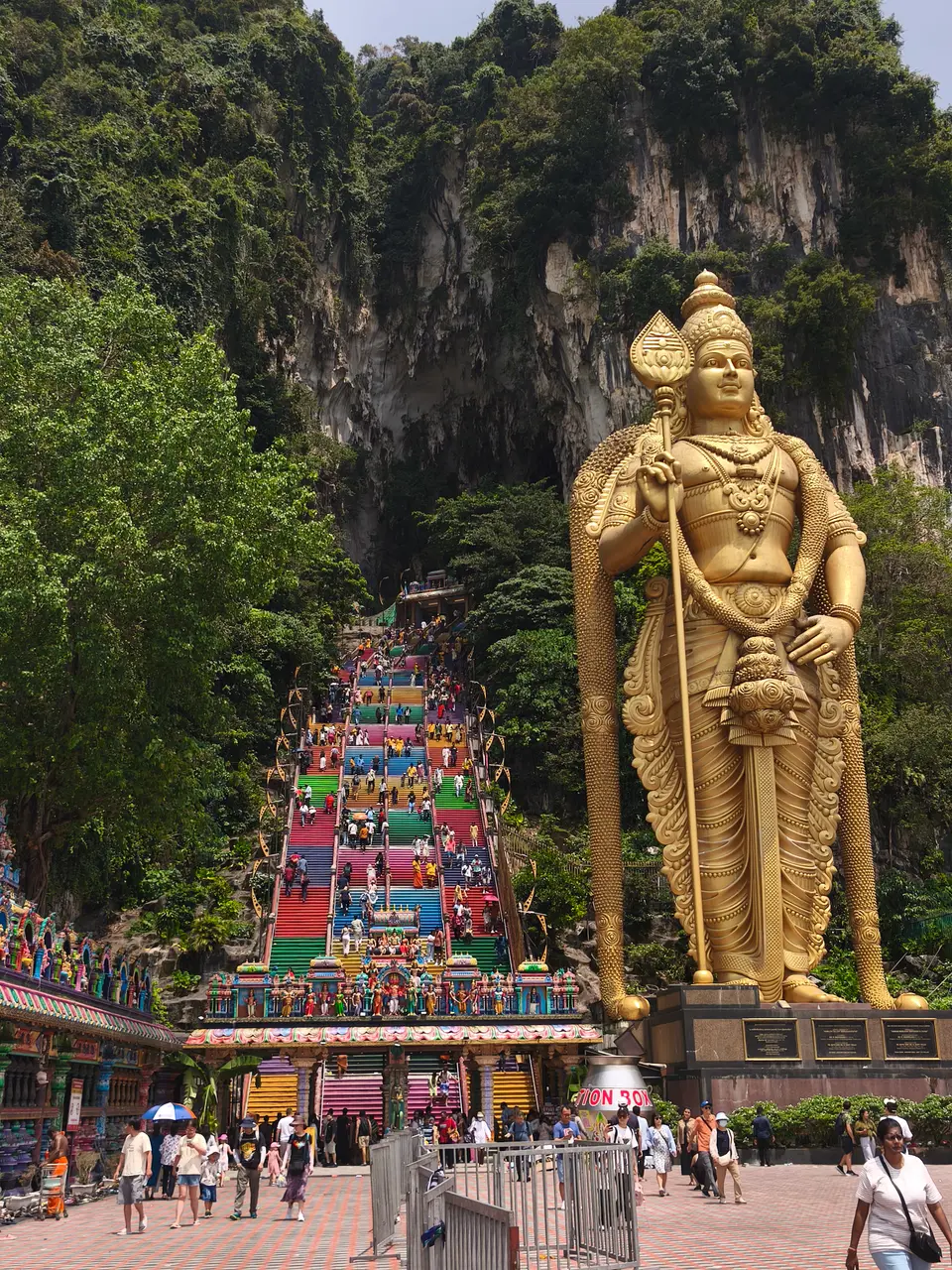
The Batu Caves are a series of limestone caves on a 325-metre hill in Gombak, about 13 kilometres north of Kuala Lumpur. The Tamil trader K. Thamboosamy promoted them as a place of Hindu worship; a temple to Murugan was completed in 1891, and the first Thaipusam was held there the next year. The complex, with many Hindu temples, now also has a 43-metre statue of Murugan.
Bearing the kavadi
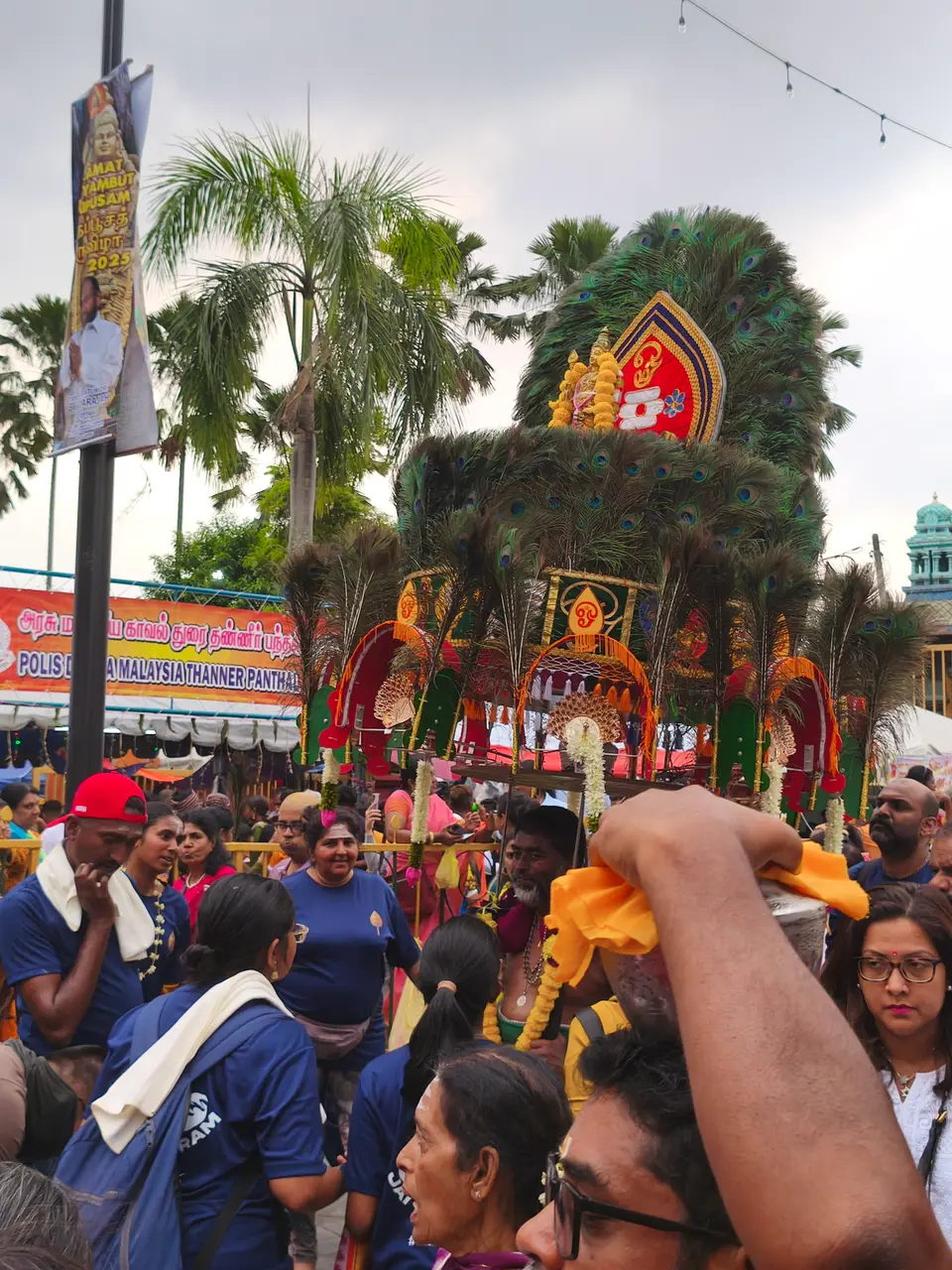
Devotees prepare for 48 days by keeping clean, praying regularly, eating a vegetarian diet, fasting and remaining celibate. The heart of the festival is kavadi aattam: a kavadi, Tamil for “burden”, is in its simplest form a semicircle of wood or steel on a cross frame, balanced on the shoulders and carried as a vow — to ask Murugan’s help, to repay a spiritual debt, or for a loved one who needs healing. Many carry pots of milk, paal kudam, as an offering, or sugarcane, young coconuts and flowers. The most spectacular is the vel kavadi, a portable altar up to two metres tall and weighing up to 30 kilograms, decorated with peacock feathers and flowers and fixed to the devotee’s body with skewers and hooks pierced through the skin of the chest and back; some also pierce their cheeks or tongues. Holy ash, vibuthi, is spread over the body, and drumming and chanting help devotees enter a trance.
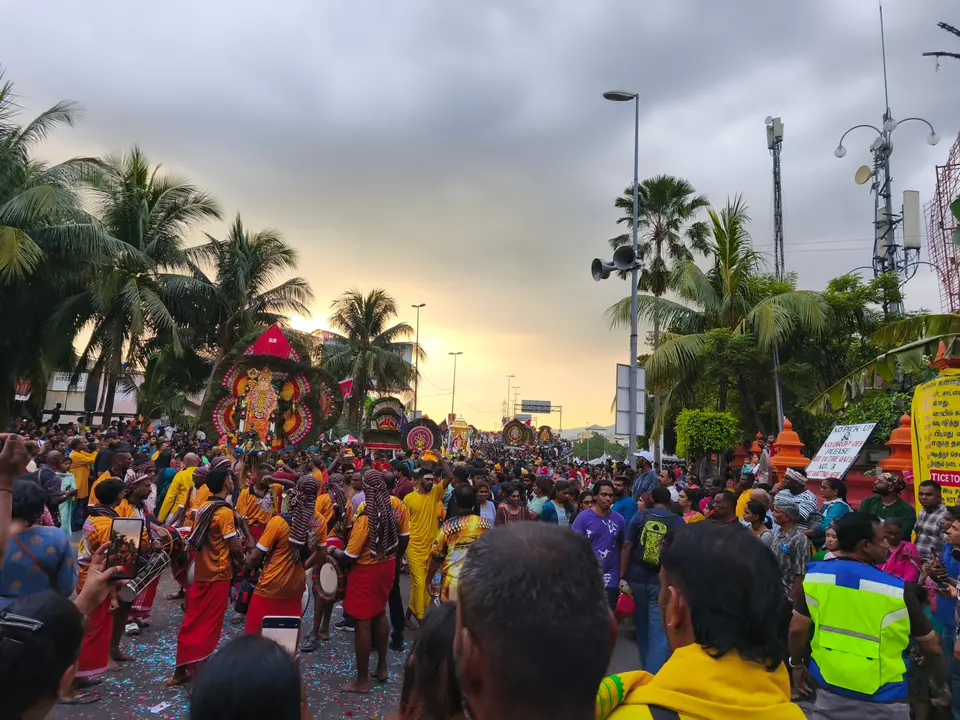
On the morning of Thaipusam a procession begins at the Sri Mahamariamman Temple in Kuala Lumpur, where a silver chariot weighing 350 kilograms, carrying the images of Murugan and his consorts Valli and Deivanai, sets out for Batu Caves, followed by devotees. After a ritual bath in the Batu River, the pilgrims make their way barefoot, dancing under their burdens, to the temple.
When it happens
Thaipusam falls on the full moon of the Tamil month of Thai, when the moon is near the star Pusam — in January or February. The procession from Kuala Lumpur sets out on the morning of Thaipusam.
- January – February 2027Approximate window
- January – February 2028Approximate window
- January – February 2029Approximate window
- January – February 2030Approximate window
Visiting with respect
Good to know
- Dress modestly; you may be refused entry to the temples if your shoulders and knees are not covered or you are not wearing closed shoes.
Stay safe
- Terrorist attacks in Malaysia cannot be ruled out and could target places of worship and large gatherings. Stay especially vigilant in crowded places.
- Bag-snatching is common; carry as few valuables as possible and take particular care of your passport.
Sources
This entry was written from the following sources.
- ThaipusamWikipedia · read September 17, 2026
- Batu CavesWikipedia · read September 17, 2026
- Thai (month)Wikipedia · read September 17, 2026
- Public holidays in MalaysiaWikipedia · read September 17, 2026
- Malaysia travel advice: safety and securityUK Foreign, Commonwealth & Development Office · read September 17, 2026
Related festivals
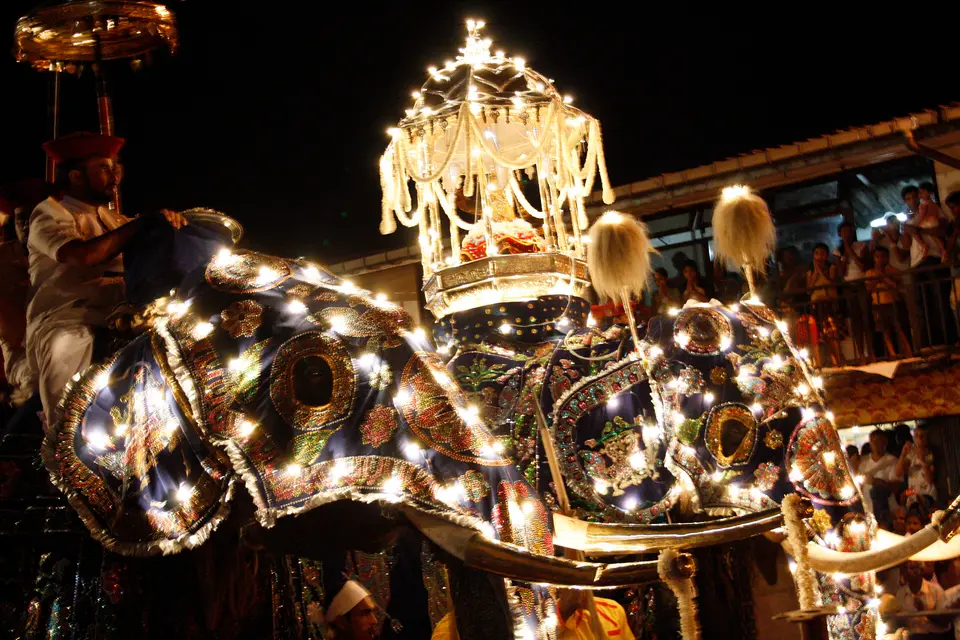
Kandy Esala Perahera
Esala Perahera
For ten nights the Sacred Tooth Relic’s casket is paraded through Kandy on the back of a great tusker, preceded by whip-crackers and fire dancers, Kandyan drummers and elephants in glittering caparisons, until the festival ends with a water-cutting ceremony in the Mahaweli River.
July – August 2027Approximate window
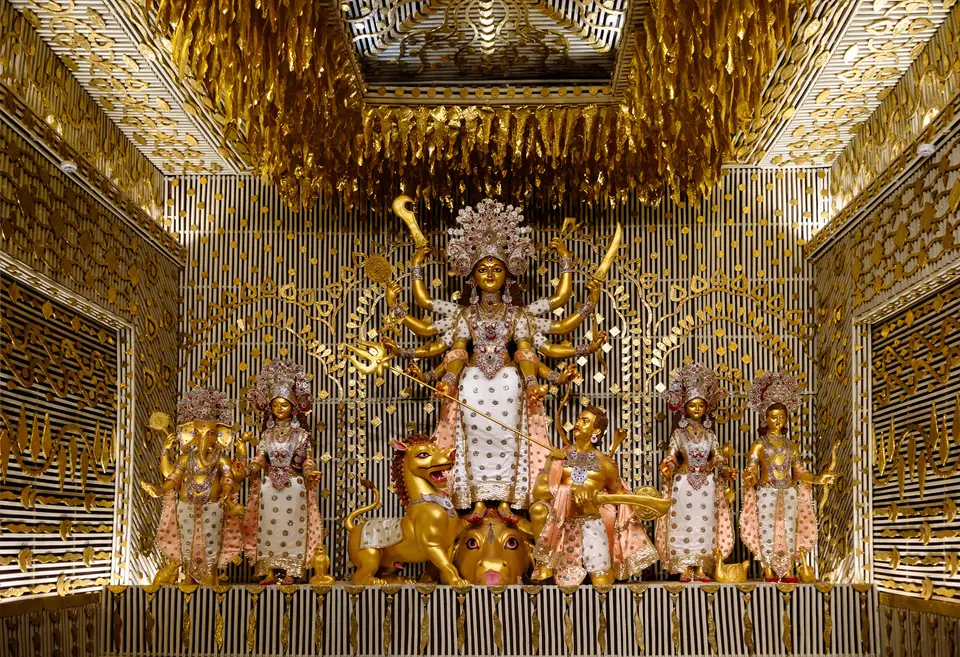
Durga Puja in Kolkata
দুর্গাপূজা
For ten days each autumn Kolkata worships the goddess Durga — and turns into an open-air gallery. Clay images made from the mud of the Ganga fill thousands of pandals, drummers play, and crowds walk the city day and night until the images return to the river.
October 20, 2026Officially announced
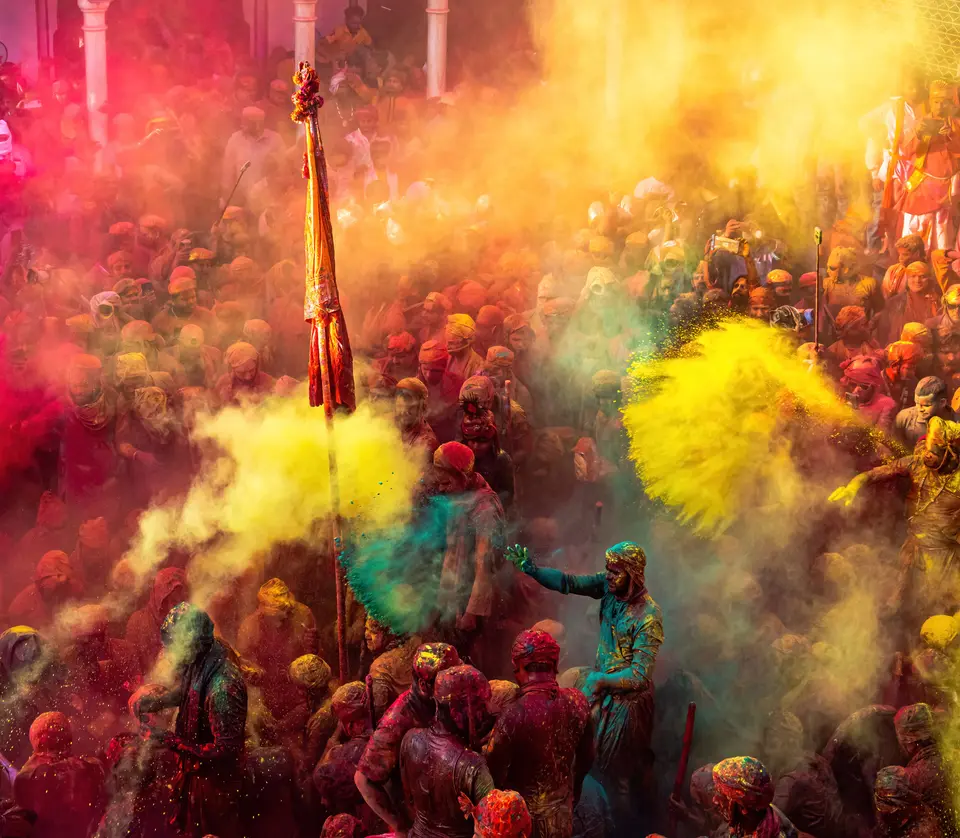
Holi
होली
The festival of colours, love and spring. On the night of the full moon bonfires burn for Holika; the next day friends and strangers throw coloured powder and water at each other, sing, dance and share sweets — nowhere more exuberantly than in the towns of Krishna’s Braj.
March 23, 2027Officially announced