Esta página aún no está traducida al español; se muestra el texto original en inglés.
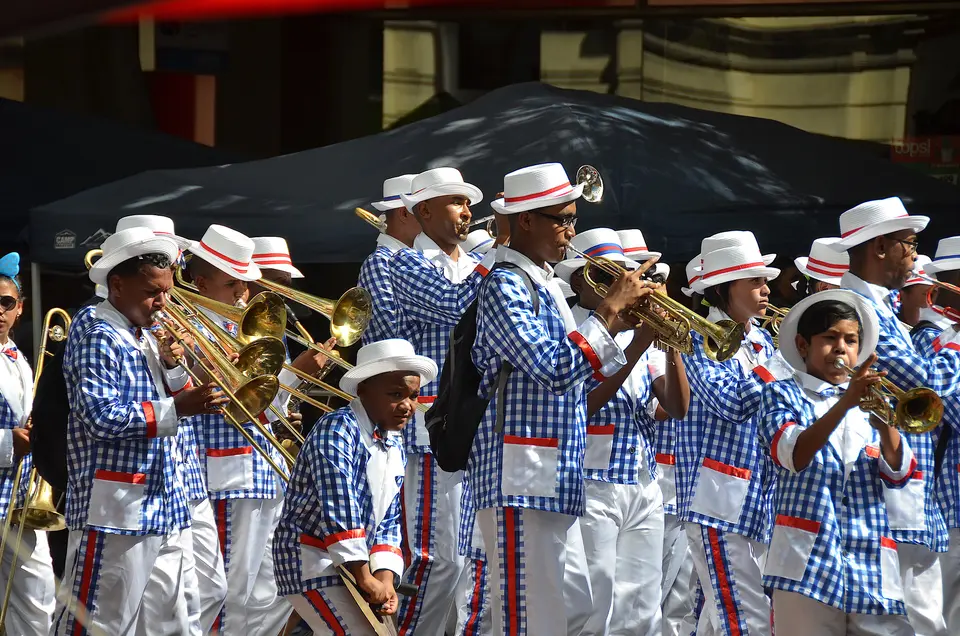
In the first days of January, some 20,000 minstrels in glittering matching uniforms, with parasols, banjos, trumpets and ghoema drums, march through Green Point in troupe after troupe — Cape Town’s “Second New Year”, rooted in the one day of freedom once given to enslaved people.
Troupe after troupe
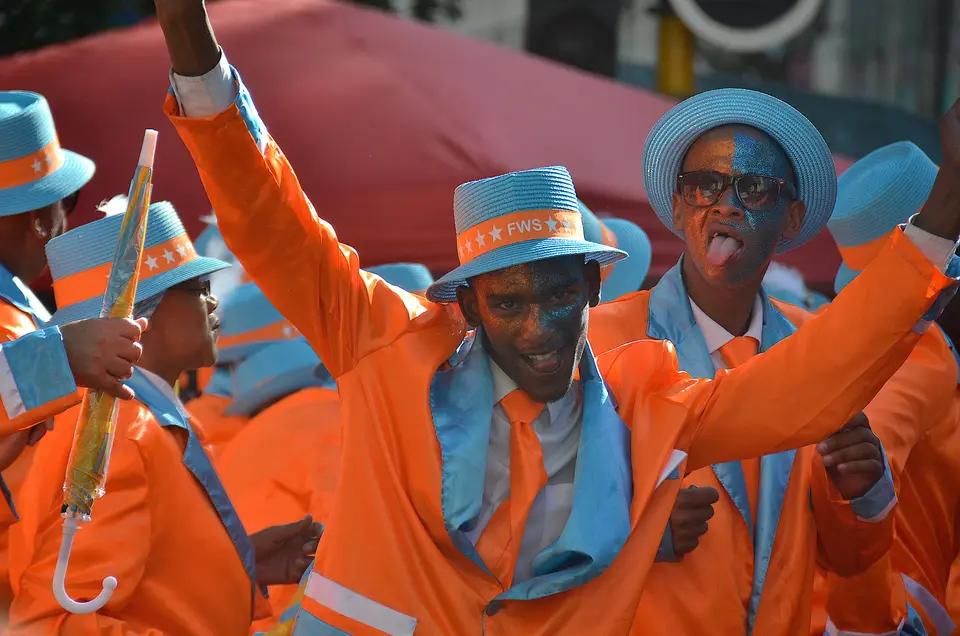
The carnival is performed by troupes called klopse, from the Kaapse Afrikaans word for clubs. Each marches in its own glittering uniform, with hats, parasols and face paint, playing ghoema music on banjos, trumpets and drums, and the troupes are spaced out so that each can be heard on its own. At the front, dancers called voorlopertjies lead the way with extravagant moves. In 2026 more than 16 troupes and about 20,000 performers took part, watched by an expected 80,000 to 100,000 spectators, marching along a 1.2-kilometre stretch of Somerset Road in Green Point and into the stadium, where the competitions began.
The rivalry between troupes is fierce. Their costumes and performances are kept secret until the day, and they compete for trophies such as “Champion of Champions”. The ghoema drum is the thread that runs through all the carnival’s music, whose rhythms echo India, Indonesia, Africa and the Middle East, alongside moppies and melodies influenced by African American music.
The Second New Year
In the nineteenth century New Year was the biggest feast of the year at the Cape, and enslaved people were given 2 January off to celebrate in their own way. They dressed up and danced to banjos, guitars, ghoema drums, whistles and brass. Slavery at the Cape ended in 1834, and the first carnival troupe is thought to have been organised in 1887. Visiting American minstrel shows in the late nineteenth century also shaped the tradition — including the practice of blackening faces, which remains contentious today. Under apartheid the festival was known by a name now widely regarded as a racial slur, and it has since been renamed.
Apartheid hit the carnival hard. After District Six was declared a whites-only area in 1966 and about 60,000 residents were forcibly removed, the minstrels’ communities were scattered across the Cape Flats. The carnival was banned from its home at the Green Point stadium in 1967, and in 1977 minstrel marches were forbidden anywhere in Cape Town. The parade only returned to its original route, from District Six to Green Point, in 1989. The musician Taliep Petersen summed up what the day means: “Dis onse dag” — “It is our day”.
Cuándo se celebra
The parade was traditionally held on 2 January, Tweede Nuwe Jaar, but its date is now set each year. In 2026 it took place on Monday 5 January, starting at 11 am, with the last troupes on the route from 5 pm and competitions in the stadium until 10 pm.
- enero de 2027Periodo aproximado
- enero de 2028Periodo aproximado
- enero de 2029Periodo aproximado
- enero de 2030Periodo aproximado
Visitar con respeto
Evita
- Parking is not allowed in the side streets of Green Point on parade day, and illegally parked cars are towed. The city provides free parking on Bill Peters Drive, and there is paid parking at the V&A Waterfront.
Seguridad
- South Africa has a high crime rate, including violent muggings and snatching of jewellery and valuables. Keep valuables out of sight in the crowds and plan a safe way home before dark.
Fuentes
Esta entrada se escribió a partir de las siguientes fuentes.
- Minstrel Parade to get a new route in 2026City of Cape Town · consultado el 17 de septiembre de 2026
- Cape Town Minstrels Carnival 2026 – Everything You Need To Know!Cape Town Tourism · consultado el 17 de septiembre de 2026
- Cape Town Minstrel CarnivalWikipedia · consultado el 17 de septiembre de 2026
- South Africa travel advice: safety and securityUK Foreign, Commonwealth & Development Office · consultado el 17 de septiembre de 2026
Fiestas relacionadas
Trinidad and Tobago Carnival
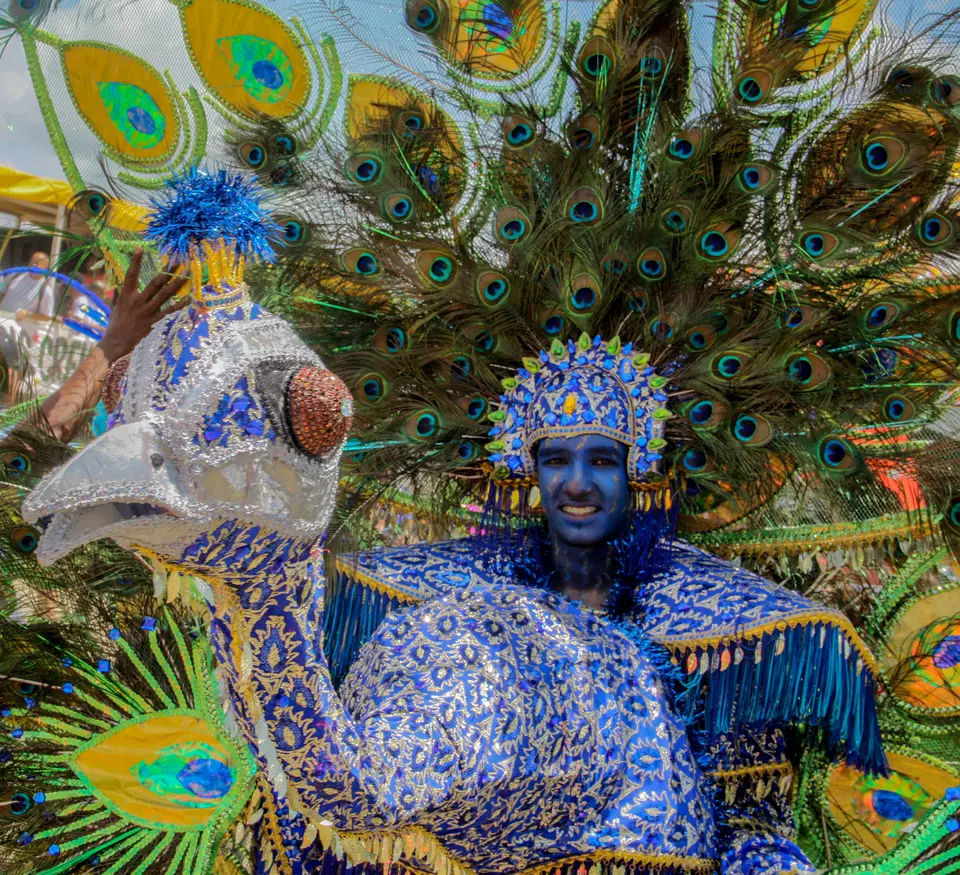
On the Monday and Tuesday before Ash Wednesday, Trinidad and Tobago takes to the streets — J’ouvert at daybreak in mud, oil and paint, then bands of masqueraders in colourful costumes, steelpan and soca — in a carnival born of French balls and the Canboulay of freed Africans.
8–9 de febrero de 2027Calculada
Notting Hill Carnival
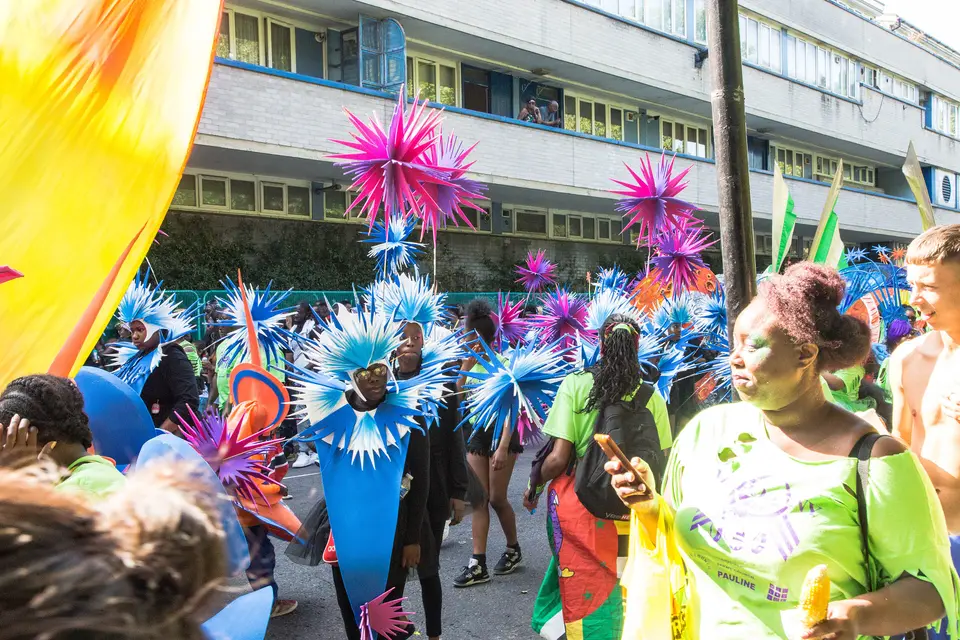
Over the August bank holiday weekend around two million people fill the streets of west London for Europe’s largest street festival — Caribbean masquerade bands in feathers and jewels, steel pans, soca and calypso, and the sound systems of Notting Hill.
29–30 de agosto de 2027Calculada
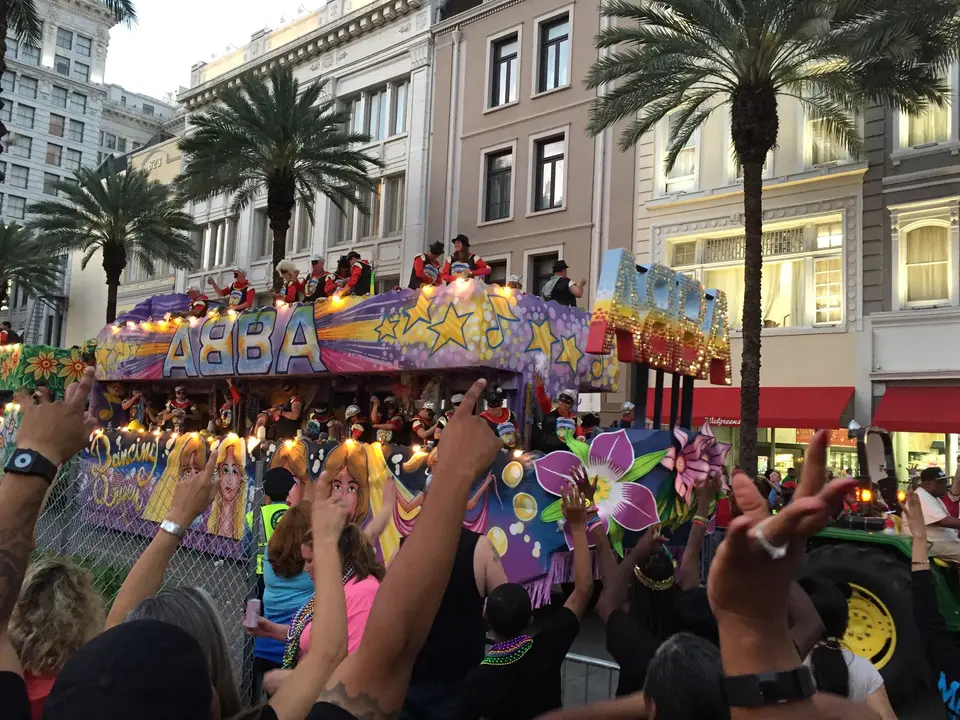
Mardi Gras in New Orleans
Mardi Gras
For two weeks before Lent, the krewes of New Orleans roll their floats down St. Charles Avenue and Canal Street, and riders shower the crowds with beads, doubloons and cups — a carnival season that runs from Twelfth Night to the stroke of midnight on Fat Tuesday.
6 de enero de 2027Calculada