Esta página aún no está traducida al español; se muestra el texto original en inglés.
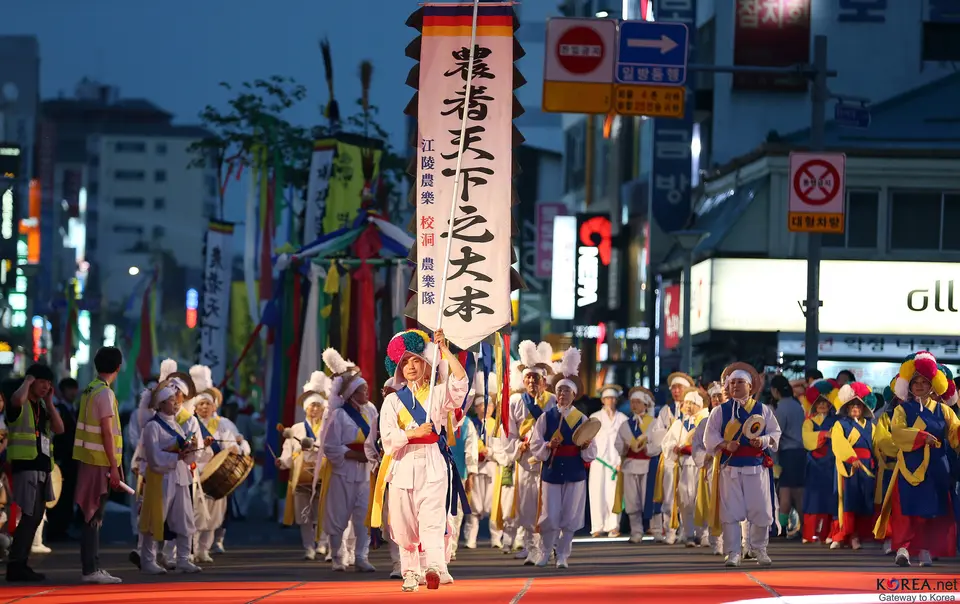
Gangneung Danoje Festival
강릉단오제
En la Lista del Patrimonio Cultural Inmaterial de la Humanidad de la UNESCO
Foto: Korea.net / Korean Culture and Information Service (Jeon Han), CC BY-SA 2.0, vía Wikimedia Commons
For weeks each spring, Gangneung on Korea’s east coast brews a sacred liquor, fetches its guardian god down from the mountain pass, marries him to a goddess, and then gives a week to shamanic rites, mask drama and the country’s largest open-air market.
A festival for the gods of the city
Gangneung Danoje, known locally as Danogut, is Gangneung’s celebration of Dano, the fifth day of the fifth lunar month. Its purpose is to appease the local gods and receive their blessing, so that the region is spared natural disasters. It is at least four hundred years old and may draw on rites more than a thousand years old. Confucian, shamanic and Buddhist rituals exist side by side. Suppressed under Japanese colonial rule, it was researched and revived from the 1950s; it has been a national intangible cultural heritage since 1967 and is on UNESCO’s Representative List.
Among its gods are the mountain god, once the Silla general Kim Yu-sin, and the city’s chief guardian spirit, once the Buddhist monk Pŏmil, who is said to have protected people from pirates.
From the mountain to the festival ground
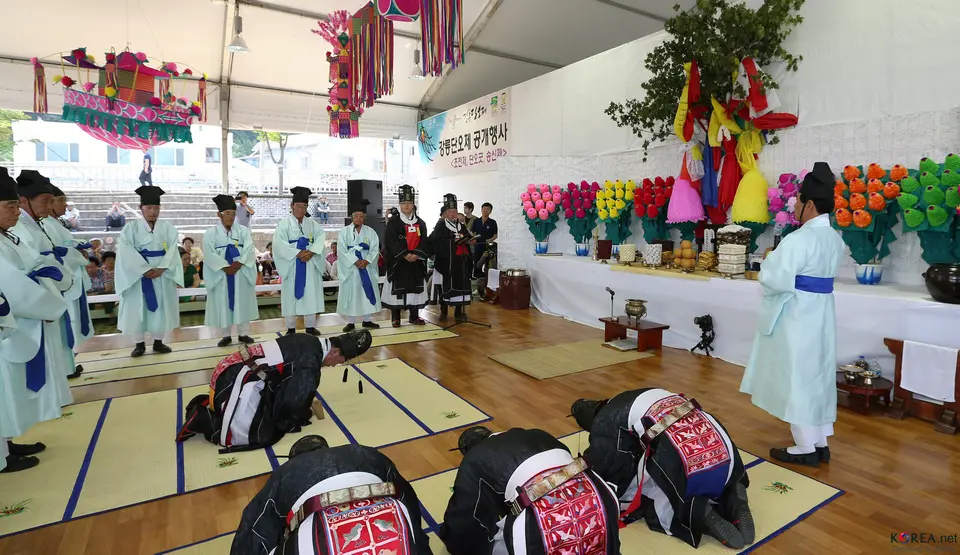
On the 20th day of the third month, city representatives offer rice liquor to the gods at Chilsadang, a Joseon-era government building, and begin brewing the sacred liquor from rice donated by local households. On the 5th day of the fourth month, the festival’s leaders climb to the shrine of the mountain god on the Daegwallyeong pass for Confucian rites, shamanic music and dance; a shaman brings down a sacred branch from a tree. On the 15th, the guardian god’s spirit tablet and the branch are carried in procession to the villages of Gusan and Haksan, where he is said to have been born, and he is married to a female local god, whose shrine hosts a fifteen-day honeymoon.
On the evening of the 1st day of the fifth month, the married gods are carried through the main street to the festival ground, the Danojang. For the next week, each day opens with a morning rite, shamans perform rituals on filial piety, peace, love, war and success, and the Gwanno mask drama and Odokddegi folk songs are performed. Visitors can make Danoje fans, eat surichwi rice crackers and wash their hair in iris water. Around it all spreads the Nanjang — literally “chaos” — the country’s largest outdoor market, with food, crafts, games and contests. A Confucian rite closes the festival on the 7th.
Cuándo se celebra
The festival traditionally runs from the 20th day of the third lunar month, when the sacred liquor is brewed, to the 7th day of the fifth month. The main public days are the 1st to the 7th of the fifth month, around Dano on the 5th, usually in late May or June.
- 26 de abril de 2027Brewing of the sacred liquorCalculada
- 5–11 de junio de 2027Main festival daysCalculada
- 14 de abril de 2028Brewing of the sacred liquorCalculada
- 24–30 de mayo de 2028Main festival daysCalculada
- 3 de mayo de 2029Brewing of the sacred liquorCalculada
- 12–18 de junio de 2029Main festival daysCalculada
- 22 de abril de 2030Brewing of the sacred liquorCalculada
- 1–7 de junio de 2030Main festival daysCalculada
Fuentes
Esta entrada se escribió a partir de las siguientes fuentes.
- Gangneung Danoje festivalUNESCO Intangible Cultural Heritage · consultado el 16 de septiembre de 2026
- Gangneung Danoje FestivalWikipedia · consultado el 16 de septiembre de 2026
- Gregorian-Lunar Calendar Conversion TablesHong Kong Observatory · consultado el 16 de septiembre de 2026
- Phases of the MoonUS Naval Observatory, Astronomical Applications · consultado el 16 de septiembre de 2026
Fiestas relacionadas
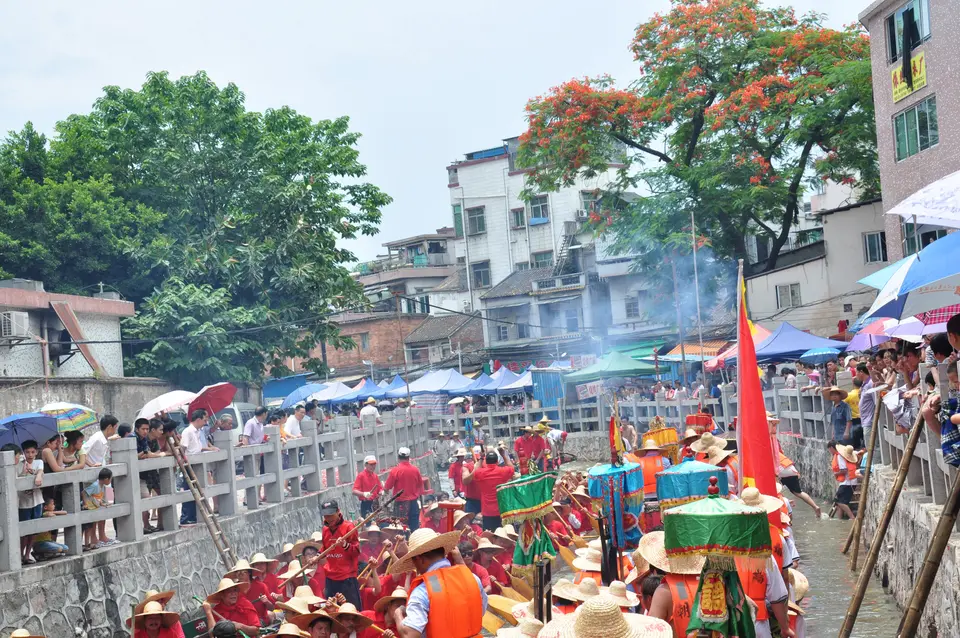
Dragon Boat Festival
端午节
On the fifth day of the fifth lunar month, crews race long carved dragon boats, families eat zongzi, and doors are hung with calamus and mugwort — a festival of remembrance and protection, the first Chinese festival inscribed by UNESCO.
9 de junio de 2027Calculada
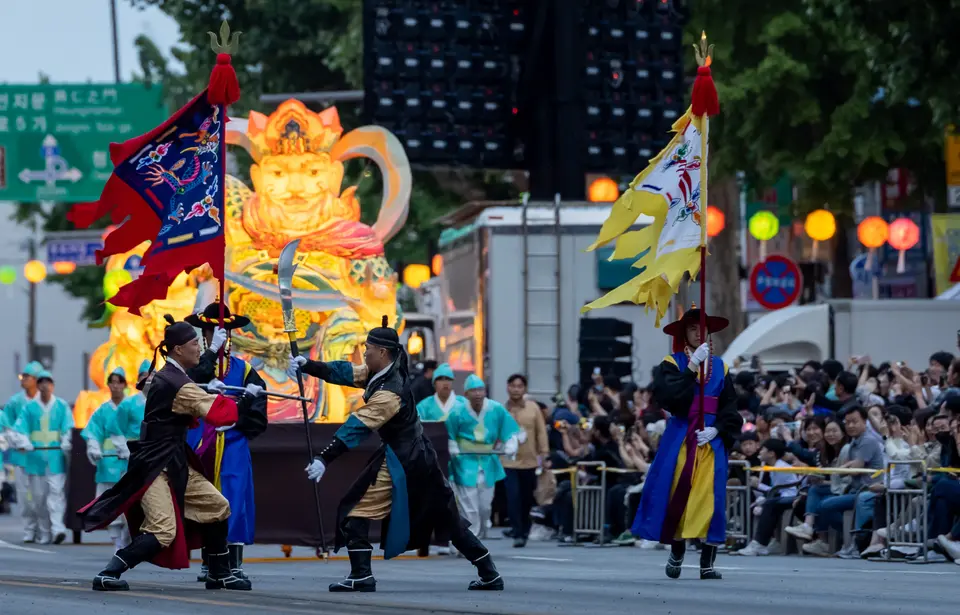
Yeondeunghoe (Lotus Lantern Festival)
연등회
As Buddha’s Birthday approaches, Korea lights up with lanterns — lotus lanterns strung over temple courtyards, a parade of giant glowing figures through the streets of Seoul, and a festival with more than a thousand years of history that UNESCO praises for dissolving social boundaries.
13 de mayo de 2027Calculada
Gion Matsuri
祇園祭
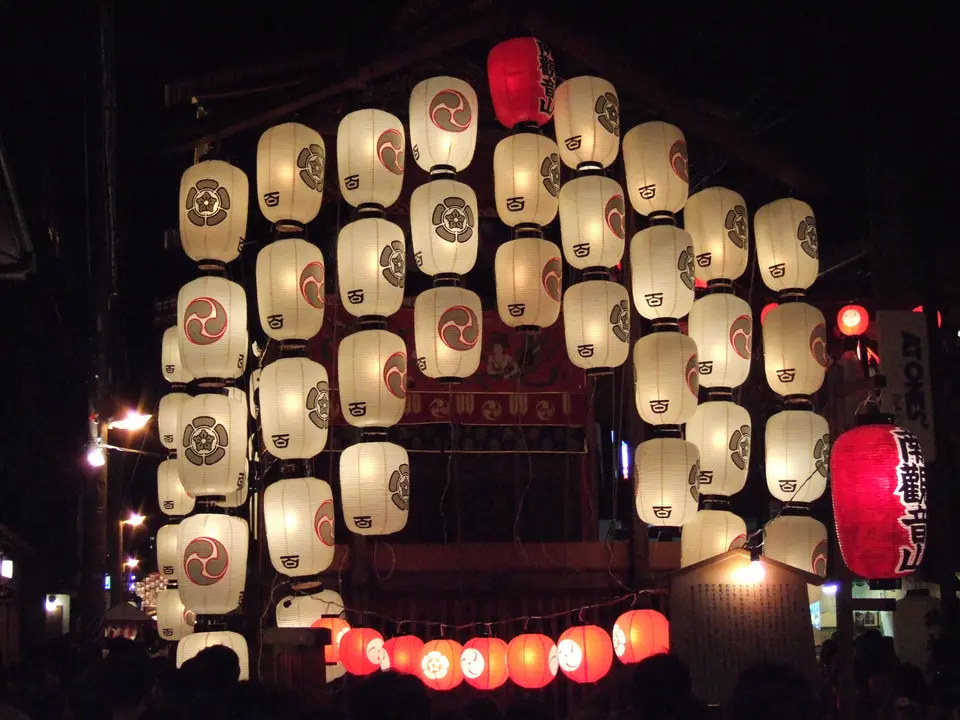
Kyoto’s great summer festival lasts the whole of July. Its high points are the lantern-lit yoiyama evenings and the processions of towering yamahoko floats on 17 and 24 July, built and hauled by the city’s own neighbourhoods.
1–31 de julio de 2027Calculada