Esta página aún no está traducida al español; se muestra el texto original en inglés.
Gujo Odori
郡上おどり
En la Lista del Patrimonio Cultural Inmaterial de la Humanidad de la UNESCO
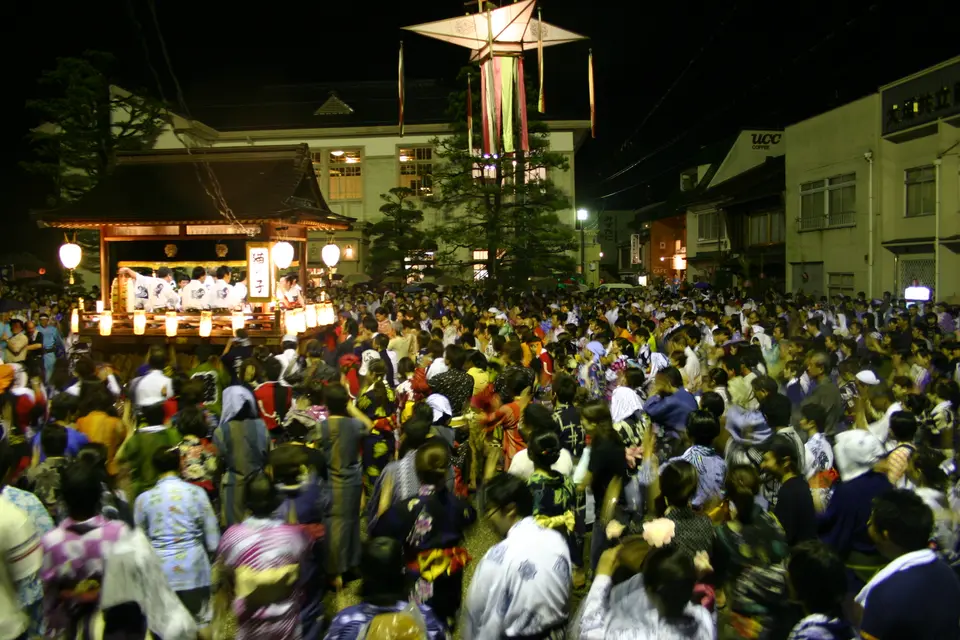
Foto: 郡上市観光課, CC BY-SA 3.0, vía Wikimedia Commons
For more than thirty summer nights the castle town of Gujo Hachiman dances in the streets — and it is a dance to join, not to watch. Over Obon the dancing goes on all night, until the hour before dawn.
A dance to dance
Gujo Odori is a bon odori, a summer dance, held in the old castle town of Gujo Hachiman in Gifu Prefecture. It is described as the longest-running bon dance in Japan, lasting more than thirty nights from mid-July to early September. Each night it takes place at a different venue tied to a neighbourhood festival, so the dance moves through the town over the season.
The town’s own phrase for it is miru odori de naku, odoru odori — not a dance to watch, but a dance to dance. The circle is open to everyone. The music is shamisen, drum and flute with singing, and by tradition the dance called Matsusaka always closes the night.
All night at Obon
The best-known part of the season is the all-night dancing over Obon, which goes on from evening until almost dawn. The hour before first light is described as the high point of the whole summer.
Four hundred years of dancing
People have danced in Gujo for some four centuries. An Edo-period lord encouraged the dances as a way of bringing the town’s social classes together. One of its dances, Kocho Kawasaki, carries a national cultural-property designation, and in 2022 Gujo Odori was inscribed on UNESCO’s Representative List as part of Furyu-odori, the ritual folk dances performed across Japan to pray for good harvests, the repose of the dead and protection from misfortune.
Cuándo se celebra
Gujo Odori is danced on more than thirty nights from mid-July to early September, at a different venue each night. The exact nights, including the all-night dances over Obon, are published every year by the Gujo Hachiman Tourism Association. In 2026 the all-night dances were on 13–16 August.
- julio–septiembre de 2027Periodo aproximado
- julio–septiembre de 2028Periodo aproximado
- julio–septiembre de 2029Periodo aproximado
- julio–septiembre de 2030Periodo aproximado
Visitar con respeto
Conviene saber
- Join the circle. The town describes Gujo Odori as “not a dance to watch, but a dance to dance”, and the circle is open to visitors.
- Check the year’s schedule before you go; the venue changes every night.
Evita
- Do not stand inside the circle or block the dancers to take photographs.
Fuentes
Esta entrada se escribió a partir de las siguientes fuentes.
- 郡上おどりGujo Hachiman Tourism Association · consultado el 20 de agosto de 2026
- 2026年郡上おどり日程Gujo Hachiman Tourism Association · consultado el 20 de agosto de 2026
- Furyu-odori, ritual dances imbued with people’s hopes and prayersUNESCO Intangible Cultural Heritage · consultado el 16 de septiembre de 2026
Fiestas relacionadas
Obon
お盆
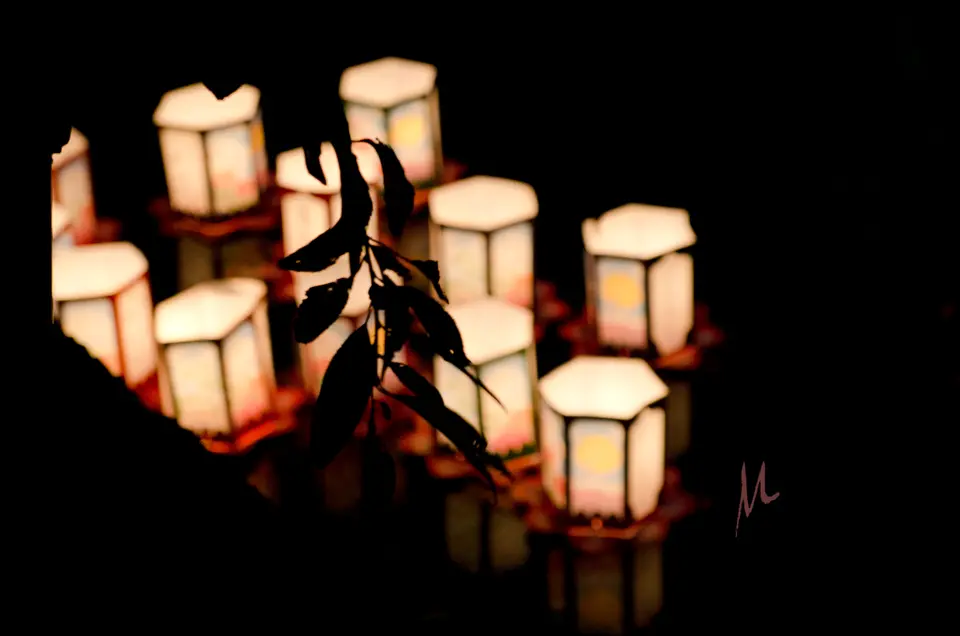
Japan’s summer days of the dead, when ancestors are said to come home for a few days. Families light lanterns to guide them, visit graves, and at the end set lanterns on the water to send them back. Mostly kept in August; in some places in July.
13–15 de julio de 2027Calculada
Aomori Nebuta Matsuri
青森ねぶた祭
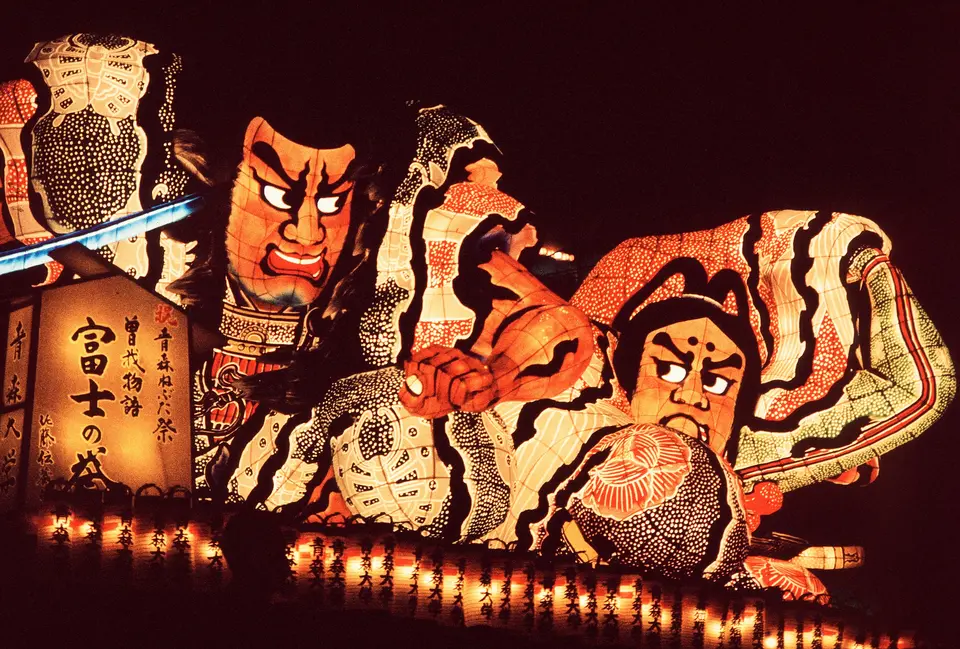
For six nights in August, giant paper figures lit from within are hauled through Aomori to flute, drum and gong, with thousands of costumed dancers leaping alongside. Anyone may join the dancers — the costume is the only ticket.
2–7 de agosto de 2027Calculada