Cette page n’est pas encore traduite en français ; le texte original anglais est affiché.
Las Parrandas
Inscrite sur la Liste du patrimoine culturel immatériel de l’humanité de l’UNESCO
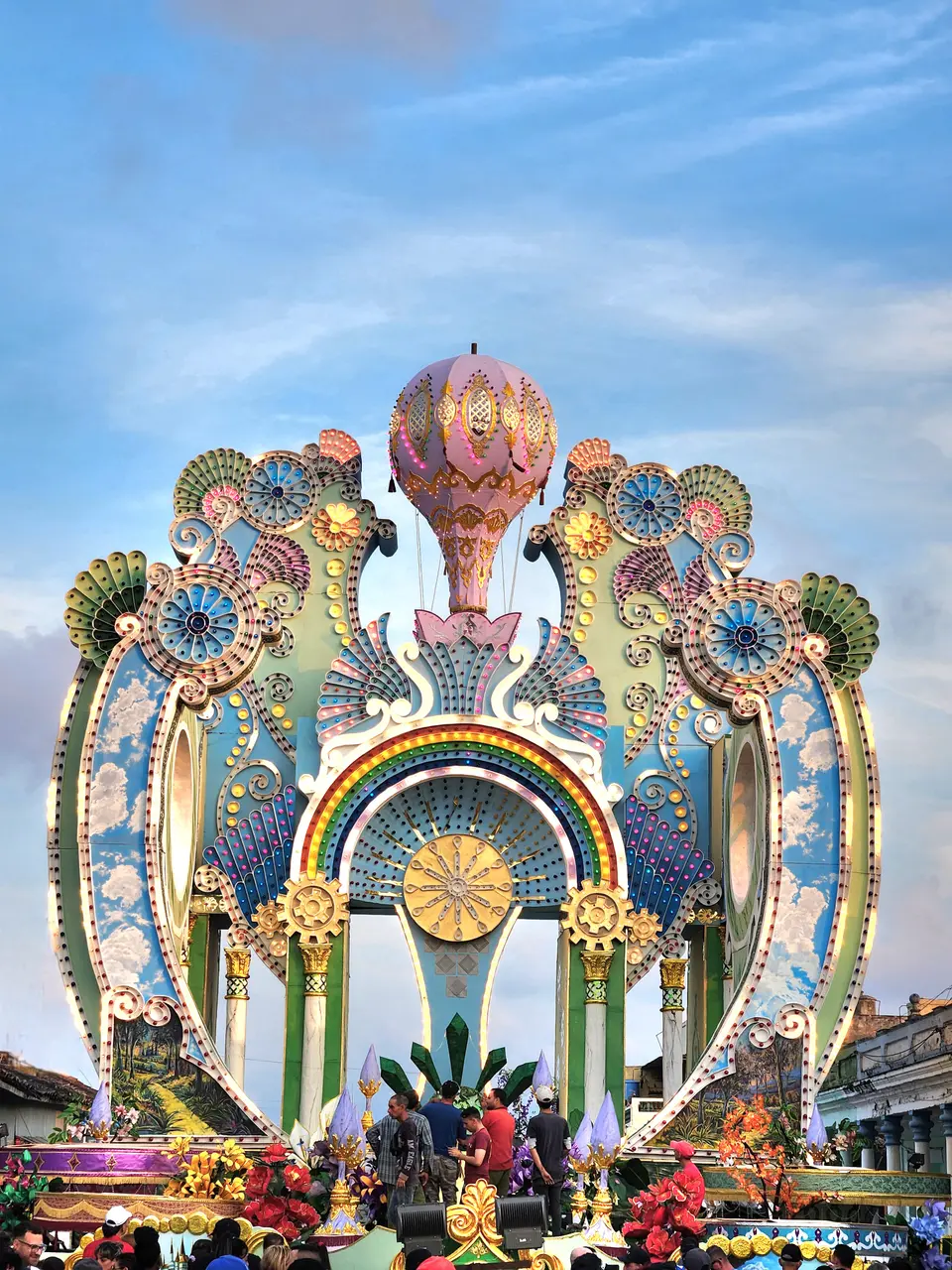
Photo : Raudelct, CC BY-SA 4.0, via Wikimedia Commons
On one night of the year, the two rival neighbourhoods of a central Cuban town unveil what they have built in secret for months — towering light displays, floats with living statues and thousands of rockets — in the Parrandas that began in Remedios in 1820.
Two neighbourhoods, one night
According to UNESCO, the Parrandas were held for the first time in 1820 in the town of Remedios and are now celebrated by eighteen communities in the centre of Cuba. Each town is divided into two neighbourhoods or parties, which work all year to prepare their display and compete on the night of the festival, while “spies” try to spoil the surprise of the other side. Everyone takes part, regardless of class, age, religion or background, building replicas of monuments, floats and costumes, writing songs and dances, preparing fireworks and making lanterns, banners and emblems for their neighbourhood.
Besides Remedios, the best-known Parrandas are held in towns such as Camajuaní, Vueltas, Zulueta, Chambas and Guayos, in the provinces of Villa Clara, Sancti Spíritus and Ciego de Ávila.
Rumba, floats and rockets
The night follows a set order of events. Around 10 pm the first neighbourhood announces its rumba with a palenque, a firework that rises almost silently and bursts with a huge bang above the crowd, and its musicians and dancers try to drag as many people as possible along with them; then the other side replies. The rumba grew from children making noise into music and verses teasing the rival district, played on cowbells, drums and the local atambora, with trumpets added in the 1930s.
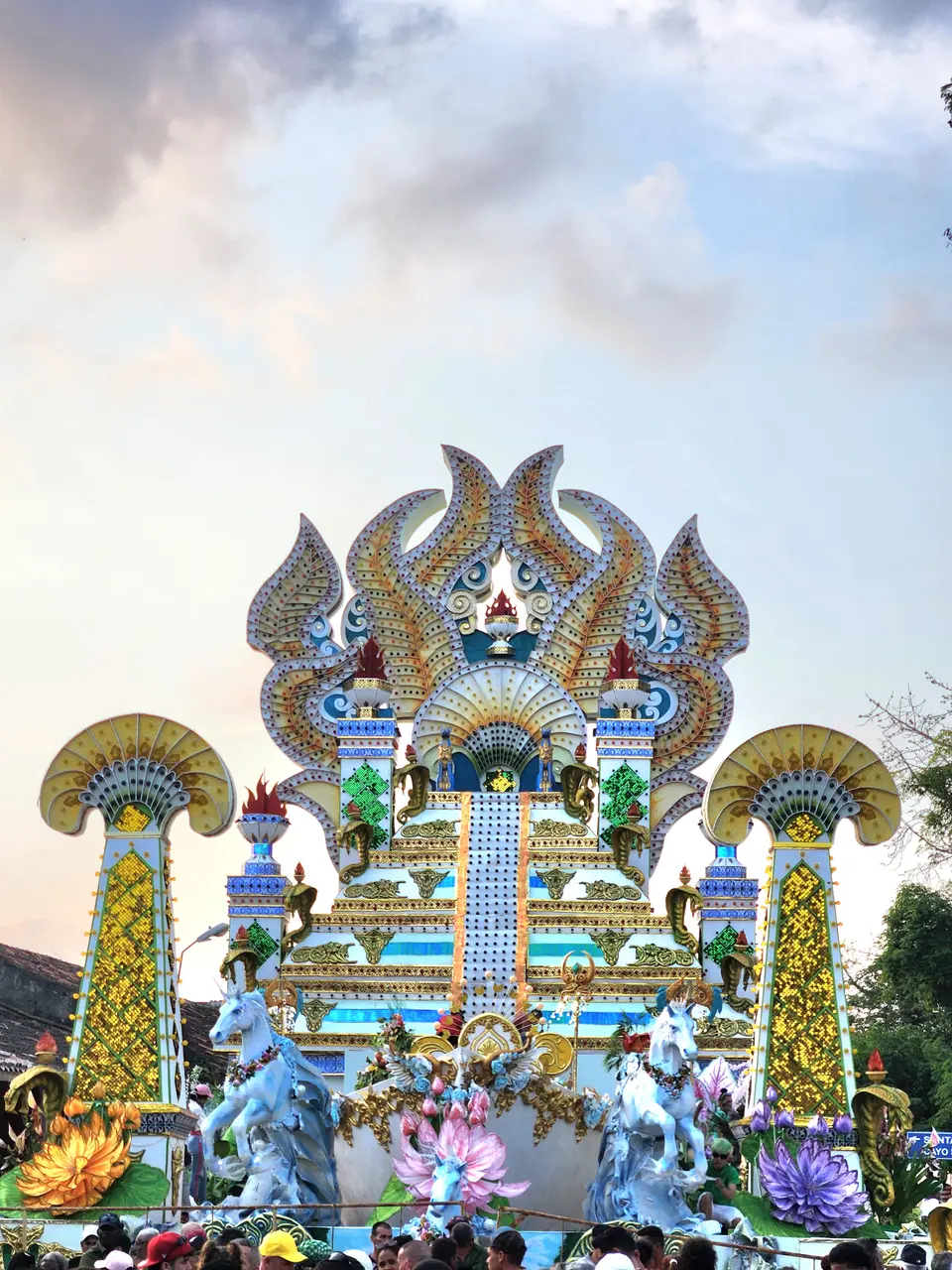
Next come the great displays. In Remedios these are the trabajos de plaza, huge structures of light in the square; elsewhere they are floats, towering constructions covered in bulbs and fantasy decor, hauled by a tractor, with costumed figures who must stand as still as statues while the legend of the float is read out. Finally come the fireworks: lines of rockets three or four blocks long, some 20,000 in a single run, ending with booming mortars that announce the end of a district’s display.
Quand a-t-elle lieu
In Remedios, where the tradition began, the Parrandas run from Christmas Eve into Christmas Day. The other communities of central Cuba hold theirs on their own dates, mostly towards the end of the year.
- 24–25 décembre 2026Calculée
- 24–25 décembre 2027Calculée
- 24–25 décembre 2028Calculée
- 24–25 décembre 2029Calculée
Visiter avec respect
Sécurité
- Opportunistic crime has increased with Cuba’s economic difficulties. Keep valuables out of sight in the crowds and take care at night.
Sources
Cette entrée a été rédigée à partir des sources suivantes.
- Festivity of Las Parrandas in the centre of CubaUNESCO Intangible Cultural Heritage · consulté le 17 septembre 2026
- ParrandasWikipedia · consulté le 17 septembre 2026
- Cuba travel advice: safety and securityUK Foreign, Commonwealth & Development Office · consulté le 17 septembre 2026
Fêtes apparentées
Trinidad and Tobago Carnival
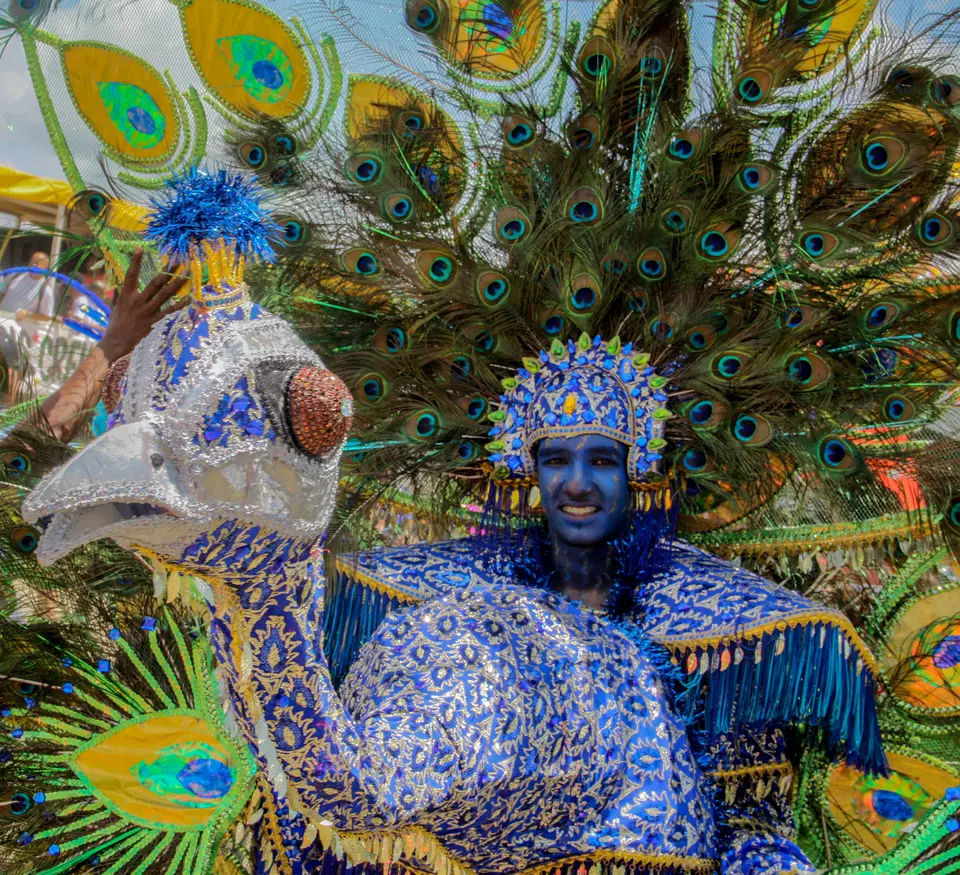
On the Monday and Tuesday before Ash Wednesday, Trinidad and Tobago takes to the streets — J’ouvert at daybreak in mud, oil and paint, then bands of masqueraders in colourful costumes, steelpan and soca — in a carnival born of French balls and the Canboulay of freed Africans.
8–9 février 2027Calculée
Barranquilla Carnival
Carnaval de Barranquilla
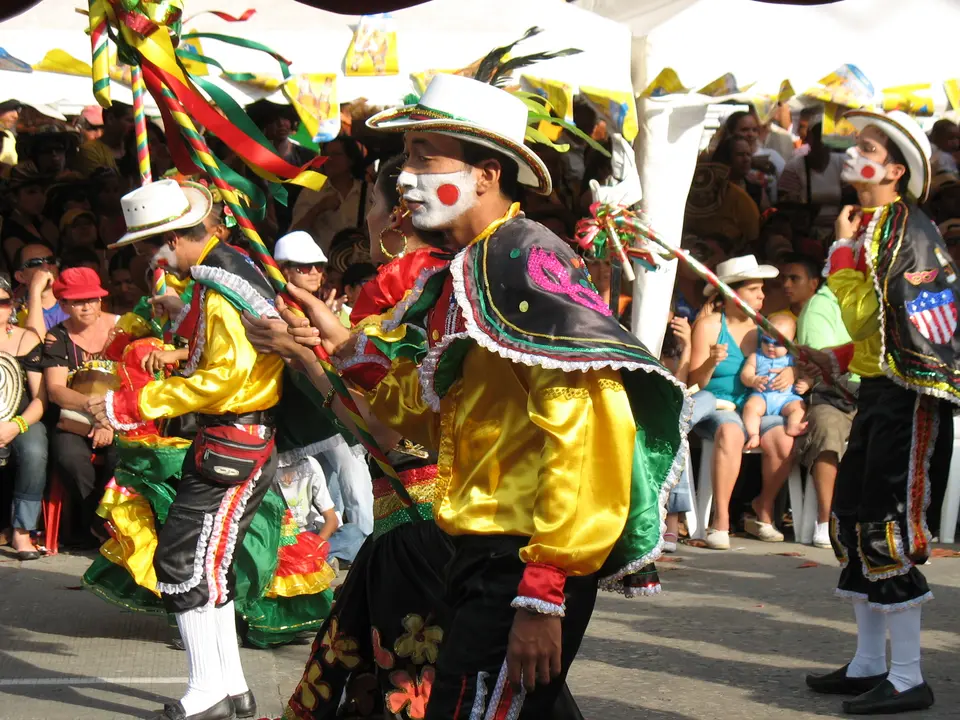
For the four days before Lent, Colombia’s Caribbean port sets work aside for one of the world’s largest carnivals — a Battle of Flowers, a Great Parade of cumbia, congo and garabato dancers, an orchestra contest, and the burial of Joselito Carnaval.
6–9 février 2027Calculée
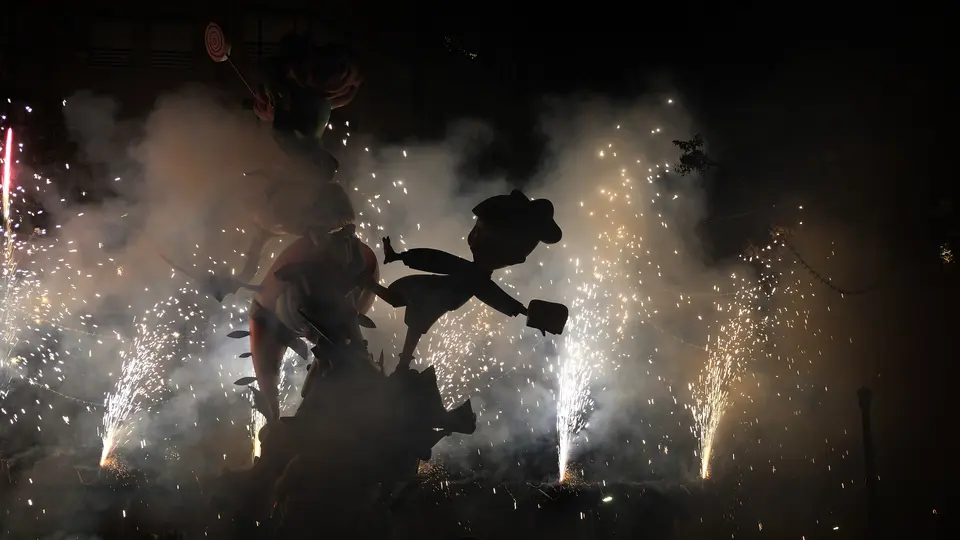
Las Fallas
Falles
In March, Valencia fills its streets with giant satirical sculptures of cardboard and papier-mâché, shakes to the midday thunder of firecrackers, and then, on the night of 19 March, sets every one of the monuments on fire to welcome the spring.
15–19 mars 2027Calculée