Эта страница ещё не переведена на русский; показан оригинальный текст на английском.
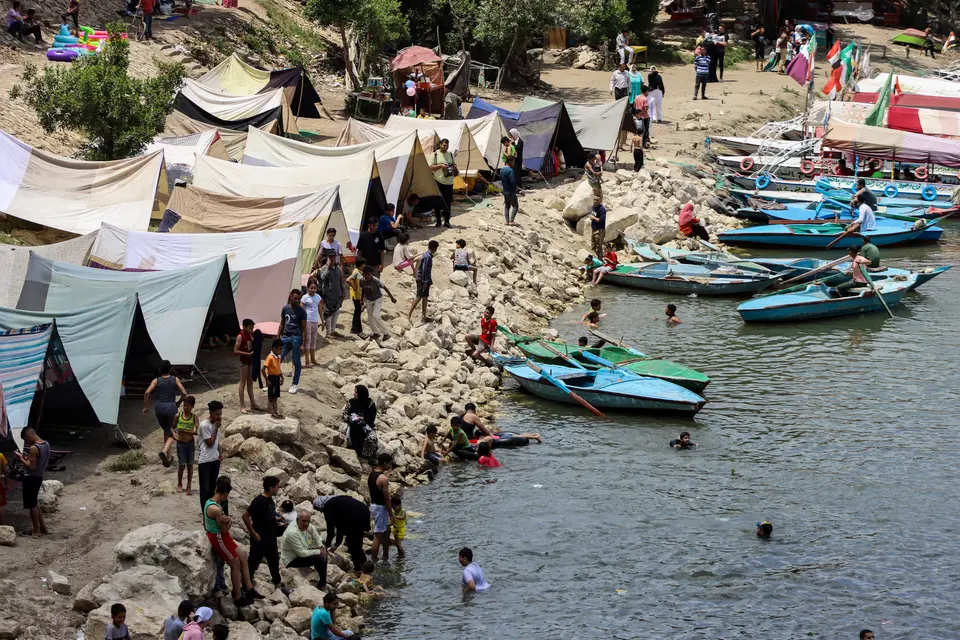
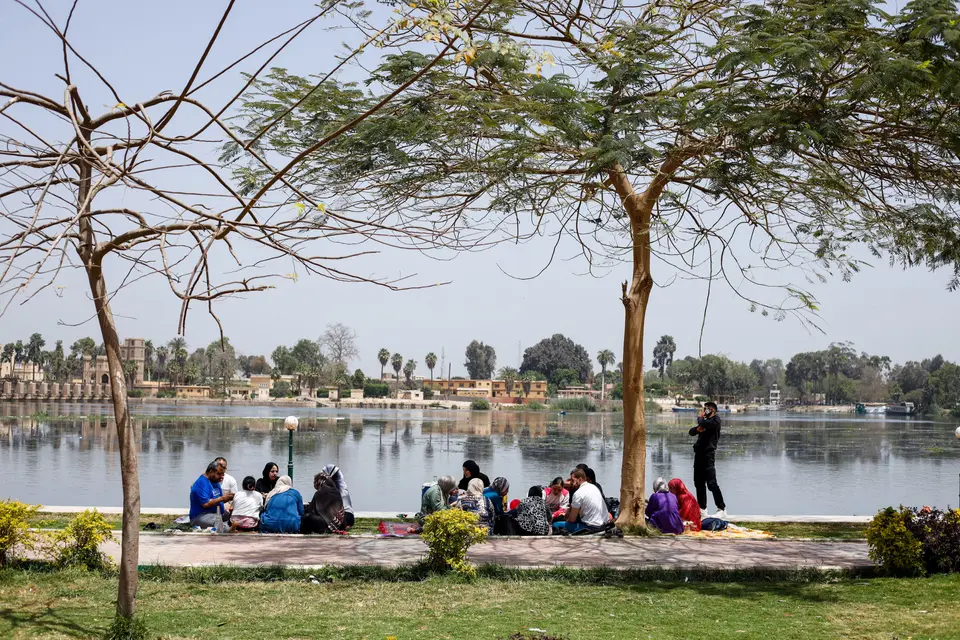
On the Monday after Coptic Easter, Egyptians of every faith head outdoors — to parks, gardens, the zoo and the banks of the Nile — to picnic on salted fish, green onions and lettuce and to colour eggs, in a spring festival believed to reach back to ancient Egypt.
A day outdoors
The name means “smelling the breeze”, and the point of the day is to be outside. Families spend it picnicking in public gardens and green spaces, along the Nile or at the zoo, and the customary foods have hardly changed for centuries: fesikh, green onions, lettuce and lupin beans, and boiled eggs dyed in bright colours. The customs are much the same throughout Egypt, but they are kept most vividly in rural villages, where Islamic, Christian and ancient Egyptian traditions blend in a communal celebration.
Older than the calendar
No one knows exactly how old Sham el-Nessim is, but it is generally held to go back to ancient Egypt. One theory derives the name from Shemu, the ancient Egyptian harvest season, and sees the holiday as a continuation of spring festivals more than 4,500 years old. Spring mattered because it marked the start of the agricultural cycle, and offerings of salted fish, lettuce, eggs and onions were once made to gods such as Ra, Amun and Ptah.
The festival survived every change of religion and ruler. In medieval Egypt it was shared by Muslims, Christians and Jews, and under the Fatimids the caliph himself led an official procession through the streets of Cairo. People wrote wishes on eggshells and hung them in trees, believing that the wishes would come true when the rising sun touched them, and spent the day by the Nile, the Khalij canal and the open spaces of Fustat. Because the Islamic calendar is lunar, the festival kept its link to the Christian date of Easter.
Когда проходит
Sham el-Nessim always falls on the Monday after Easter as reckoned by the Coptic Orthodox Church, so its date moves each year between early April and early May. It is an official public holiday in Egypt.
- 3 мая 2027 г.Рассчитано
- 17 апреля 2028 г.Рассчитано
- 9 апреля 2029 г.Рассчитано
- 29 апреля 2030 г.Рассчитано
Еда и напитки
Fesikh
Grey mullet that has been fermented, salted and dried — the strong-smelling, much-debated centrepiece of the day.
Green onions, lettuce and lupin beans
Eaten alongside the fish. Lettuce was a symbol of fertility in ancient Egypt, associated with the god Min.
Coloured eggs
Eggs are boiled and dyed in bright colours, then eaten or exchanged as gifts. In ancient Egypt the egg stood for the belief that the universe was created from a cosmic egg.
Источники
Статья написана по следующим источникам.
- Sham EnnessimWikipedia · просмотрено 17 сентября 2026 г.
- Egypt travel advice: warnings and insuranceUK Foreign, Commonwealth & Development Office · просмотрено 17 сентября 2026 г.
Похожие праздники
Nowruz
نوروز
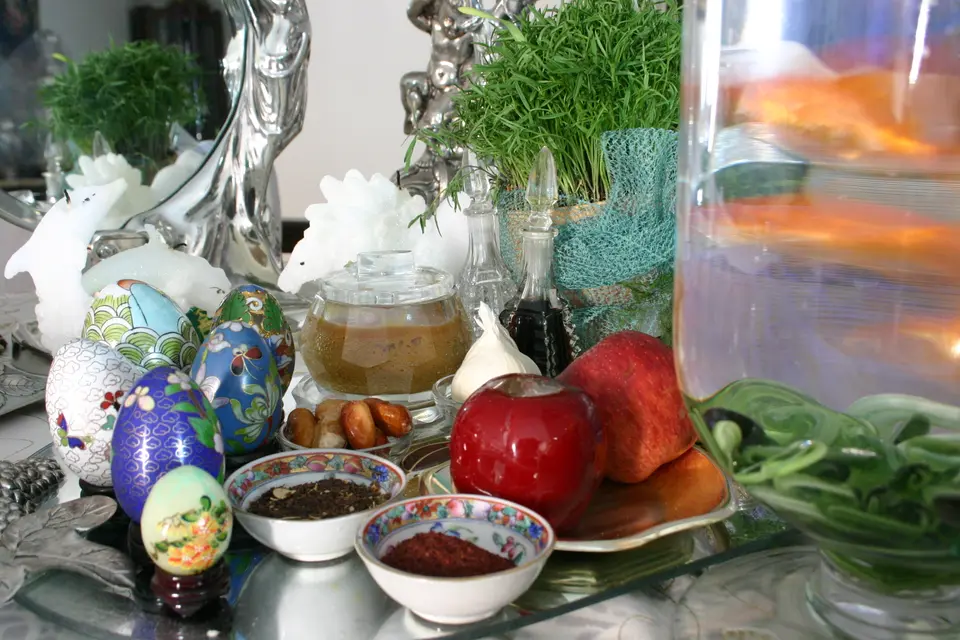
Nowruz, “new day”, is the Iranian New Year. It begins at the March equinox, when families gather around the Haft-sin table to wait for the exact moment the year turns, and opens two weeks of visits, food and time outdoors.
21 марта 2027 г.Рассчитано
Sizdah Bedar
سیزدهبدر
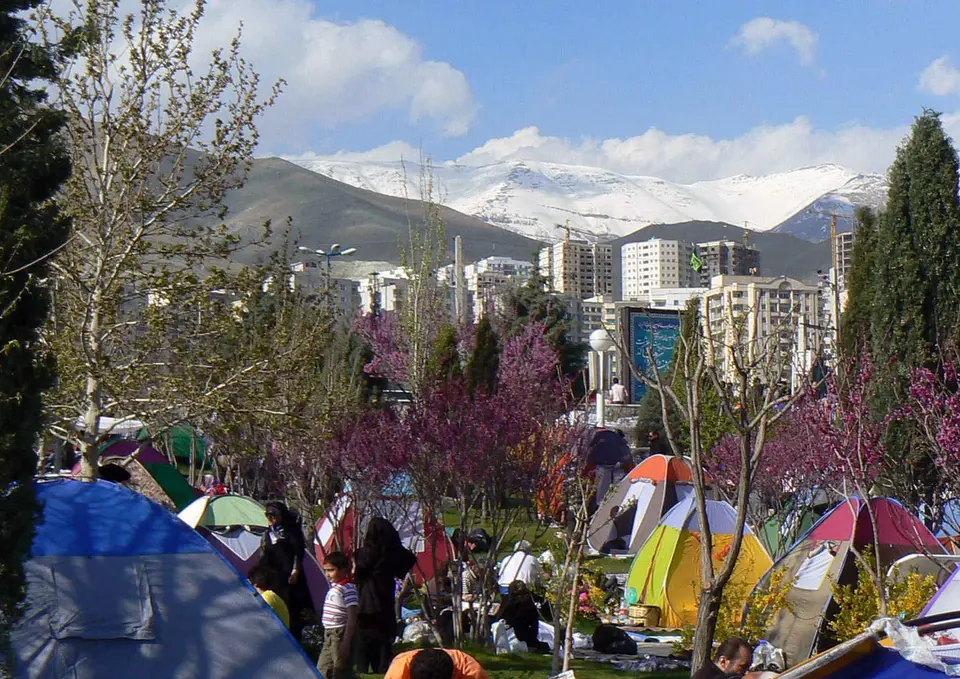
On the thirteenth day of the Iranian New Year, the whole country heads outdoors. Families picnic in parks and fields, and the sprouts grown for the Haft-sin table are thrown into running water, closing the Nowruz holidays.
2 апреля 2027 г.Рассчитано
Hıdrellez
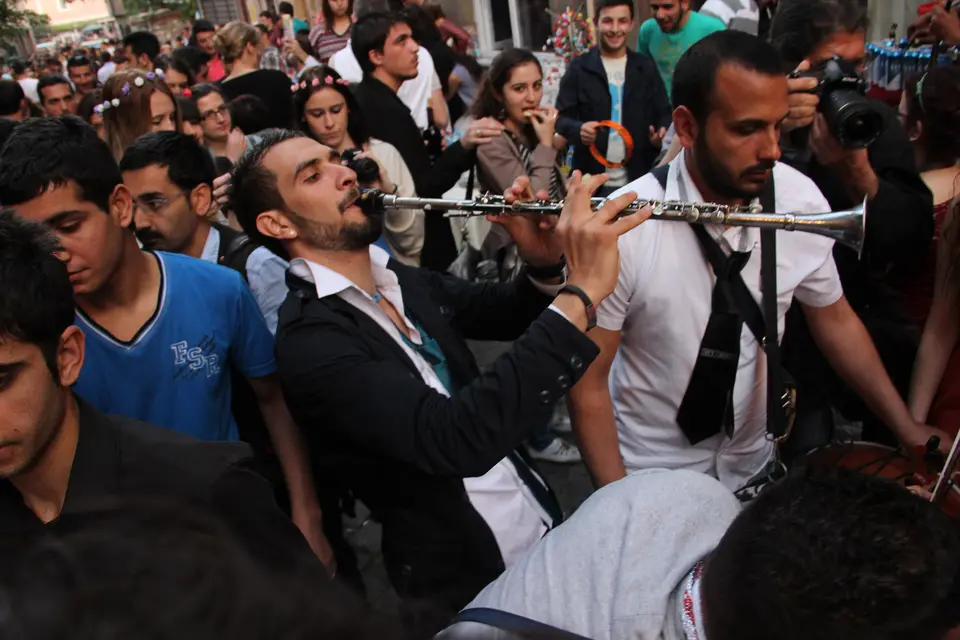
On 6 May, the day nature is said to awaken, Türkiye celebrates spring. People write wishes and leave them at rose trees, gather in green places outside town, and keep old customs of water and wild flowers for health and plenty in the year ahead.
6 мая 2027 г.Рассчитано