Iran

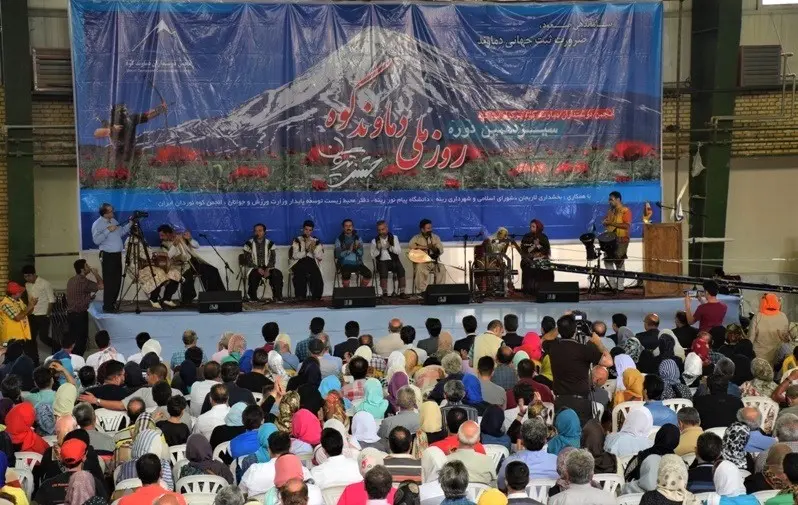
Iran lebt mit drei Kalendern gleichzeitig — dem solaren Hidschri-Jahr, das an Nouruz beginnt, dem lunaren Hidschri-Kalender der islamischen Feste und dem gregorianischen für die übrige Welt — und seine Feste wandern zwischen allen drei.

Foto: Babak Habibi, Public domain, über Wikimedia Commons

Das amtliche Jahr Irans ist solar. Es beginnt an Nouruz, zur Tagundnachtgleiche im März, und seine Monate folgen den Jahreszeiten; deshalb bleiben Feste wie Yalda in der längsten Nacht des Jahres an derselben Stelle des gregorianischen Jahres. Die islamischen Feiertage folgen dagegen dem lunaren Hidschri-Kalender und wandern jedes Jahr etwa elf Tage nach vorn.

Mit rund achtundzwanzig gesetzlichen Feiertagen hat Iran einen der vollsten Festkalender der Welt. Die Beiträge unten beginnen mit den Feiern des iranischen Jahres.

Feste in Iran

IranErnte

Mehregan

مهرگان

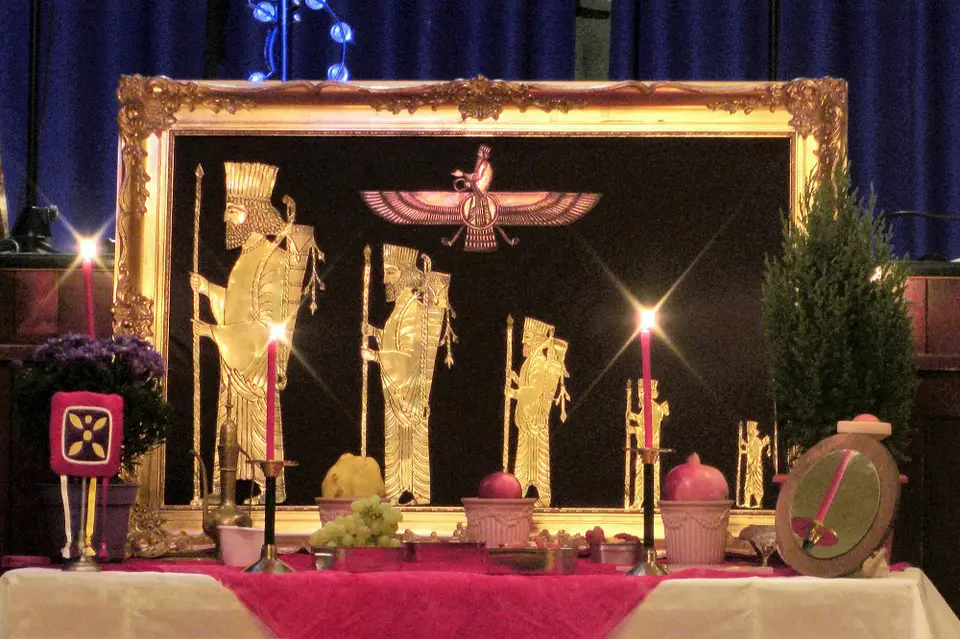
The ancient Iranian autumn festival of Mehr — friendship, affection and the harvest. Tables are laid with pomegranates, apples and grapes, prayers are said, and there is music, dance and, in places, wrestling.

2. Oktober – 2. November 2026Geschätzt
IranJahreszeit

Shab-e Yalda

شب یلدا

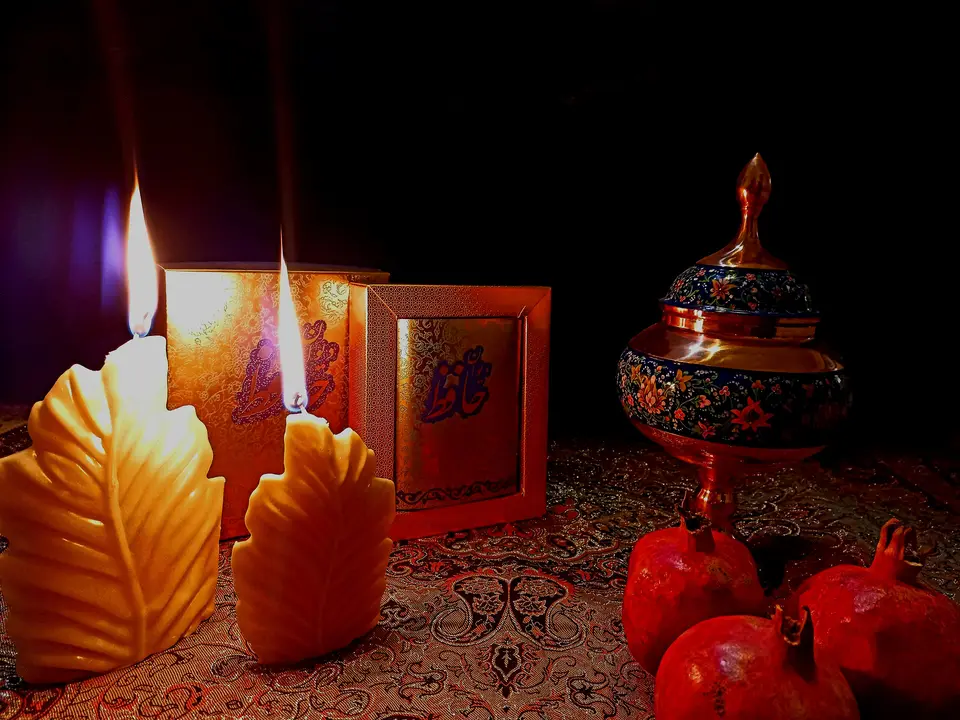
On the longest night of the year, families gather at the homes of their elders to stay up late around a table of pomegranates, watermelon, nuts and dried fruit, reading Hafez and telling stories until well after midnight.

21. Dezember 2026Berechnet

IranJahreszeit

Jashn-e Sadeh

جشن سده

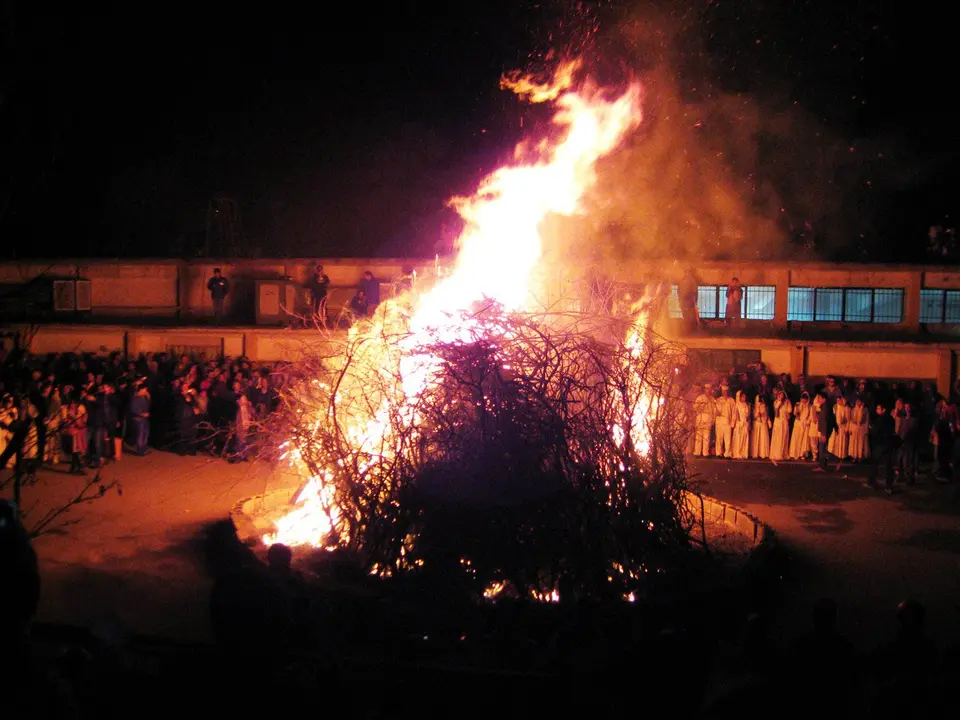
In the depth of winter, fifty days before spring, a great bonfire is lit at sunset. People gather around it to sing, dance and pray, offer blessings and fruit, and celebrate the passing of the coldest days.

30. Januar 2027Berechnet

IranJahreszeit

Chaharshanbe Suri

چهارشنبه‌سوری

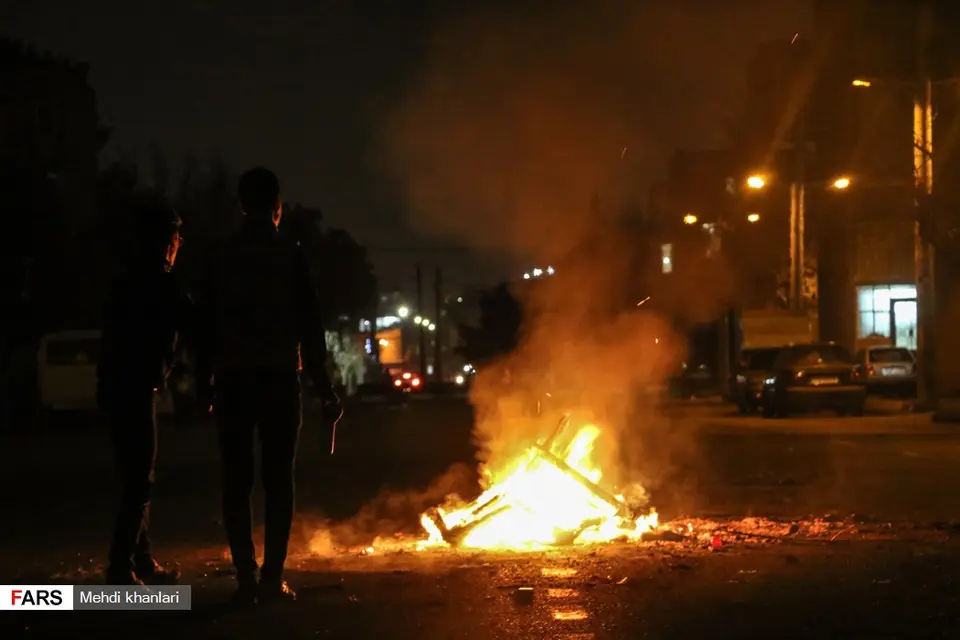
On the eve of the last Wednesday of the Iranian year, bonfires are lit in yards, streets and on rooftops, and people leap over the flames, asking the fire to take away their pallor and give them its red glow for the year ahead.

16. März 2027Berechnet

IranNeujahr

Nowruz

نوروز

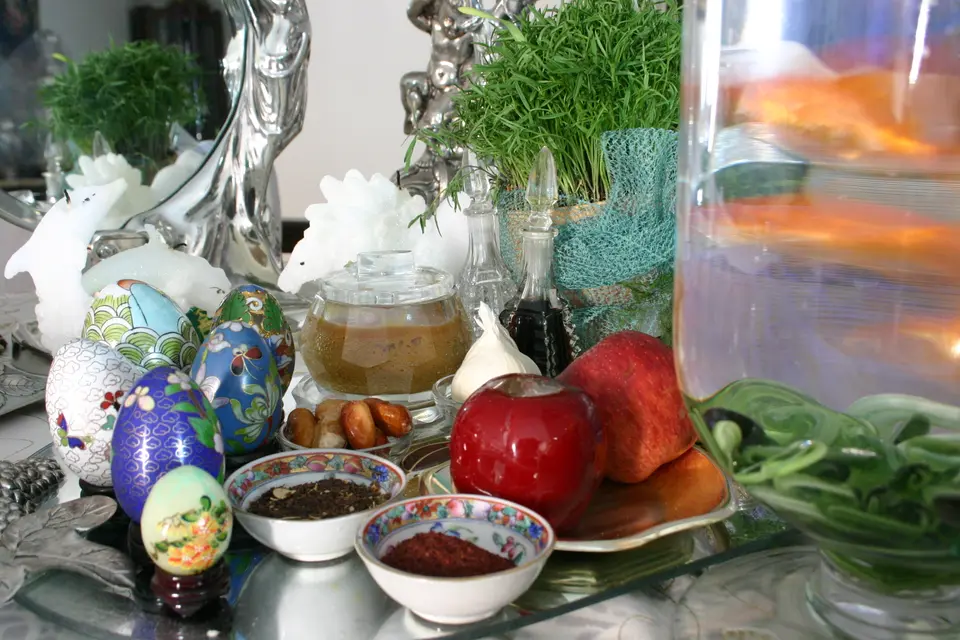
Nowruz, “new day”, is the Iranian New Year. It begins at the March equinox, when families gather around the Haft-sin table to wait for the exact moment the year turns, and opens two weeks of visits, food and time outdoors.

21. März 2027Berechnet

IranJahreszeit

Sizdah Bedar

سیزده‌بدر

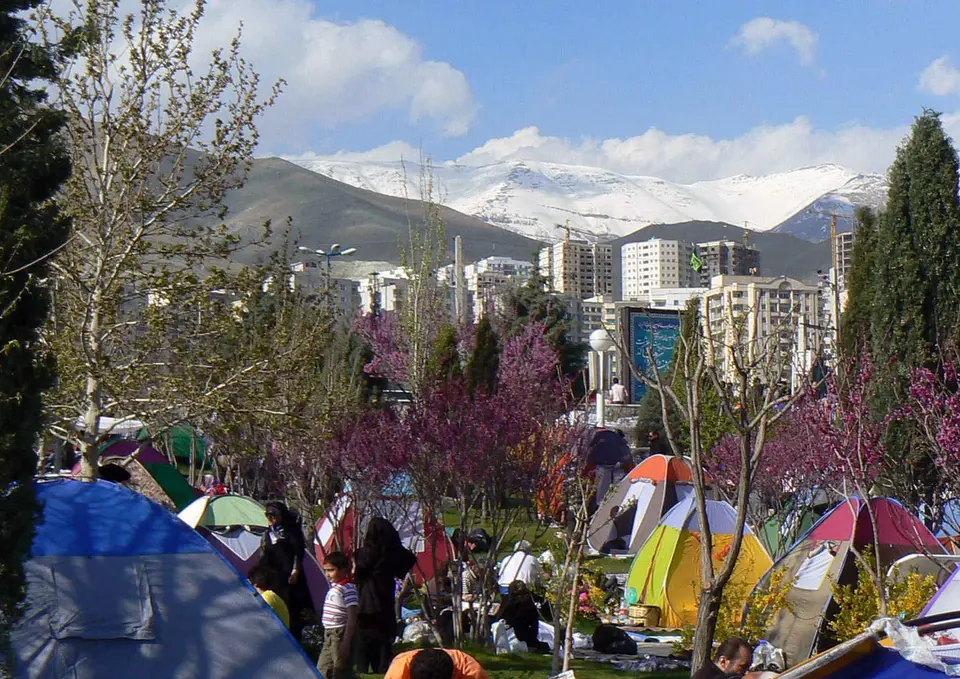
On the thirteenth day of the Iranian New Year, the whole country heads outdoors. Families picnic in parks and fields, and the sprouts grown for the Haft-sin table are thrown into running water, closing the Nowruz holidays.

2. April 2027Berechnet

IranErnte

Golabgiri

گلاب‌گیری

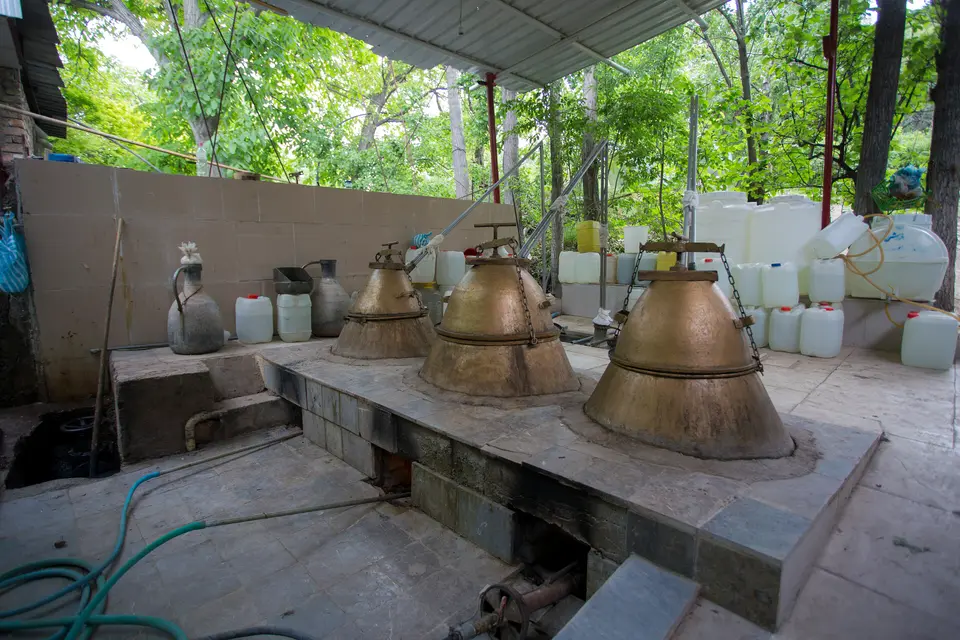
When the Damask roses bloom around Kashan, families pick them before sunrise and distil rosewater in copper stills the old way. Visitors can join the harvest, tour the distilleries and watch the golab being made.

Mai–Juni 2027Ungefährer Zeitraum

IranJahreszeit

Tirgan

جشن تیرگان

An ancient midsummer festival of water and rain. People splash each other with water, dance and recite poetry, share spinach soup and saffron rice pudding, and tie rainbow-coloured bands around their wrists.

4. Juli 2027Berechnet

Quellen dieser Seite

  1. Iran travel adviceUK Foreign, Commonwealth & Development Office · abgerufen am 16. September 2026
  2. Iran travel advice: safety and securityUK Foreign, Commonwealth & Development Office · abgerufen am 16. September 2026
  3. Public holidays in IranWikipedia (English) · abgerufen am 16. September 2026