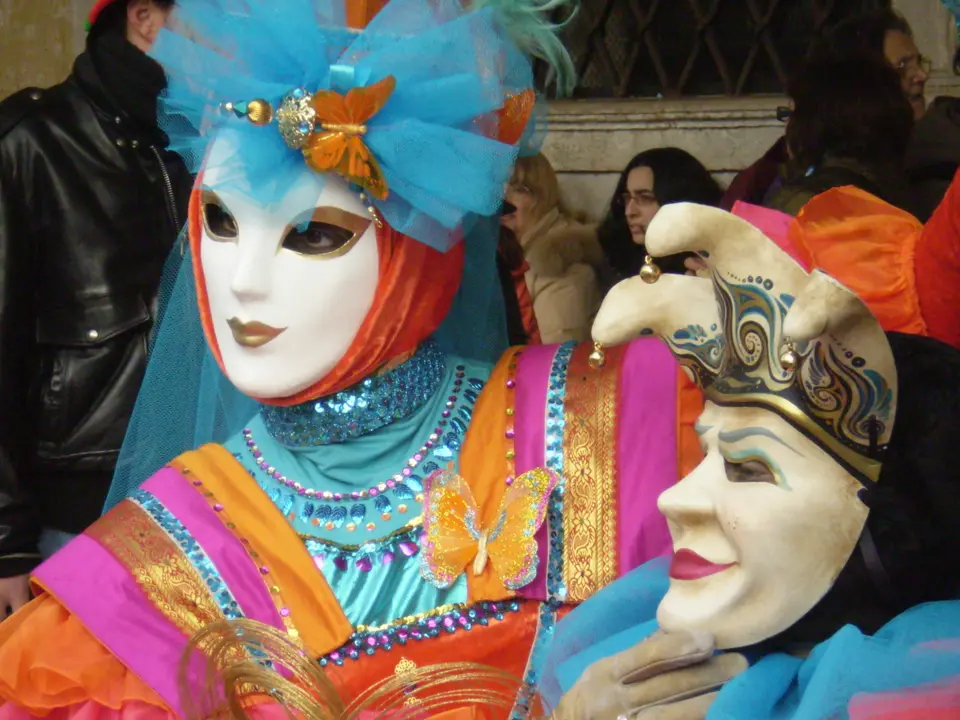
For two and a half weeks before Lent, Venice returns to the masks and costumes that made its carnival famous across Europe — banned for almost two centuries, revived in 1979, and now drawing millions of visitors to the city’s squares and canals.
Masks and the Most Serene Republic
Legend traces the Carnival of Venice to 1162, when the Venetian Republic defeated the Patriarch of Aquileia, Ulrich II, and people gathered to dance in St Mark’s Square. The festival became official in the Renaissance, preserved the image of Venice’s splendour through the Baroque, and was at its most famous in the eighteenth century — a season of licence and pleasure.
Masks were always at its heart. Traditionally they could be worn from St Stephen’s Day, 26 December, until midnight on Shrove Tuesday, as well as on other occasions in the year. One scholar suggests that covering the face was a Venetian answer to one of Europe’s most rigid class systems: during Carnival, the laws on what each class could wear were suspended, and people could dress as they liked. Mask-makers, the mascherari, had their own guild with a statute dated 1436.
Banned and revived
Under the Austrian emperor Francis II the festival was outlawed in 1797, and masks were strictly forbidden. It reappeared only briefly and privately in the nineteenth century. In 1979 the Carnival returned, as part of an effort to revive the history and culture of Venice, and it now draws about three million visitors a year. One of its best-known events is the contest for la maschera più bella, the most beautiful mask, judged by international costume and fashion designers.
The craft
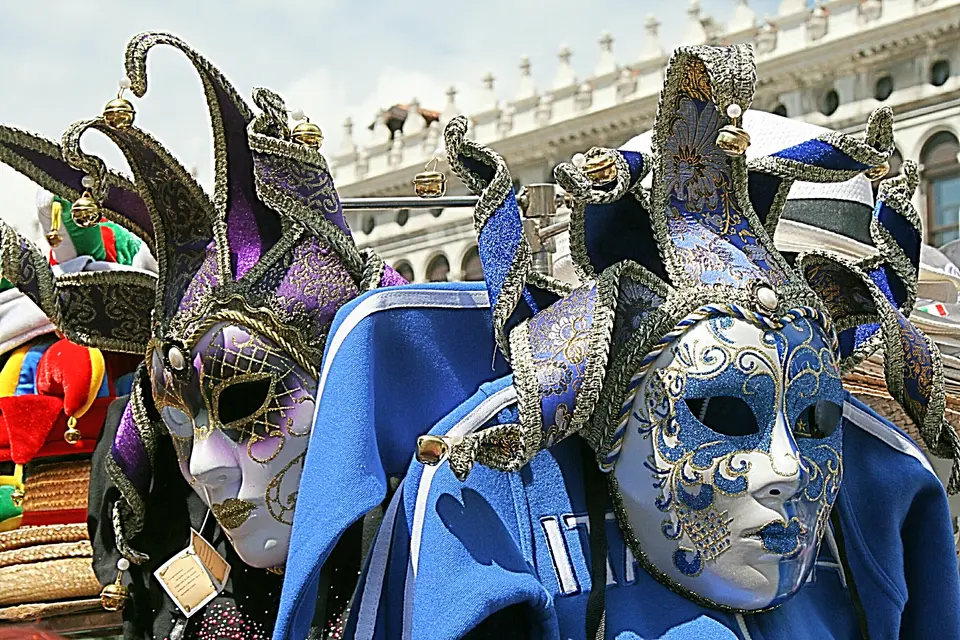
Venetian masks were made of leather, porcelain or glass. Today most are made with gesso and gold leaf, hand-painted and decorated with feathers and gems, which makes them expensive beside mass-produced masks made abroad — a competition that is hastening the decline of the city’s own craft.
When it happens
The Carnival ends on Shrove Tuesday, the day before Ash Wednesday, so its dates move each year with Easter. The official programme for 2027 runs from 23 January to 9 February.
- January 23 – February 9, 2027Officially announced
Visiting with respect
Good to know
- If you want a mask, look for a handmade one from a Venetian workshop; cheap imported masks are undermining a centuries-old local craft.
- Do not sit on monument steps, eat or drink beside the main churches and monuments, or swim in the canals — all can bring fines.
Stay safe
- Pickpocketing and bag-snatching are more common in city centres and at major tourist sights. Keep valuables secure.
- Day visitors to Venice may have to pay an access fee on certain dates. Check the rules before you go.
Sources
This entry was written from the following sources.
- Carnevale di Venezia 2027 — official siteCarnevale di Venezia (official website) · read September 16, 2026
- Carnival of VeniceWikipedia (English) · read September 16, 2026
- Italy travel advice: safety and securityUK Foreign, Commonwealth & Development Office · read September 16, 2026
Related festivals
Palio di Siena
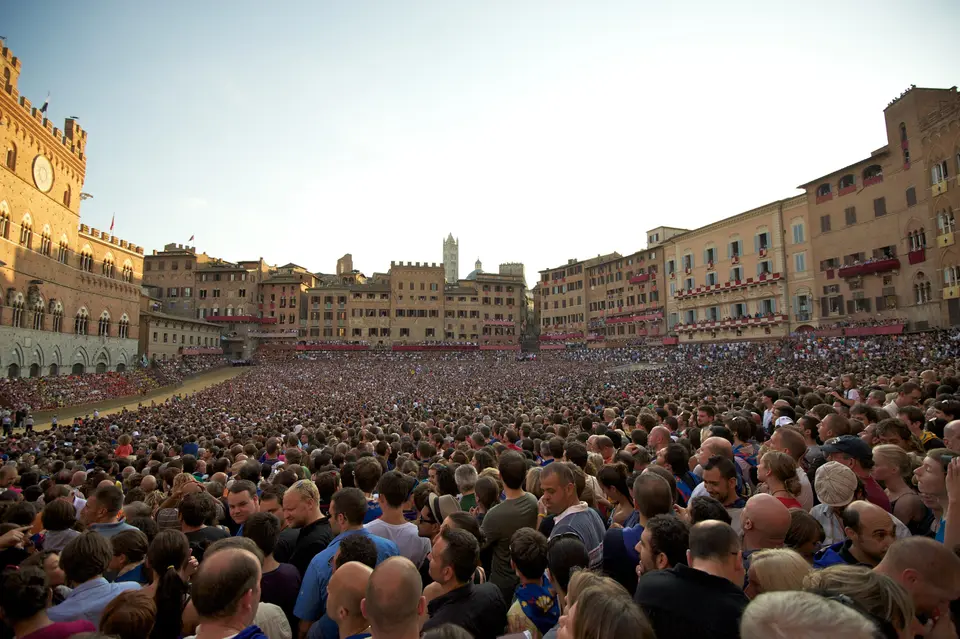
Twice every summer, ten of Siena’s seventeen city wards race horses bareback three times around the Piazza del Campo. The race lasts about ninety seconds; the rivalries, alliances, pageantry and devotion around it last all year.
July 2, 2027Calculated
Las Fallas
Falles
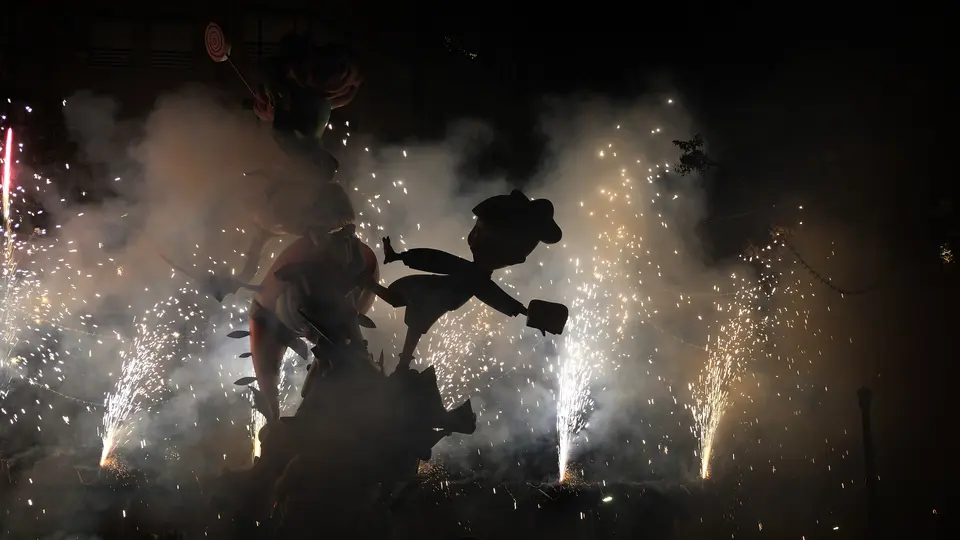
In March, Valencia fills its streets with giant satirical sculptures of cardboard and papier-mâché, shakes to the midday thunder of firecrackers, and then, on the night of 19 March, sets every one of the monuments on fire to welcome the spring.
March 15 – 19, 2027Calculated