Matariki
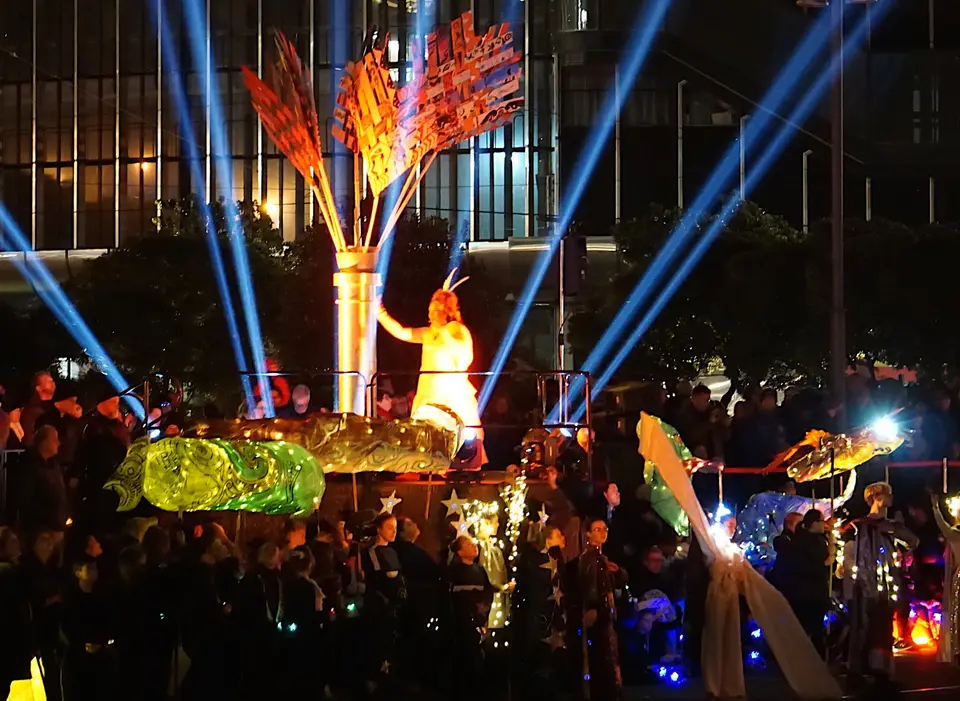
Photo: Kristina D.C. Hoeppner, CC BY-SA 2.0, via Wikimedia Commons
When the star cluster Matariki — the Pleiades — reappears in the pre-dawn sky of midwinter, Māori mark the beginning of a new year by remembering the dead, feeding the stars and looking ahead. Since 2022 it has been a public holiday in New Zealand.
The eyes of the god
Matariki is the Māori name for the Pleiades, the star cluster in Taurus. It is short for Ngā mata o te ariki o Tāwhirimātea, “the eyes of the god Tāwhirimātea”. In Māori tradition Tāwhirimātea, god of the wind and weather, was so enraged when his parents, the sky and the earth, were separated that he tore out his eyes and flung them into the heavens. The cluster is visible from New Zealand for most of the year, but it sets in the west in May and disappears for about a month. Its reappearance just before sunrise in late June or early July begins the first month of the Māori lunar calendar.
Traditions differ between regions and iwi. Some mark the new year by the rising of Puanga, the star Rigel, instead of Matariki, and others use other stars. According to Te Papa, the national museum, all Māori marked the new year by watching the pre-dawn rising of stars in winter.
Viewing, remembering, feeding the stars
The traditional ceremony had three parts. First the stars were viewed, over the three or four nights of Tangaroa to allow for winter weather: if they shone clear and bright, a warm season was expected, and hazy or twinkling stars foretold bad weather. Then the names of everyone who had died since Matariki last rose were recited with laments, and the dead were believed to be cast into the sky to become stars. Finally came whāngai i te hautapu, an offering of food: a small earth oven, a hāngī, was opened so that its steam rose to feed the stars. The ceremony ended at sunrise and was followed by days of song, dance and feasting.
A new holiday
Matariki celebrations had almost disappeared by the early twentieth century; the last traditional ones were recorded in the 1940s. A revival began in the early 1990s, led by iwi and organisations including Te Papa, and today schools, libraries and city councils celebrate with concerts, festivals of light and tree planting — Wellington moved its Guy Fawkes fireworks to a Matariki festival in 2018. Matariki became an official public holiday for the first time on 24 June 2022. Its dates, agreed by the Matariki Advisory Committee, have been published for decades ahead.
When it happens
The Matariki public holiday falls on the Friday closest to the Tangaroa period, the last quarter of the lunar month Pipiri, so its date changes every year. In 2026 it was on Friday 10 July; in 2027 it is on Friday 25 June and in 2028 on Friday 14 July. Events are held over a longer period around it.
- June 25, 2027Officially announced
- July 14, 2028Officially announced
- July 6, 2029Officially announced
- June 21, 2030Officially announced
Sources
This entry was written from the following sources.
- Dates for the Matariki public holidayTe Papa Tongarewa, Museum of New Zealand · read September 17, 2026
- Te Kāhui o Matariki Public Holiday Act 2022, Schedule 1New Zealand Legislation · read September 17, 2026
- Public holidays and anniversary datesEmployment New Zealand · read September 17, 2026
- MatarikiWikipedia · read September 17, 2026
Related festivals
Nowruz
نوروز
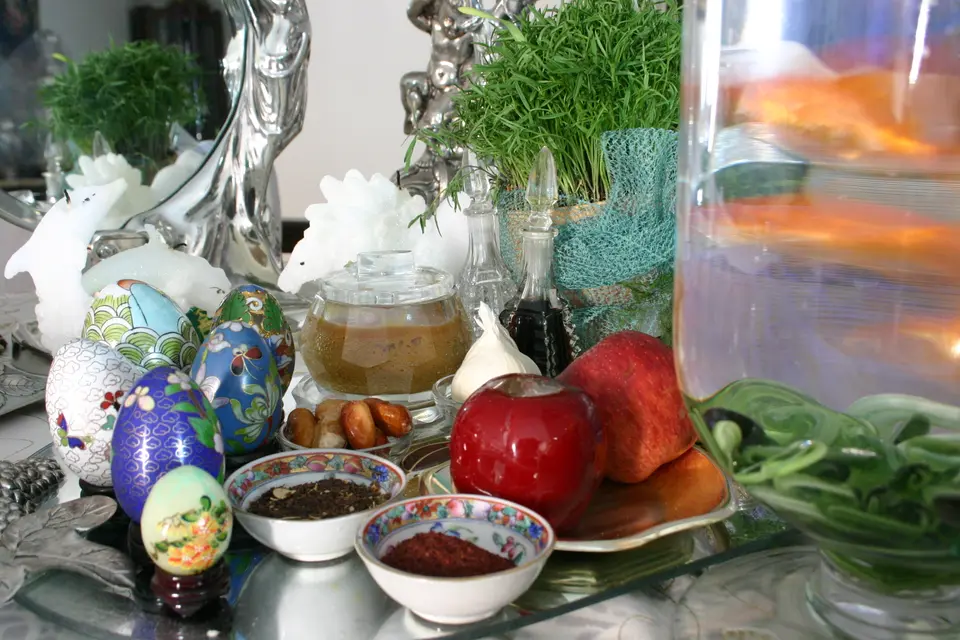
Nowruz, “new day”, is the Iranian New Year. It begins at the March equinox, when families gather around the Haft-sin table to wait for the exact moment the year turns, and opens two weeks of visits, food and time outdoors.
March 21, 2027Calculated
Tết
Tết Nguyên Đán
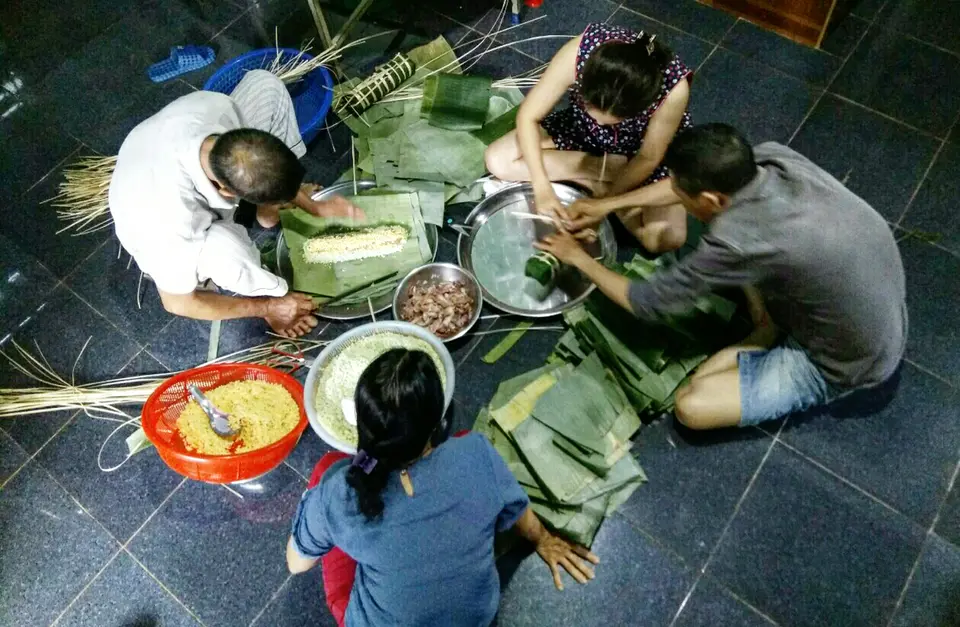
The Vietnamese Lunar New Year is the most important celebration in Vietnam — a time to go home, tend ancestors’ graves, fill the house with peach or yellow ochna blossom, wrap sticky rice cakes, and take care over who crosses the threshold first.
February 6 – 8, 2027Calculated
Seollal
설날
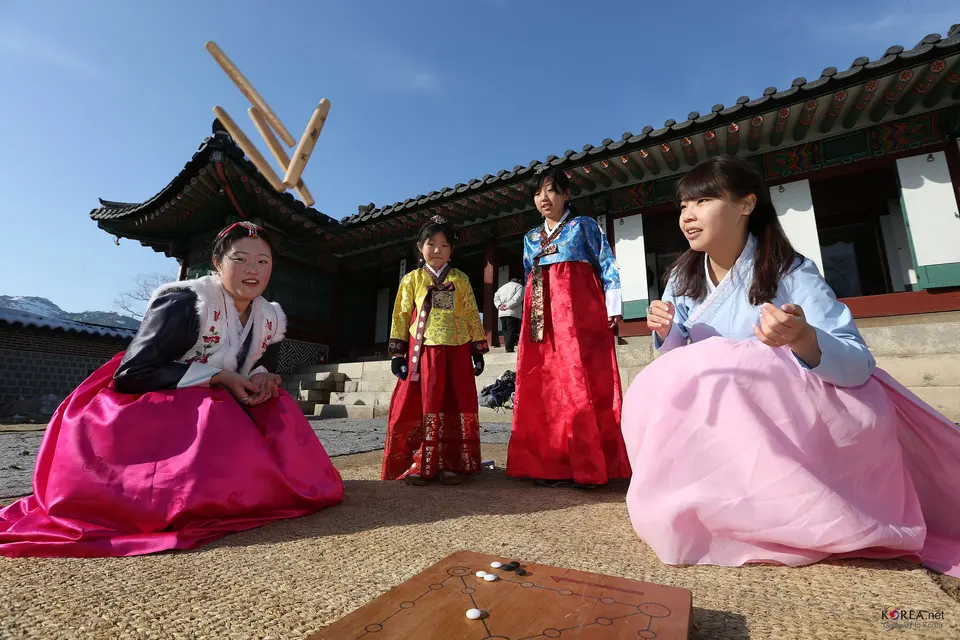
Korean Lunar New Year is a three-day family holiday — tens of millions travel home to perform the ancestral rite, bow deeply to their elders in hanbok, eat a bowl of rice-cake soup and, by old custom, grow a year older.
February 6 – 8, 2027Calculated