Spring Festival (Chinese New Year)
春节
On UNESCO’s list of the Intangible Cultural Heritage of Humanity
Photo: Witcater, CC BY-SA 4.0, via Wikimedia Commons
The first day of the Chinese lunisolar year is the most important holiday in Chinese culture — a season of homecoming, spring couplets on the door, a reunion dinner on New Year’s Eve and visits to relatives, which sets off one of the largest annual migrations in the world.
Crossing the year
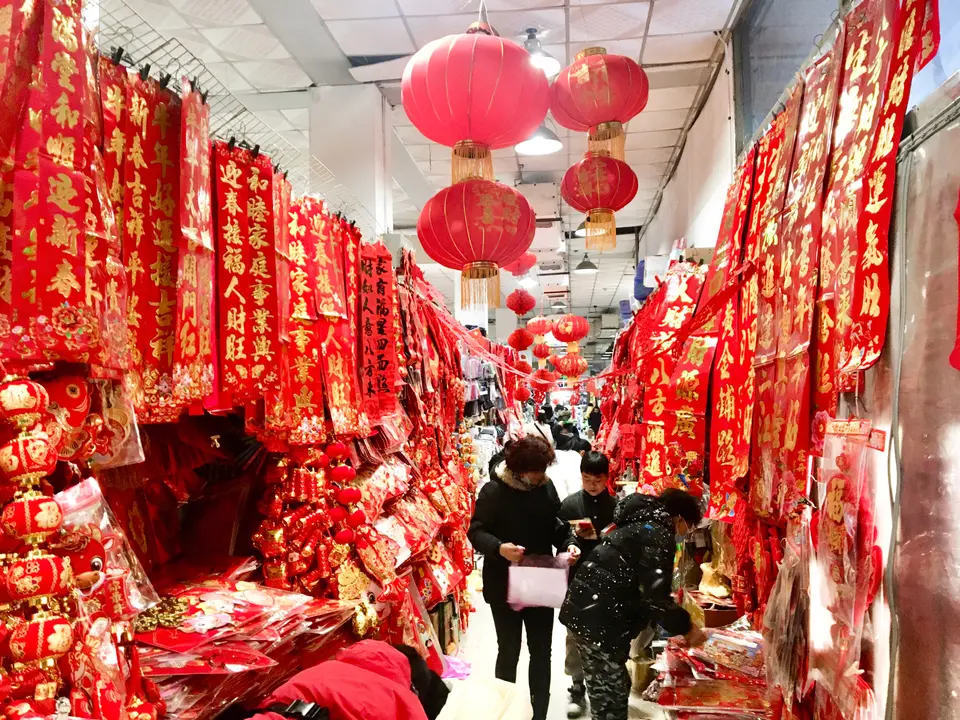
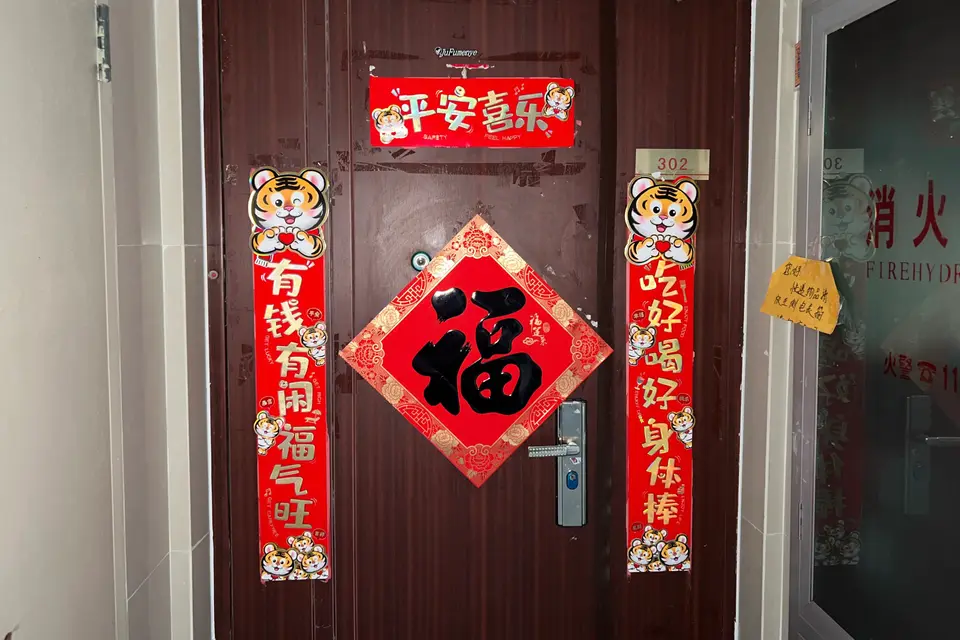
In China the Spring Festival marks the beginning of the new year. UNESCO, which inscribed its social practices on the Representative List in 2024, describes the whole process as guonian, “crossing the year”. In the days before the festival, people clean their homes, stock up on provisions and prepare food; the cleaning is said to sweep away the bad luck of the old year. Doors are decorated with red paper-cuts and couplets wishing for good fortune, happiness, wealth and long life.
The festival is also a time of homecoming. The Spring Festival travel rush, chunyun, usually begins about fifteen days before New Year’s Day and lasts around forty days, as students and workers return to their home towns. It has been called the largest annual human migration in the world.
The eve and the first days
On New Year’s Eve, families sit down together for the reunion dinner, usually at or near the home of the oldest relatives. Many stay up late to see the new year in — a custom called shousui. Firecrackers were traditionally lit to ward off evil spirits.
During the festival, people wear new clothes, make offerings to heaven, earth and their ancestors, and visit elders, relatives, friends and neighbours with New Year greetings. Married couples and elders give red envelopes of money to children. Communities, cultural institutions and troupes stage public festivities, and on the fifteenth day the season ends with the Lantern Festival.
When it happens
The Spring Festival is the first day of the first month of the Chinese calendar, on a new moon between 21 January and 20 February. The eve, the last day of the twelfth month, is the night of the reunion dinner. The festive season lasts until the Lantern Festival on the fifteenth day.
- February 5 – 6, 2027Calculated
- January 25 – 26, 2028Calculated
- February 12 – 13, 2029Calculated
- February 2 – 3, 2030Calculated
Visiting with respect
Good to know
- Red envelopes of money are given by married people and elders to children and unmarried younger relatives. New notes are customary; amounts with the number four are avoided, because it sounds like the word for death.
- When visiting a family, bring a small gift such as fruit, cakes or sweets, wrapped in red or gold.
Avoid
- Sweeping, swearing and breaking dishes are traditionally avoided on the first day, and many people do not cut their hair at New Year.
Stay safe
- Trains, planes and roads are extremely busy in the weeks around the festival. Book transport as early as you can.
- Some cities restrict fireworks and firecrackers in certain areas. Follow local rules.
Food and drink
Jiaozi
Dumplings, made in northern China on New Year’s Eve and eaten at midnight; their shape recalls old silver ingots.
Niangao
A cake of glutinous rice flour, made in the south and given to relatives and friends. Its name sounds like “higher year by year”.
Fish
Served at the reunion dinner but not finished, because “may there be surplus every year” sounds the same as “may there be fish every year”.
Sources
This entry was written from the following sources.
- Spring festival, social practices of the Chinese people in celebration of traditional new yearUNESCO Intangible Cultural Heritage · read September 16, 2026
- Chinese New YearWikipedia · read September 16, 2026
- ChunyunWikipedia · read September 16, 2026
- Gregorian-Lunar Calendar Conversion TablesHong Kong Observatory · read September 16, 2026
- China travel advice: safety and securityUK Foreign, Commonwealth & Development Office · read September 16, 2026
Related festivals
Lantern Festival
元宵节
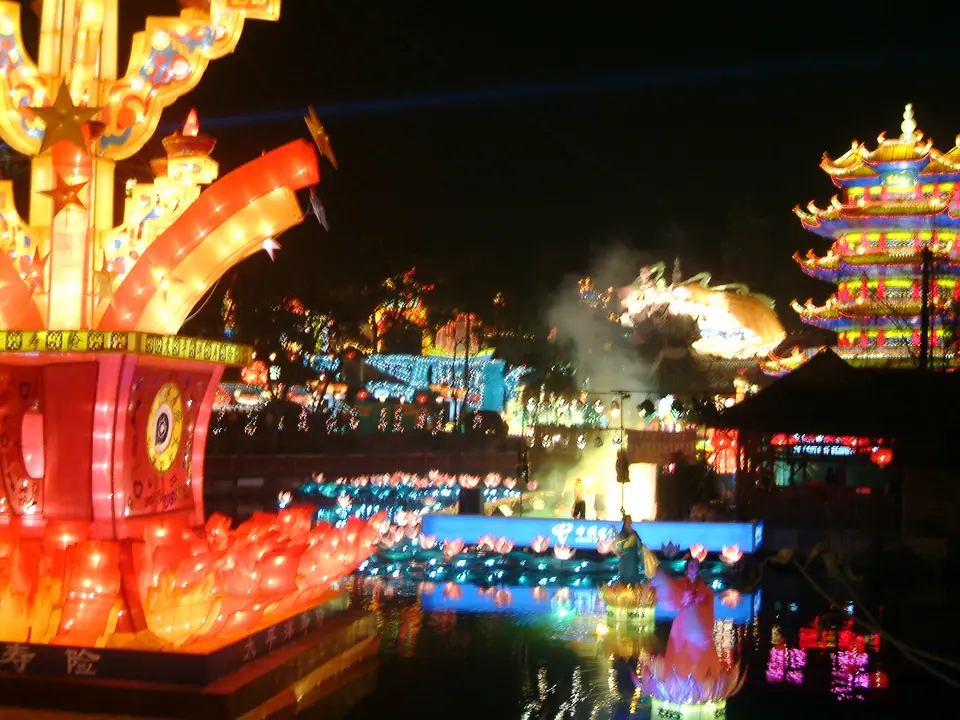
On the first full moon of the Chinese year, the New Year season ends in light — lantern riddles, sweet rice balls, and great lantern fairs such as those at Nanjing’s Confucius Temple and in Zigong, Sichuan, which run from the Spring Festival to this night.
February 20, 2027Calculated
Nowruz
نوروز
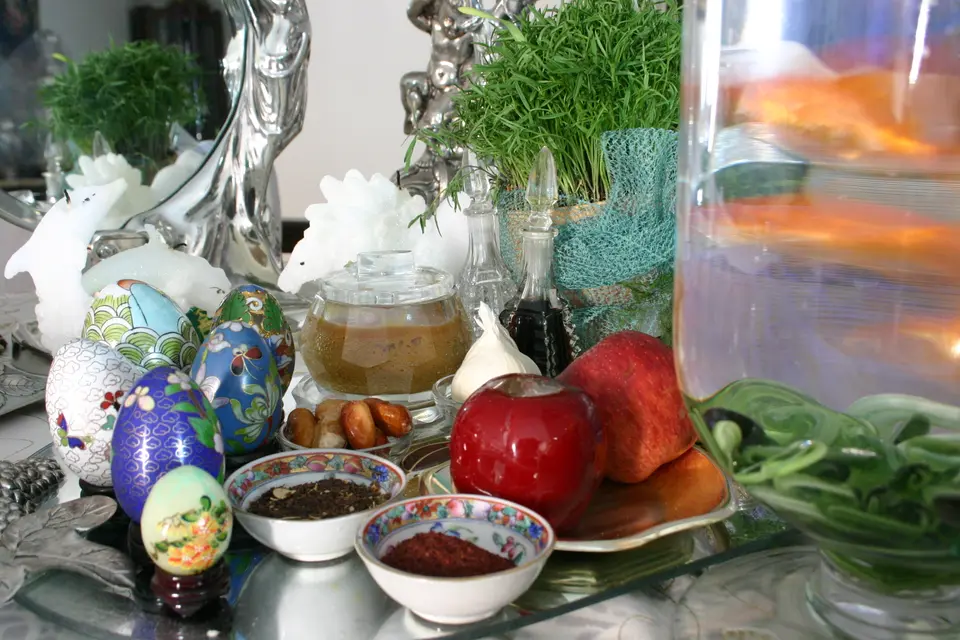
Nowruz, “new day”, is the Iranian New Year. It begins at the March equinox, when families gather around the Haft-sin table to wait for the exact moment the year turns, and opens two weeks of visits, food and time outdoors.
March 21, 2027Calculated
Yennayer
Id n Yennayer
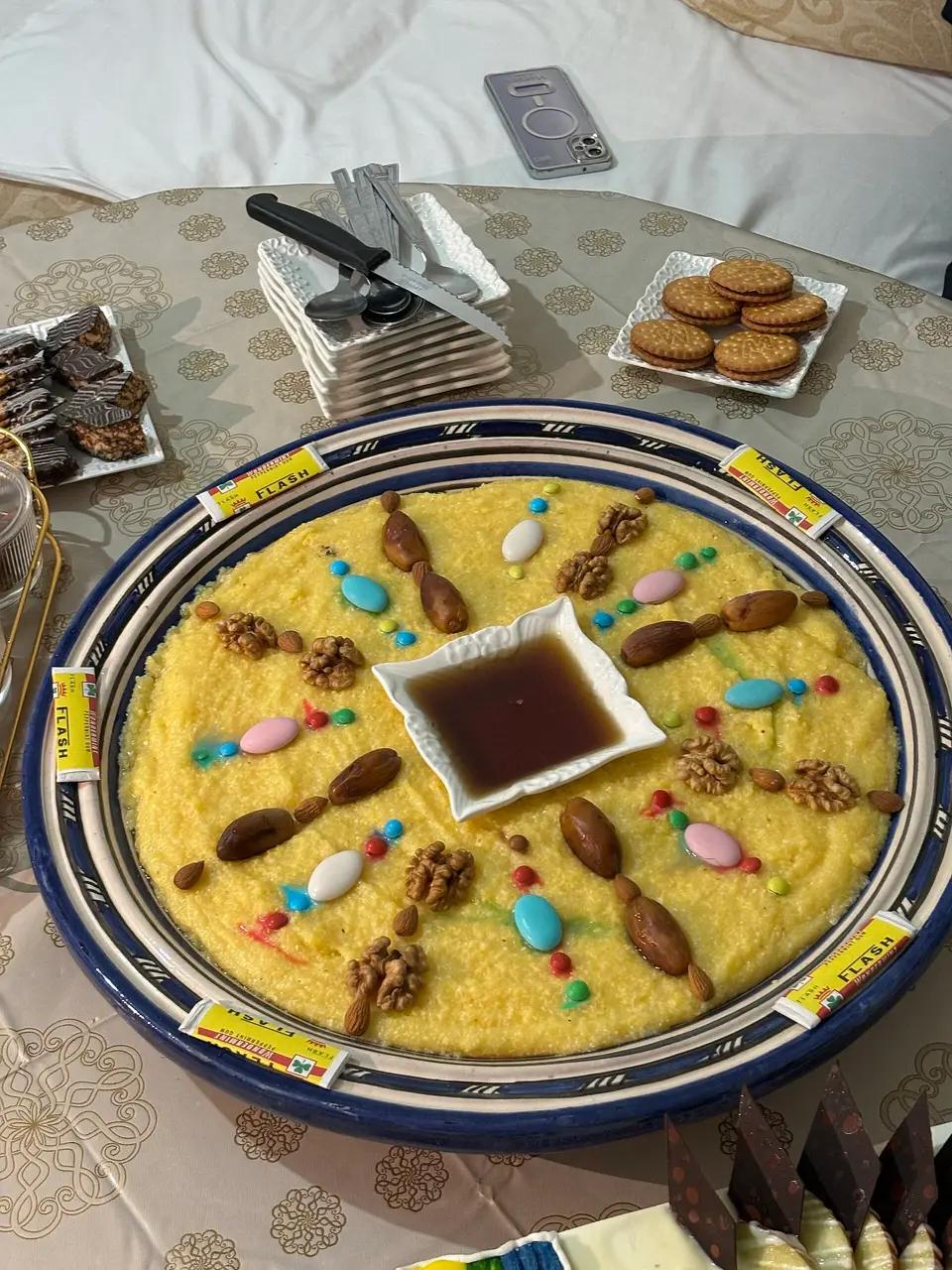
The Amazigh new year, a national holiday in Morocco on 14 January. Families mark it with a special meal — in the Sous, a barley porridge called tagoula with smen and argan oil — and wishes for a year of plenty.
January 14, 2027Officially announced
Songkran
สงกรานต์
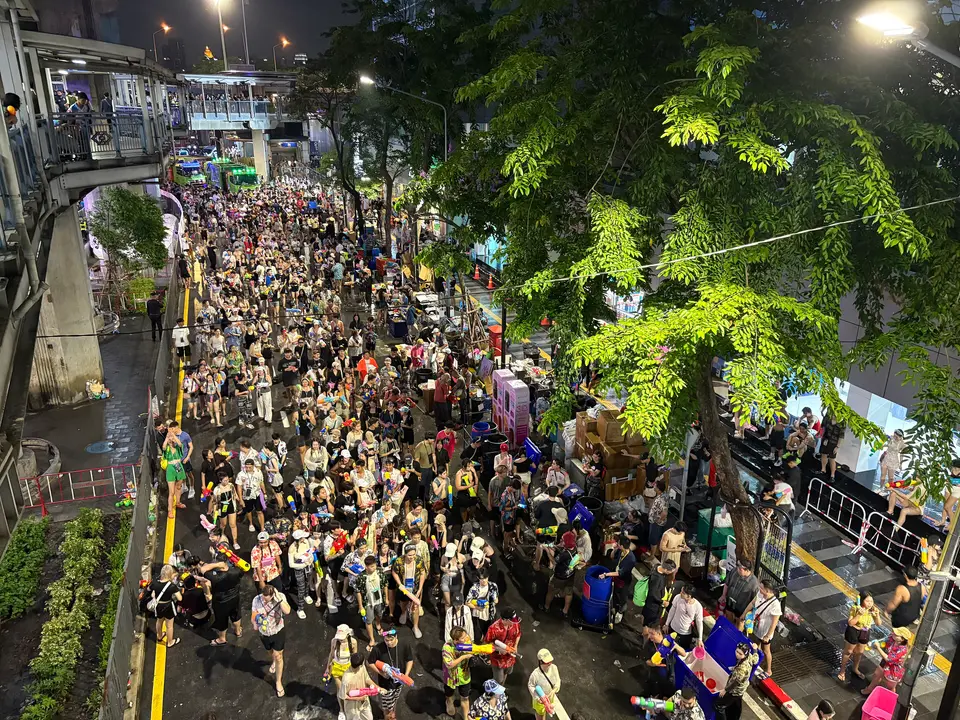
The traditional Thai New Year falls in mid-April, in the hottest weeks of the year. Families gather, pour water over the hands of their elders and over Buddha images — and in the streets, the gentle blessing becomes a nationwide water fight.
April 13 – 15, 2027Calculated