フィリピン

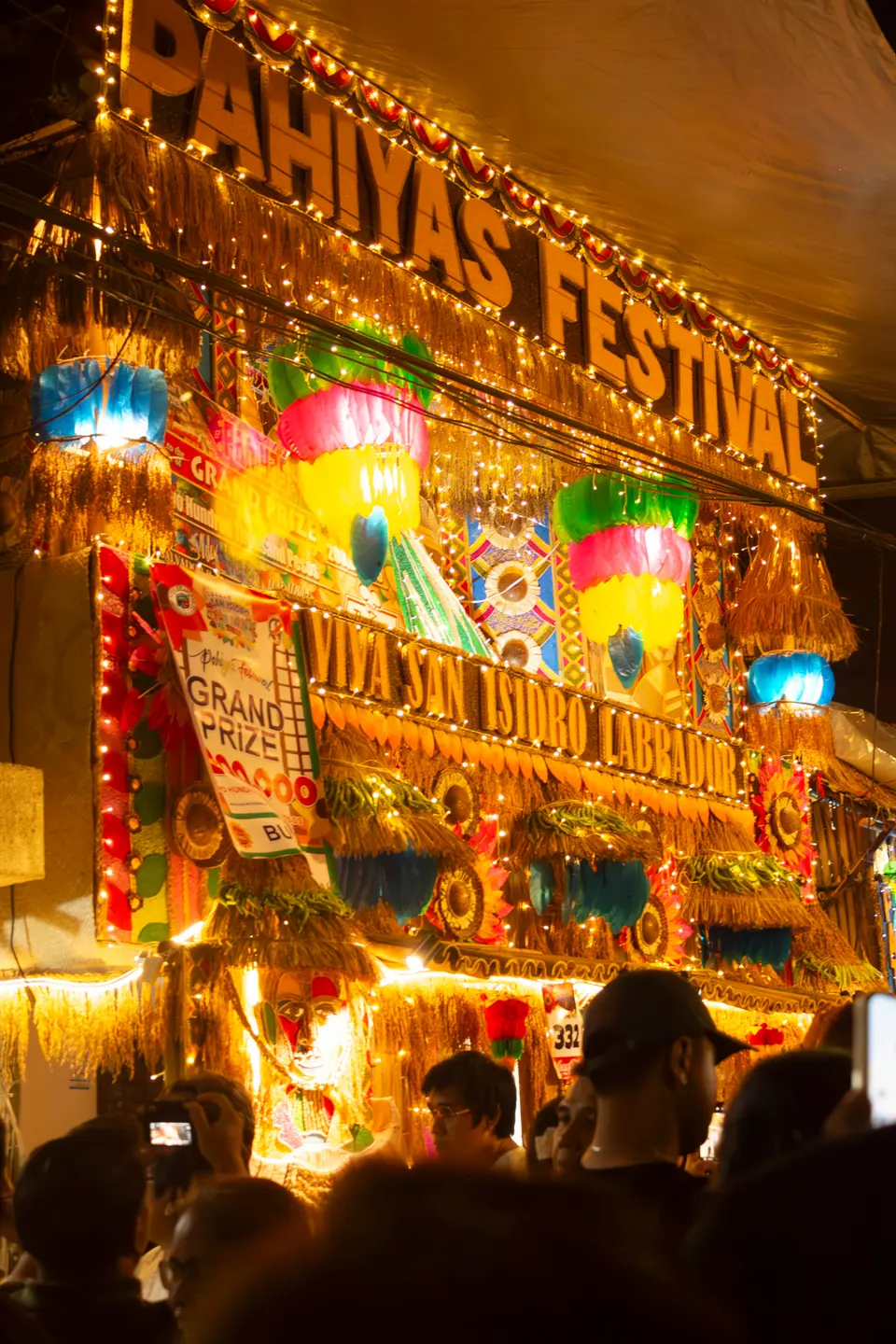
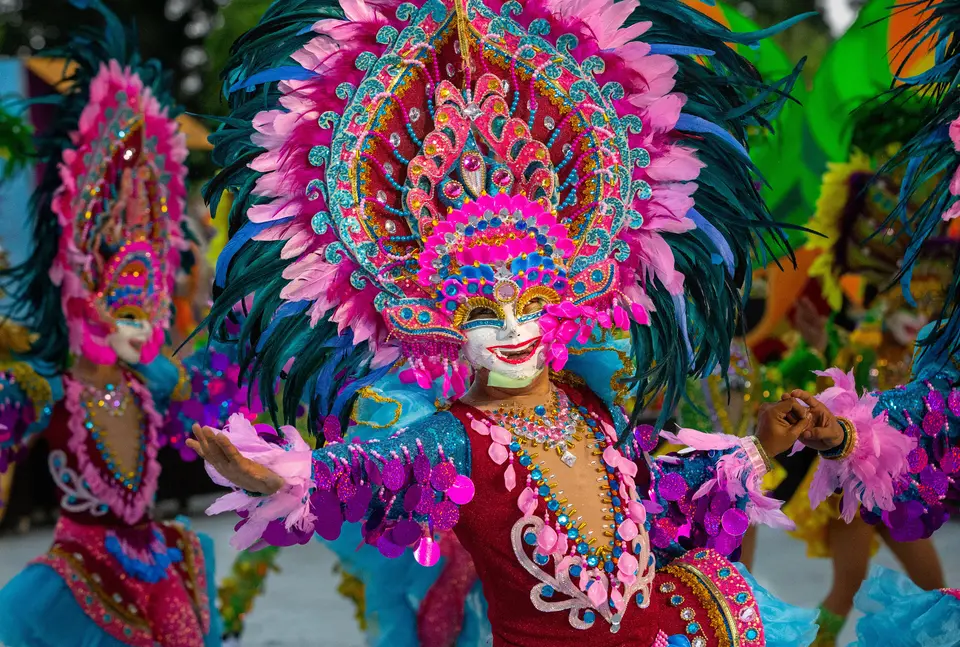
フィリピンの祭りは街路にあふれます。セブとカリボではサント・ニーニョのために踊り、ルクバンでは米の薄焼きで家を飾り、バコロドでは笑う面が町を行きます。

写真:Idolwanderer、CC0、ウィキメディア・コモンズより

この国の大きな祭りの多くは、1521年にセブへもたらされた幼子イエスの像サント・ニーニョをたたえ、カトリックの信心を街路の踊り、太鼓、手の込んだ衣装と結びつけます。セブのシヌログとカリボのアティ・アティハンは、どちらも一月の第三日曜日にあたります。

ほかには収穫や町の心意気を祝う祭りもあります。ルクバンのパヒヤスは、農民の守護聖人である労働者聖イシドロの祝日に、実りで家々を飾ります。バコロドのマスカラ祭は、苦しい時期の町を励ますために1980年につくられました。

フィリピンの祭り

フィリピン芸能

MassKara Festival

MassKara

Born in 1980 in a year of tragedy and a sugar-price crash, Bacolod’s “festival of smiles” fills the streets each October with dancers in grinning masks and feathered costumes, glowing Electric MassKara floats and a city determined to smile through hard times.

2026年10月18日推定
フィリピン宗教

Ati-Atihan

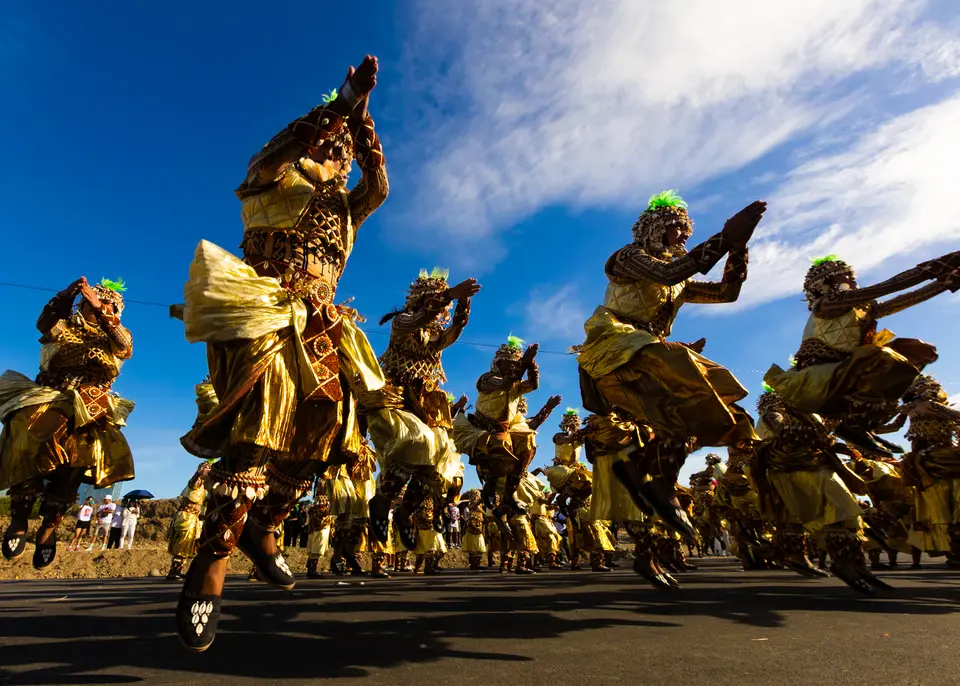
Kalibo on Panay honours the Santo Niño with the festival often called the mother of all Philippine festivals — drumbeats, the dragging sadsad dance step, body paint and towering tribal-style costumes filling the streets for several days in January.

2027年1月17日算出

フィリピン宗教

Sinulog

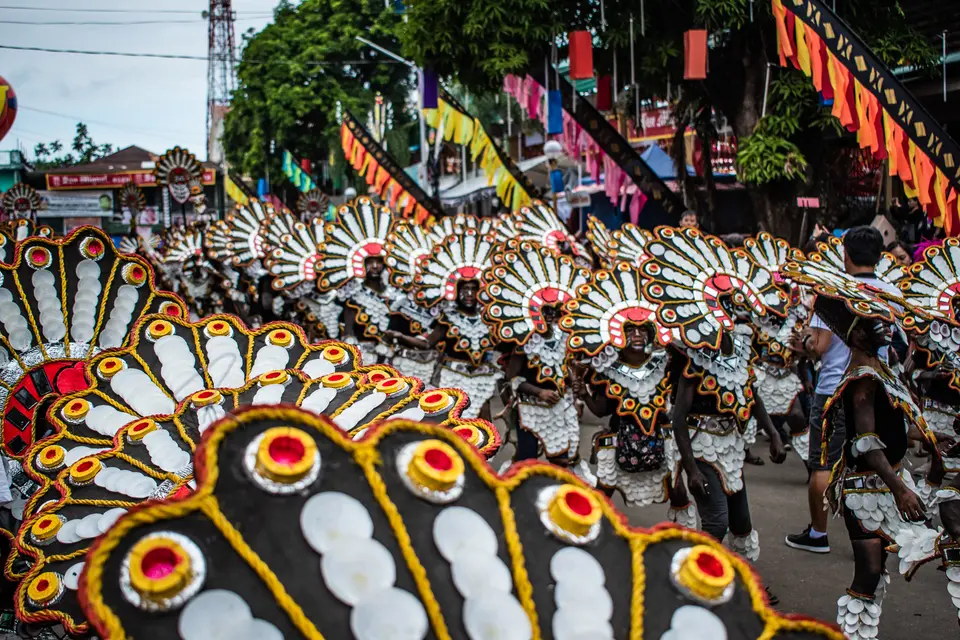
On the third Sunday of January, millions crowd Cebu City for the Philippines’ grandest festival — a prayer dance for the Santo Niño, the Holy Child, whose image Magellan’s expedition brought to Cebu in 1521, performed by street-dance contingents in dazzling costumes.

2027年1月17日算出

フィリピン収穫

Pahiyas Festival

Pahiyas

Every 15 May the farming town of Lucban honours St Isidore the Labourer by dressing its houses in the harvest — fruit, vegetables, handicrafts and kiping, leaf-shaped rice wafers in every colour that can later be grilled or fried and eaten.

2027年5月15日算出

このページの出典

  1. Philippines travel advice: safety and securityUK Foreign, Commonwealth & Development Office · 2026年9月17日 閲覧