Tihar
तिहार
Photo: Original: Mithun Kunwar Derivative work: Radomianin, CC BY-SA 4.0, via Wikimedia Commons
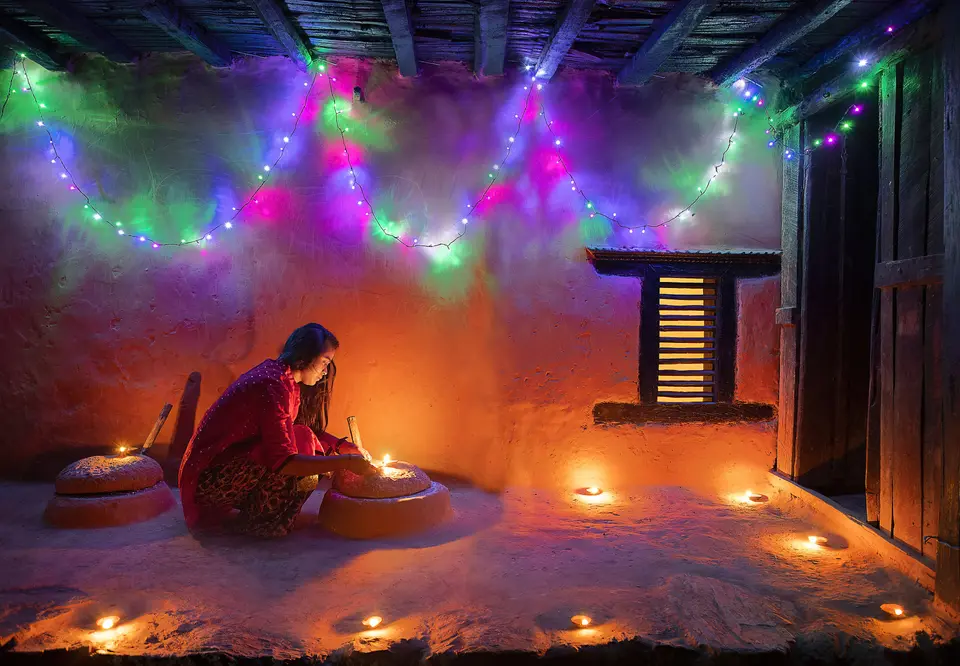
Five days in which Nepal lights its doorways and honours, in turn, the crow, the dog, the cow, the ox and the brother. Oil lamps stand along the window ledges, coloured patterns are laid on the floor at the threshold, and children go from house to house singing for sweets and coins.
Five days, five guests
Tihar is Nepal's festival of lights, and each of its five days is given to someone else.
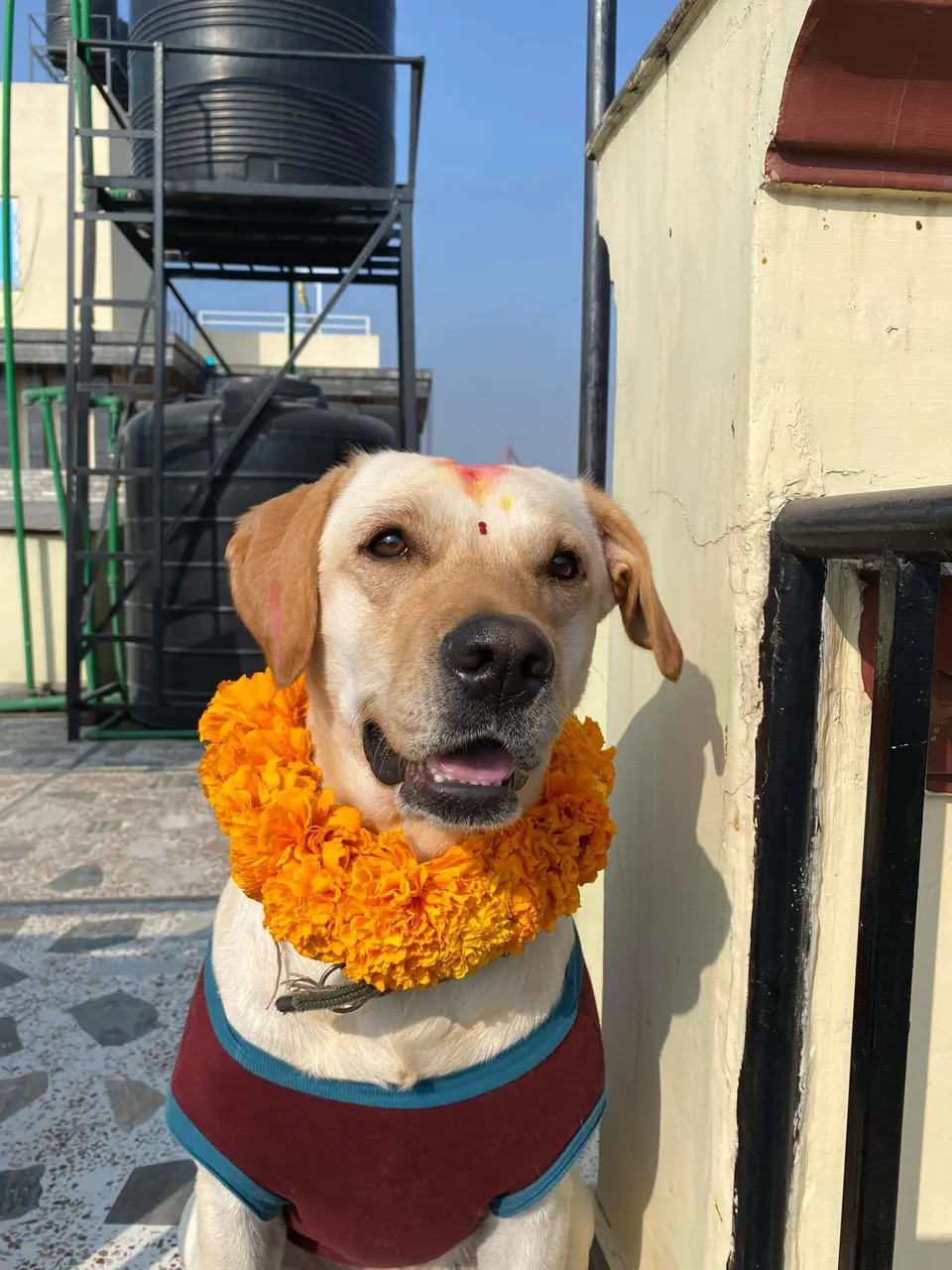
The first, Kaag Tihar, is for the crow: grain and sweets are put out on the roof or the wall for the birds that are held to be the messengers of Yama, the god of death. The second, Kukur Tihar, is for the dog. Every dog in the country — house dogs, working dogs, the dogs that live in the street — is given food, a red tika on the forehead and a garland of marigolds. The third belongs to the cow in the morning and to Lakshmi in the evening: the house is cleaned, a path of lamps and coloured patterns is laid from the doorway inward, and the goddess of wealth is invited in, since it is said she will not enter a dark house. The fourth is for the ox, and among the Newars it is Mha Puja, the worship of the self, when each member of the household is given a mandala of their own and the Nepal Sambat year begins.
The fifth is Bhai Tika. Sisters mark their brothers with tika of several colours, give them a garland of globe amaranth, which keeps its colour long after it is cut, and ask Yama to hold death back from them; the brothers give gifts in return. It is kept whatever the ages of the two.
Lamps, patterns and songs
Through all five evenings the houses carry rows of diyo, small oil lamps, on the window ledges and along the parapets, with electric strings among them now. On the floor at the threshold people lay rangoli — patterns in coloured rice, flour, sand or petals. And in the evenings groups of children and young people go from house to house singing Bhailo and Deusi, standing in the yard until they are given sweets, sel roti or a few rupees.
When it happens
Tihar is set by the lunar calendar and falls about a fortnight and a half after Dashain. In 2026 the public holidays are Laxmi Puja on Sunday 8 November, Gobardhan Puja and Mha Puja on Tuesday 10 November, and Bhai Tika on Wednesday 11 November; the crow and the dog are honoured on the two days before Laxmi Puja.
When it happens
Tihar runs five days, from the thirteenth day of the waning moon of Kartik to the second day of the waxing moon, so it falls in October or November, about two and a half weeks after Dashain. In 2026 Laxmi Puja is Sunday 8 November, Mha Puja Tuesday 10 November and Bhai Tika Wednesday 11 November.
- November 8 – 11, 2026Officially announced
Visiting with respect
Good to know
- The lamps and the patterns at the threshold are an invitation to Lakshmi, not decoration. Walk around them, not over them.
- If Deusi or Bhailo singers come to the house you are staying in, give something small. That is the whole exchange.
- On Kukur Tihar the dogs in the street are wearing garlands and tika. They are being honoured; let them be.
Avoid
- Do not step on the rangoli laid at a doorway, and do not blow out a lamp left burning.
- Do not join a family's Bhai Tika unless you have been asked. It is a rite between siblings.
Stay safe
- Fireworks are set off in the streets during the five days, often by children and at short range.
- Watch out for pickpockets in the crowded bazaars in the days before the festival.
- Roads are busy and many people travel. Avoid night journeys and overcrowded buses.
Sources
This entry was written from the following sources.
- Tihar (festival)Wikipedia · read September 24, 2026
- Nepali public holidays 2083 BSHamro Patro · read September 24, 2026
- Nepal travel advice: safety and securityUK Foreign, Commonwealth & Development Office · read September 24, 2026
Related festivals
Diwali
दीपावली
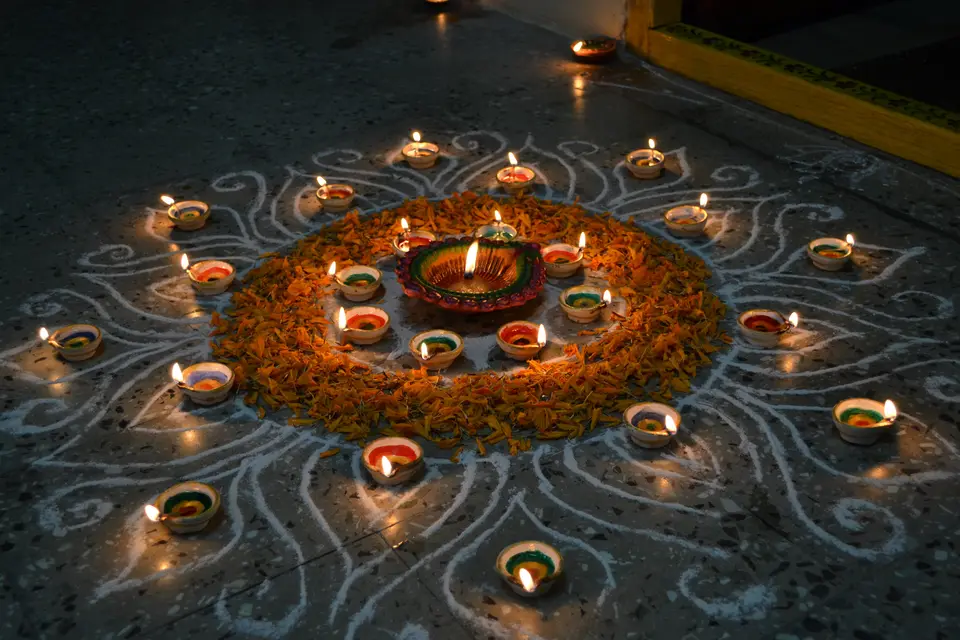
The festival of lights. Over five days around the new moon of autumn, homes, temples and streets glow with oil lamps and lanterns, doorsteps bloom with rangoli, families share sweets and gifts, and the darkest night of the month becomes the brightest of the year.
November 8, 2026Officially announced
Loy Krathong
ลอยกระทง
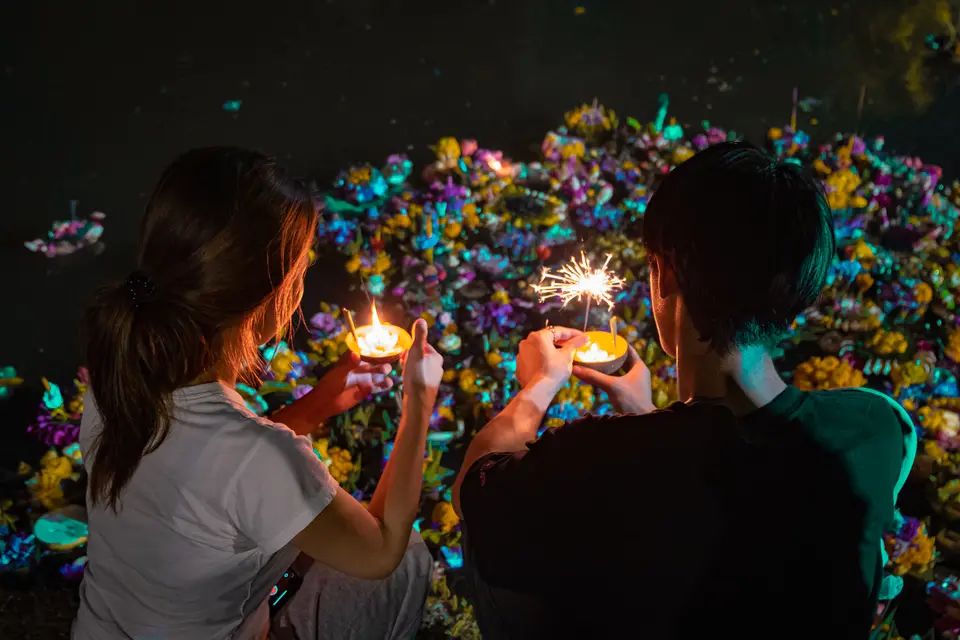
On the full-moon night of the twelfth Thai month, people float small decorated baskets bearing a candle, incense and a wish on rivers, canals and ponds across Thailand. In Chiang Mai the night coincides with Yi Peng, when sky lanterns drift up into the dark.
November 25, 2026Estimated
Festival of Lights
Fête des Lumières
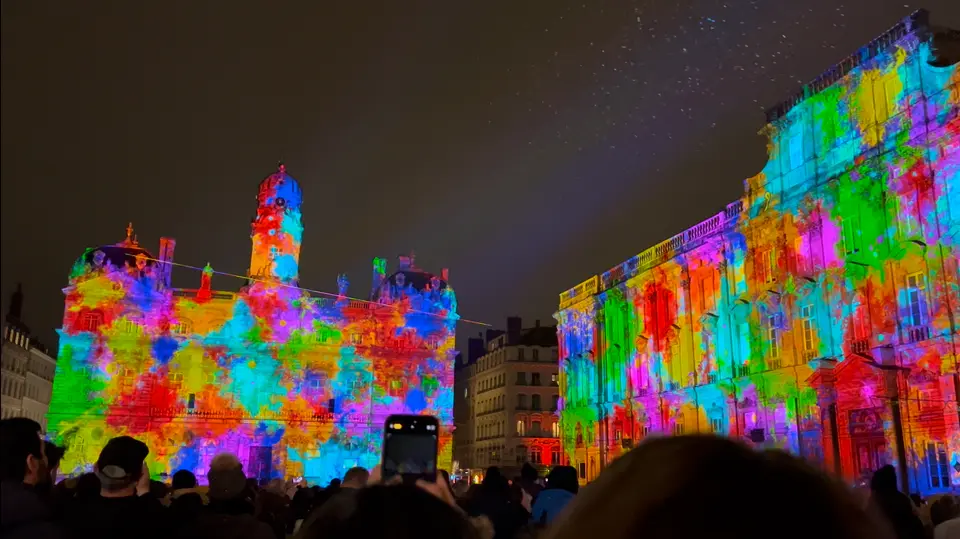
For four evenings in December, Lyon hands its squares, façades, parks and river banks to light artists, and the people of the city still set small coloured candles on their window sills — a gesture first made on 8 December 1852. Everything is free, and more than two million people come.
December 5 – 8, 2026Officially announced
Comments
Have you been there? Tell other readers what to expect.
No comments yet.
Comments are read by the site’s owner before they appear.