لم تُترجم هذه الصفحة إلى العربية بعد، ويُعرض نصها الأصلي بالإنجليزية.

Mount Hagen Cultural Show
الصورة: Yves Picq، CC BY-SA 3.0، عبر ويكيميديا كومنز
In 1961, before independence, someone had the idea of getting highland groups who had been fighting to come and dance at each other instead. Sixty-odd years later more than eighty sing-sing groups fill a park in Mount Hagen with feathers, shell and ochre for three days in August.
A show instead of a fight
Mount Hagen is the third-largest city in Papua New Guinea, capital of Western Highlands Province, 46,250 people at 1,677 metres. It is named after a volcano twenty-four kilometres to the north-west, which was itself named after Curt von Hagen, a German colonial officer who lived from 1859 to 1897.
The show was first staged in 1961, fourteen years before independence, and the point of it was unity: to bring together tribes from across the highlands who had reason not to be in the same field. It is now one of the largest cultural events in the country, and groups come from well beyond the highlands — regional, provincial and national.
Sing-sing
The form is the sing-sing: a group performs its own dance, in its own dress, together. More than eighty groups take part across the three days. What that means in practice is feathers — bird of paradise, cassowary, parrot — built into headdresses, shell ornaments at the nose and chest, ochre and charcoal and pigment on the face and body, drums, and a great deal of noise made deliberately. Each group is showing what it is, next to everyone else showing what they are, which is the whole idea.
It happens at Queen's Park in the middle of Mount Hagen city. The National Cultural Commission and the tourism authority publish the dates; they have fallen over the third Saturday in August in each recent year.
The other one
Papua New Guinea's other great show is at Goroka, in the Eastern Highlands, in September. The two are often done as a pair by people who have come a long way, and between them they are how most outsiders ever see a sing-sing.
متى يُقام
Three days in mid-August, Friday to Sunday, around the third Saturday. The dates are announced each year — 17–18 August in 2024, 15–17 August in 2025, 14–16 August in 2026.
- 20–22 أغسطس 2027تقديري
- 18–20 أغسطس 2028تقديري
- 17–19 أغسطس 2029تقديري
- 16–18 أغسطس 2030تقديري
زيارة باحترام
من المفيد أن تعرف
- Performers are used to cameras and the show exists partly to be photographed, but the groups have spent hours on the paint and the feathers. Ask before taking a close portrait.


المصادر
كُتب هذا المدخل استنادًا إلى المصادر التالية.
- Hagen ShowPapua New Guinea Tourism Promotion Authority · اطُّلع عليه في 26 سبتمبر 2026
- Mount HagenWikipedia · اطُّلع عليه في 26 سبتمبر 2026
مهرجانات ذات صلة
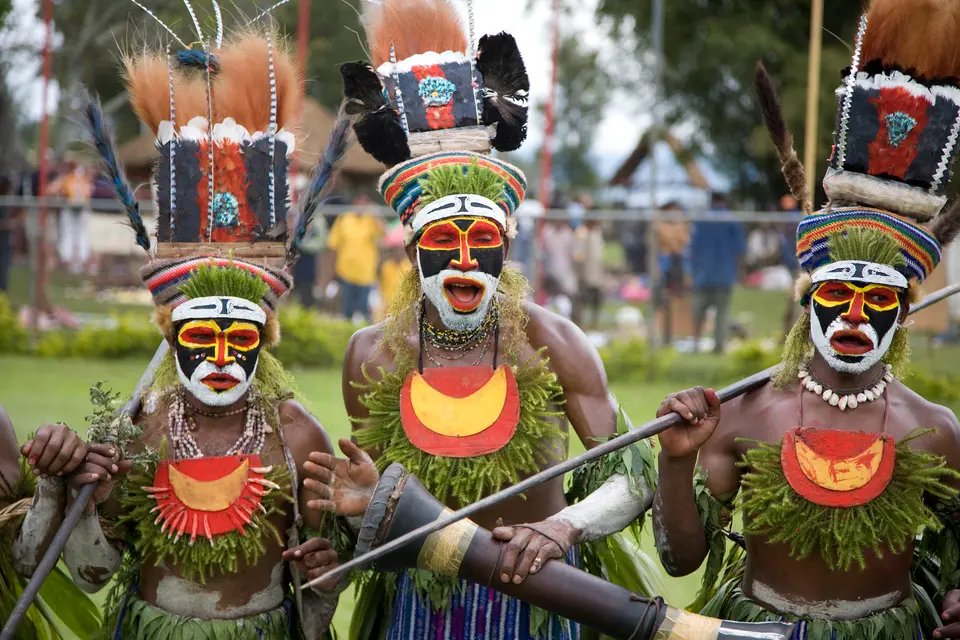
عرض غوروكا
Goroka Show
قرب يوم الاستقلال تجتمع نحو مئة قبيلة من أنحاء بابوا غينيا الجديدة في غوروكا لأكبر «سينغ-سينغ» في البلاد، بوجوه مزيّنة بالألوان وموسيقى ورقص — ومعها رجال الطين الأشباح من وادي أسارو بأقنعتهم الطينية.
16 سبتمبر 2027تقديري
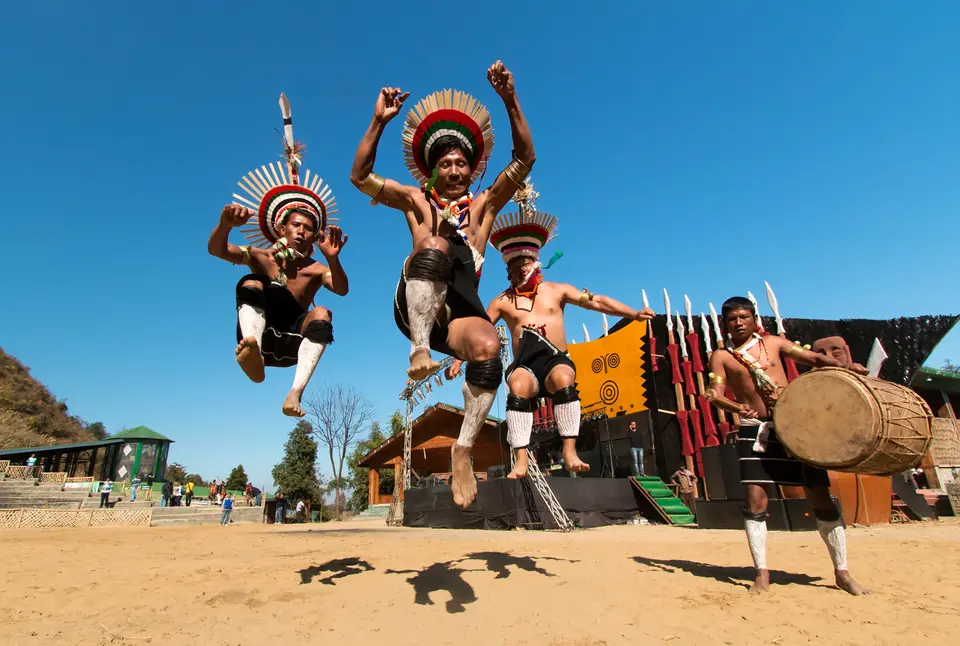
مهرجان أبو قرن
Hornbill Festival
في الأيام العشرة الأولى من كانون الأول تجتمع قبائل ناغالاند في قرية تراثية بين التلال قرب كوهيما لتتقاسم أغانيها ورقصاتها وحرفها وألعابها وطعامها — إنّه «مهرجان المهرجانات»، وقد سُمّي باسم طائر الغابة في موروث الناغا.
1–10 ديسمبر 2026محسوب
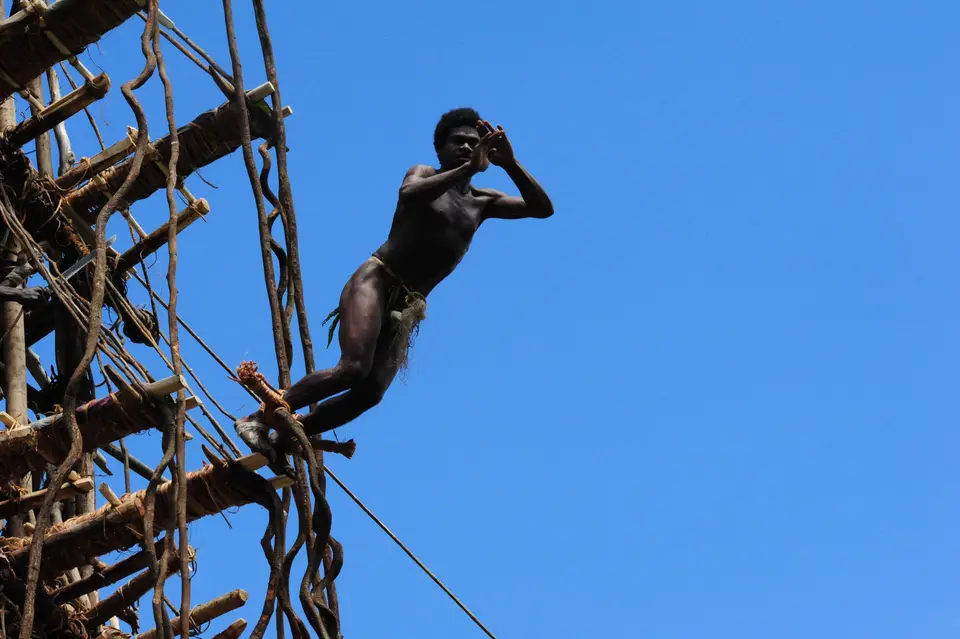
القفز إلى الأرض في جزيرة بنتيكوست
Nanggol
حين يُحصد اليام، يبني رجال جنوب بنتيكوست أبراجًا من خشب قُطع لتوّه وشُدّ بالكروم، ثم يقفز الواحد تلو الآخر من منصّاتها والكروم مربوطة إلى كاحليه، محاولين ملامسة الأرض المحروثة بأكتافهم — وكلّما علا القفز كان الحصاد أوفر.
أبريل – يونيو 2027فترة تقريبية
التعليقات
هل حضرته؟ أخبر القرّاء الآخرين بما ينتظرهم.
لا تعليقات بعد.
يطّلع صاحب الموقع على التعليقات قبل ظهورها.