این صفحه هنوز به فارسی ترجمه نشده است و متن اصلی انگلیسی نمایش داده میشود.

Mount Hagen Cultural Show
عکس: Yves Picq، CC BY-SA 3.0، از ویکیانبار
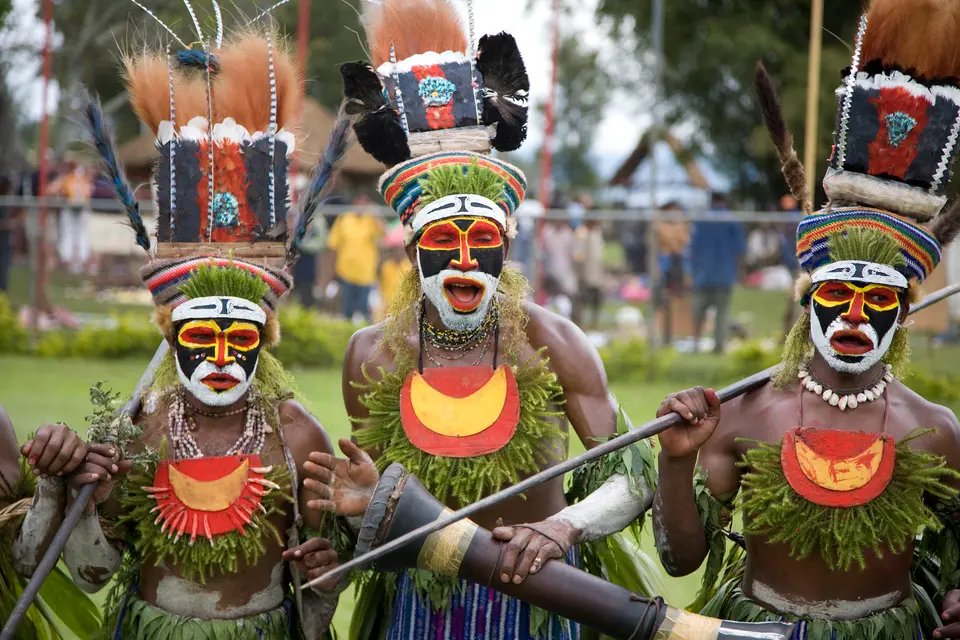
In 1961, before independence, someone had the idea of getting highland groups who had been fighting to come and dance at each other instead. Sixty-odd years later more than eighty sing-sing groups fill a park in Mount Hagen with feathers, shell and ochre for three days in August.
A show instead of a fight
Mount Hagen is the third-largest city in Papua New Guinea, capital of Western Highlands Province, 46,250 people at 1,677 metres. It is named after a volcano twenty-four kilometres to the north-west, which was itself named after Curt von Hagen, a German colonial officer who lived from 1859 to 1897.
The show was first staged in 1961, fourteen years before independence, and the point of it was unity: to bring together tribes from across the highlands who had reason not to be in the same field. It is now one of the largest cultural events in the country, and groups come from well beyond the highlands — regional, provincial and national.
Sing-sing
The form is the sing-sing: a group performs its own dance, in its own dress, together. More than eighty groups take part across the three days. What that means in practice is feathers — bird of paradise, cassowary, parrot — built into headdresses, shell ornaments at the nose and chest, ochre and charcoal and pigment on the face and body, drums, and a great deal of noise made deliberately. Each group is showing what it is, next to everyone else showing what they are, which is the whole idea.
It happens at Queen's Park in the middle of Mount Hagen city. The National Cultural Commission and the tourism authority publish the dates; they have fallen over the third Saturday in August in each recent year.
The other one
Papua New Guinea's other great show is at Goroka, in the Eastern Highlands, in September. The two are often done as a pair by people who have come a long way, and between them they are how most outsiders ever see a sing-sing.
زمان برگزاری
Three days in mid-August, Friday to Sunday, around the third Saturday. The dates are announced each year — 17–18 August in 2024, 15–17 August in 2025, 14–16 August in 2026.
- ۲۰ تا ۲۲ اوت ۲۰۲۷تخمینی
- ۱۸ تا ۲۰ اوت ۲۰۲۸تخمینی
- ۱۷ تا ۱۹ اوت ۲۰۲۹تخمینی
- ۱۶ تا ۱۸ اوت ۲۰۳۰تخمینی
با احترام همراه شوید
خوب است بدانید
- Performers are used to cameras and the show exists partly to be photographed, but the groups have spent hours on the paint and the feathers. Ask before taking a close portrait.


منابع
این مدخل بر پایهٔ منابع زیر نوشته شده است.
- Hagen ShowPapua New Guinea Tourism Promotion Authority · خواندهشده در ۲۶ سپتامبر ۲۰۲۶
- Mount HagenWikipedia · خواندهشده در ۲۶ سپتامبر ۲۰۲۶
جشنهای مرتبط
نمایش گوروکا
Goroka Show
نزدیک روز استقلال، حدود صد قبیله از سراسر پاپوآ گینهٔ نو برای بزرگترین «سینگسینگ» کشور در گوروکا گرد میآیند، با چهرههای رنگشده، موسیقی و رقص ــ و مردان گِلی آسارو با نقابهای رُسی شبحوارشان.
۱۶ سپتامبر ۲۰۲۷تخمینی
جشنوارهٔ نوکشاخ ناگالند
Hornbill Festival
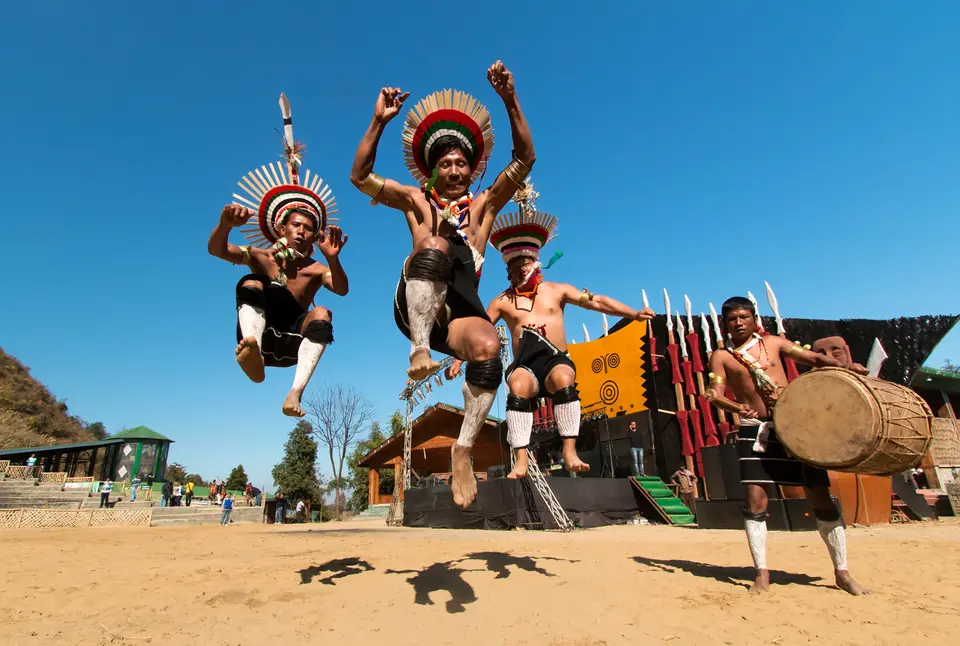
در ده روز نخست دسامبر، قبیلههای ناگالند در روستایی میراثی در تپههای نزدیک کوهیما گرد میآیند تا آوازها، رقصها، صنایعدستی، بازیها و خوراکهایشان را با دیگران قسمت کنند؛ «جشنِ جشنها» که نامش را از پرندهٔ جنگلی افسانههای ناگا گرفته است.
۱ تا ۱۰ دسامبر ۲۰۲۶محاسبهشده
پرش زمینی در جزیرهٔ پنتکاست
Nanggol
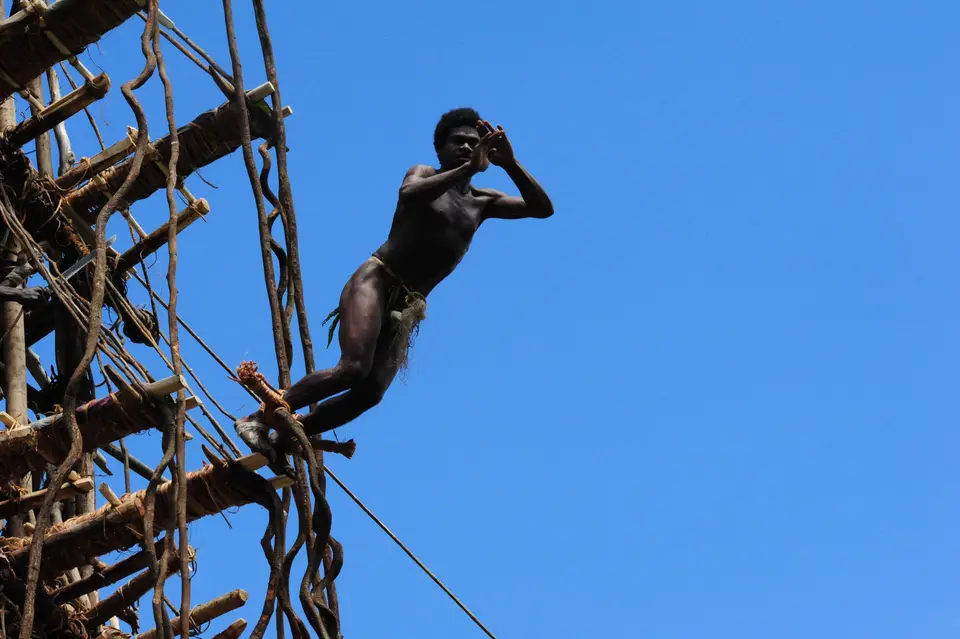
هنگام برداشت یام، مردان جنوب پنتکاست برجهایی از چوب تازهبریده میسازند که با پیچک به هم بسته شده و یکی پس از دیگری با پیچکهایی بسته به مچ پا از سکوها شیرجه میزنند تا شانهشان به خاک نرمشده بساید ــ پرش بلندتر، برداشت بهتر.
آوریل تا ژوئن ۲۰۲۷بازهٔ تقریبی
نظرها
آنجا بودهاید؟ به خوانندگان دیگر بگویید در انتظارشان چیست.
هنوز نظری نیست.
نظرها پیش از نمایش به چشم صاحب سایت میرسند.