Эта страница ещё не переведена на русский; показан оригинальный текст на английском.

Mount Hagen Cultural Show
Фото: Yves Picq, CC BY-SA 3.0, через Викисклад
In 1961, before independence, someone had the idea of getting highland groups who had been fighting to come and dance at each other instead. Sixty-odd years later more than eighty sing-sing groups fill a park in Mount Hagen with feathers, shell and ochre for three days in August.
A show instead of a fight
Mount Hagen is the third-largest city in Papua New Guinea, capital of Western Highlands Province, 46,250 people at 1,677 metres. It is named after a volcano twenty-four kilometres to the north-west, which was itself named after Curt von Hagen, a German colonial officer who lived from 1859 to 1897.
The show was first staged in 1961, fourteen years before independence, and the point of it was unity: to bring together tribes from across the highlands who had reason not to be in the same field. It is now one of the largest cultural events in the country, and groups come from well beyond the highlands — regional, provincial and national.
Sing-sing
The form is the sing-sing: a group performs its own dance, in its own dress, together. More than eighty groups take part across the three days. What that means in practice is feathers — bird of paradise, cassowary, parrot — built into headdresses, shell ornaments at the nose and chest, ochre and charcoal and pigment on the face and body, drums, and a great deal of noise made deliberately. Each group is showing what it is, next to everyone else showing what they are, which is the whole idea.
It happens at Queen's Park in the middle of Mount Hagen city. The National Cultural Commission and the tourism authority publish the dates; they have fallen over the third Saturday in August in each recent year.
The other one
Papua New Guinea's other great show is at Goroka, in the Eastern Highlands, in September. The two are often done as a pair by people who have come a long way, and between them they are how most outsiders ever see a sing-sing.
Когда проходит
Three days in mid-August, Friday to Sunday, around the third Saturday. The dates are announced each year — 17–18 August in 2024, 15–17 August in 2025, 14–16 August in 2026.
- 20–22 августа 2027 г.Ориентировочно
- 18–20 августа 2028 г.Ориентировочно
- 17–19 августа 2029 г.Ориентировочно
- 16–18 августа 2030 г.Ориентировочно
Уважительный визит
Полезно знать
- Performers are used to cameras and the show exists partly to be photographed, but the groups have spent hours on the paint and the feathers. Ask before taking a close portrait.


Источники
Статья написана по следующим источникам.
- Hagen ShowPapua New Guinea Tourism Promotion Authority · просмотрено 26 сентября 2026 г.
- Mount HagenWikipedia · просмотрено 26 сентября 2026 г.
Похожие праздники
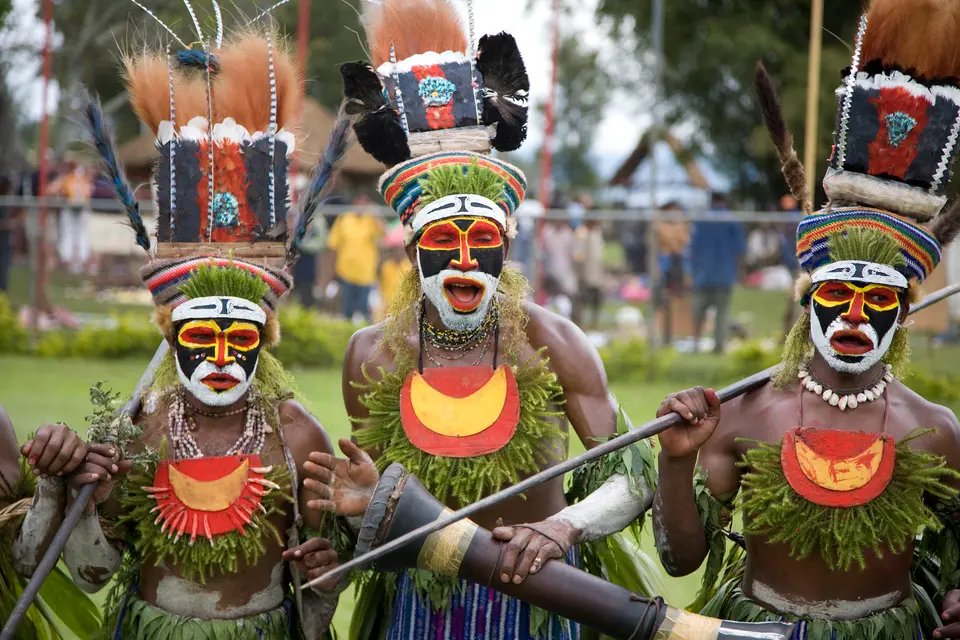
Шоу в Гороке
Goroka Show
Незадолго до Дня независимости около сотни племён со всей Папуа — Новой Гвинеи собираются в Гороке на самый большой в стране синг-синг: раскрашенные лица, музыка и танцы — и призрачные глиняные люди Асаро в масках из глины.
16 сентября 2027 г.Ориентировочно
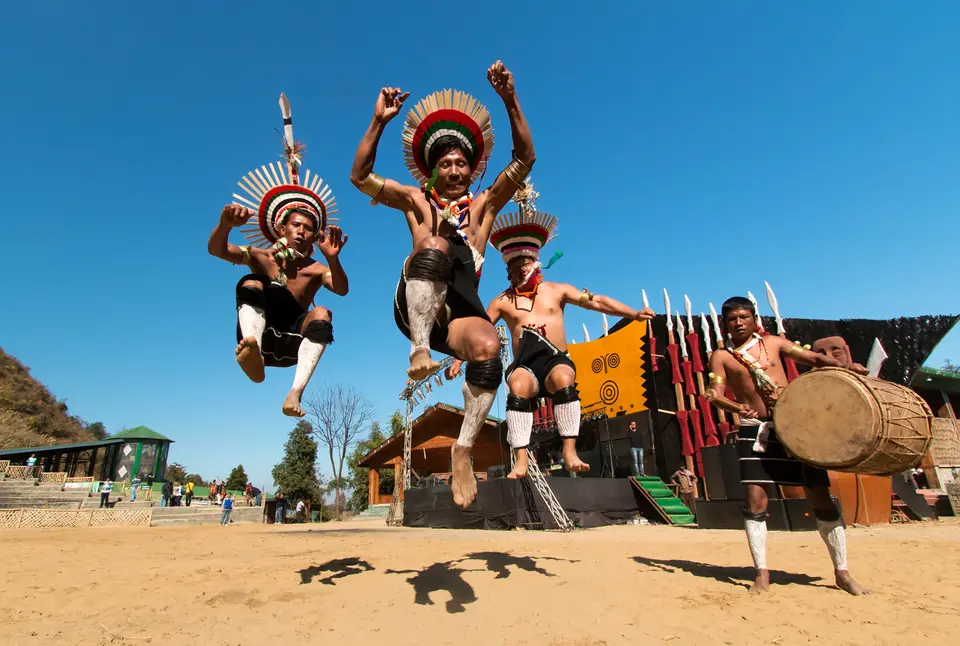
Фестиваль Хорнбилл
Hornbill Festival
В первые десять дней декабря племена Нагаленда собираются в этнографической деревне в холмах близ Кохимы, чтобы поделиться песнями, танцами, ремёслами, играми и едой. Это «праздник праздников», названный по лесной птице из нагских преданий.
1–10 декабря 2026 г.Рассчитано
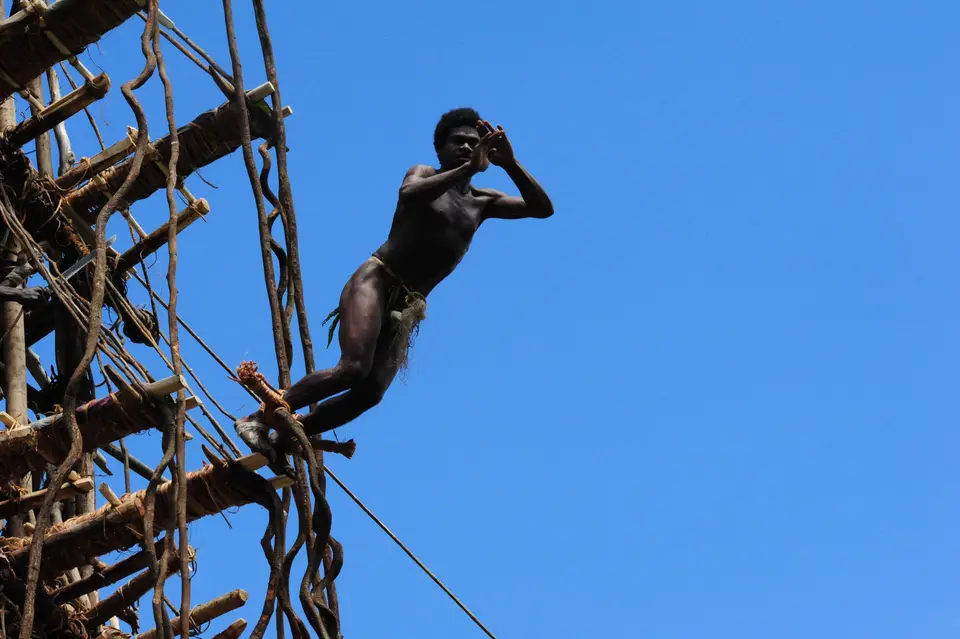
Прыжки с башни на острове Пятидесятницы
Nanggol
Когда собран ямс, мужчины юга острова Пятидесятницы строят башни из только что срубленного дерева, связанного лианами, и один за другим прыгают с помостов, привязав лианы к лодыжкам, стараясь задеть плечами вспаханную землю: чем выше прыжок, тем лучше урожай.
апрель 2027 г. – июнь 2027 г.Примерный период
Отзывы
Вы там были? Расскажите другим, чего ждать.
Отзывов пока нет.
Отзывы читает владелец сайта, прежде чем они появятся.