このページはまだ日本語に翻訳されていません。英語の原文を表示しています。

Mount Hagen Cultural Show
写真:Yves Picq、CC BY-SA 3.0、ウィキメディア・コモンズより
In 1961, before independence, someone had the idea of getting highland groups who had been fighting to come and dance at each other instead. Sixty-odd years later more than eighty sing-sing groups fill a park in Mount Hagen with feathers, shell and ochre for three days in August.
A show instead of a fight
Mount Hagen is the third-largest city in Papua New Guinea, capital of Western Highlands Province, 46,250 people at 1,677 metres. It is named after a volcano twenty-four kilometres to the north-west, which was itself named after Curt von Hagen, a German colonial officer who lived from 1859 to 1897.
The show was first staged in 1961, fourteen years before independence, and the point of it was unity: to bring together tribes from across the highlands who had reason not to be in the same field. It is now one of the largest cultural events in the country, and groups come from well beyond the highlands — regional, provincial and national.
Sing-sing
The form is the sing-sing: a group performs its own dance, in its own dress, together. More than eighty groups take part across the three days. What that means in practice is feathers — bird of paradise, cassowary, parrot — built into headdresses, shell ornaments at the nose and chest, ochre and charcoal and pigment on the face and body, drums, and a great deal of noise made deliberately. Each group is showing what it is, next to everyone else showing what they are, which is the whole idea.
It happens at Queen's Park in the middle of Mount Hagen city. The National Cultural Commission and the tourism authority publish the dates; they have fallen over the third Saturday in August in each recent year.
The other one
Papua New Guinea's other great show is at Goroka, in the Eastern Highlands, in September. The two are often done as a pair by people who have come a long way, and between them they are how most outsiders ever see a sing-sing.
開催時期
Three days in mid-August, Friday to Sunday, around the third Saturday. The dates are announced each year — 17–18 August in 2024, 15–17 August in 2025, 14–16 August in 2026.
- 2027/08/20~2027/08/22推定
- 2028/08/18~2028/08/20推定
- 2029/08/17~2029/08/19推定
- 2030/08/16~2030/08/18推定
敬意をもって訪れる
知っておきたいこと
- Performers are used to cameras and the show exists partly to be photographed, but the groups have spent hours on the paint and the feathers. Ask before taking a close portrait.


出典
この項目は次の資料をもとに書かれています。
- Hagen ShowPapua New Guinea Tourism Promotion Authority · 2026年9月26日 閲覧
- Mount HagenWikipedia · 2026年9月26日 閲覧
関連する祭り
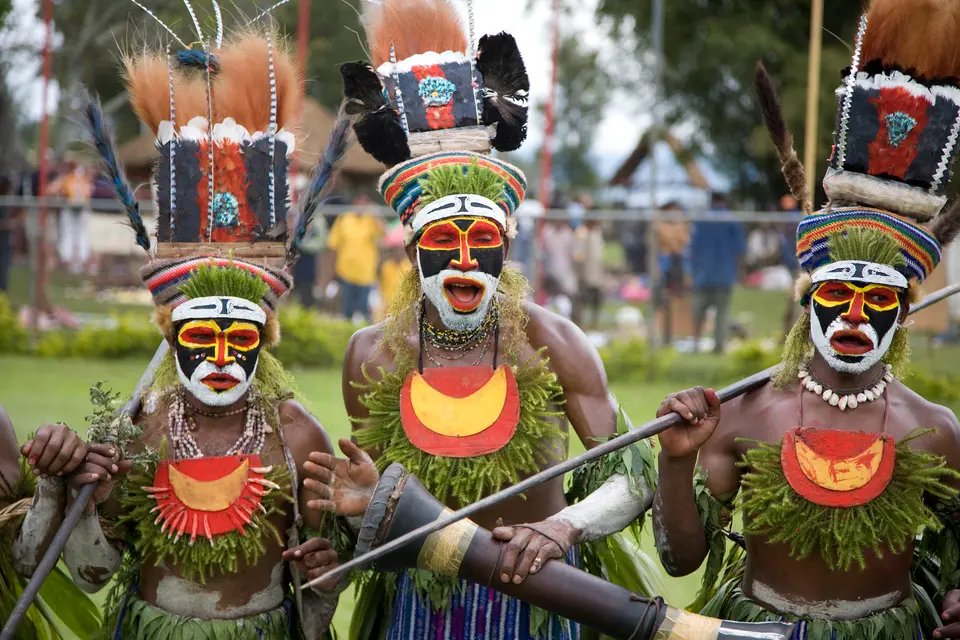
ゴロカ・ショー
Goroka Show
独立記念日のころ、パプアニューギニア各地からおよそ百の部族がゴロカに集まり、国内最大の「シンシン」を開きます。顔に施した彩り、音楽と踊り、そして泥の面をかぶったアサロの「泥人間」たちが現れます。
2027年9月16日推定
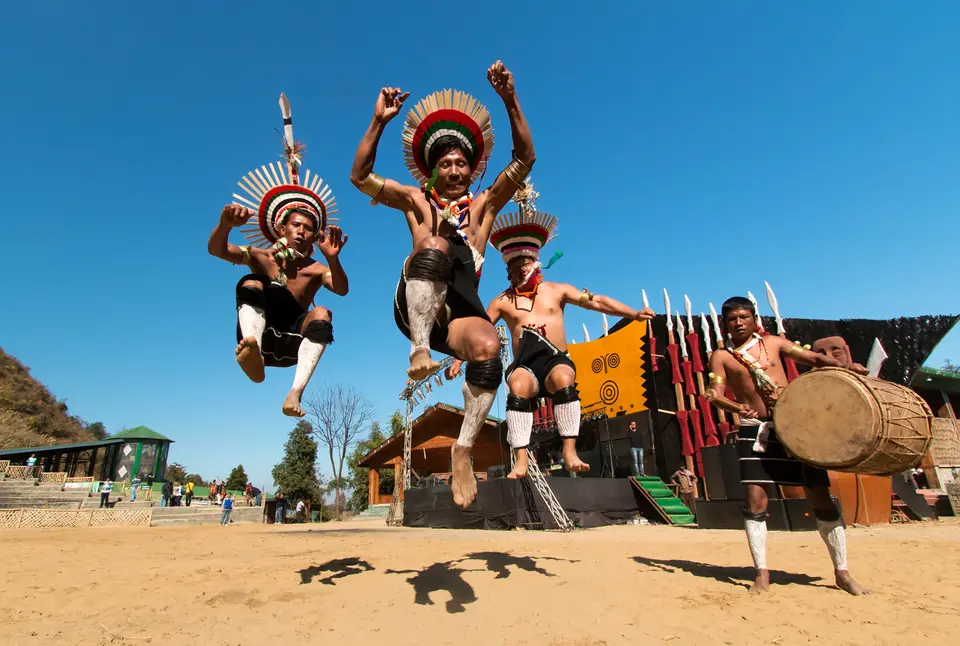
ホーンビル・フェスティバル
Hornbill Festival
十二月の最初の十日間、ナガランドの諸部族がコヒマ近くの丘の文化村に集い、歌と踊り、手仕事、遊び、料理を分かち合います。ナガの伝承に現れる森の鳥の名を冠した「祭りの祭り」です。
2026/12/01~2026/12/10算出
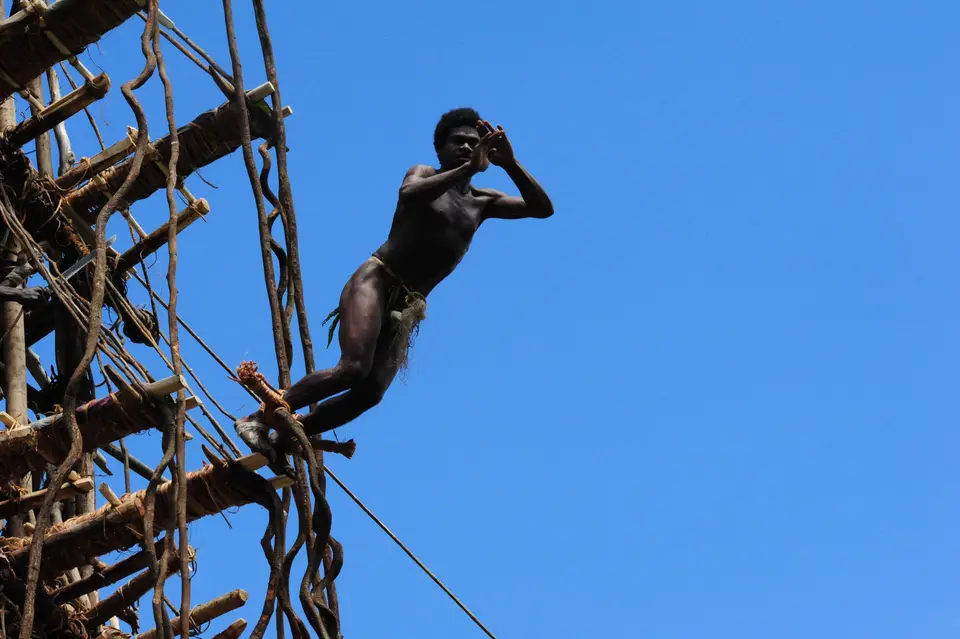
ペンテコスト島の陸のダイビング
Nanggol
ヤムイモの収穫が済むと、ペンテコスト島南部の男たちは切り出したばかりの木を蔓で縛って塔を建て、足首に蔓を結んで台から次々に飛び降ります。耕した土に肩をかすめることをめざし、高く跳ぶほど収穫はよいとされます。
2027/04~2027/06おおよその時期
感想
行かれたことがありますか。これから行く人に様子を教えてください。
まだ感想はありません。
感想は管理者が目を通してから掲載されます。