Esta página aún no está traducida al español; se muestra el texto original en inglés.

Mount Hagen Cultural Show
Foto: Yves Picq, CC BY-SA 3.0, vía Wikimedia Commons
In 1961, before independence, someone had the idea of getting highland groups who had been fighting to come and dance at each other instead. Sixty-odd years later more than eighty sing-sing groups fill a park in Mount Hagen with feathers, shell and ochre for three days in August.
A show instead of a fight
Mount Hagen is the third-largest city in Papua New Guinea, capital of Western Highlands Province, 46,250 people at 1,677 metres. It is named after a volcano twenty-four kilometres to the north-west, which was itself named after Curt von Hagen, a German colonial officer who lived from 1859 to 1897.
The show was first staged in 1961, fourteen years before independence, and the point of it was unity: to bring together tribes from across the highlands who had reason not to be in the same field. It is now one of the largest cultural events in the country, and groups come from well beyond the highlands — regional, provincial and national.
Sing-sing
The form is the sing-sing: a group performs its own dance, in its own dress, together. More than eighty groups take part across the three days. What that means in practice is feathers — bird of paradise, cassowary, parrot — built into headdresses, shell ornaments at the nose and chest, ochre and charcoal and pigment on the face and body, drums, and a great deal of noise made deliberately. Each group is showing what it is, next to everyone else showing what they are, which is the whole idea.
It happens at Queen's Park in the middle of Mount Hagen city. The National Cultural Commission and the tourism authority publish the dates; they have fallen over the third Saturday in August in each recent year.
The other one
Papua New Guinea's other great show is at Goroka, in the Eastern Highlands, in September. The two are often done as a pair by people who have come a long way, and between them they are how most outsiders ever see a sing-sing.
Cuándo se celebra
Three days in mid-August, Friday to Sunday, around the third Saturday. The dates are announced each year — 17–18 August in 2024, 15–17 August in 2025, 14–16 August in 2026.
- 20–22 de agosto de 2027Estimada
- 18–20 de agosto de 2028Estimada
- 17–19 de agosto de 2029Estimada
- 16–18 de agosto de 2030Estimada
Visitar con respeto
Conviene saber
- Performers are used to cameras and the show exists partly to be photographed, but the groups have spent hours on the paint and the feathers. Ask before taking a close portrait.


Fuentes
Esta entrada se escribió a partir de las siguientes fuentes.
- Hagen ShowPapua New Guinea Tourism Promotion Authority · consultado el 26 de septiembre de 2026
- Mount HagenWikipedia · consultado el 26 de septiembre de 2026
Fiestas relacionadas
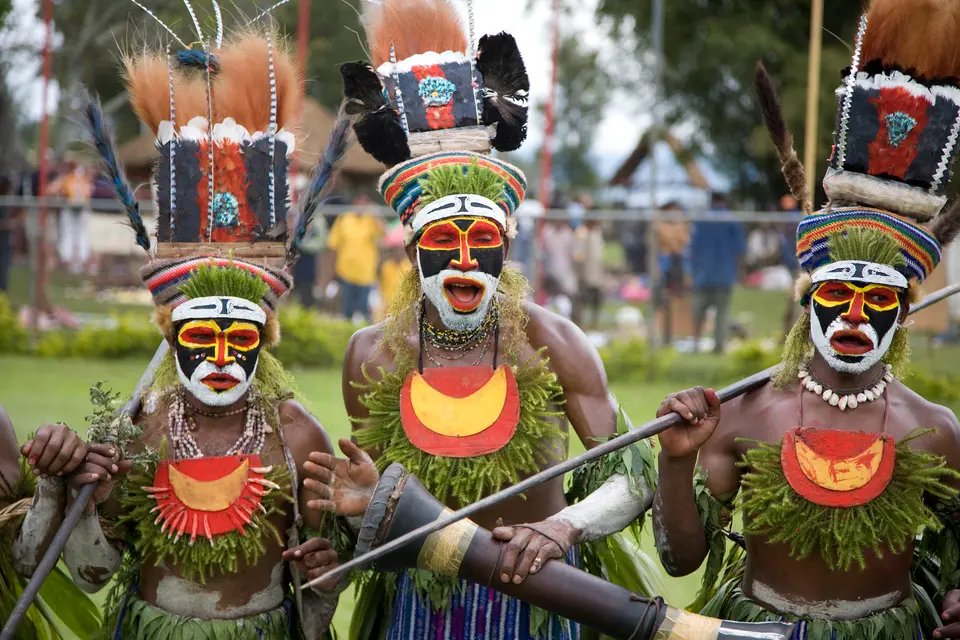
Goroka Show
Cerca del Día de la Independencia, un centenar de tribus de toda Papúa Nueva Guinea se reúnen en Goroka para el mayor sing-sing del país, con rostros pintados, música y danza — y los fantasmales Hombres de Barro de Asaro con sus máscaras de arcilla.
16 de septiembre de 2027Estimada
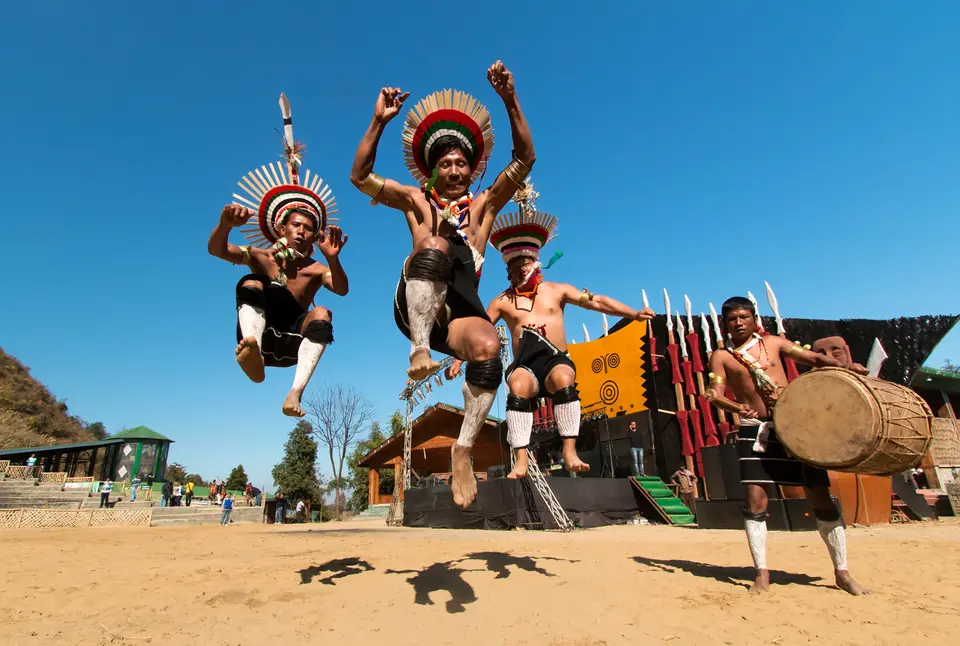
Festival Hornbill
Hornbill Festival
Los diez primeros días de diciembre, las tribus de Nagaland se reúnen en una aldea patrimonial de las colinas cercanas a Kohima para compartir sus cantos, bailes, artesanías, juegos y comida — el «festival de los festivales», llamado como el ave del bosque del folclore naga.
1–10 de diciembre de 2026Calculada
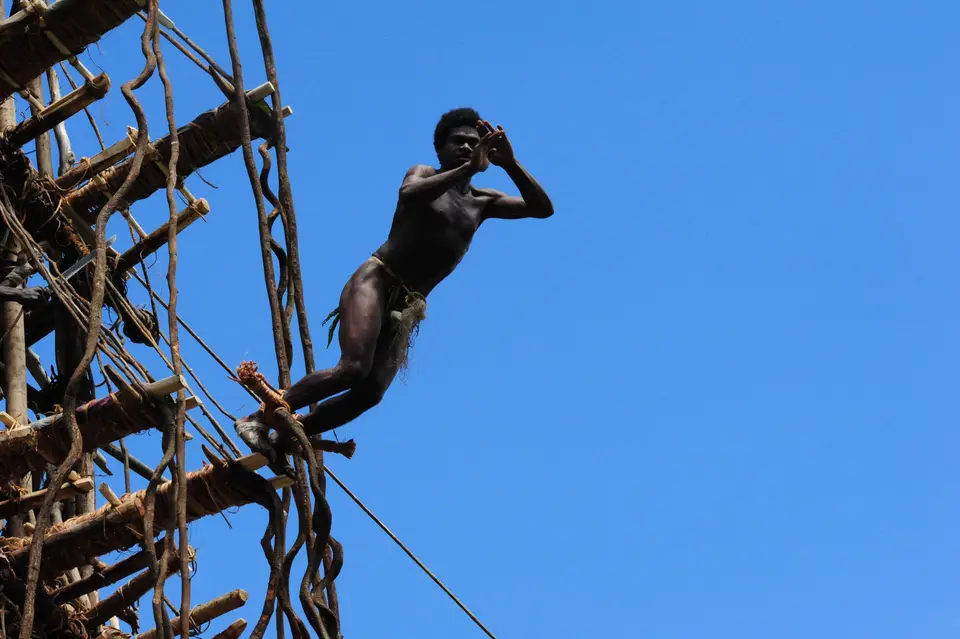
Salto de tierra en la isla de Pentecostés
Nanggol
Cuando se recoge el ñame, los hombres del sur de Pentecostés levantan torres de madera recién cortada atada con lianas y saltan uno tras otro desde sus plataformas con lianas sujetas a los tobillos, intentando rozar con los hombros la tierra labrada — cuanto más alto el salto, mejor la cosecha.
abril–junio de 2027Periodo aproximado
Comentarios
¿Has estado allí? Cuenta a otros lectores qué pueden esperar.
Todavía no hay comentarios.
El dueño del sitio lee los comentarios antes de que aparezcan.