اليابان

الماتسوري في اليابان أعياد معابد شنتو، وعربات تجرّها الأحياء، ورقصات صيفية، وطقوس فصول. انتقل كثير منها إلى التقويم الشمسي عام 1873، وبعضها ما زال يحمل آثار ذلك الانتقال بعد قرن ونصف.

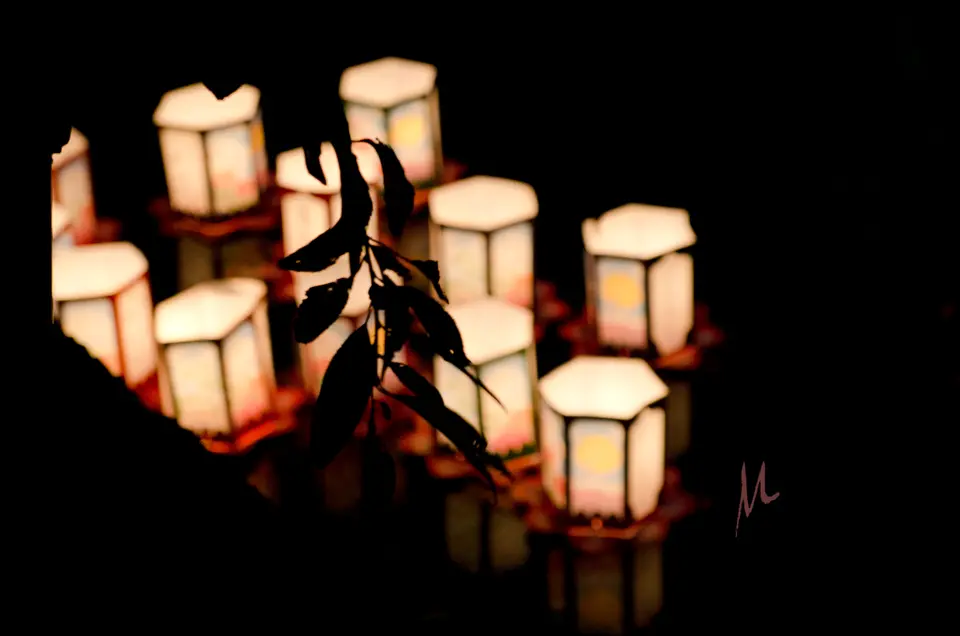
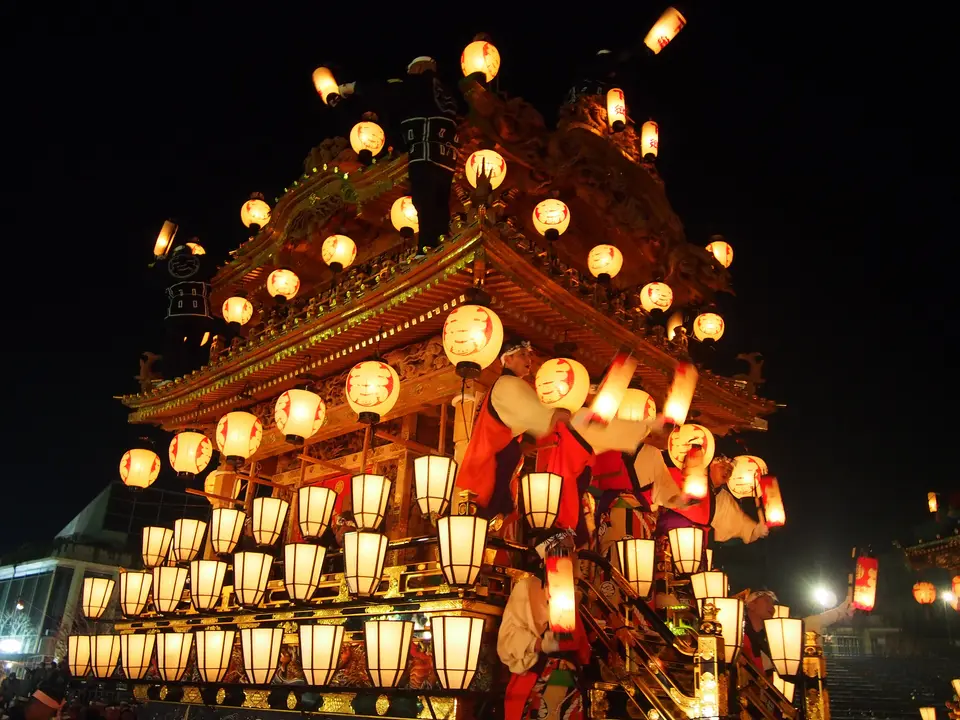
الصورة: Sakurai Midori، CC BY-SA 3.0، عبر ويكيميديا كومنز

الماتسوري في أصله عيد معبد شنتو والجماعة التي تحيا حوله. وكثير من أشهرها تحمله الأحياء لا منظّم مركزي: فالسكان يبنون العربات ويزيّنونها ويجرّونها، ويحفظون الموسيقى والرقص جيلًا بعد جيل.

ويظهر تاريخ التقويم الياباني في أعياده. فعندما أخذت البلاد بالتقويم الشمسي في آخر عام 1872، حفظت بعض الاحتفالات أرقام تواريخها فتقدّمت شهرًا في الفصل، وانتقلت أخرى إلى الموضع الذي كان يقع فيه التاريخ القديم. ولهذا يُقام تاناباتا في تموز في معظم الأماكن وفي آب في سنداي، ويُحفظ أوبون في آب في معظم البلاد وفي تموز في بعض المدن.

وتمتد المقالات هنا من أعياد مدن تدوم شهرًا إلى طقوس تُقام في البيت — وكل مقالة تقول أيّهما هي.

مهرجانات اليابان

اليابانموكب

Takayama Matsuri

高山祭

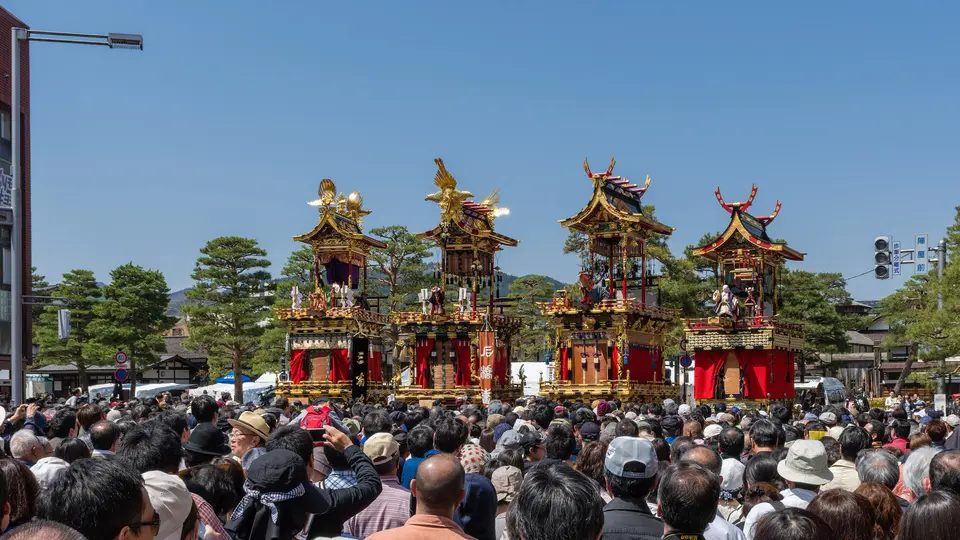
Twice a year, in April and October, the old mountain town of Takayama brings out its lacquered, gilded yatai floats — twelve in spring, eleven in autumn — and on the first evening hangs them with hundreds of lanterns.

9–10 أكتوبر 2026محسوب
اليابانموكب

Chichibu Yomatsuri

秩父夜祭

On a cold December night in the mountains of Saitama, six great floats blazing with lanterns are hauled through Chichibu and up the steep Dango-zaka slope, while fireworks burst over the town.

2–3 ديسمبر 2026محسوب

اليابانموسمي

Setsubun

節分

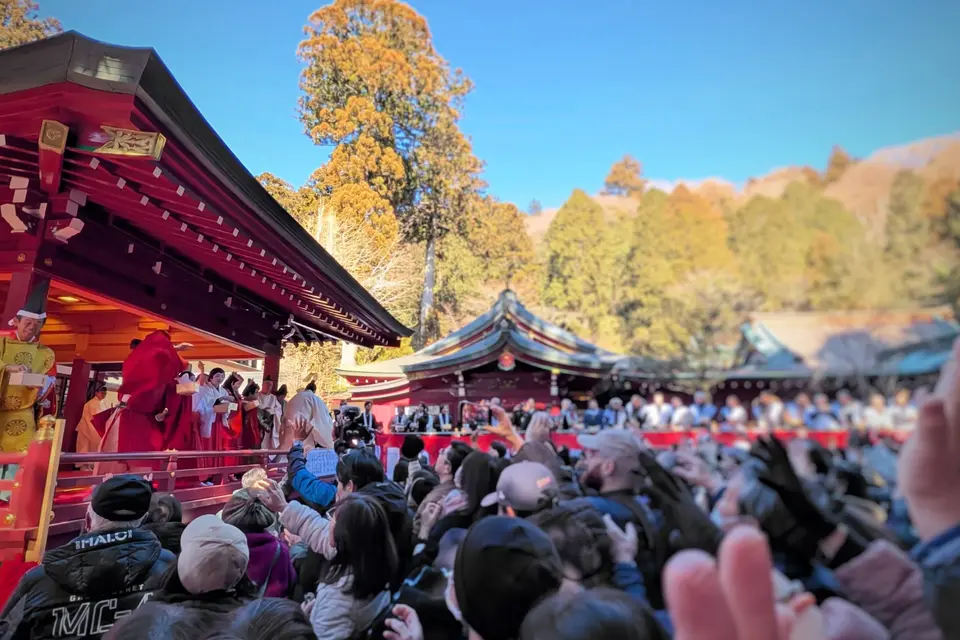
The day before spring begins in the old reckoning, when dried beans are thrown to drive out misfortune — “Demons out, good luck in!” Temples and shrines hold public bean-throwing, and the date is set by the sun, not the calendar.

3 فبراير 2027معلن رسميًا

اليابانموكب

Aoi Matsuri

葵祭

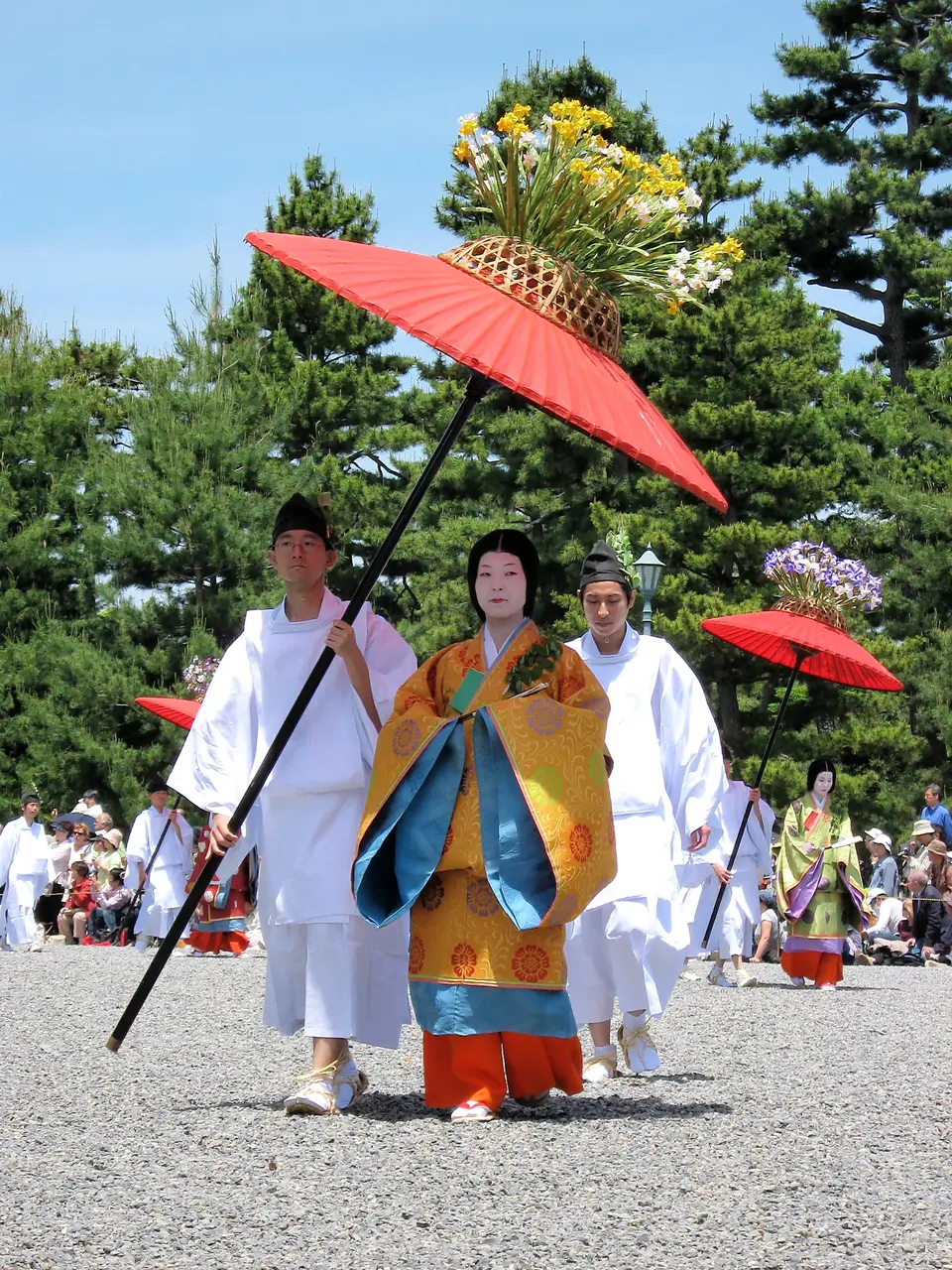
On 15 May a procession in the court dress of the Heian era leaves the Kyoto Imperial Palace for the Shimogamo and Kamigamo shrines. It is one of Kyoto’s three great festivals, and once so central to court life that “the festival” simply meant this one.

15 مايو 2027محسوب

اليابانموكب

Gion Matsuri

祇園祭

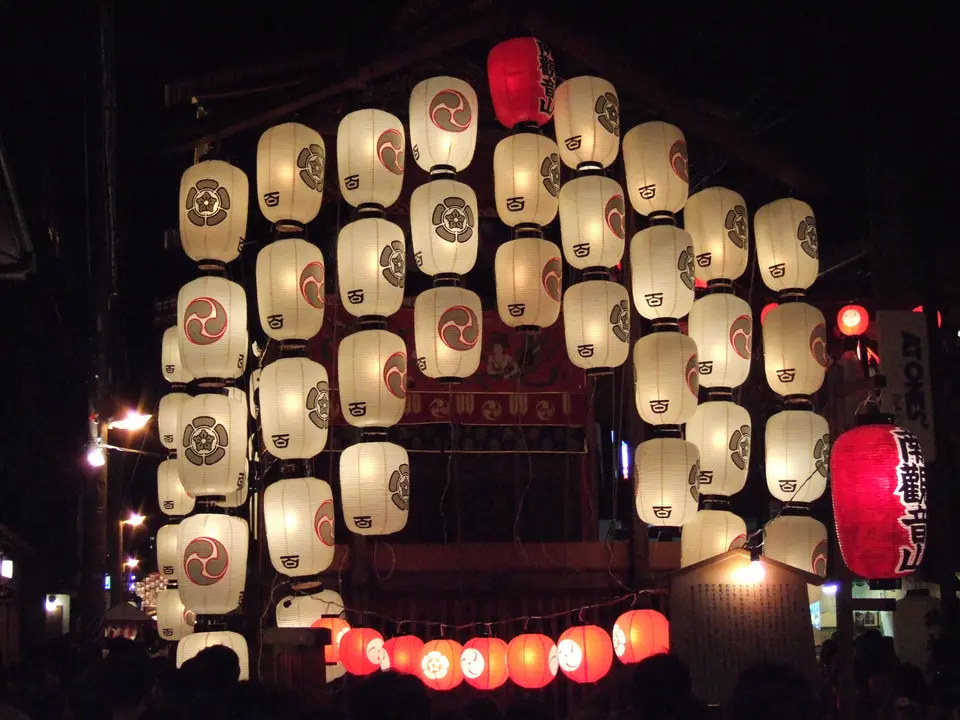
Kyoto’s great summer festival lasts the whole of July. Its high points are the lantern-lit yoiyama evenings and the processions of towering yamahoko floats on 17 and 24 July, built and hauled by the city’s own neighbourhoods.

1–31 يوليو 2027محسوب

اليابانموسمي

Tanabata

七夕

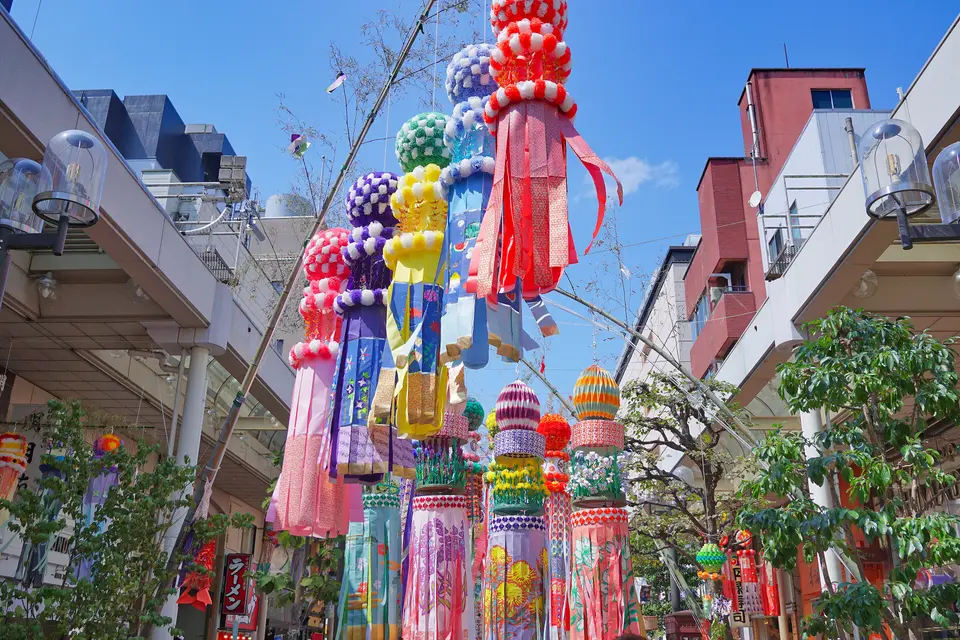
The star festival of the seventh night of the seventh month. Most of Japan keeps it on 7 July; Sendai, one of several places that kept the old season, hangs its great paper streamers from 6 to 8 August.

7 يوليو 2027محسوب

اليابانعرض

Gujo Odori

郡上おどり

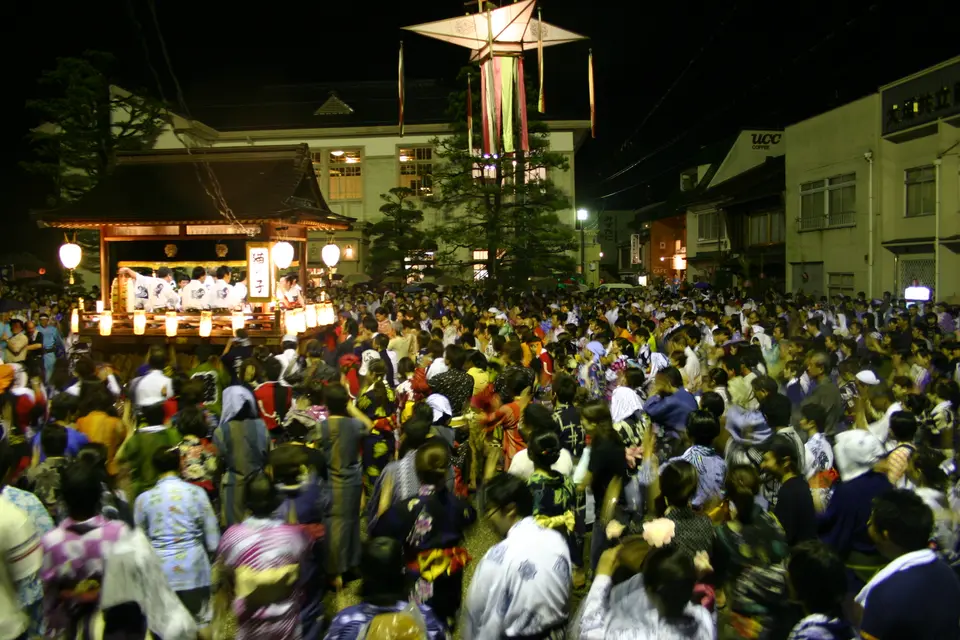
For more than thirty summer nights the castle town of Gujo Hachiman dances in the streets — and it is a dance to join, not to watch. Over Obon the dancing goes on all night, until the hour before dawn.

يوليو – سبتمبر 2027فترة تقريبية

اليابانذكرى

Obon

お盆

Japan’s summer days of the dead, when ancestors are said to come home for a few days. Families light lanterns to guide them, visit graves, and at the end set lanterns on the water to send them back. Mostly kept in August; in some places in July.

13–15 يوليو 2027محسوب

اليابانموكب

Aomori Nebuta Matsuri

青森ねぶた祭

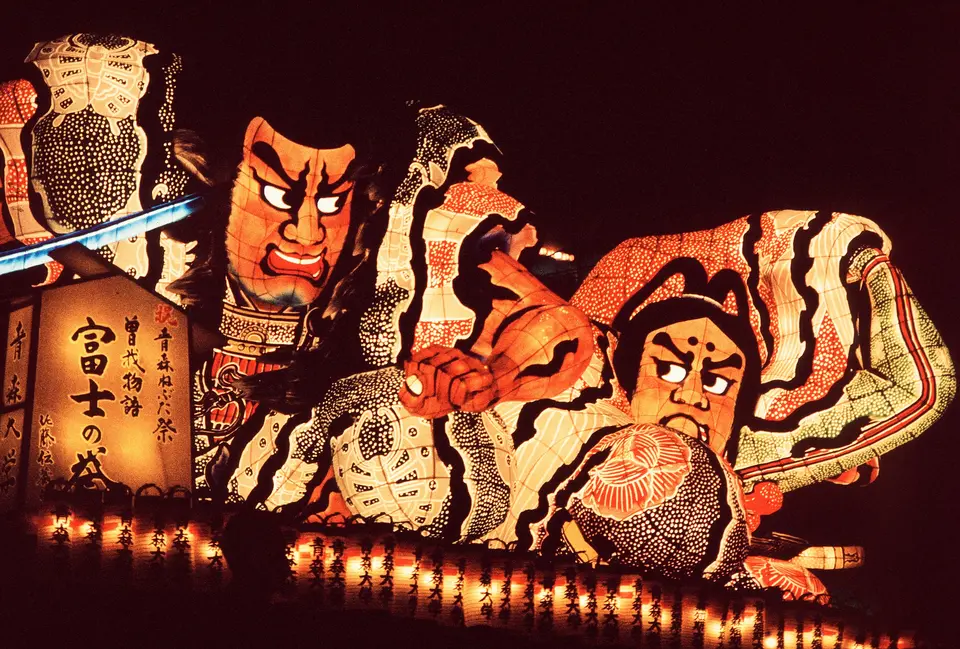
For six nights in August, giant paper figures lit from within are hauled through Aomori to flute, drum and gong, with thousands of costumed dancers leaping alongside. Anyone may join the dancers — the costume is the only ticket.

2–7 أغسطس 2027محسوب

مصادر هذه الصفحة

  1. Travel Etiquette for the Future — responsible traveller guidelinesJapan Tourism Agency · اطُّلع عليه في 16 سبتمبر 2026
  2. ObonJapan Tourism Agency multilingual database · اطُّلع عليه في 20 أغسطس 2026
  3. 暦Wiki: 七夕National Astronomical Observatory of Japan · اطُّلع عليه في 20 أغسطس 2026