Japon

Les matsuri du Japon sont des fêtes de sanctuaire, des chars de quartier, des danses d’été et des rites de saison. Beaucoup sont passés au calendrier solaire en 1873, et certains montrent encore les coutures de ce changement un siècle et demi plus tard.

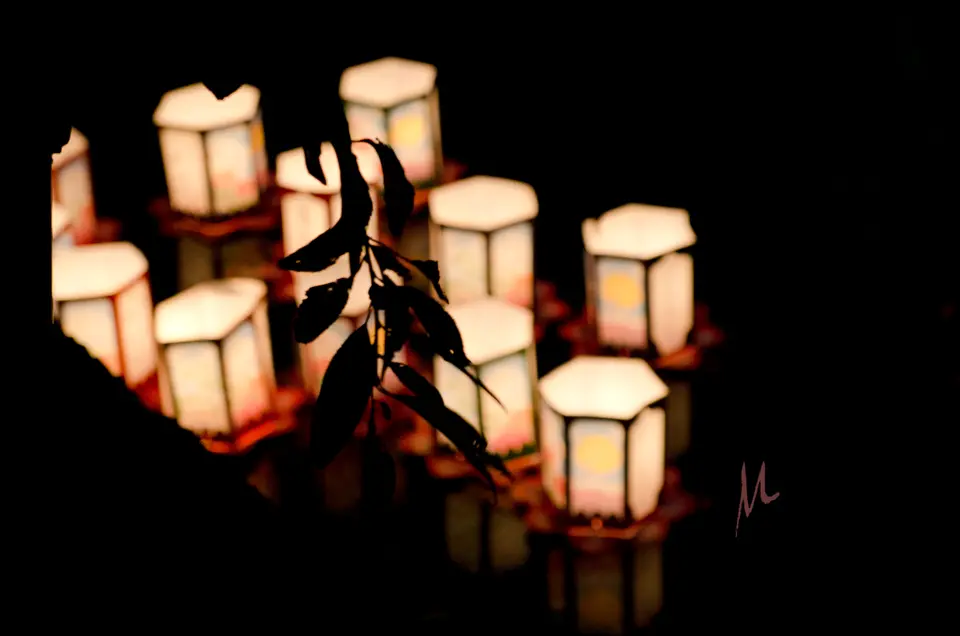
Photo : Sakurai Midori, CC BY-SA 3.0, via Wikimedia Commons

Un matsuri est, à la racine, la fête d’un sanctuaire et de la communauté qui l’entoure. Beaucoup des plus connus sont portés par les quartiers plutôt que par un organisateur central : les habitants construisent, décorent et tirent les chars, et gardent vivantes la musique et les danses d’une génération à l’autre.

L’histoire du calendrier japonais se lit dans ses fêtes. Quand le pays a adopté le calendrier solaire à la fin de 1872, certaines célébrations ont gardé le chiffre de leur date et se sont décalées d’un mois plus tôt dans la saison, tandis que d’autres ont rejoint le moment où tombait l’ancienne date. C’est pourquoi Tanabata se tient en juillet presque partout, mais en août à Sendai, et pourquoi Obon est gardé en août dans la plus grande partie du pays, mais en juillet dans certaines villes.

Les notices qui suivent vont de fêtes urbaines d’un mois entier à des rites gardés à la maison — et chacune dit ce qu’elle est.

Fêtes : Japon

JaponProcession

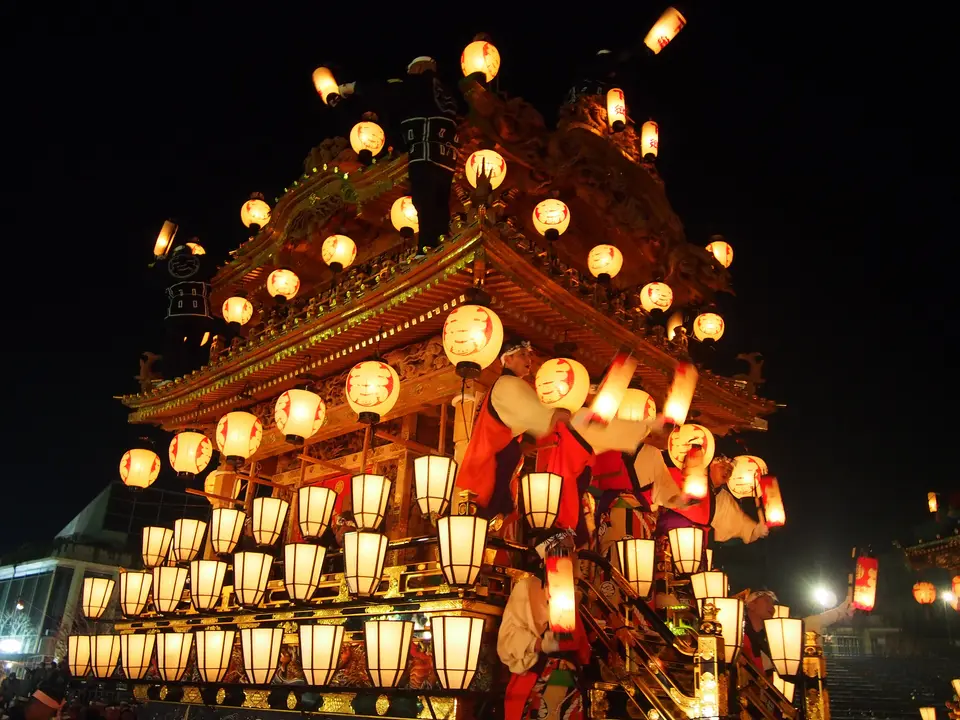
Takayama Matsuri

高山祭

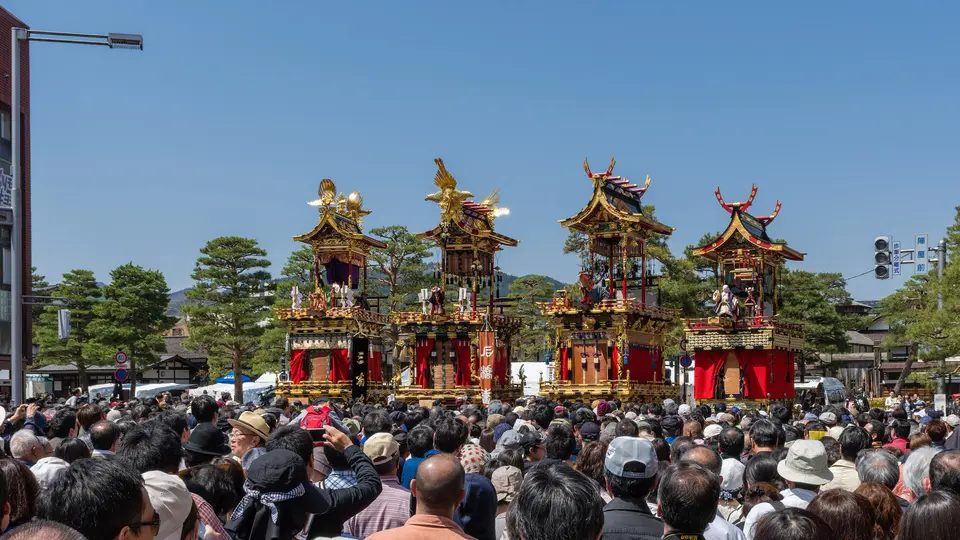
Twice a year, in April and October, the old mountain town of Takayama brings out its lacquered, gilded yatai floats — twelve in spring, eleven in autumn — and on the first evening hangs them with hundreds of lanterns.

9–10 octobre 2026Calculée
JaponProcession

Chichibu Yomatsuri

秩父夜祭

On a cold December night in the mountains of Saitama, six great floats blazing with lanterns are hauled through Chichibu and up the steep Dango-zaka slope, while fireworks burst over the town.

2–3 décembre 2026Calculée

JaponSaisonnière

Setsubun

節分

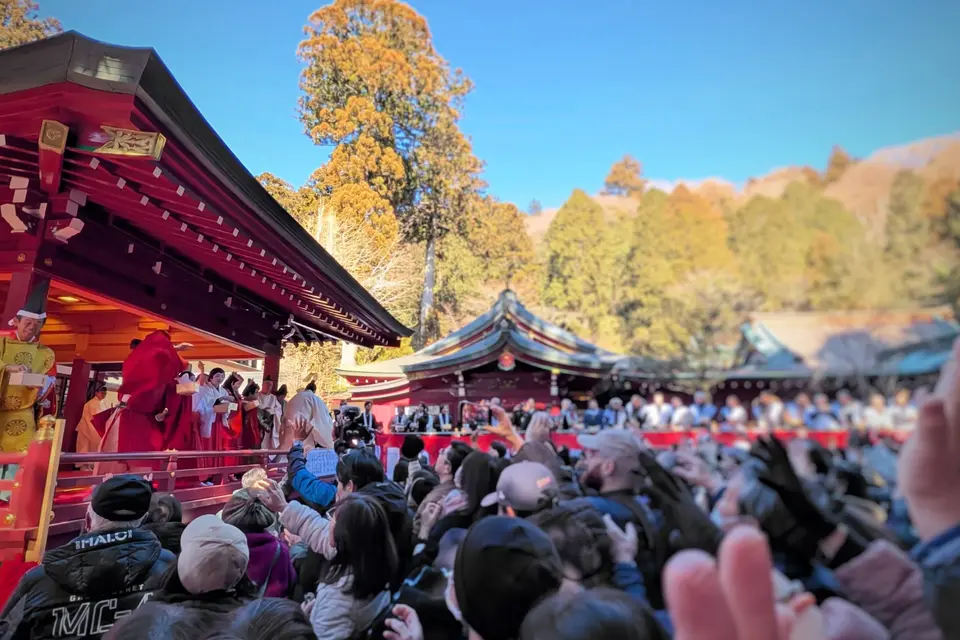
The day before spring begins in the old reckoning, when dried beans are thrown to drive out misfortune — “Demons out, good luck in!” Temples and shrines hold public bean-throwing, and the date is set by the sun, not the calendar.

3 février 2027Annoncée officiellement

JaponProcession

Aoi Matsuri

葵祭

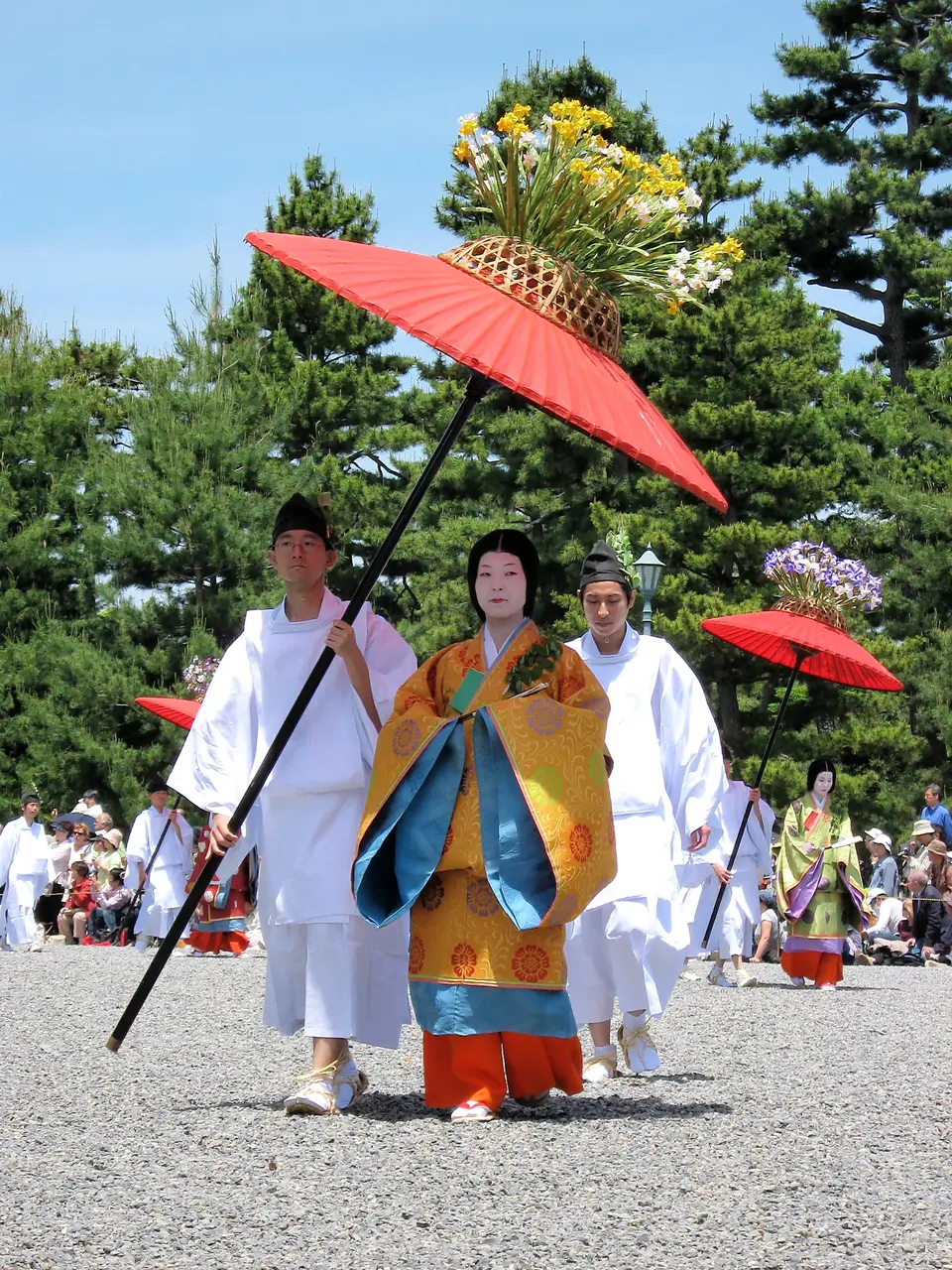
On 15 May a procession in the court dress of the Heian era leaves the Kyoto Imperial Palace for the Shimogamo and Kamigamo shrines. It is one of Kyoto’s three great festivals, and once so central to court life that “the festival” simply meant this one.

15 mai 2027Calculée

JaponProcession

Gion Matsuri

祇園祭

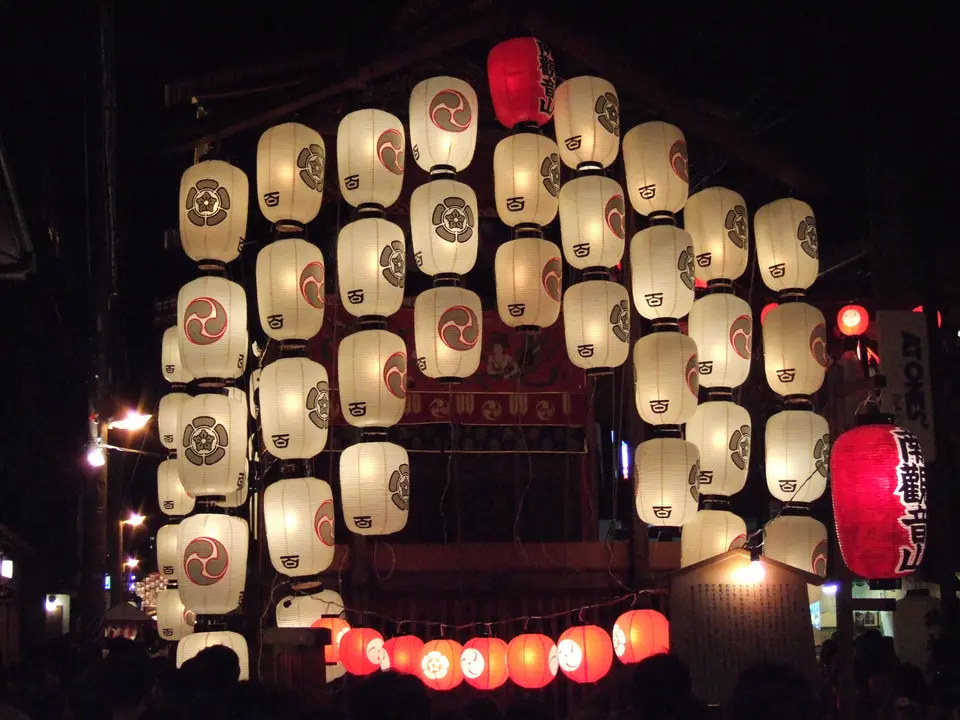
Kyoto’s great summer festival lasts the whole of July. Its high points are the lantern-lit yoiyama evenings and the processions of towering yamahoko floats on 17 and 24 July, built and hauled by the city’s own neighbourhoods.

1–31 juillet 2027Calculée

JaponSaisonnière

Tanabata

七夕

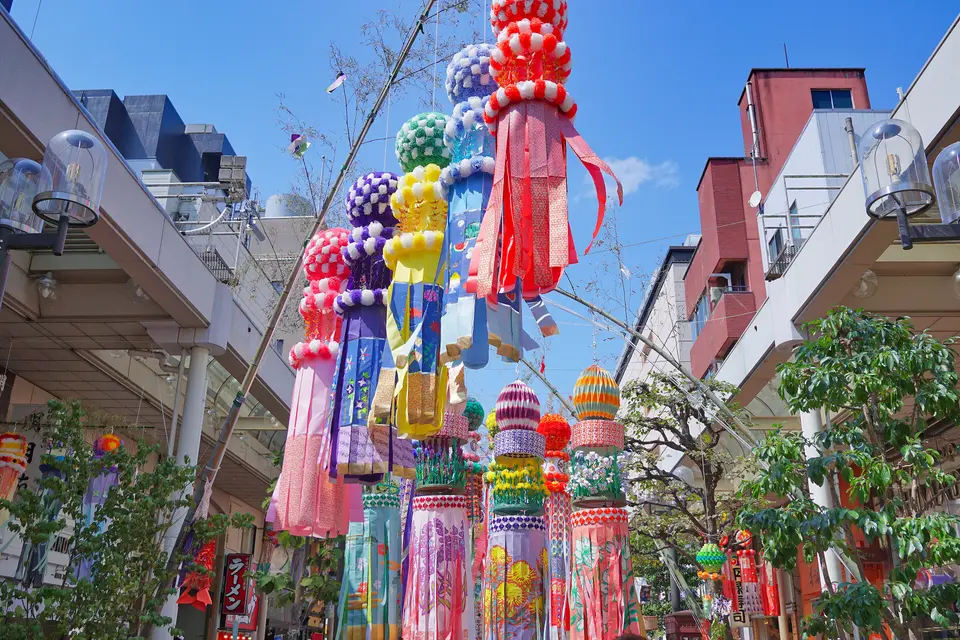
The star festival of the seventh night of the seventh month. Most of Japan keeps it on 7 July; Sendai, one of several places that kept the old season, hangs its great paper streamers from 6 to 8 August.

7 juillet 2027Calculée

JaponSpectacle

Gujo Odori

郡上おどり

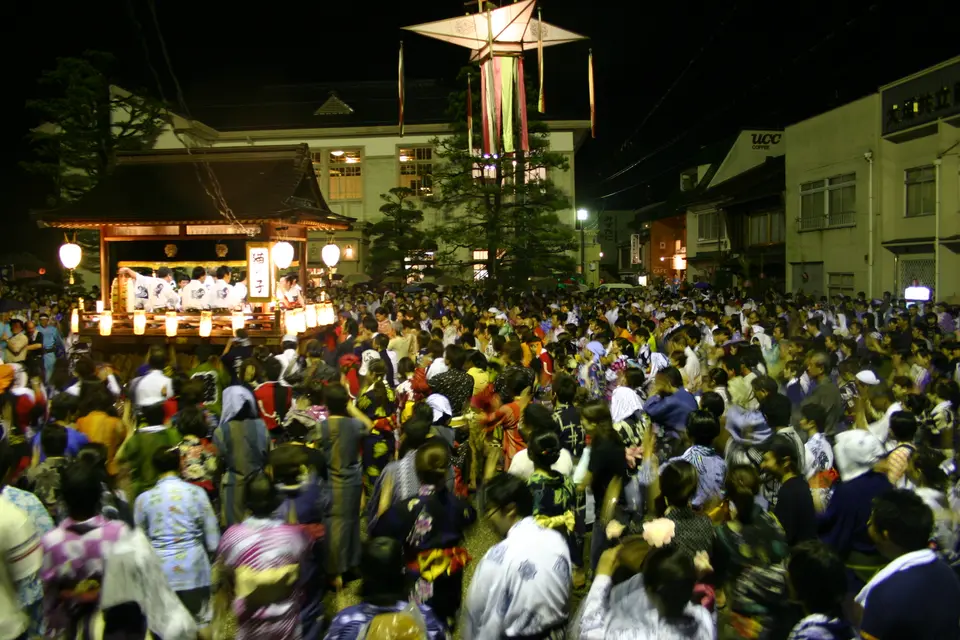
For more than thirty summer nights the castle town of Gujo Hachiman dances in the streets — and it is a dance to join, not to watch. Over Obon the dancing goes on all night, until the hour before dawn.

juillet – septembre 2027Période approximative

JaponCommémoration

Obon

お盆

Japan’s summer days of the dead, when ancestors are said to come home for a few days. Families light lanterns to guide them, visit graves, and at the end set lanterns on the water to send them back. Mostly kept in August; in some places in July.

13–15 juillet 2027Calculée

JaponProcession

Aomori Nebuta Matsuri

青森ねぶた祭

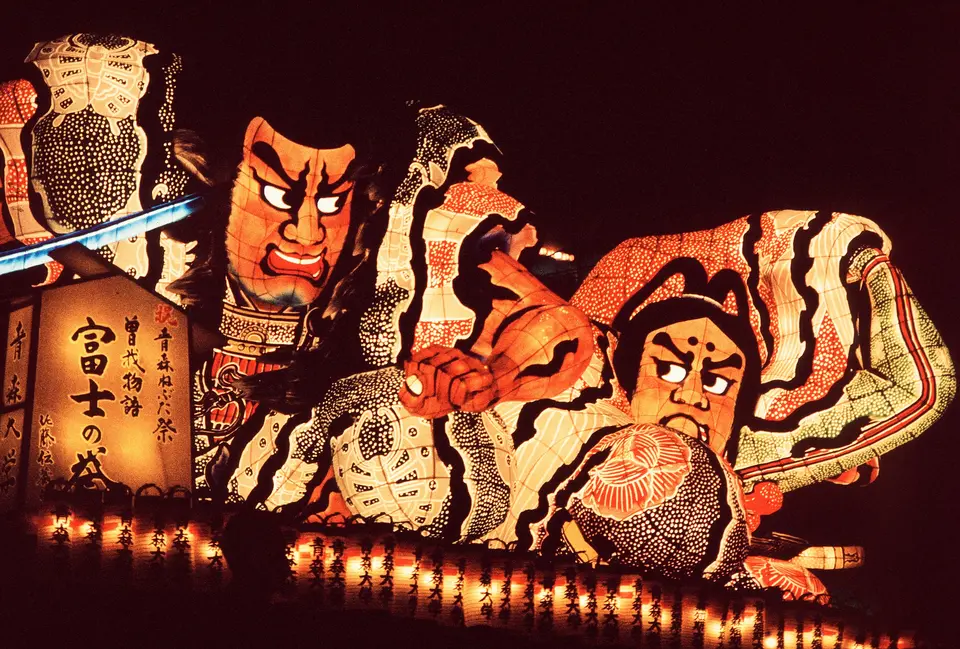
For six nights in August, giant paper figures lit from within are hauled through Aomori to flute, drum and gong, with thousands of costumed dancers leaping alongside. Anyone may join the dancers — the costume is the only ticket.

2–7 août 2027Calculée

Sources de cette page

  1. Travel Etiquette for the Future — responsible traveller guidelinesJapan Tourism Agency · consulté le 16 septembre 2026
  2. ObonJapan Tourism Agency multilingual database · consulté le 20 août 2026
  3. 暦Wiki: 七夕National Astronomical Observatory of Japan · consulté le 20 août 2026