Japan

Japans Matsuri sind Schreinfeste, Nachbarschaftswagen, Sommertänze und Riten der Jahreszeiten. Viele wanderten 1873 in den Sonnenkalender, und einige zeigen die Nähte dieses Wechsels anderthalb Jahrhunderte später noch.

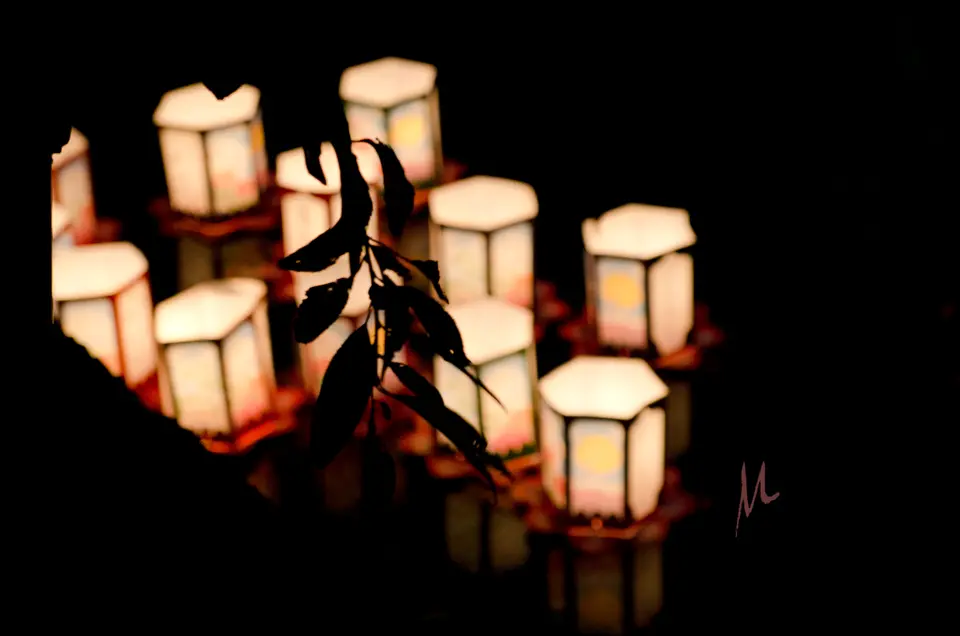
Foto: Sakurai Midori, CC BY-SA 3.0, über Wikimedia Commons

Ein Matsuri ist im Kern das Fest eines Schreins und der Gemeinschaft um ihn. Viele der bekanntesten werden von Nachbarschaften getragen und nicht von einem zentralen Veranstalter: Die Bewohner bauen, schmücken und ziehen die Wagen und halten Musik und Tänze von einer Generation zur nächsten lebendig.

Japans Kalendergeschichte zeigt sich in seinen Festen. Als das Land Ende 1872 den Sonnenkalender übernahm, behielten manche Feiern ihre Datumszahl und rückten in der Jahreszeit einen Monat nach vorn, während andere dorthin zogen, wo das alte Datum gefallen war. Darum wird Tanabata an den meisten Orten im Juli, in Sendai aber im August gefeiert, und darum wird Obon im größten Teil des Landes im August, in einigen Städten aber im Juli gehalten.

Die Beiträge hier reichen von monatelangen Stadtfesten bis zu Riten, die zu Hause gehalten werden — und jeder sagt, was er ist.

Feste in Japan

JapanUmzug

Takayama Matsuri

高山祭

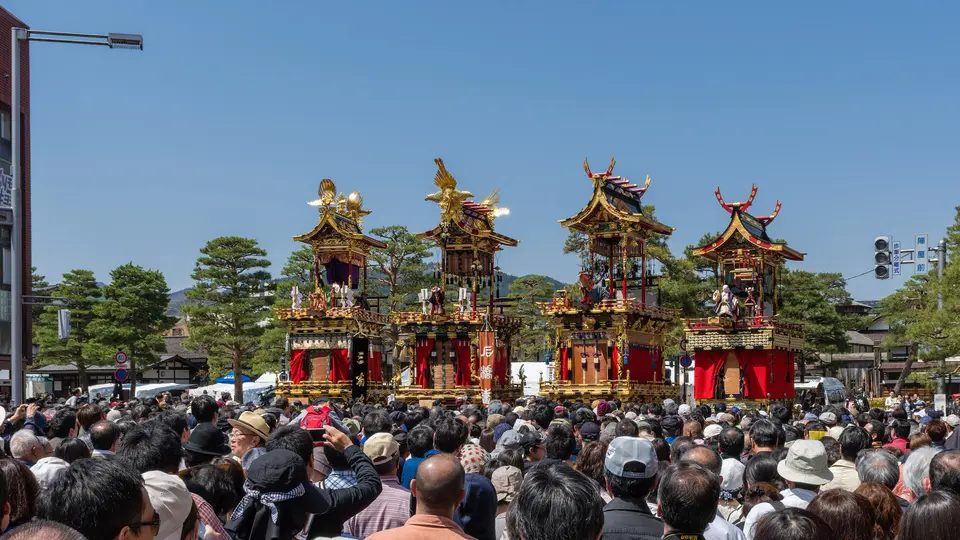
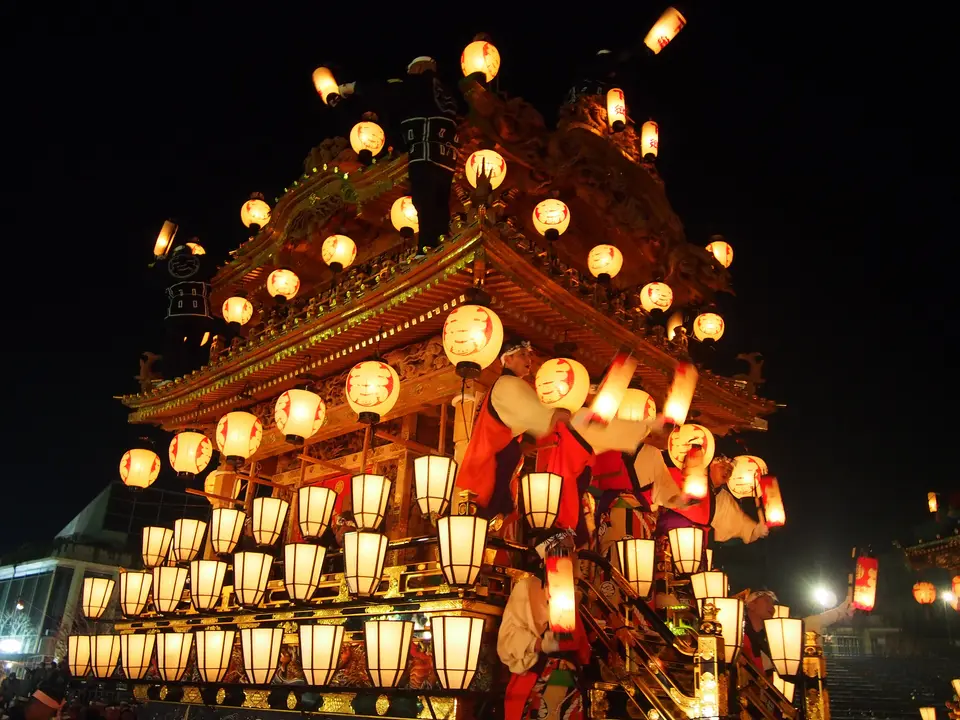
Twice a year, in April and October, the old mountain town of Takayama brings out its lacquered, gilded yatai floats — twelve in spring, eleven in autumn — and on the first evening hangs them with hundreds of lanterns.

9.–10. Oktober 2026Berechnet
JapanUmzug

Chichibu Yomatsuri

秩父夜祭

On a cold December night in the mountains of Saitama, six great floats blazing with lanterns are hauled through Chichibu and up the steep Dango-zaka slope, while fireworks burst over the town.

2.–3. Dezember 2026Berechnet

JapanJahreszeit

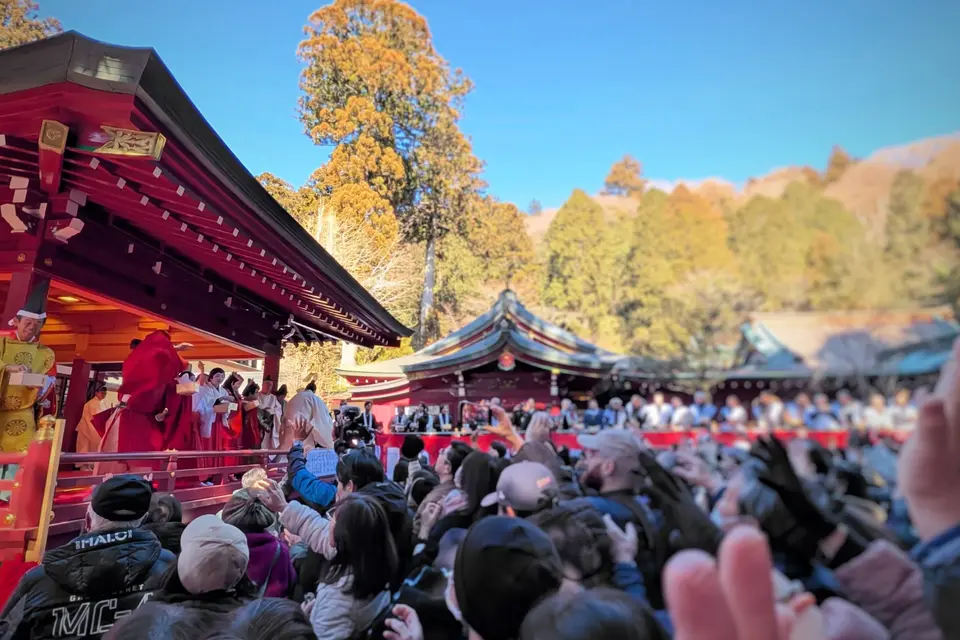
Setsubun

節分

The day before spring begins in the old reckoning, when dried beans are thrown to drive out misfortune — “Demons out, good luck in!” Temples and shrines hold public bean-throwing, and the date is set by the sun, not the calendar.

3. Februar 2027Offiziell bekannt gegeben

JapanUmzug

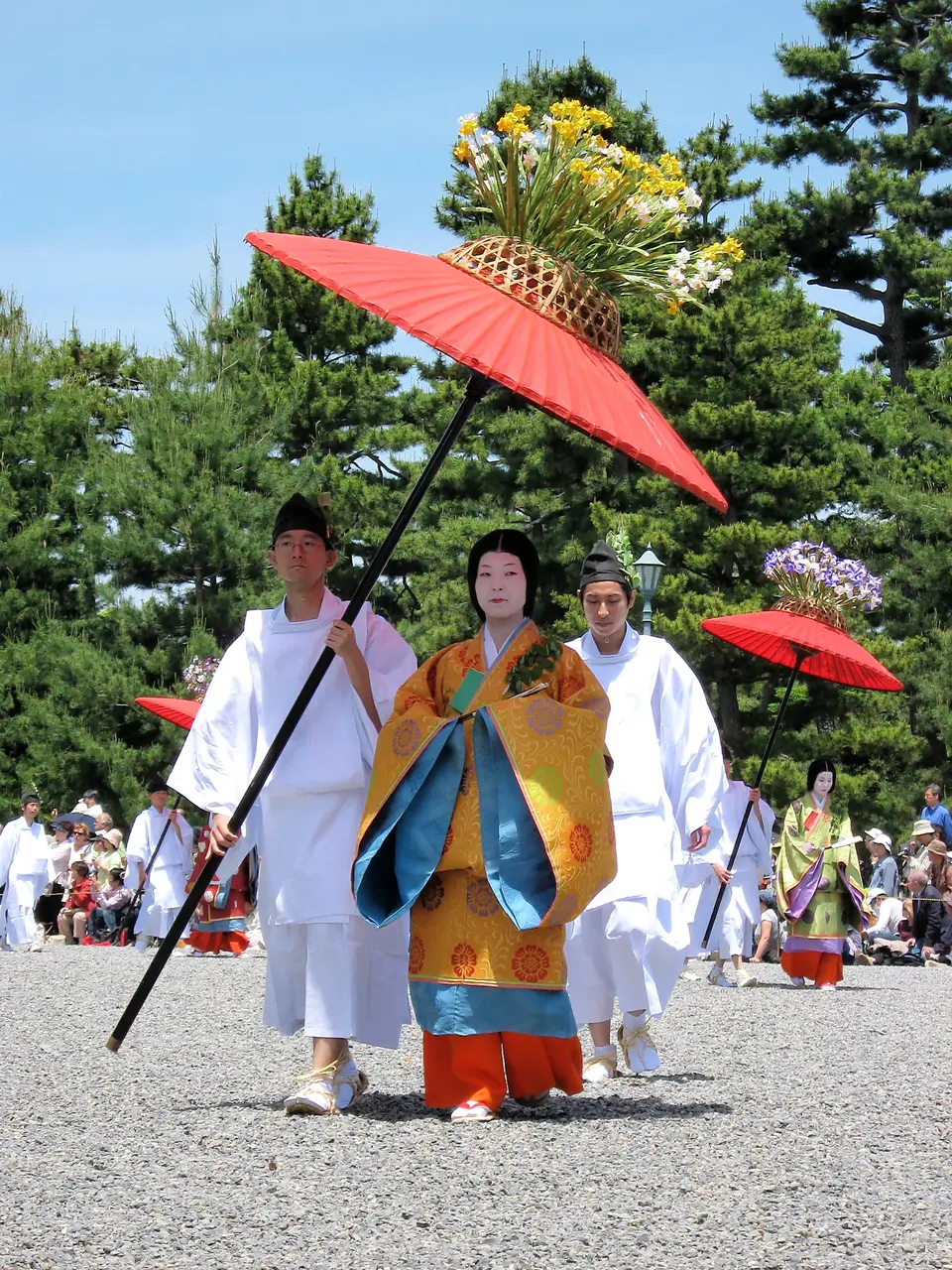
Aoi Matsuri

葵祭

On 15 May a procession in the court dress of the Heian era leaves the Kyoto Imperial Palace for the Shimogamo and Kamigamo shrines. It is one of Kyoto’s three great festivals, and once so central to court life that “the festival” simply meant this one.

15. Mai 2027Berechnet

JapanUmzug

Gion Matsuri

祇園祭

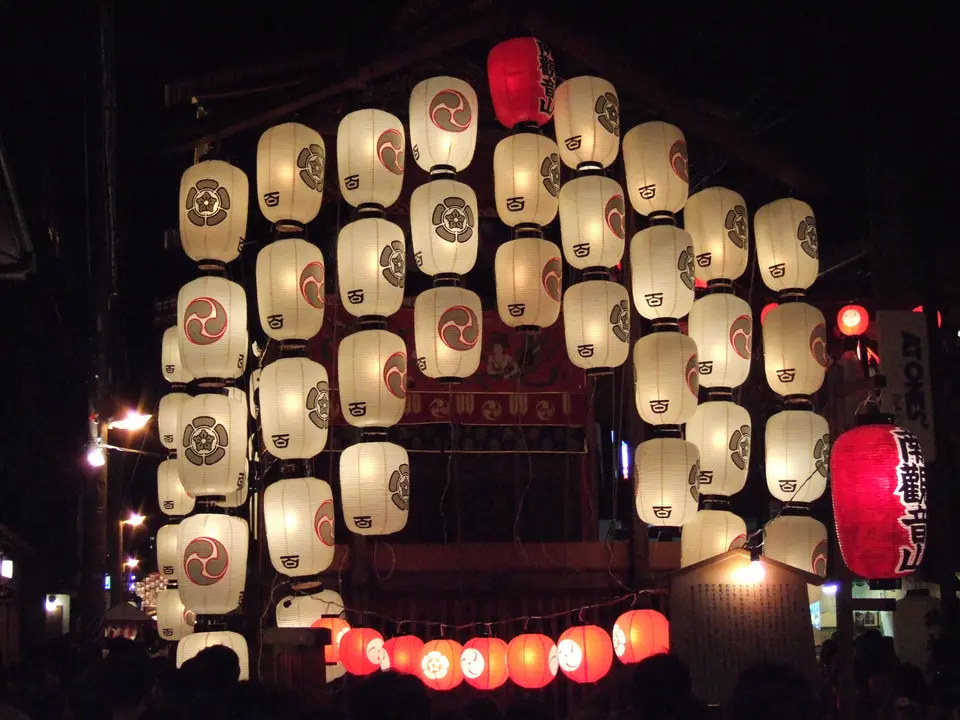
Kyoto’s great summer festival lasts the whole of July. Its high points are the lantern-lit yoiyama evenings and the processions of towering yamahoko floats on 17 and 24 July, built and hauled by the city’s own neighbourhoods.

1.–31. Juli 2027Berechnet

JapanJahreszeit

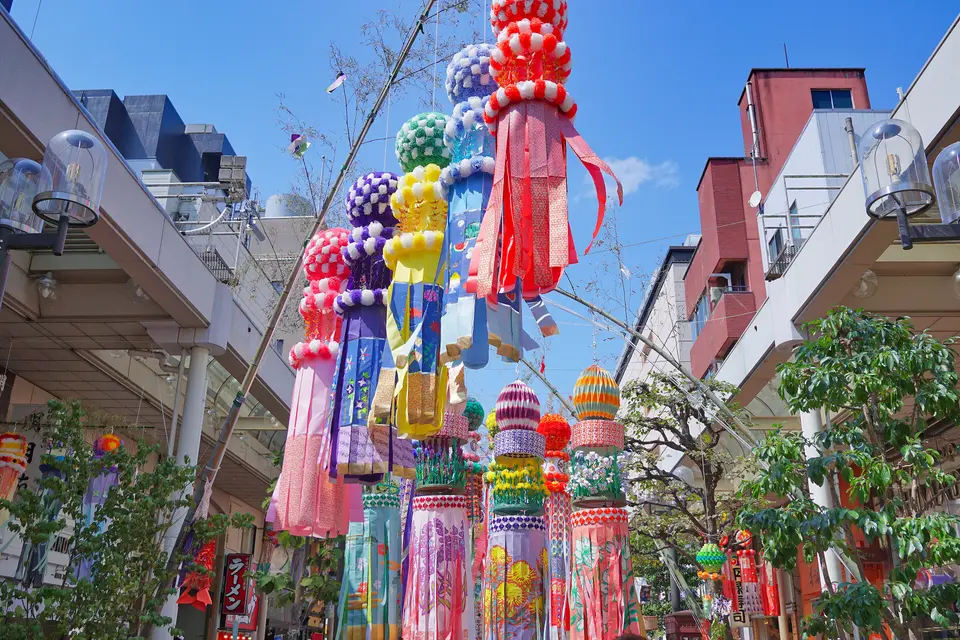
Tanabata

七夕

The star festival of the seventh night of the seventh month. Most of Japan keeps it on 7 July; Sendai, one of several places that kept the old season, hangs its great paper streamers from 6 to 8 August.

7. Juli 2027Berechnet

JapanAufführung

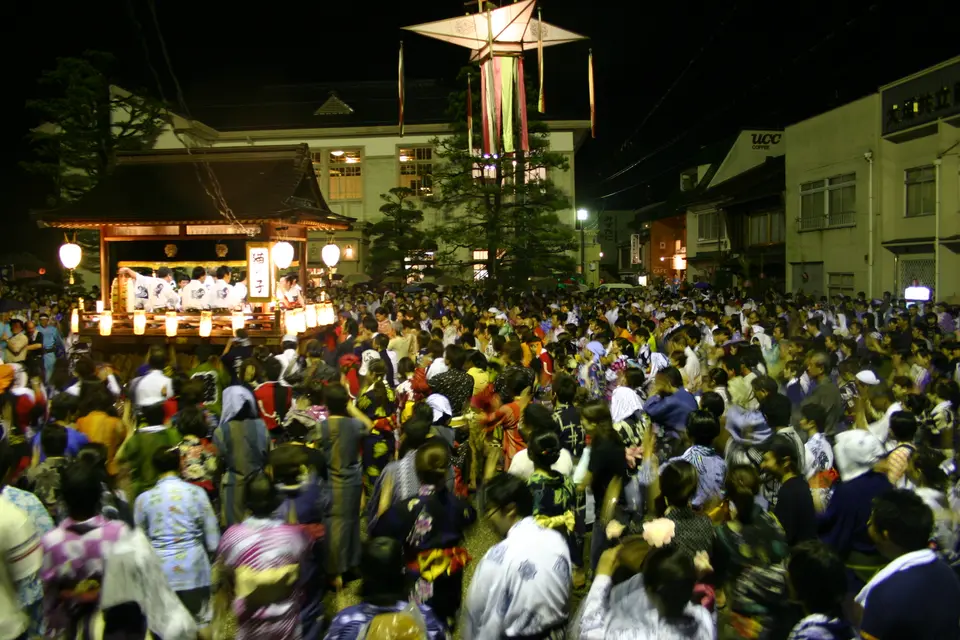
Gujo Odori

郡上おどり

For more than thirty summer nights the castle town of Gujo Hachiman dances in the streets — and it is a dance to join, not to watch. Over Obon the dancing goes on all night, until the hour before dawn.

Juli–September 2027Ungefährer Zeitraum

JapanGedenken

Obon

お盆

Japan’s summer days of the dead, when ancestors are said to come home for a few days. Families light lanterns to guide them, visit graves, and at the end set lanterns on the water to send them back. Mostly kept in August; in some places in July.

13.–15. Juli 2027Berechnet

JapanUmzug

Aomori Nebuta Matsuri

青森ねぶた祭

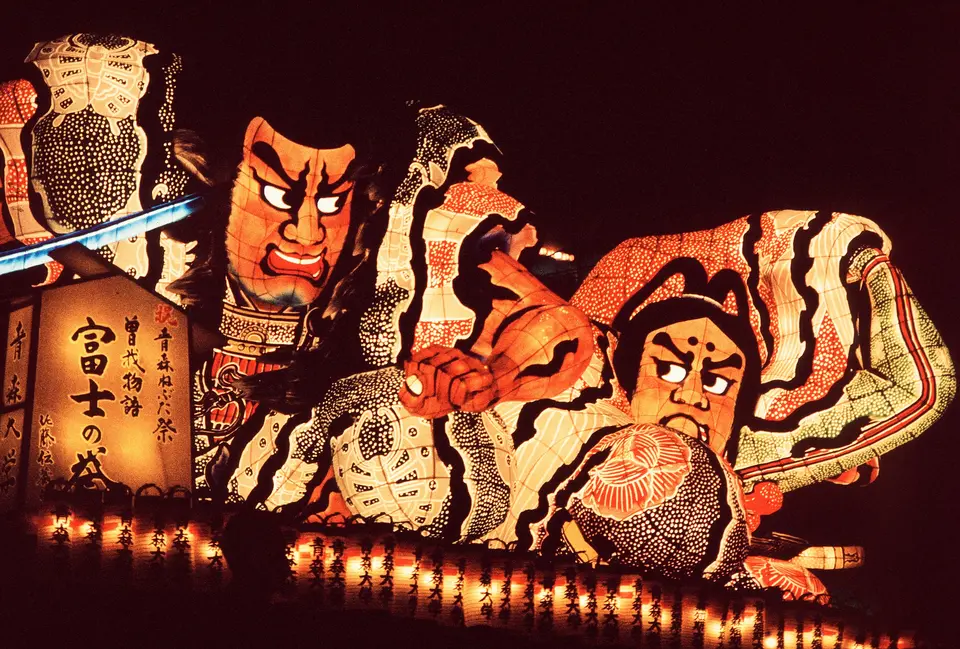
For six nights in August, giant paper figures lit from within are hauled through Aomori to flute, drum and gong, with thousands of costumed dancers leaping alongside. Anyone may join the dancers — the costume is the only ticket.

2.–7. August 2027Berechnet

Quellen dieser Seite

  1. Travel Etiquette for the Future — responsible traveller guidelinesJapan Tourism Agency · abgerufen am 16. September 2026
  2. ObonJapan Tourism Agency multilingual database · abgerufen am 20. August 2026
  3. 暦Wiki: 七夕National Astronomical Observatory of Japan · abgerufen am 20. August 2026