Jepang

Matsuri Jepang adalah perayaan kuil Shinto, kereta hias lingkungan, tarian musim panas dan ritus musiman. Banyak di antaranya berpindah ke kalender surya pada 1873, dan sebagian masih memperlihatkan jejak perubahan itu satu setengah abad kemudian.

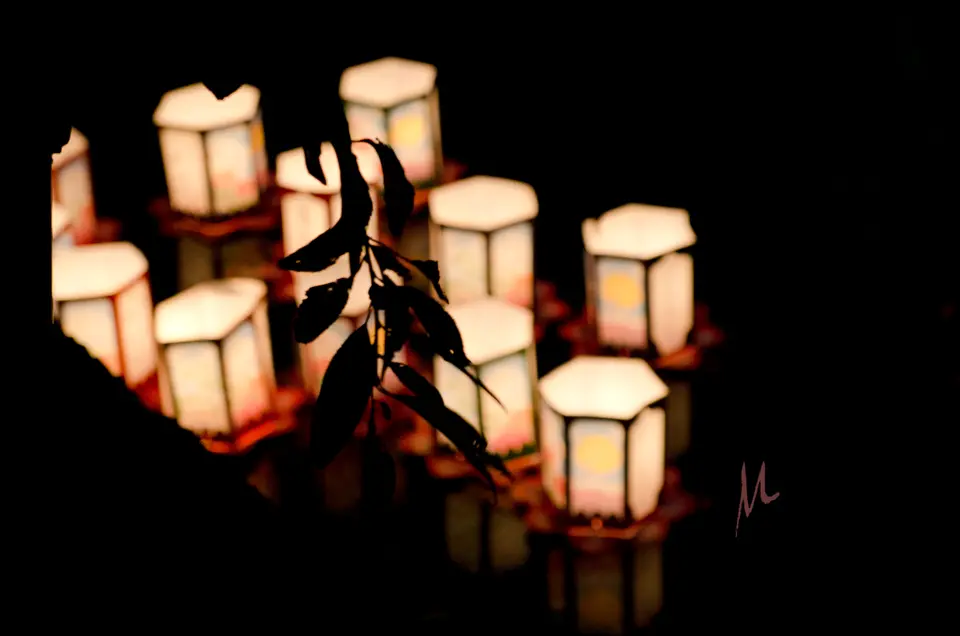
Foto: Sakurai Midori, CC BY-SA 3.0, melalui Wikimedia Commons

Matsuri pada dasarnya adalah perayaan sebuah kuil Shinto dan masyarakat di sekelilingnya. Banyak yang paling dikenal justru dipikul oleh lingkungan warga, bukan oleh penyelenggara pusat: penduduk membangun, menghias dan menarik kereta hias, serta menjaga musik dan tariannya hidup dari satu angkatan ke angkatan berikutnya.

Sejarah kalender Jepang tampak pada perayaannya. Ketika negeri itu memakai kalender surya pada akhir 1872, sebagian perayaan mempertahankan angka tanggalnya dan bergeser sebulan lebih awal dalam musim, sedangkan yang lain berpindah ke saat tanggal lama itu jatuh. Karena itulah Tanabata berlangsung pada Juli di banyak tempat tetapi pada Agustus di Sendai, dan Obon dijalani pada Agustus di hampir seluruh negeri tetapi pada Juli di beberapa kota.

Entri di sini berkisar dari perayaan kota yang berlangsung sebulan hingga ritus yang dijalani di rumah — dan masing-masing menyebutkan termasuk yang mana.

Festival di Jepang

JepangArak-arakan

Takayama Matsuri

高山祭

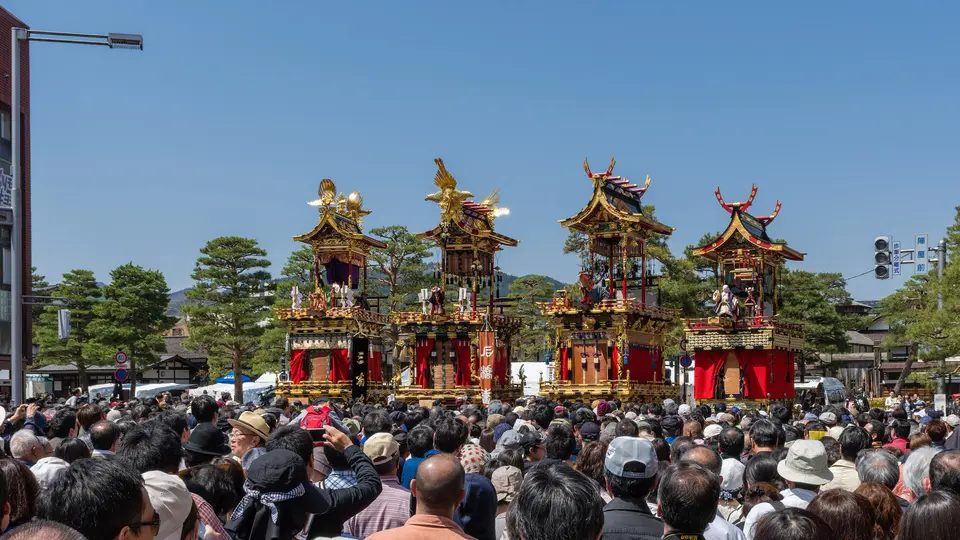
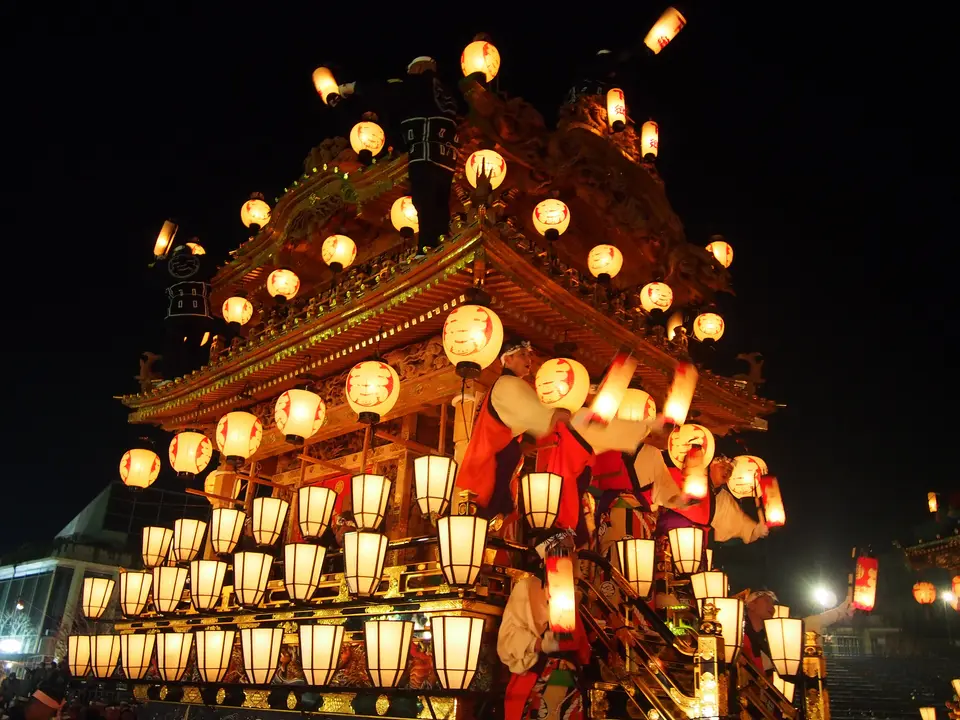
Twice a year, in April and October, the old mountain town of Takayama brings out its lacquered, gilded yatai floats — twelve in spring, eleven in autumn — and on the first evening hangs them with hundreds of lanterns.

9–10 Oktober 2026Dihitung
JepangArak-arakan

Chichibu Yomatsuri

秩父夜祭

On a cold December night in the mountains of Saitama, six great floats blazing with lanterns are hauled through Chichibu and up the steep Dango-zaka slope, while fireworks burst over the town.

2–3 Desember 2026Dihitung

JepangMusiman

Setsubun

節分

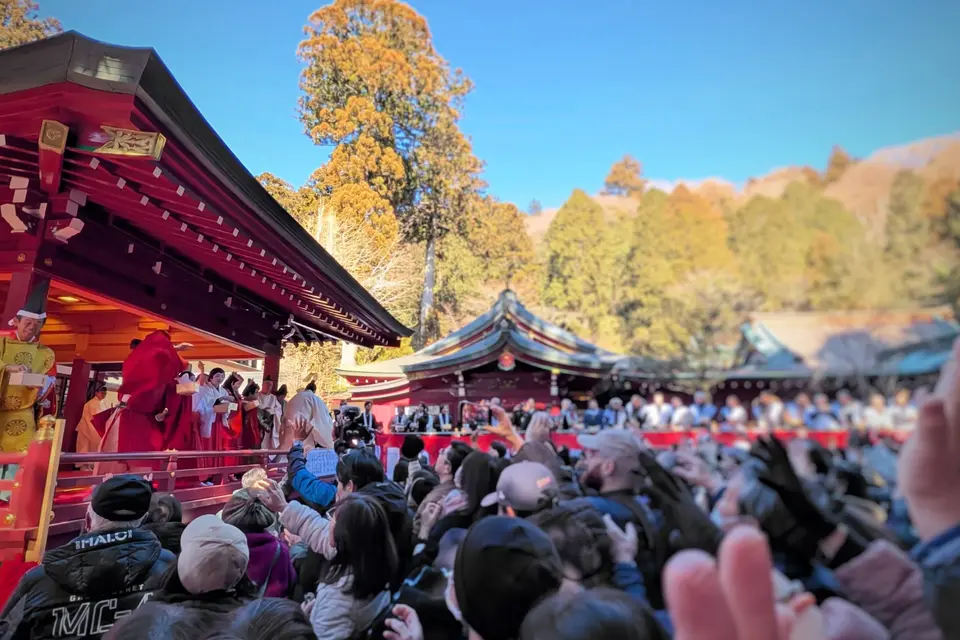
The day before spring begins in the old reckoning, when dried beans are thrown to drive out misfortune — “Demons out, good luck in!” Temples and shrines hold public bean-throwing, and the date is set by the sun, not the calendar.

3 Februari 2027Diumumkan resmi

JepangArak-arakan

Aoi Matsuri

葵祭

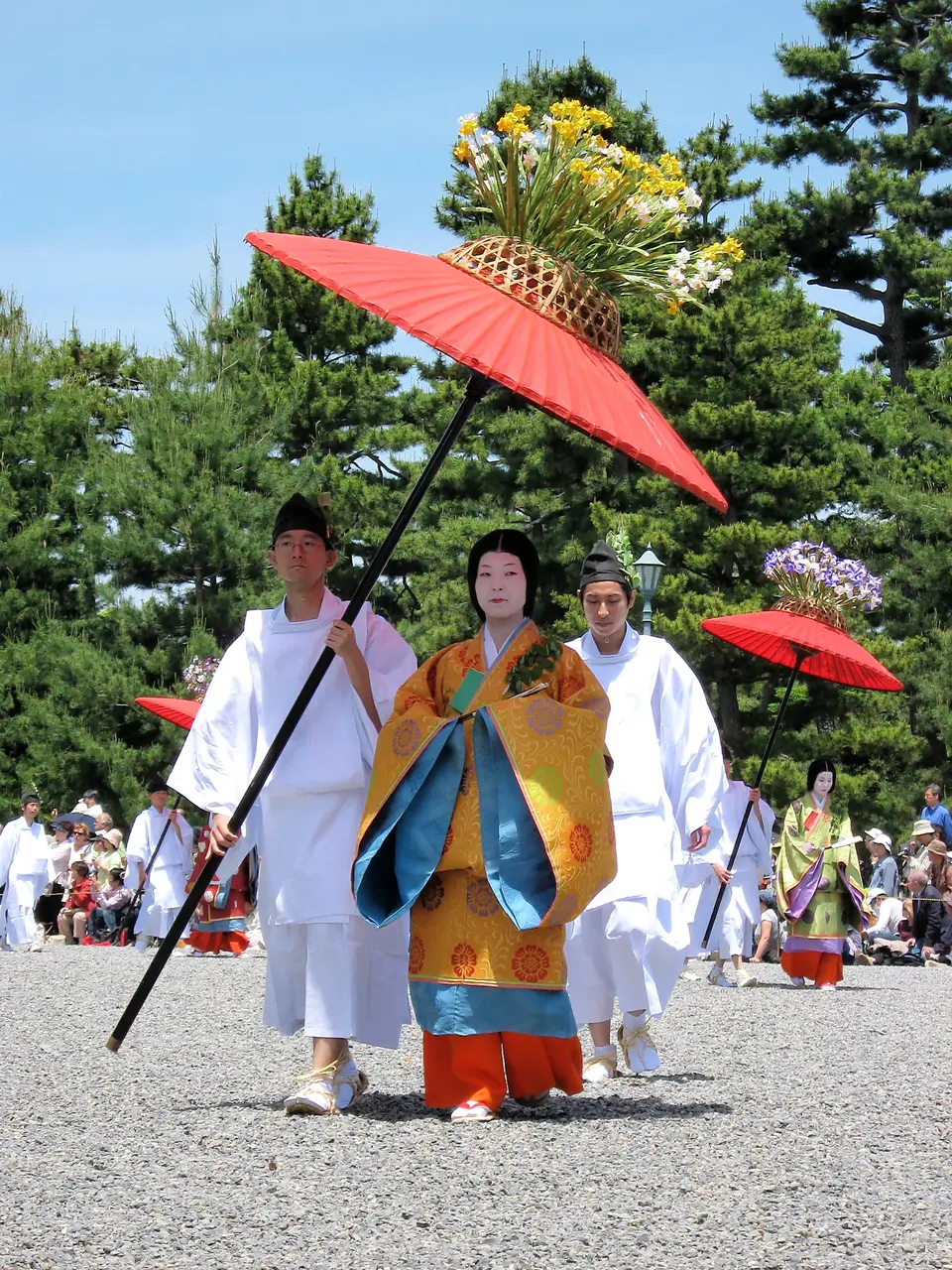
On 15 May a procession in the court dress of the Heian era leaves the Kyoto Imperial Palace for the Shimogamo and Kamigamo shrines. It is one of Kyoto’s three great festivals, and once so central to court life that “the festival” simply meant this one.

15 Mei 2027Dihitung

JepangArak-arakan

Gion Matsuri

祇園祭

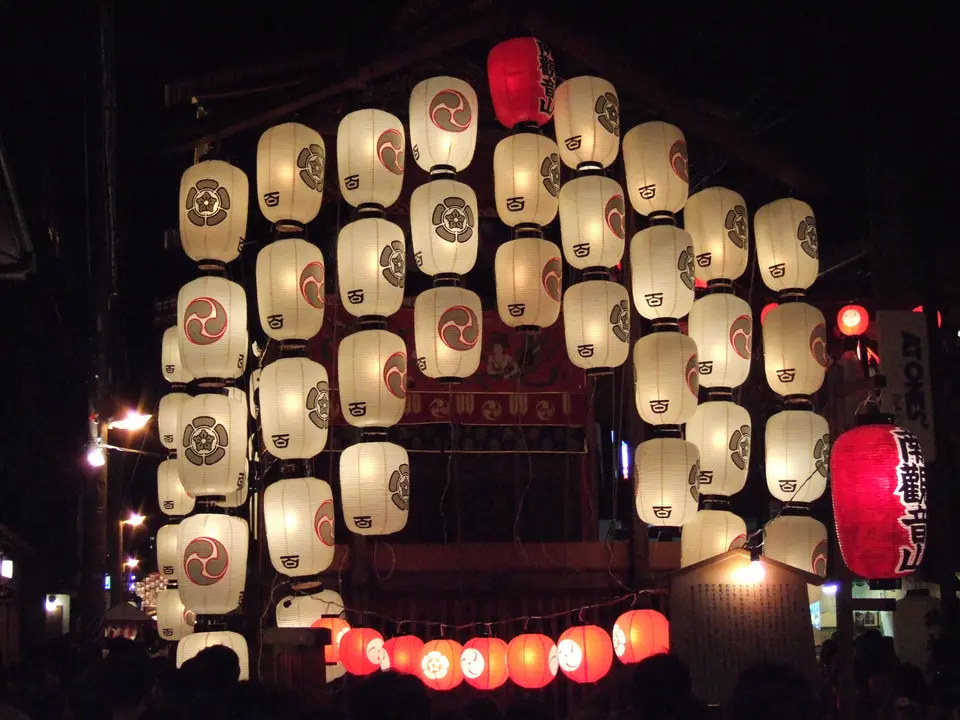
Kyoto’s great summer festival lasts the whole of July. Its high points are the lantern-lit yoiyama evenings and the processions of towering yamahoko floats on 17 and 24 July, built and hauled by the city’s own neighbourhoods.

1–31 Juli 2027Dihitung

JepangMusiman

Tanabata

七夕

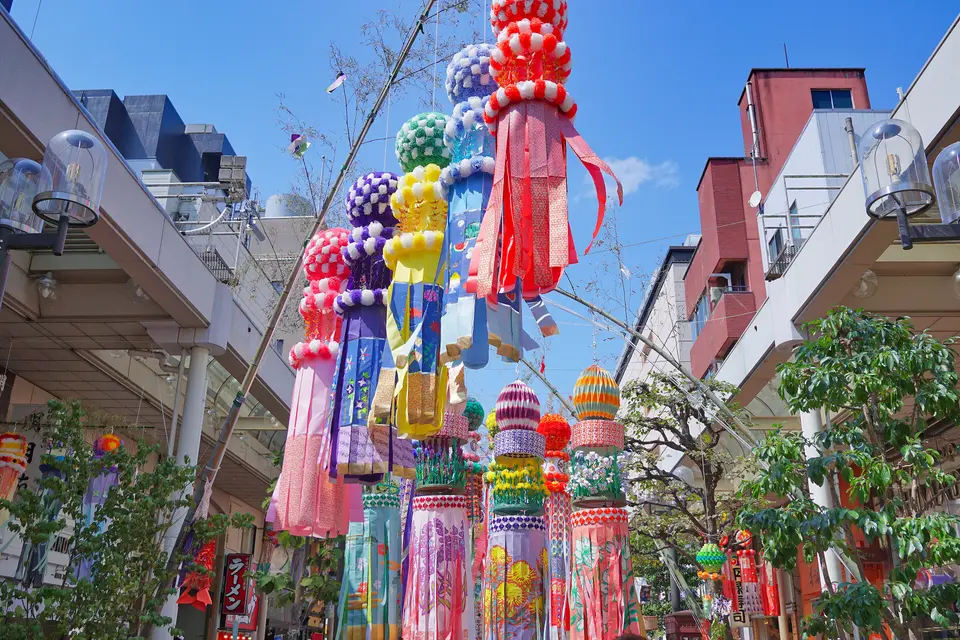
The star festival of the seventh night of the seventh month. Most of Japan keeps it on 7 July; Sendai, one of several places that kept the old season, hangs its great paper streamers from 6 to 8 August.

7 Juli 2027Dihitung

JepangPertunjukan

Gujo Odori

郡上おどり

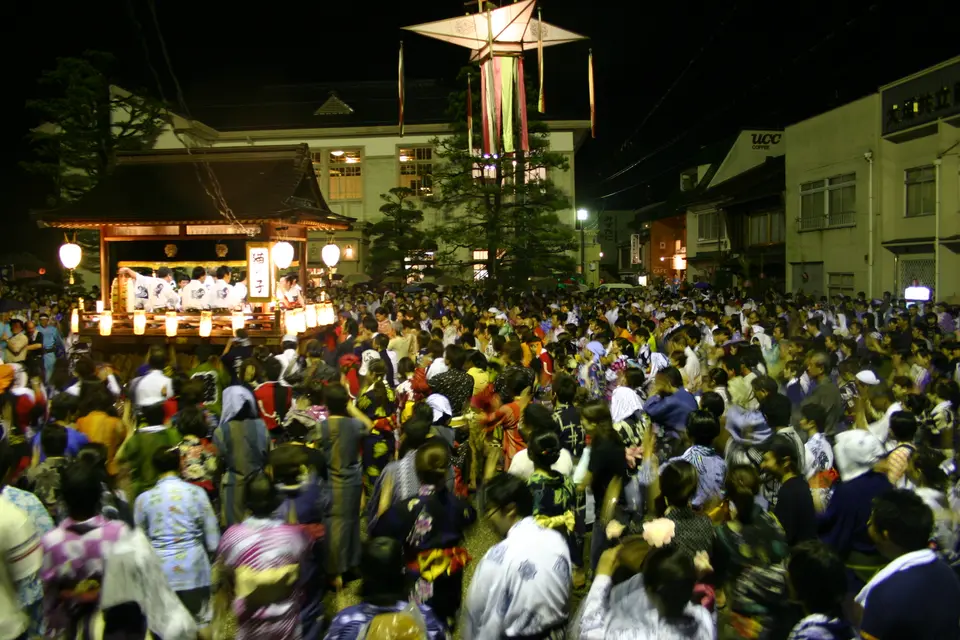
For more than thirty summer nights the castle town of Gujo Hachiman dances in the streets — and it is a dance to join, not to watch. Over Obon the dancing goes on all night, until the hour before dawn.

Juli–September 2027Perkiraan periode

JepangPeringatan

Obon

お盆

Japan’s summer days of the dead, when ancestors are said to come home for a few days. Families light lanterns to guide them, visit graves, and at the end set lanterns on the water to send them back. Mostly kept in August; in some places in July.

13–15 Juli 2027Dihitung

JepangArak-arakan

Aomori Nebuta Matsuri

青森ねぶた祭

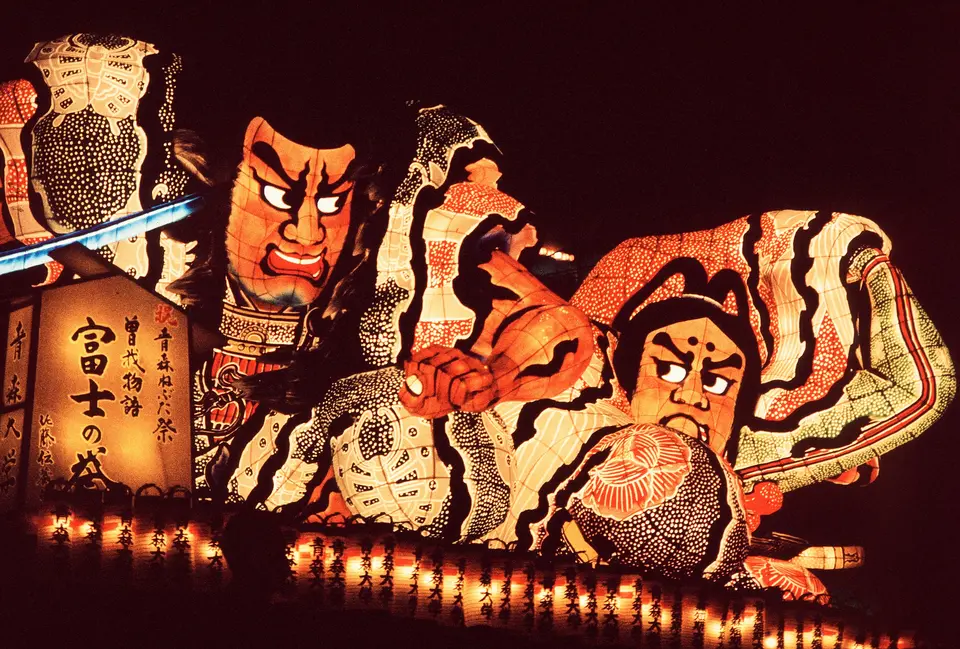
For six nights in August, giant paper figures lit from within are hauled through Aomori to flute, drum and gong, with thousands of costumed dancers leaping alongside. Anyone may join the dancers — the costume is the only ticket.

2–7 Agustus 2027Dihitung

Sumber halaman ini

  1. Travel Etiquette for the Future — responsible traveller guidelinesJapan Tourism Agency · diakses 16 September 2026
  2. ObonJapan Tourism Agency multilingual database · diakses 20 Agustus 2026
  3. 暦Wiki: 七夕National Astronomical Observatory of Japan · diakses 20 Agustus 2026