Shrovetide processions of the Hlinecko area
Masopustní obchůzky na Hlinecku
On UNESCO’s list of the Intangible Cultural Heritage of Humanity
Photo: Barbora Sof, CC BY-SA 4.0, via Wikimedia Commons
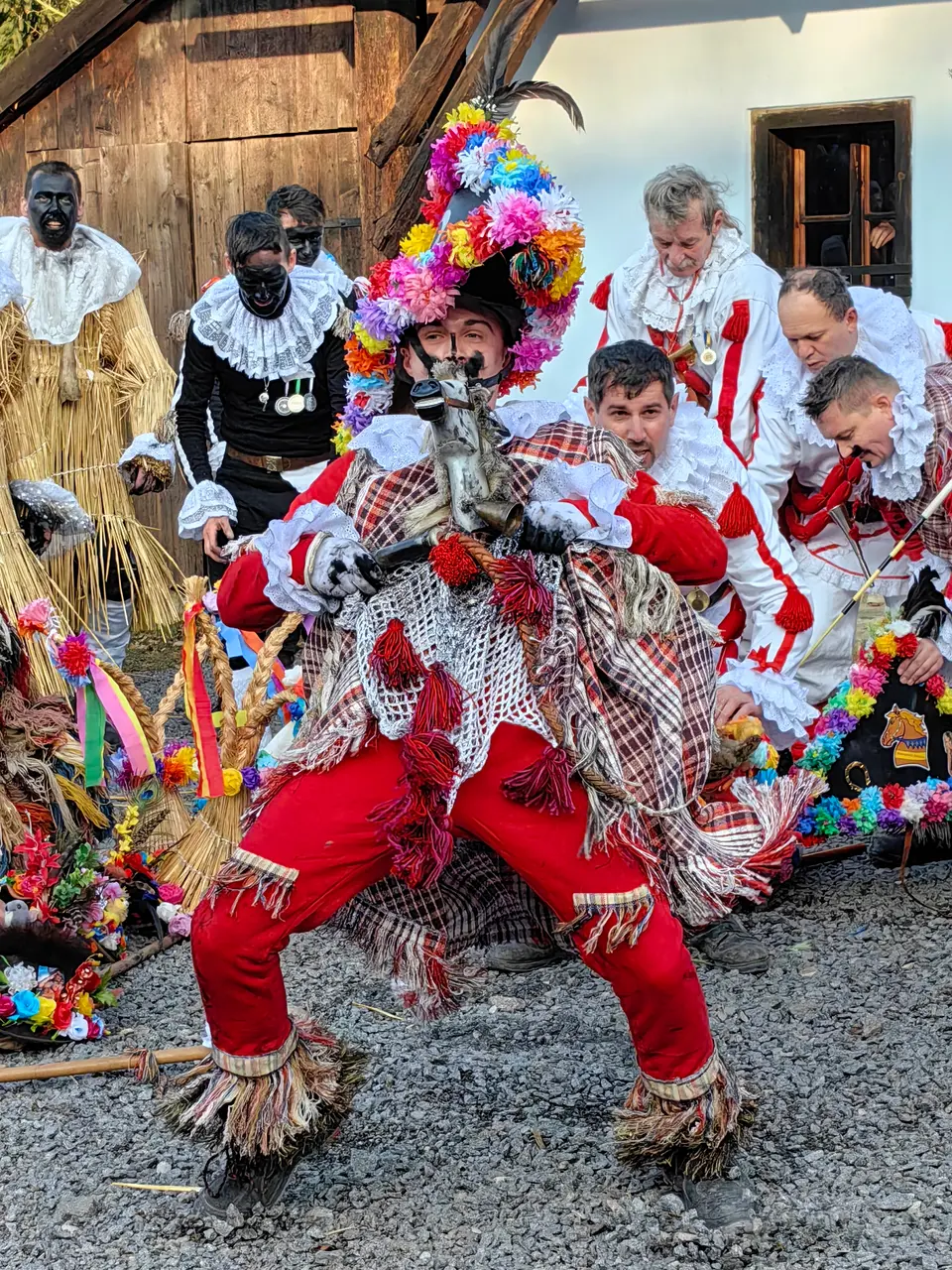
In the weeks before Lent, the men and boys of a handful of villages in the Bohemian-Moravian Highlands put on masks and walk their village from house to house with a brass band, dancing a ritual round in each yard for a good harvest. The day ends with the mare condemned, executed and brought back to life.
A village, house by house
In Hlinsko and six villages around it, in the Bohemian-Moravian Highlands, the men and boys go through the whole village on a day in the weeks before Lent, wearing masks and accompanied by a brass band. They ask permission to walk, and then they go from house to house. At each one they dance a ritual round, which is done to secure a rich harvest and the prosperity of that family, and are given food, drink and a little money for it.
The masks are divided into two kinds, and everyone in the village knows which is which: red masks are worn by the boys, black by the married men. Among the figures are the laufr, who leads and asks the permission, a woman, the Turks, the straw man, a chimney sweep, a pedlar, and at the front the mare with the ras, the knacker, behind her. Parents make copies of the old masks for their sons, and children help with the preparations; that is how the thing has been passed on.
The killing of the mare
The last house is followed by the killing of the mare. The mare is accused of the year's wrongdoings in a comic, topical testament, read out in front of everyone; then she is symbolically executed. A drink brings her back to life, and the dancing starts. The custom outlived bans by both the church and the socialist government, and it was inscribed on UNESCO's Representative List of the Intangible Cultural Heritage of Humanity in 2010.
Which village, which day
Shrovetide itself ends on the Tuesday before Ash Wednesday and moves with Easter, but the villages spread their processions over the weeks before it, each taking its own Saturday: Veselý Kopec and Hamry, Hlinsko-Blatno, Vortová and Studnice, Vítanov and Stan, Včelákov, Jeníkov. Hlinsko itself says goodbye to the season on Shrove Tuesday, with the children's masks walking from the school in the morning. The dates for each year are published by the town and by the open-air museum in January.
When it happens
Shrovetide ends on the Tuesday before Ash Wednesday, so it moves with Easter. The villages do not all walk on the same day — each sets its own Saturday in the weeks before Lent, and Hlinsko says goodbye to the season on Shrove Tuesday itself. The dates are published locally in January.
- February 7 – 9, 2027Calculated
- February 27 – 29, 2028Calculated
- February 11 – 13, 2029Calculated
- March 3 – 5, 2030Calculated
Visiting with respect
Good to know
- The procession comes to the houses, not to an audience. Stand aside in the yard, let the masks dance their round, and give them something when they finish.
- The masks are made at home, often by a father copying his own for his son. If you photograph the makers rather than the masks, ask first.
- Only men and boys of the village walk in the procession. Watching is welcome; joining is not.
Avoid
- Do not interrupt the ritual round in a yard. It is danced for that household's year, and it is the reason the procession is there.
- Do not treat the killing of the mare as a piece of theatre to be applauded in the middle. It has a fixed order, and it ends by itself.
Stay safe
- The processions start early and go on all day, and there is drink at every house. The roads are winter roads.
- Village lanes in February are icy. There is no crowd control because there is no crowd — only the village and whoever came.
- Petty theft is common at crowded Czech events; keep valuables out of outer pockets.
Sources
This entry was written from the following sources.
- Shrovetide door-to-door processions and masks in the villages of the Hlinecko areaUNESCO · read September 24, 2026
- Masopust na Hlinecku — obce a termíny obchůzekTuristické informační centrum Hlinsko · read September 24, 2026
- Masopust na Veselém KopciNárodní muzeum v přírodě · read September 24, 2026
- Czech Republic travel advice: safety and securityUK Foreign, Commonwealth & Development Office · read September 24, 2026
Related festivals
Busójárás
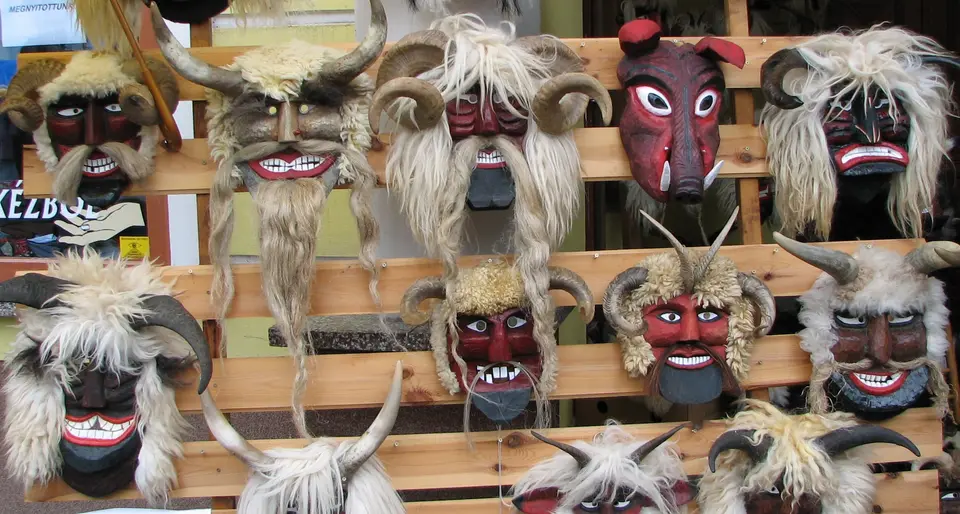
At the end of carnival, the Danube town of Mohács is overrun by busós — men in carved wooden masks and shaggy sheepskins who arrive by rowing boat, parade through the streets with noise and fire, and burn a coffin that stands for winter.
February 4 – 9, 2027Calculated
Carnival of Binche
Carnaval de Binche
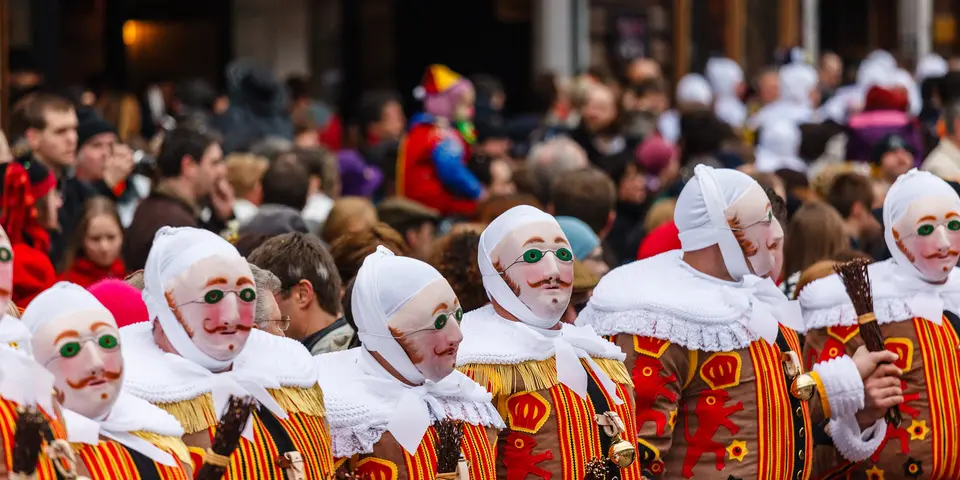
For the three days before Lent, the small Walloon town of Binche belongs to its Gilles — up to a thousand men in wax masks and wooden clogs who dance from dawn to drive away evil spirits and, crowned with ostrich plumes, throw oranges to the crowd.
February 7 – 9, 2027Calculated
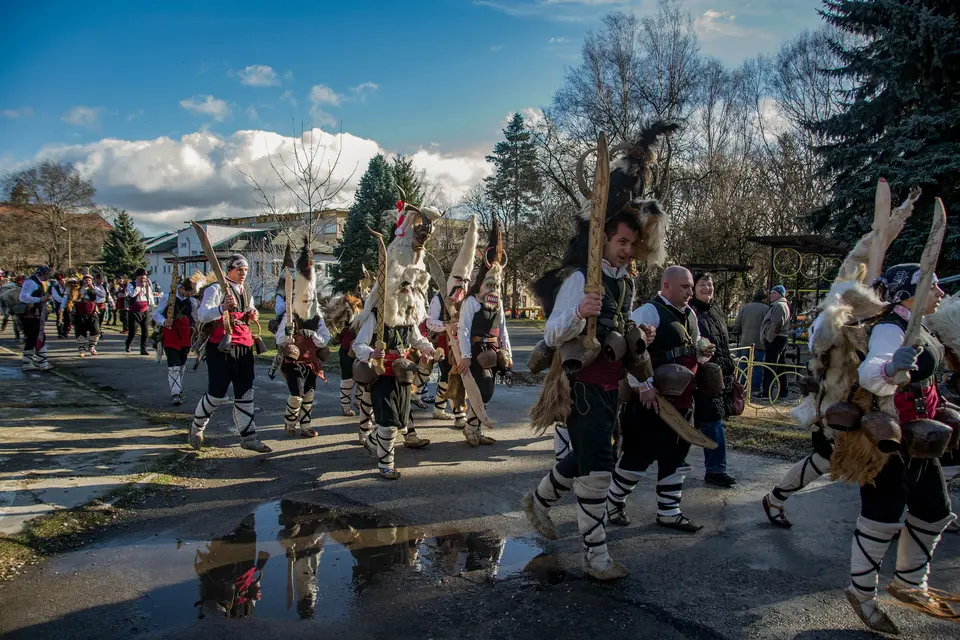
Surova
Сурова
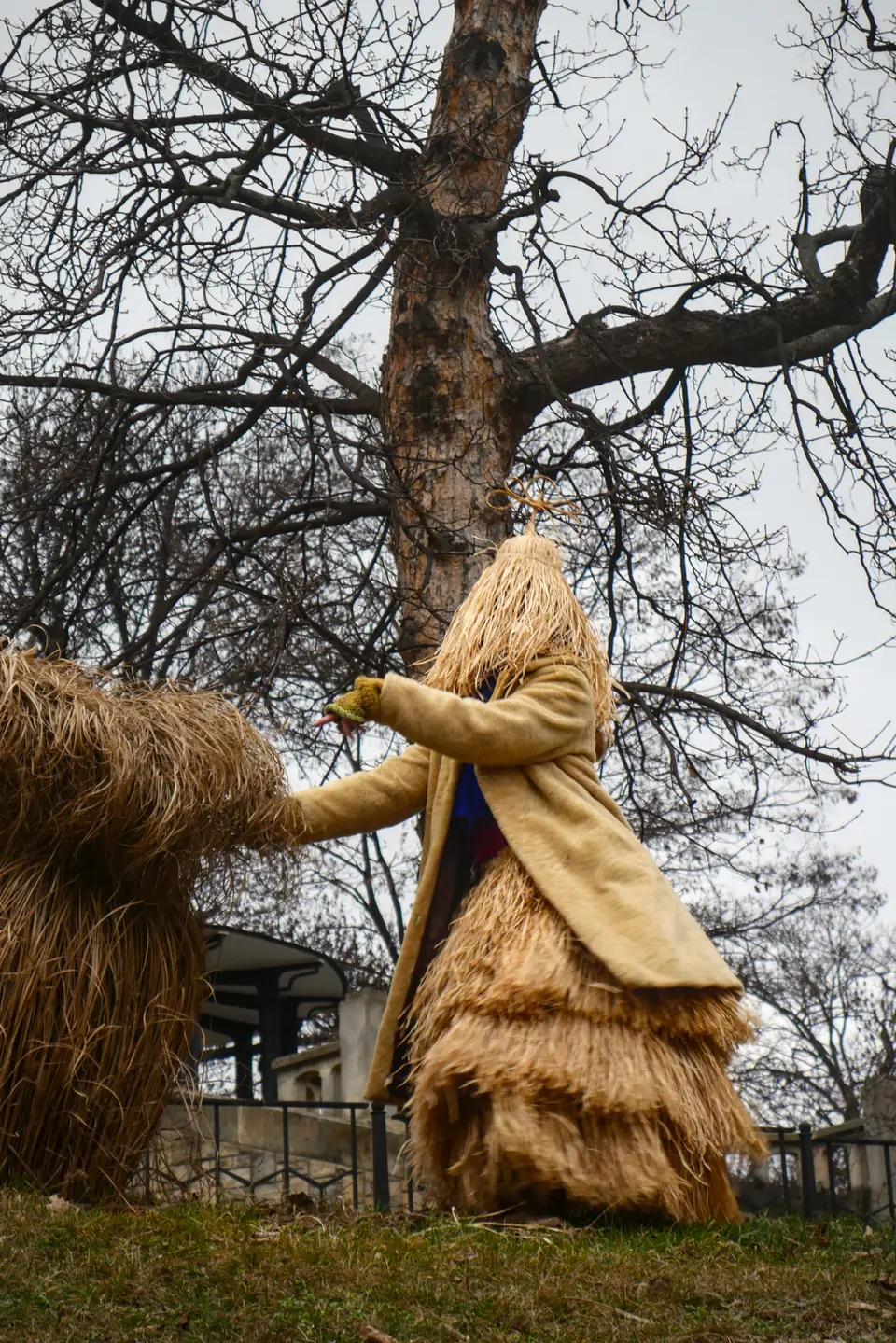
On the nights of 13 and 14 January, masked survakari in fur, horns and heavy bells gather around fires in the villages of the Pernik region, then go from house to house marrying young couples in jest and wishing health for the new year — a masquerade listed by UNESCO.
January 13 – 14, 2027Calculated
Comments
Have you been there? Tell other readers what to expect.
No comments yet.
Comments are read by the site’s owner before they appear.