Halaman ini belum diterjemahkan ke bahasa Indonesia; teks asli bahasa Inggris ditampilkan.

Nonvitcha
Foto: Jule-way Prod, CC BY-SA 4.0, melalui Wikimedia Commons
In 1919 a man from a village near Grand-Popo travelled through West Africa and came home convinced that two peoples of the same coast were not speaking to each other. He founded an association to fix it. A century later, the whole coast still comes back on Pentecost Sunday.
Brothers united
Nonvitcha means brothers united in Mina. It is the annual reunion of the Xwla and the Xwéda, two peoples of the coastal lagoons of southern Benin, held at Grand-Popo.
The man behind it is Adolphe Gnansounou Akpa, from the small village of Doyi at Grand-Popo. In 1919 he travelled through Cameroon, Ghana, Nigeria and Togo, and what struck him on the journey was not anything he saw abroad but something he understood about home: that the Xwla and the Xwéda, who share a coast, were not acting as one. He founded Nonvitcha in 1921 to do something about it. The first celebration was held in 1923.
It was set up as a formal association — a non-profit under the French law of 1 July 1901 — and the Dahomey administration approved its statutes by decree in 1933. That is unusually documentary for a festival. Most of them cannot produce the paperwork.
Pentecost
The date is Pentecost Sunday, the fiftieth day after Easter, which puts it in May or June depending on the year. The official day is a large thanksgiving mass on the Nonvitcha square, presided over by the bishop of Lokossa. Around it run the rest of it: cultural, sporting and recreational events across the weekend, and the crowds that fill a small coastal town.
The association did not stop at the party. It builds — schools, health centres, laboratories for schools — and describes its purpose as strengthening the bond between the two communities, reviving their spiritual and artistic inheritance, and working on the economic and social development of the coast. The festival is the visible part of a body that does other things the rest of the year.
Kapan berlangsung
Pentecost Sunday, fifty days after Easter. The gathering runs across the weekend and the Sunday mass is the official day.
- 16 Mei 2027Dihitung
- 4 Juni 2028Dihitung
- 20 Mei 2029Dihitung
- 9 Juni 2030Dihitung


Sumber
Entri ini ditulis berdasarkan sumber-sumber berikut.
Festival terkait
Vodun Days
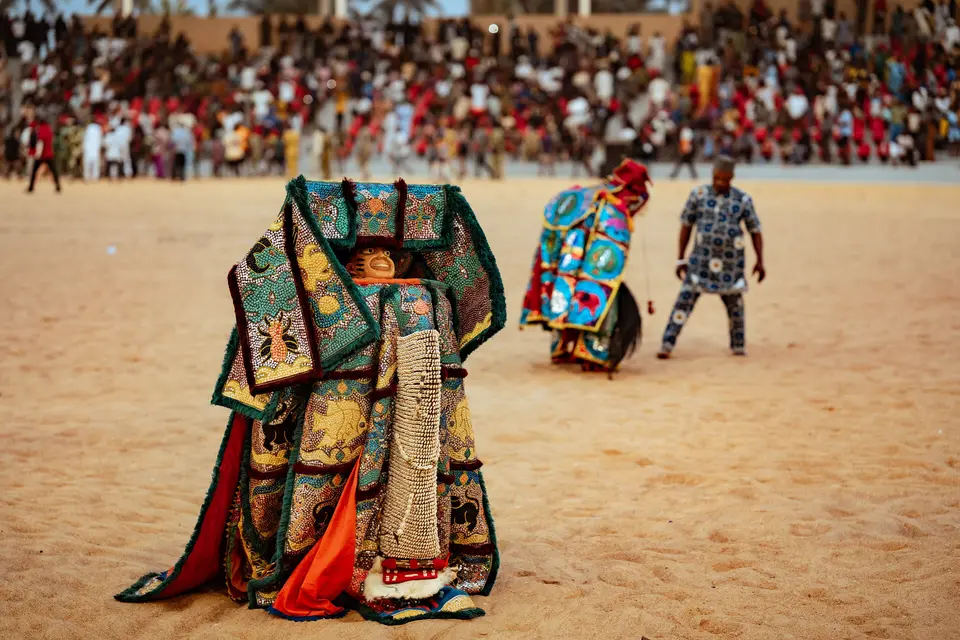
Setiap Januari, umat dari biara-biara Vodun di Benin turun ke jalan dan ke pantai Ouidah — penjaga malam Zangbétɔ berbalut jerami, arak-arakan bertopeng Egungun, dan penari Vodun — dalam perayaan yang memuncak pada upacara besar tempat para imam Fá mengumumkan pertanda tahun itu.
2–9 Januari 2027Diumumkan resmi
Homowo
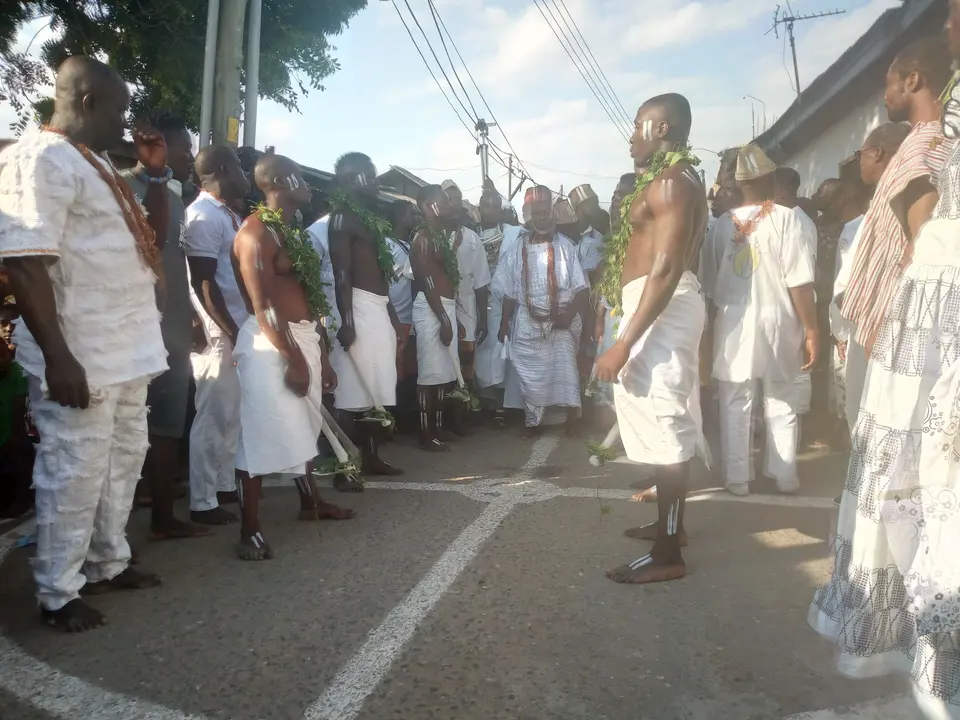
Orang Ga di Accra mengenang sebuah kelaparan dengan menertawakannya: setelah berpekan-pekan tabuhan gendang dan kegaduhan dilarang, para kepala suku menaburkan kpokpoi — jagung kukus bercampur minyak sawit — di jalanan, dan gendang pun kembali untuk “menyoraki kelaparan”.
Agustus–September 2026Perkiraan periode
Magal Agung Touba
Grand Magal de Touba
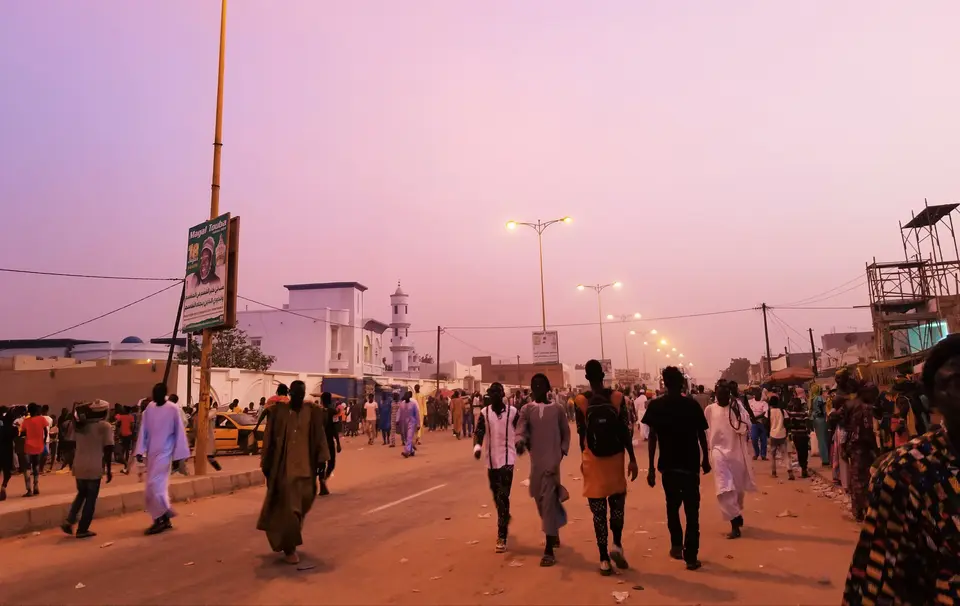
Pada 18 Safar, jutaan peziarah persaudaraan Mouride berdatangan ke kota suci Touba untuk menghormati pendirinya, Syekh Amadou Bamba, dan memperingati pembuangannya oleh Prancis — perayaan terbesar di Senegal dan salah satu ziarah paling ramai di dunia.
22–23 Juli 2027Perkiraan
Komentar
Pernah ke sana? Ceritakan kepada pembaca lain apa yang menanti.
Belum ada komentar.
Komentar dibaca pemilik situs sebelum tampil.