این صفحه هنوز به فارسی ترجمه نشده است و متن اصلی انگلیسی نمایش داده میشود.

Nonvitcha
عکس: Jule-way Prod، CC BY-SA 4.0، از ویکیانبار
In 1919 a man from a village near Grand-Popo travelled through West Africa and came home convinced that two peoples of the same coast were not speaking to each other. He founded an association to fix it. A century later, the whole coast still comes back on Pentecost Sunday.
Brothers united
Nonvitcha means brothers united in Mina. It is the annual reunion of the Xwla and the Xwéda, two peoples of the coastal lagoons of southern Benin, held at Grand-Popo.
The man behind it is Adolphe Gnansounou Akpa, from the small village of Doyi at Grand-Popo. In 1919 he travelled through Cameroon, Ghana, Nigeria and Togo, and what struck him on the journey was not anything he saw abroad but something he understood about home: that the Xwla and the Xwéda, who share a coast, were not acting as one. He founded Nonvitcha in 1921 to do something about it. The first celebration was held in 1923.
It was set up as a formal association — a non-profit under the French law of 1 July 1901 — and the Dahomey administration approved its statutes by decree in 1933. That is unusually documentary for a festival. Most of them cannot produce the paperwork.
Pentecost
The date is Pentecost Sunday, the fiftieth day after Easter, which puts it in May or June depending on the year. The official day is a large thanksgiving mass on the Nonvitcha square, presided over by the bishop of Lokossa. Around it run the rest of it: cultural, sporting and recreational events across the weekend, and the crowds that fill a small coastal town.
The association did not stop at the party. It builds — schools, health centres, laboratories for schools — and describes its purpose as strengthening the bond between the two communities, reviving their spiritual and artistic inheritance, and working on the economic and social development of the coast. The festival is the visible part of a body that does other things the rest of the year.
زمان برگزاری
Pentecost Sunday, fifty days after Easter. The gathering runs across the weekend and the Sunday mass is the official day.
- ۱۶ مهٔ ۲۰۲۷محاسبهشده
- ۴ ژوئن ۲۰۲۸محاسبهشده
- ۲۰ مهٔ ۲۰۲۹محاسبهشده
- ۹ ژوئن ۲۰۳۰محاسبهشده


منابع
این مدخل بر پایهٔ منابع زیر نوشته شده است.
جشنهای مرتبط
روزهای وودون
Vodun Days
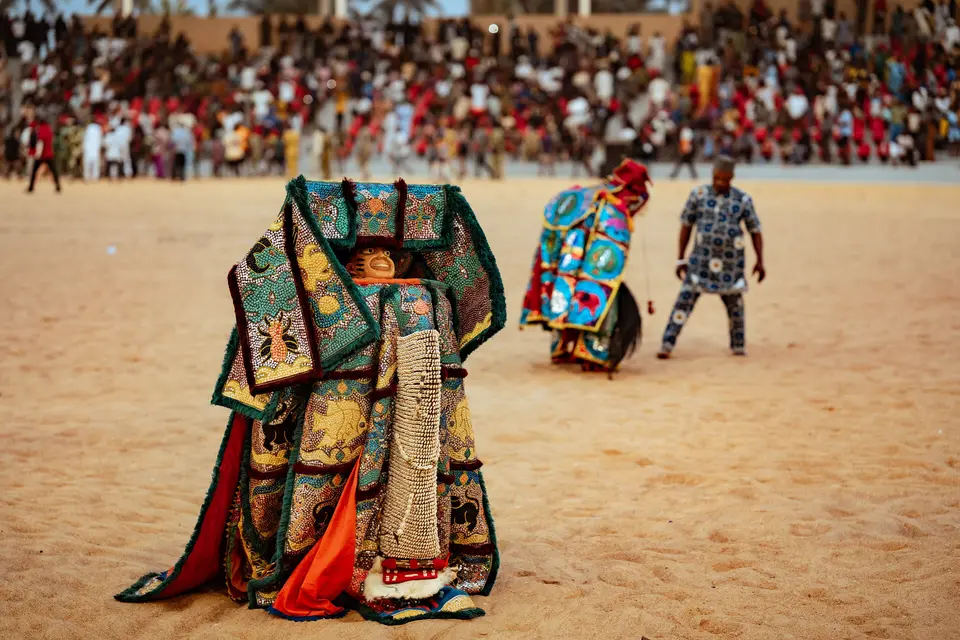
هر ژانویه پیروان صومعههای وودون بنین به خیابانها و ساحل اویدا میآیند ــ زانگبتوها، نگهبانان شب با پوشش حصیری، نقابپوشان اگونگون و رقصندگان وودون ــ و جشن با آیینی بزرگ به اوج میرسد که در آن کاهنان «فا» نشانهٔ سال را اعلام میکنند.
۲ تا ۹ ژانویهٔ ۲۰۲۷اعلام رسمی
هوموو
Homowo
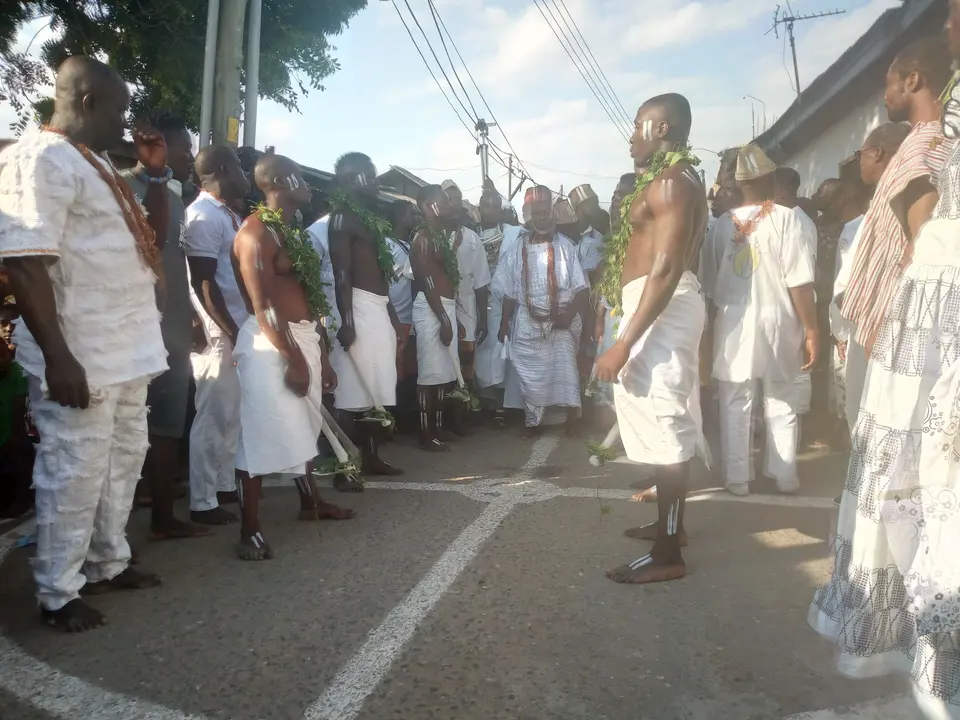
مردم گا در آکرا قحطیای را با ریشخند کردنش به یاد میآورند: پس از هفتههایی که طبلزنی و سروصدا ممنوع است، رؤسا «کپوکپوی» ــ ذرت بخارپز با روغن نخل ــ را در خیابانها میپاشند و طبلها برای «هو کردن گرسنگی» بازمیگردند.
اوت تا سپتامبر ۲۰۲۶بازهٔ تقریبی
مگال بزرگ توبا
Grand Magal de Touba
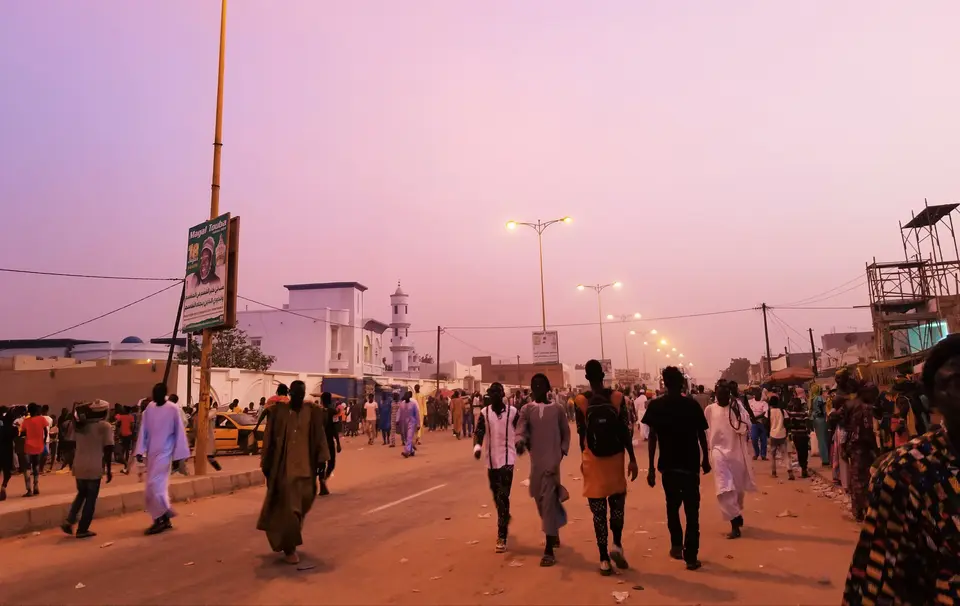
در ۱۸ صفر، میلیونها زائر طریقت مریدیه به شهر مقدس توبا میآیند تا بنیانگذارش، شیخ احمدو بامبا، و سالگرد تبعید او به دست فرانسویان را گرامی بدارند؛ بزرگترین جشن سنگال و یکی از پرطرفدارترین زیارتهای جهان.
۲۲ تا ۲۳ ژوئیهٔ ۲۰۲۷تخمینی
نظرها
آنجا بودهاید؟ به خوانندگان دیگر بگویید در انتظارشان چیست.
هنوز نظری نیست.
نظرها پیش از نمایش به چشم صاحب سایت میرسند.