
Nonvitcha
Photo: Jule-way Prod, CC BY-SA 4.0, via Wikimedia Commons
In 1919 a man from a village near Grand-Popo travelled through West Africa and came home convinced that two peoples of the same coast were not speaking to each other. He founded an association to fix it. A century later, the whole coast still comes back on Pentecost Sunday.
Brothers united
Nonvitcha means brothers united in Mina. It is the annual reunion of the Xwla and the Xwéda, two peoples of the coastal lagoons of southern Benin, held at Grand-Popo.
The man behind it is Adolphe Gnansounou Akpa, from the small village of Doyi at Grand-Popo. In 1919 he travelled through Cameroon, Ghana, Nigeria and Togo, and what struck him on the journey was not anything he saw abroad but something he understood about home: that the Xwla and the Xwéda, who share a coast, were not acting as one. He founded Nonvitcha in 1921 to do something about it. The first celebration was held in 1923.
It was set up as a formal association — a non-profit under the French law of 1 July 1901 — and the Dahomey administration approved its statutes by decree in 1933. That is unusually documentary for a festival. Most of them cannot produce the paperwork.
Pentecost
The date is Pentecost Sunday, the fiftieth day after Easter, which puts it in May or June depending on the year. The official day is a large thanksgiving mass on the Nonvitcha square, presided over by the bishop of Lokossa. Around it run the rest of it: cultural, sporting and recreational events across the weekend, and the crowds that fill a small coastal town.
The association did not stop at the party. It builds — schools, health centres, laboratories for schools — and describes its purpose as strengthening the bond between the two communities, reviving their spiritual and artistic inheritance, and working on the economic and social development of the coast. The festival is the visible part of a body that does other things the rest of the year.
When it happens
Pentecost Sunday, fifty days after Easter. The gathering runs across the weekend and the Sunday mass is the official day.
- May 16, 2027Calculated
- June 4, 2028Calculated
- May 20, 2029Calculated
- June 9, 2030Calculated


Sources
This entry was written from the following sources.
Related festivals
Vodun Days
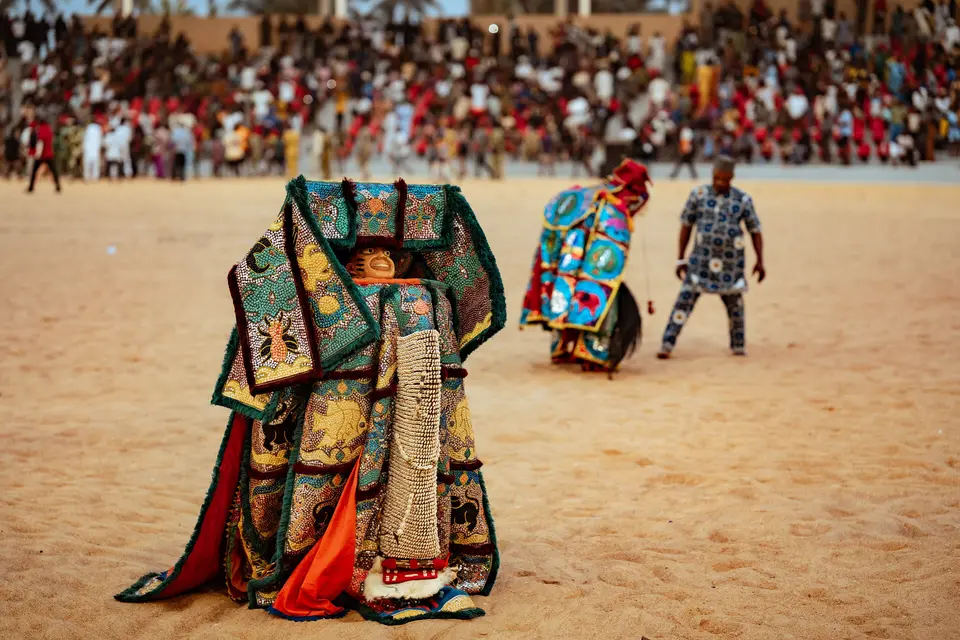
Each January the faithful of Benin’s Vodun convents come out into the streets and onto the beach of Ouidah — Zangbétɔ night guardians in straw, Egungun masquerades and Vodun dancers — for a festival that ends in a great ceremony where priests of Fá announce the sign for the year.
January 2 – 9, 2027Officially announced
Homowo
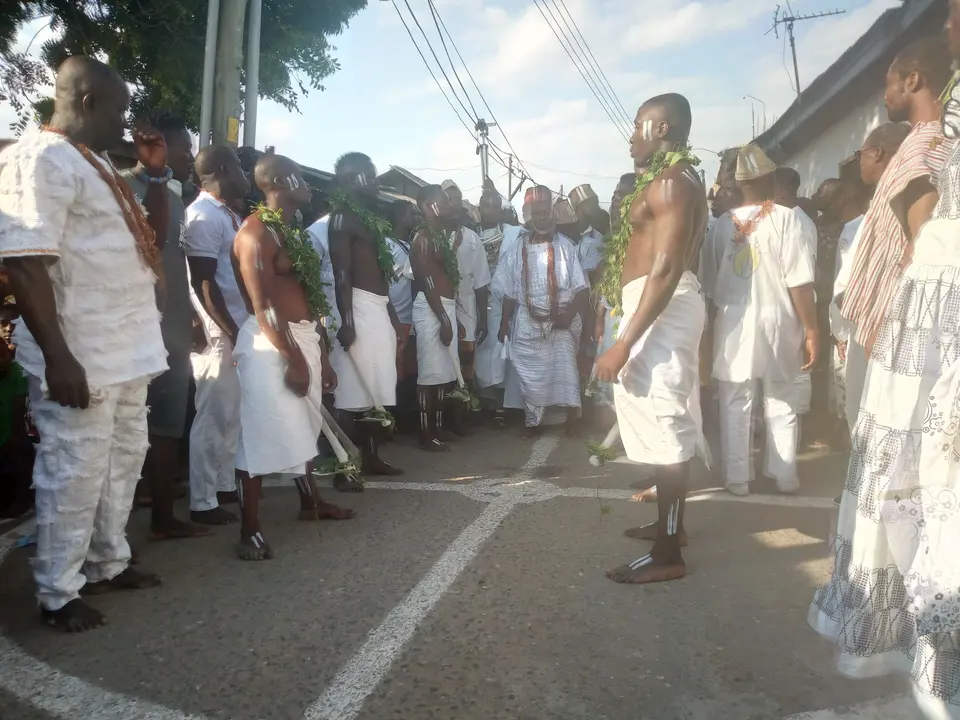
The Ga people of Accra remember a famine by laughing at it: after weeks in which drumming and noise are banned, chiefs sprinkle kpokpoi — steamed maize with palm oil — through the streets, and the drums return for “hooting at hunger”.
August – September 2026Approximate window
Grand Magal of Touba
Grand Magal de Touba
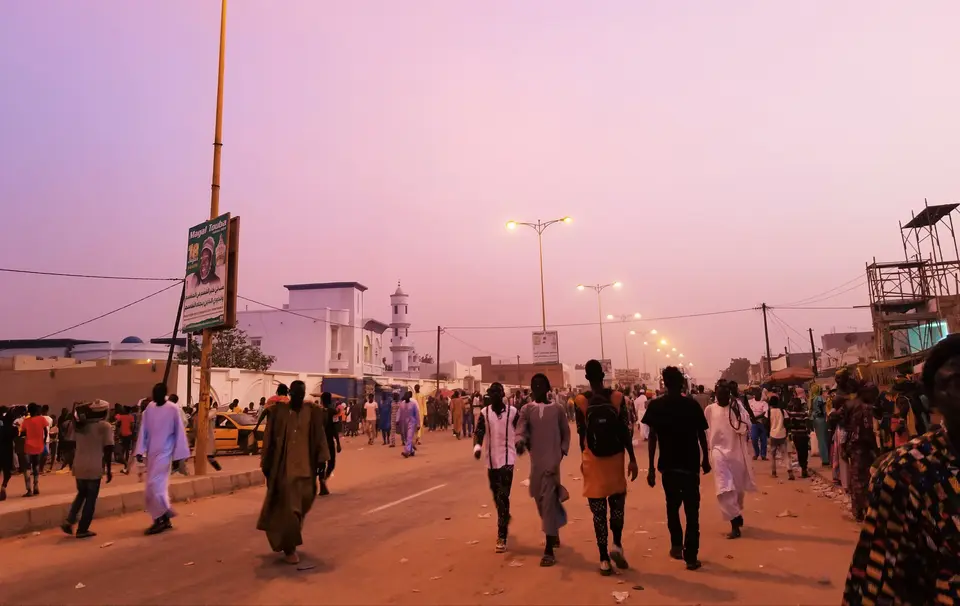
On the 18th of Safar, millions of pilgrims of the Mouride brotherhood converge on the holy city of Touba to honour its founder, Sheikh Amadou Bamba, and the anniversary of his exile by the French — the largest celebration in Senegal and one of the most popular pilgrimages in the world.
July 22 – 23, 2027Estimated
Comments
Have you been there? Tell other readers what to expect.
No comments yet.
Comments are read by the site’s owner before they appear.