لم تُترجم هذه الصفحة إلى العربية بعد، ويُعرض نصها الأصلي بالإنجليزية.

Nonvitcha
الصورة: Jule-way Prod، CC BY-SA 4.0، عبر ويكيميديا كومنز
In 1919 a man from a village near Grand-Popo travelled through West Africa and came home convinced that two peoples of the same coast were not speaking to each other. He founded an association to fix it. A century later, the whole coast still comes back on Pentecost Sunday.
Brothers united
Nonvitcha means brothers united in Mina. It is the annual reunion of the Xwla and the Xwéda, two peoples of the coastal lagoons of southern Benin, held at Grand-Popo.
The man behind it is Adolphe Gnansounou Akpa, from the small village of Doyi at Grand-Popo. In 1919 he travelled through Cameroon, Ghana, Nigeria and Togo, and what struck him on the journey was not anything he saw abroad but something he understood about home: that the Xwla and the Xwéda, who share a coast, were not acting as one. He founded Nonvitcha in 1921 to do something about it. The first celebration was held in 1923.
It was set up as a formal association — a non-profit under the French law of 1 July 1901 — and the Dahomey administration approved its statutes by decree in 1933. That is unusually documentary for a festival. Most of them cannot produce the paperwork.
Pentecost
The date is Pentecost Sunday, the fiftieth day after Easter, which puts it in May or June depending on the year. The official day is a large thanksgiving mass on the Nonvitcha square, presided over by the bishop of Lokossa. Around it run the rest of it: cultural, sporting and recreational events across the weekend, and the crowds that fill a small coastal town.
The association did not stop at the party. It builds — schools, health centres, laboratories for schools — and describes its purpose as strengthening the bond between the two communities, reviving their spiritual and artistic inheritance, and working on the economic and social development of the coast. The festival is the visible part of a body that does other things the rest of the year.
متى يُقام
Pentecost Sunday, fifty days after Easter. The gathering runs across the weekend and the Sunday mass is the official day.
- 16 مايو 2027محسوب
- 4 يونيو 2028محسوب
- 20 مايو 2029محسوب
- 9 يونيو 2030محسوب


المصادر
كُتب هذا المدخل استنادًا إلى المصادر التالية.
مهرجانات ذات صلة
أيّام الفودون
Vodun Days
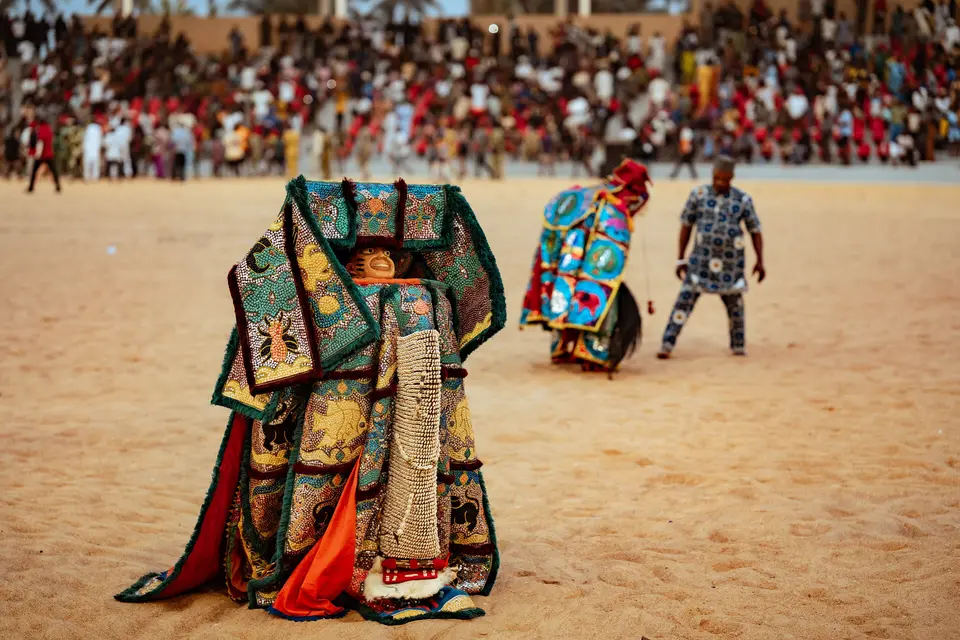
في كانون الثاني/يناير من كلّ عام يخرج أتباع أديرة الفودون في بنين إلى الشوارع وإلى شاطئ ويدا — حرّاس الليل «زانغبيتو» بأرديتهم القشّية، ومواكب «إيغونغون» المقنَّعة، وراقصو الفودون — في عيد يُختَتم بمراسم كبرى يعلن فيها كهنة «فا» علامةَ السنة.
2–9 يناير 2027معلن رسميًا
هوموو
Homowo
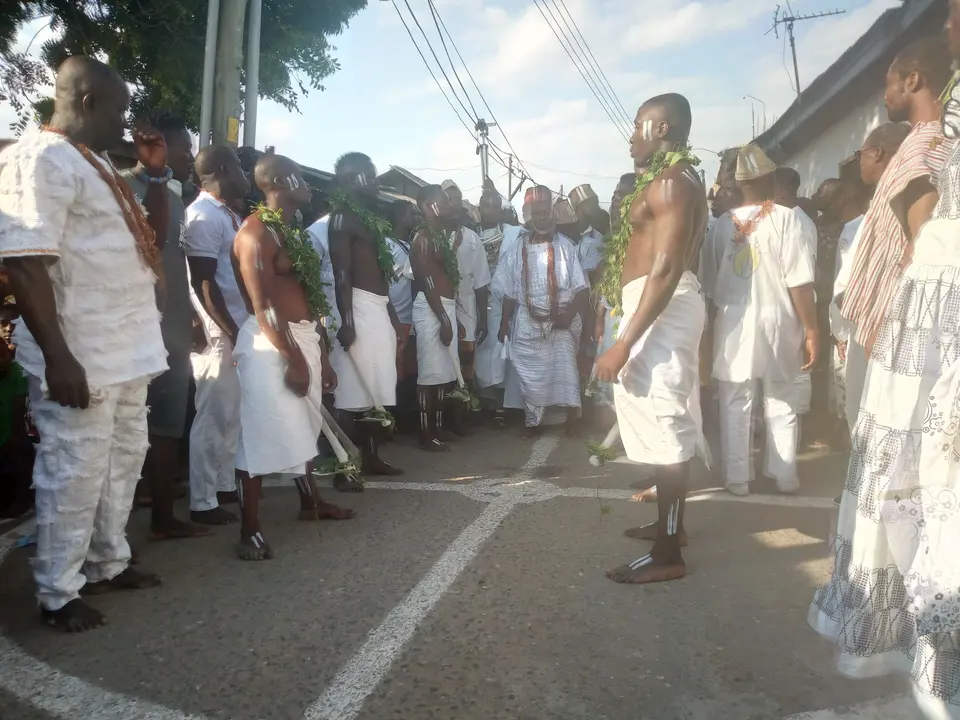
يذكر شعب الغا في أكرا مجاعةً بالسخرية منها: فبعد أسابيع يُمنع فيها قرع الطبول وكلّ ضجيج، ينثر الزعماء «الكبوكبوي» — الذرة المطهوّة على البخار بزيت النخيل — في الشوارع، ثم تعود الطبول لـ«التهكّم على الجوع».
أغسطس – سبتمبر 2026فترة تقريبية
المغال الكبير في توبا
Grand Magal de Touba
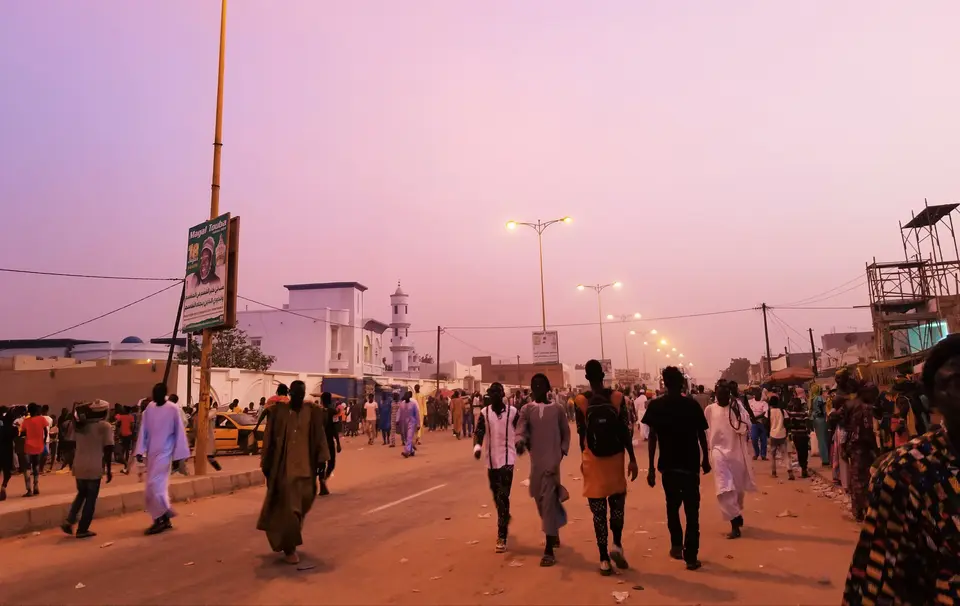
في الثامن عشر من صفر يتوافد ملايين الحجّاج من الطريقة المريدية على مدينة توبا المقدّسة لتكريم مؤسّسها الشيخ أحمدو بامبا وذكرى نفيه على يد الفرنسيين — وهو أكبر احتفال في السنغال وأحد أكثر مواسم الزيارة ازدحامًا في العالم.
22–23 يوليو 2027تقديري
التعليقات
هل حضرته؟ أخبر القرّاء الآخرين بما ينتظرهم.
لا تعليقات بعد.
يطّلع صاحب الموقع على التعليقات قبل ظهورها.