本页尚未翻译成中文,以下为英文原文。

On the day Hungary celebrates Saint Stephen and the founding of the state, Debrecen sends floats built out of several hundred thousand flowers down Piac utca, past the great yellow church, and out to the woods — a habit that began in 1905 as a fundraiser for an ambulance.
The twentieth of August
20 August is Hungary's national day. It marks Saint Stephen — the first king, who brought the country into the Christian church and built the institutions of the kingdom — and it is the anniversary of his canonisation on 20 August 1083. It is also the day of the new bread. In Budapest it ends with half an hour of fireworks over the Danube, and the highest state honours, including the Grand Cross of the Order of Saint Stephen, are handed out. Between 1949 and 1989 the same date was kept but renamed, as the feast of the founding of the socialist republic.
In Debrecen it means flowers.
An ambulance, and then a habit
The first flower parade in the city was held on 14 June 1905, for charity. Twenty-three decorated vehicles went down Simonyi út, and the 1,600 korona they raised bought Debrecen an ambulance. It was meant to happen once. It was popular enough that it kept happening, in a loose way, through the first decades of the century.
What exists now began on 20 August 1966, when the first national flower carnival set out at nine in the morning with its decorated floats and drew an enormous crowd, in the streets and in the stadium. That is the line that has run unbroken since.
Piac utca to the Nagyerdő
The route has not changed in decades. The parade forms up where Piac utca crosses Szent Anna utca, goes the length of Piac utca — past the Reformed Great Church, the yellow twin-towered building that is the city's face — and carries on to the Nagyerdei körút and the woods at the edge of town.
The floats are built from several hundred thousand flowers, fresh and dried, and the subjects range from the Holy Crown with its orb and sceptre to figures out of Hungarian children's poems. Around fifteen hundred dancers, musicians and performers walk with them. What was one day of flower floats has become a week: the Karneváli Hét, with concerts, theatre and programmes for children, and about half a million people come to it.
举行时间
20 August, every year. The parade sets off in the morning; the week around it is the Carnival Week, with concerts, theatre and children's programmes.
- 2027年8月20日推算日期
- 2028年8月20日推算日期
- 2029年8月20日推算日期
- 2030年8月20日推算日期


资料来源
本条目依据以下资料写成。
- Debreceni VirágkarneválWikipédia · 2026年9月26日 查阅
- A debreceni virágkarnevál történetekultura.hu · 2026年9月26日 查阅
- Saint Stephen's DayWikipedia · 2026年9月26日 查阅
相关节庆
布索节(Busójárás)
Busójárás
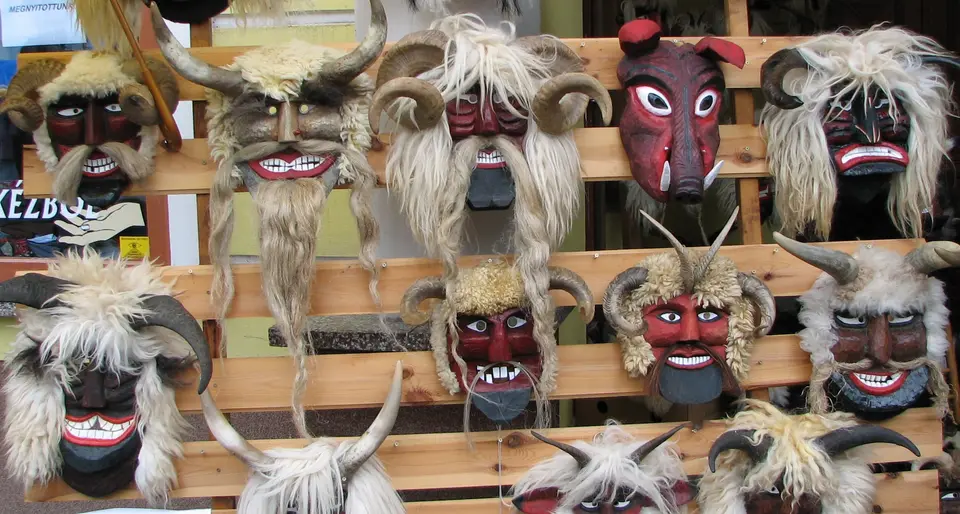
狂欢节尾声,多瑙河畔的莫哈奇小城被“布索”占领——戴着木雕面具、披着蓬乱羊皮的男人们划船而来,带着喧闹与火光巡游街头,最后焚烧一口象征冬天的棺材。
2027年2月4日至9日推算日期
宗德特花车游行
Bloemencorso Zundert
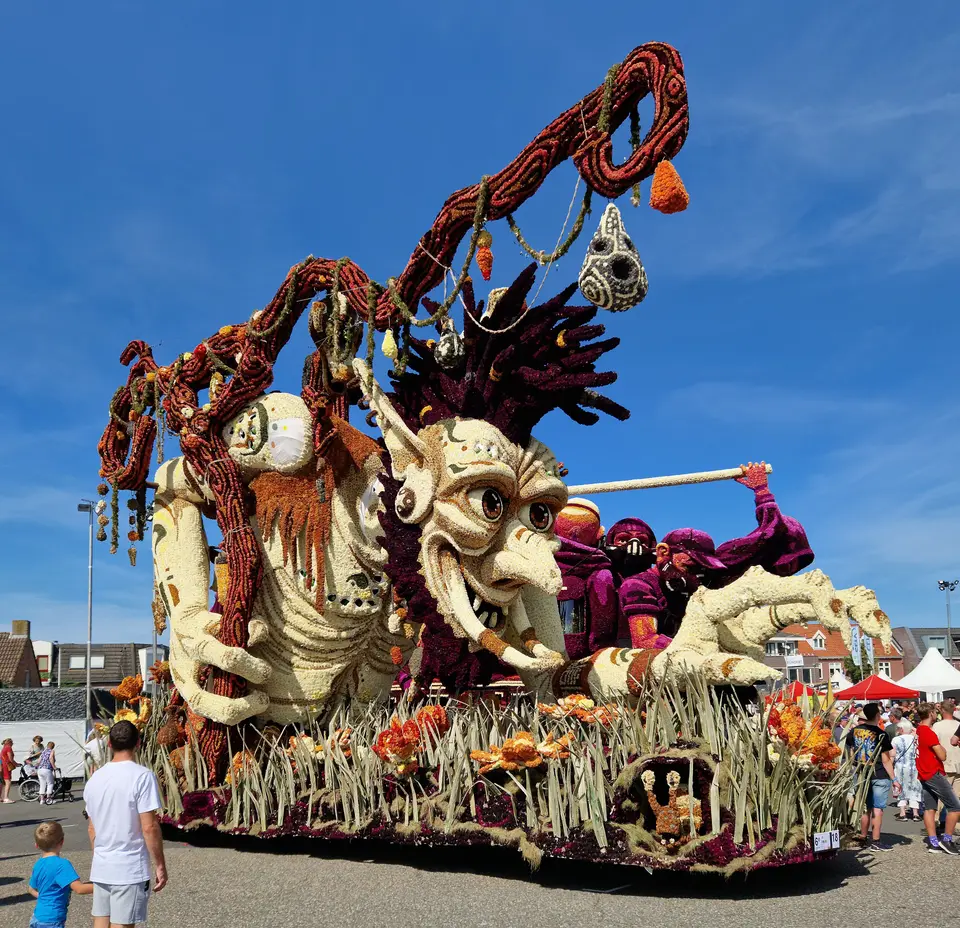
布拉班特一个村庄的二十个自然村,要花整整一年造出高达九米、长达十九米的花车,再用自家种的大丽花把它们盖满,然后在九月的第一个星期天,用人力推着穿过街道。整场游行约用掉八百万朵花,而各村之间是在比赛。
2027年9月5日至6日推算日期
国王骑行
Jízda králů
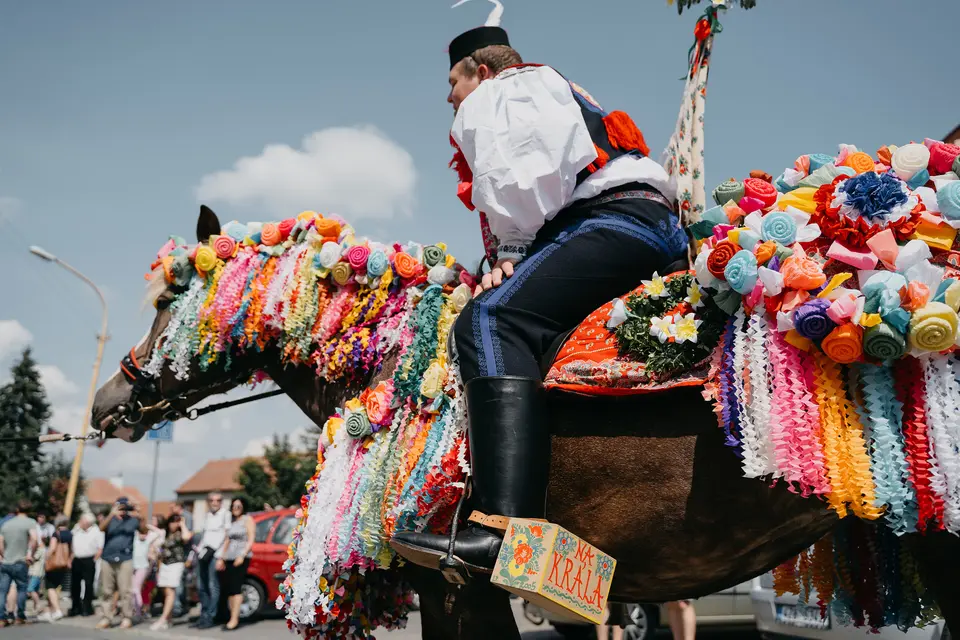
一个十岁或十二岁的男孩,穿着女子礼服骑马穿过摩拉维亚的村庄,脸遮住一半,口中衔着一朵玫瑰——为的是让他说不出话。持出鞘马刀的骑手护着他,唱词人在每户门前停下,为站在那里的人即兴押韵,而马身上几乎全是纸做的花。
2027年5月29日至30日推算日期
评论
你去过吗?告诉其他读者那里是什么样子。
还没有评论。
评论由站长阅览后才会出现。