
Debrecen Flower Carnival
Debreceni Virágkarnevál
Photo: Björn Láczay, CC BY-SA 2.0, via Wikimedia Commons
On the day Hungary celebrates Saint Stephen and the founding of the state, Debrecen sends floats built out of several hundred thousand flowers down Piac utca, past the great yellow church, and out to the woods — a habit that began in 1905 as a fundraiser for an ambulance.
The twentieth of August
20 August is Hungary's national day. It marks Saint Stephen — the first king, who brought the country into the Christian church and built the institutions of the kingdom — and it is the anniversary of his canonisation on 20 August 1083. It is also the day of the new bread. In Budapest it ends with half an hour of fireworks over the Danube, and the highest state honours, including the Grand Cross of the Order of Saint Stephen, are handed out. Between 1949 and 1989 the same date was kept but renamed, as the feast of the founding of the socialist republic.
In Debrecen it means flowers.
An ambulance, and then a habit
The first flower parade in the city was held on 14 June 1905, for charity. Twenty-three decorated vehicles went down Simonyi út, and the 1,600 korona they raised bought Debrecen an ambulance. It was meant to happen once. It was popular enough that it kept happening, in a loose way, through the first decades of the century.
What exists now began on 20 August 1966, when the first national flower carnival set out at nine in the morning with its decorated floats and drew an enormous crowd, in the streets and in the stadium. That is the line that has run unbroken since.
Piac utca to the Nagyerdő
The route has not changed in decades. The parade forms up where Piac utca crosses Szent Anna utca, goes the length of Piac utca — past the Reformed Great Church, the yellow twin-towered building that is the city's face — and carries on to the Nagyerdei körút and the woods at the edge of town.
The floats are built from several hundred thousand flowers, fresh and dried, and the subjects range from the Holy Crown with its orb and sceptre to figures out of Hungarian children's poems. Around fifteen hundred dancers, musicians and performers walk with them. What was one day of flower floats has become a week: the Karneváli Hét, with concerts, theatre and programmes for children, and about half a million people come to it.
When it happens
20 August, every year. The parade sets off in the morning; the week around it is the Carnival Week, with concerts, theatre and children's programmes.
- August 20, 2027Calculated
- August 20, 2028Calculated
- August 20, 2029Calculated
- August 20, 2030Calculated


Sources
This entry was written from the following sources.
- Debreceni VirágkarneválWikipédia · read September 26, 2026
- A debreceni virágkarnevál történetekultura.hu · read September 26, 2026
- Saint Stephen's DayWikipedia · read September 26, 2026
Related festivals
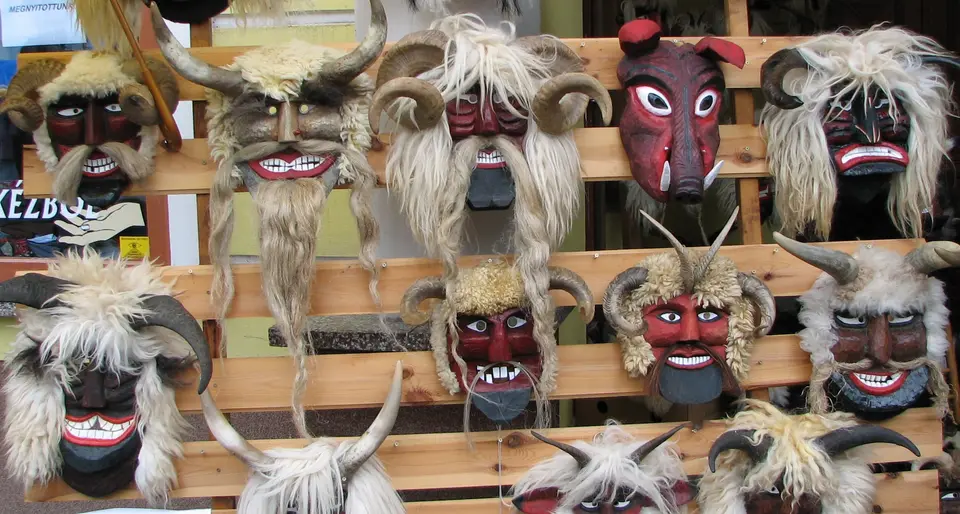
Busójárás
At the end of carnival, the Danube town of Mohács is overrun by busós — men in carved wooden masks and shaggy sheepskins who arrive by rowing boat, parade through the streets with noise and fire, and burn a coffin that stands for winter.
February 4 – 9, 2027Calculated
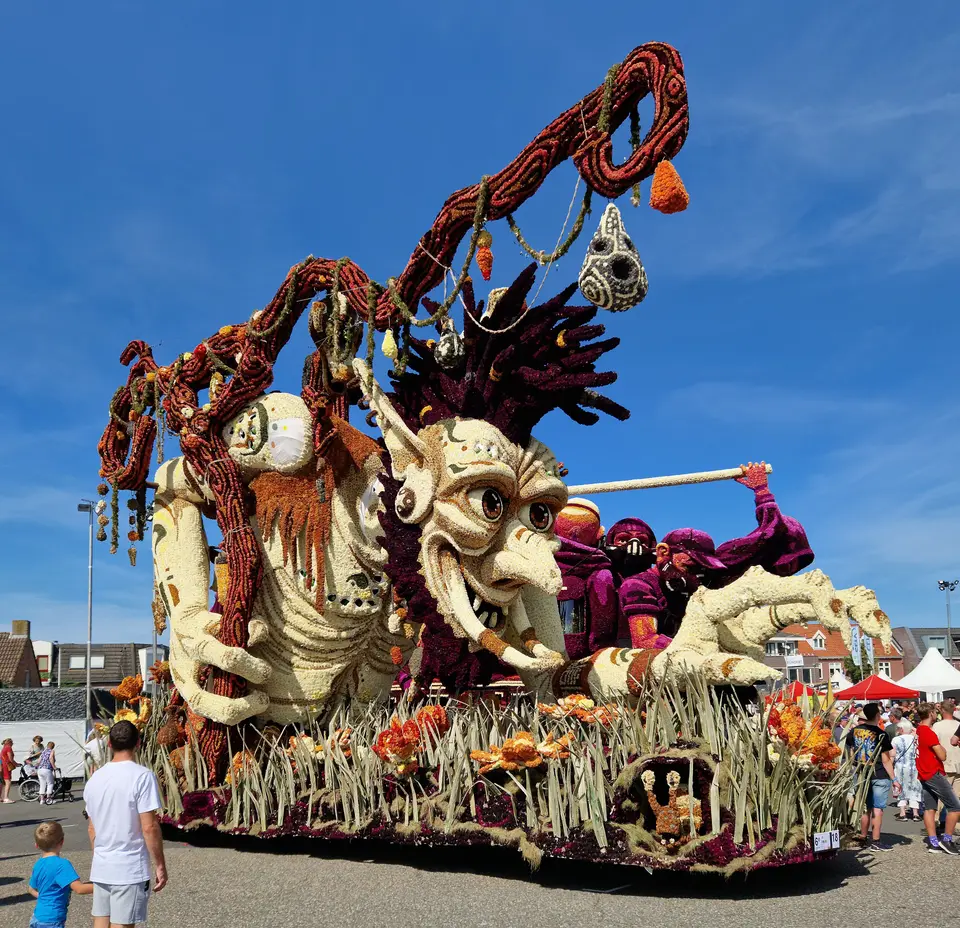
Zundert flower parade
Bloemencorso Zundert
Twenty hamlets of one Brabant village spend a year building floats up to nine metres high and nineteen long, cover them in dahlias grown for the purpose, and push them through the streets by hand on the first Sunday of September. Around eight million flowers are used, and the hamlets are competing.
September 5 – 6, 2027Calculated
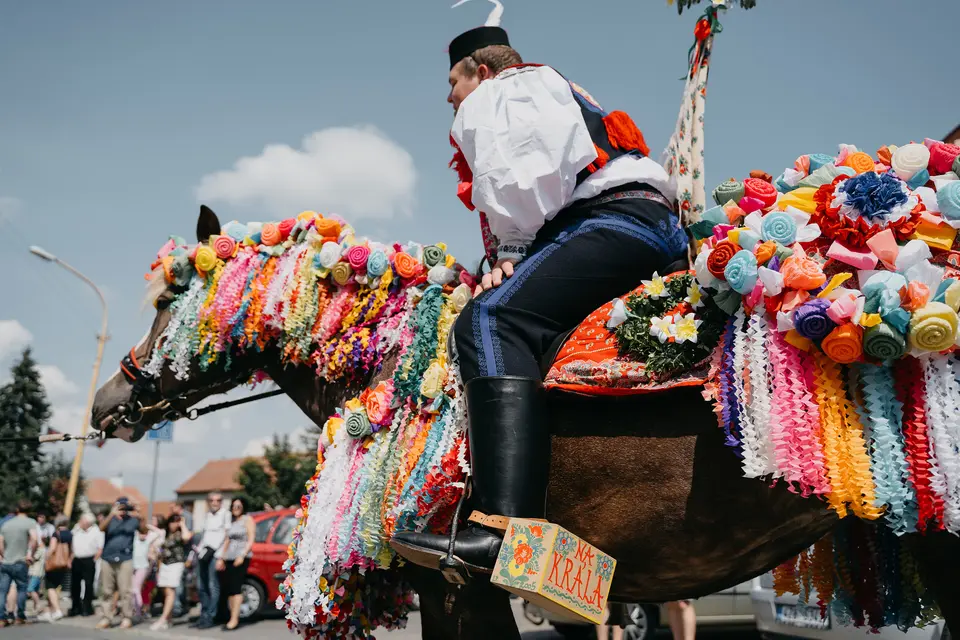
Ride of the Kings
Jízda králů
A boy of ten or twelve rides through a Moravian village dressed in a woman's ceremonial costume, his face half covered, a rose held in his teeth so that he cannot speak. Riders with drawn sabres guard him, chanters stop at each house and rhyme about the people standing there, and the horses are buried in paper flowers.
May 29 – 30, 2027Calculated
Comments
Have you been there? Tell other readers what to expect.
No comments yet.
Comments are read by the site’s owner before they appear.