لم تُترجم هذه الصفحة إلى العربية بعد، ويُعرض نصها الأصلي بالإنجليزية.

Debrecen Flower Carnival
Debreceni Virágkarnevál
الصورة: Björn Láczay، CC BY-SA 2.0، عبر ويكيميديا كومنز
On the day Hungary celebrates Saint Stephen and the founding of the state, Debrecen sends floats built out of several hundred thousand flowers down Piac utca, past the great yellow church, and out to the woods — a habit that began in 1905 as a fundraiser for an ambulance.
The twentieth of August
20 August is Hungary's national day. It marks Saint Stephen — the first king, who brought the country into the Christian church and built the institutions of the kingdom — and it is the anniversary of his canonisation on 20 August 1083. It is also the day of the new bread. In Budapest it ends with half an hour of fireworks over the Danube, and the highest state honours, including the Grand Cross of the Order of Saint Stephen, are handed out. Between 1949 and 1989 the same date was kept but renamed, as the feast of the founding of the socialist republic.
In Debrecen it means flowers.
An ambulance, and then a habit
The first flower parade in the city was held on 14 June 1905, for charity. Twenty-three decorated vehicles went down Simonyi út, and the 1,600 korona they raised bought Debrecen an ambulance. It was meant to happen once. It was popular enough that it kept happening, in a loose way, through the first decades of the century.
What exists now began on 20 August 1966, when the first national flower carnival set out at nine in the morning with its decorated floats and drew an enormous crowd, in the streets and in the stadium. That is the line that has run unbroken since.
Piac utca to the Nagyerdő
The route has not changed in decades. The parade forms up where Piac utca crosses Szent Anna utca, goes the length of Piac utca — past the Reformed Great Church, the yellow twin-towered building that is the city's face — and carries on to the Nagyerdei körút and the woods at the edge of town.
The floats are built from several hundred thousand flowers, fresh and dried, and the subjects range from the Holy Crown with its orb and sceptre to figures out of Hungarian children's poems. Around fifteen hundred dancers, musicians and performers walk with them. What was one day of flower floats has become a week: the Karneváli Hét, with concerts, theatre and programmes for children, and about half a million people come to it.
متى يُقام
20 August, every year. The parade sets off in the morning; the week around it is the Carnival Week, with concerts, theatre and children's programmes.
- 20 أغسطس 2027محسوب
- 20 أغسطس 2028محسوب
- 20 أغسطس 2029محسوب
- 20 أغسطس 2030محسوب


المصادر
كُتب هذا المدخل استنادًا إلى المصادر التالية.
- Debreceni VirágkarneválWikipédia · اطُّلع عليه في 26 سبتمبر 2026
- A debreceni virágkarnevál történetekultura.hu · اطُّلع عليه في 26 سبتمبر 2026
- Saint Stephen's DayWikipedia · اطُّلع عليه في 26 سبتمبر 2026
مهرجانات ذات صلة
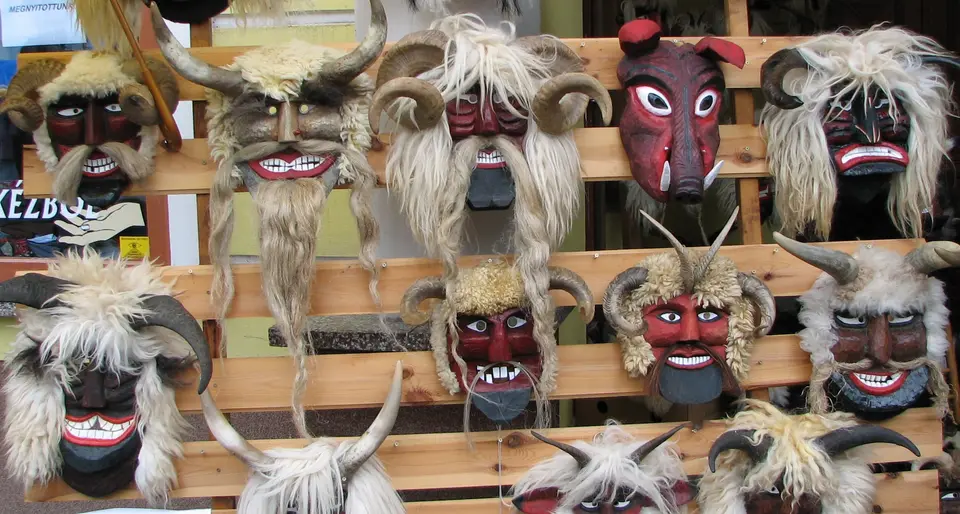
بوشوياراش
Busójárás
في نهاية الكرنفال تجتاح «البوشو» بلدة موهاتش على الدانوب — رجال بأقنعة خشبية منحوتة وفراء أغنام أشعث، يصلون في قوارب التجديف، ويطوفون الشوارع بالضجيج والنار، ويحرقون تابوتًا يرمز إلى الشتاء.
4–9 فبراير 2027محسوب
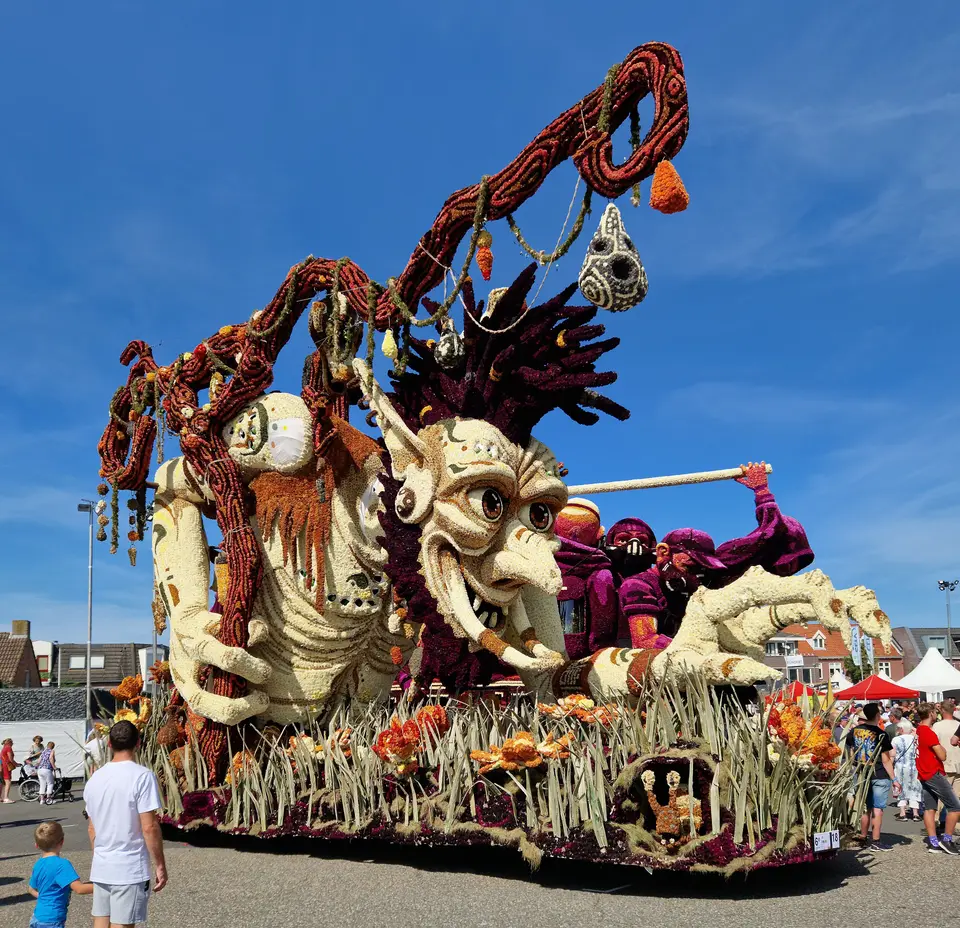
موكب أزهار زوندرت
Bloemencorso Zundert
تمضي عشرون قرية صغيرة في بلدة برابانتية سنةً كاملة في بناء عربات يبلغ ارتفاعها تسعة أمتار وطولها تسعة عشر، ثم تكسوها بالداليا التي زرعتها لهذا الغرض، وتدفعها بأيديها في الشوارع في أول أحد من أيلول. يُستهلَك نحو ثمانية ملايين زهرة، والقرى تتنافس فيما بينها.
5–6 سبتمبر 2027محسوب
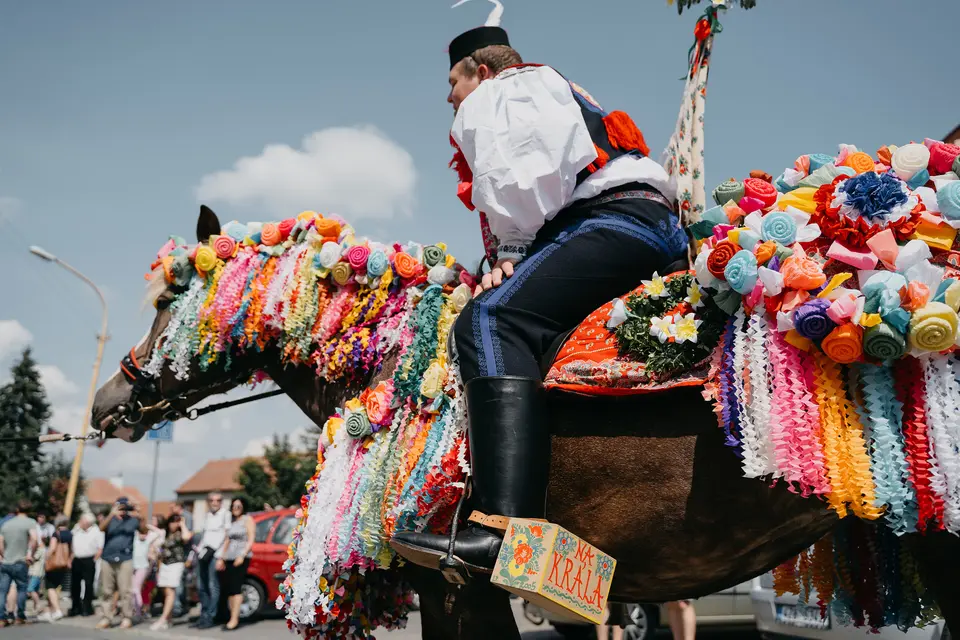
ركوب الملوك
Jízda králů
صبيٌّ في العاشرة أو الثانية عشرة يعبر قريةً مورافية على فرسه بزيّ نسائيّ احتفاليّ، نصفُ وجهه مغطّى ووردةٌ بين أسنانه كي لا يقدر على الكلام. يحرسه فرسان بسيوف مسلولة، ويقف المنادون عند كل بيت فينظمون قافيةً عمّن يقف أمامه، والخيل مغمورة بزهر الورق.
29–30 مايو 2027محسوب
التعليقات
هل حضرته؟ أخبر القرّاء الآخرين بما ينتظرهم.
لا تعليقات بعد.
يطّلع صاحب الموقع على التعليقات قبل ظهورها.