Halaman ini belum diterjemahkan ke bahasa Indonesia; teks asli bahasa Inggris ditampilkan.

Debrecen Flower Carnival
Debreceni Virágkarnevál
Foto: Björn Láczay, CC BY-SA 2.0, melalui Wikimedia Commons
On the day Hungary celebrates Saint Stephen and the founding of the state, Debrecen sends floats built out of several hundred thousand flowers down Piac utca, past the great yellow church, and out to the woods — a habit that began in 1905 as a fundraiser for an ambulance.
The twentieth of August
20 August is Hungary's national day. It marks Saint Stephen — the first king, who brought the country into the Christian church and built the institutions of the kingdom — and it is the anniversary of his canonisation on 20 August 1083. It is also the day of the new bread. In Budapest it ends with half an hour of fireworks over the Danube, and the highest state honours, including the Grand Cross of the Order of Saint Stephen, are handed out. Between 1949 and 1989 the same date was kept but renamed, as the feast of the founding of the socialist republic.
In Debrecen it means flowers.
An ambulance, and then a habit
The first flower parade in the city was held on 14 June 1905, for charity. Twenty-three decorated vehicles went down Simonyi út, and the 1,600 korona they raised bought Debrecen an ambulance. It was meant to happen once. It was popular enough that it kept happening, in a loose way, through the first decades of the century.
What exists now began on 20 August 1966, when the first national flower carnival set out at nine in the morning with its decorated floats and drew an enormous crowd, in the streets and in the stadium. That is the line that has run unbroken since.
Piac utca to the Nagyerdő
The route has not changed in decades. The parade forms up where Piac utca crosses Szent Anna utca, goes the length of Piac utca — past the Reformed Great Church, the yellow twin-towered building that is the city's face — and carries on to the Nagyerdei körút and the woods at the edge of town.
The floats are built from several hundred thousand flowers, fresh and dried, and the subjects range from the Holy Crown with its orb and sceptre to figures out of Hungarian children's poems. Around fifteen hundred dancers, musicians and performers walk with them. What was one day of flower floats has become a week: the Karneváli Hét, with concerts, theatre and programmes for children, and about half a million people come to it.
Kapan berlangsung
20 August, every year. The parade sets off in the morning; the week around it is the Carnival Week, with concerts, theatre and children's programmes.
- 20 Agustus 2027Dihitung
- 20 Agustus 2028Dihitung
- 20 Agustus 2029Dihitung
- 20 Agustus 2030Dihitung


Sumber
Entri ini ditulis berdasarkan sumber-sumber berikut.
- Debreceni VirágkarneválWikipédia · diakses 26 September 2026
- A debreceni virágkarnevál történetekultura.hu · diakses 26 September 2026
- Saint Stephen's DayWikipedia · diakses 26 September 2026
Festival terkait
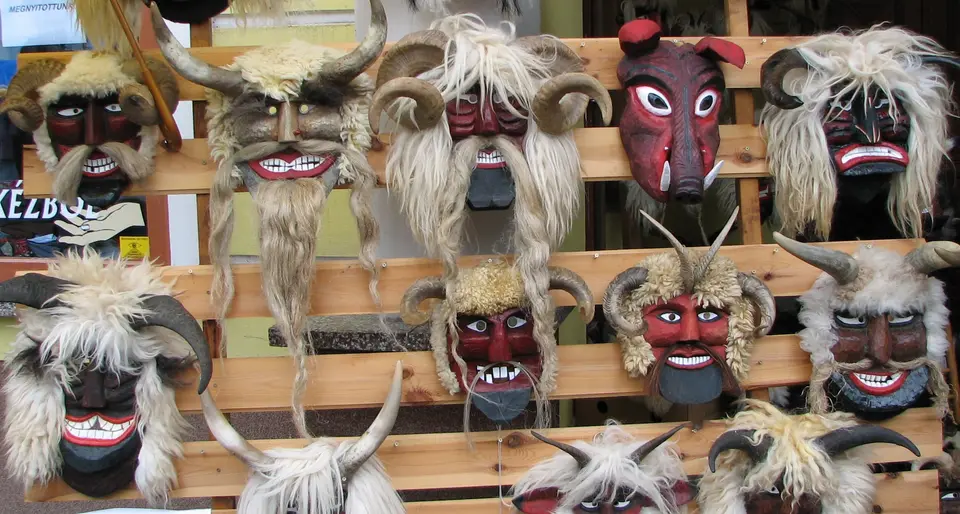
Busójárás
Pada akhir karnaval, kota Mohács di tepi Danube diserbu para busó — lelaki bertopeng kayu ukir dan berbalut kulit domba yang berbulu lebat, yang datang dengan perahu dayung, berarak di jalan-jalan dengan kegaduhan dan api, lalu membakar peti mati yang melambangkan musim dingin.
4–9 Februari 2027Dihitung
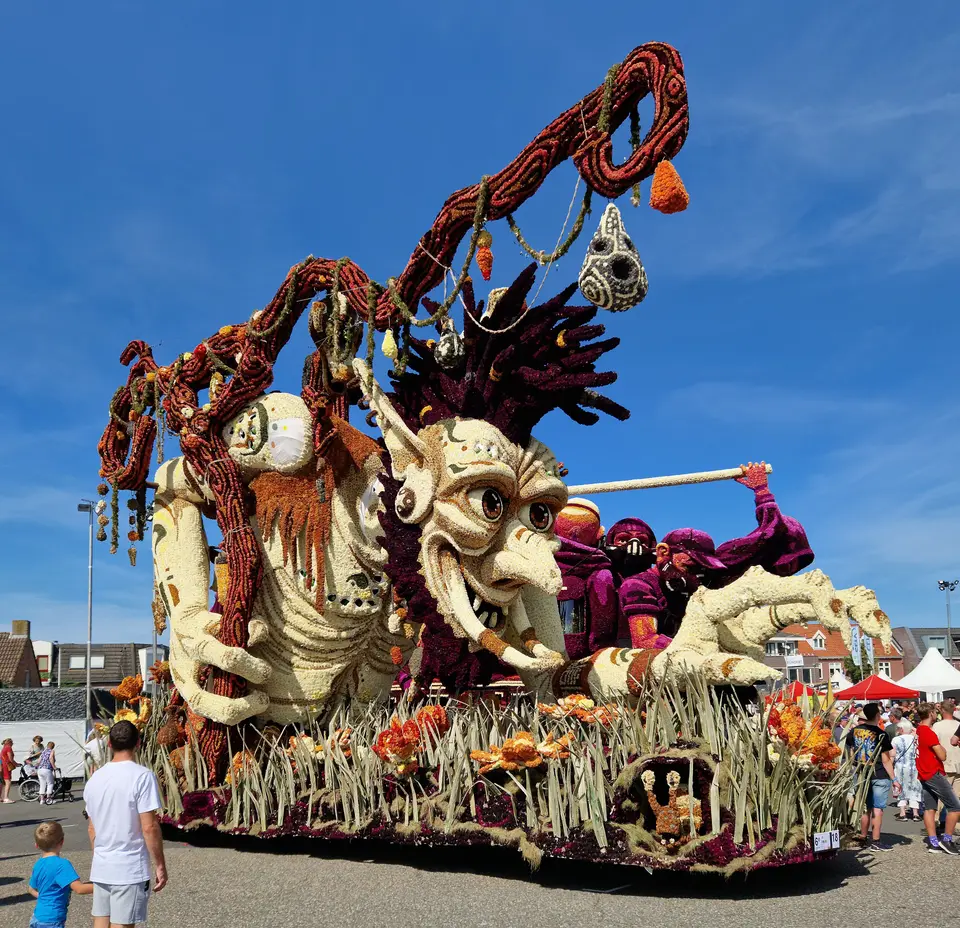
Pawai bunga Zundert
Bloemencorso Zundert
Dua puluh dusun sebuah desa di Brabant menghabiskan setahun membangun kereta setinggi sembilan meter, menutupinya dengan dahlia yang mereka tanam sendiri, lalu mendorongnya dengan tangan menyusuri jalan pada Minggu pertama September. Sekitar delapan juta bunga terpakai.
5–6 September 2027Dihitung
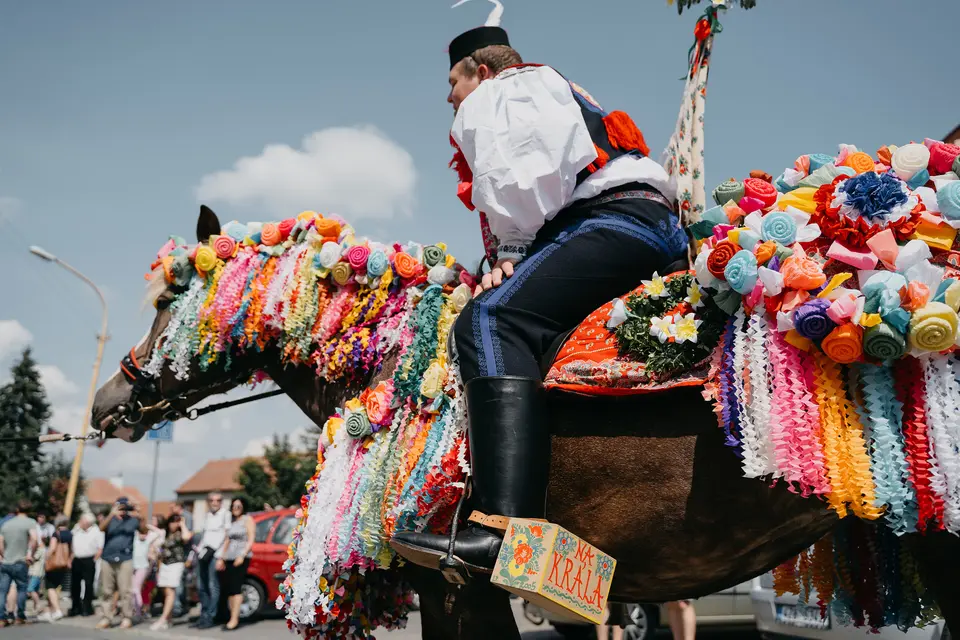
Ride of the Kings
Jízda králů
Seorang bocah sepuluh atau dua belas tahun menunggang kuda melintasi desa di Moravia dengan busana upacara perempuan, wajah setengah tertutup, mawar terjepit di giginya agar tak bisa bicara. Penunggang bersabel mengawalnya, para penyeru berpantun di tiap rumah, dan kuda-kuda tertutup bunga kertas.
29–30 Mei 2027Dihitung
Komentar
Pernah ke sana? Ceritakan kepada pembaca lain apa yang menanti.
Belum ada komentar.
Komentar dibaca pemilik situs sebelum tampil.