این صفحه هنوز به فارسی ترجمه نشده است و متن اصلی انگلیسی نمایش داده میشود.

On the day Hungary celebrates Saint Stephen and the founding of the state, Debrecen sends floats built out of several hundred thousand flowers down Piac utca, past the great yellow church, and out to the woods — a habit that began in 1905 as a fundraiser for an ambulance.
The twentieth of August
20 August is Hungary's national day. It marks Saint Stephen — the first king, who brought the country into the Christian church and built the institutions of the kingdom — and it is the anniversary of his canonisation on 20 August 1083. It is also the day of the new bread. In Budapest it ends with half an hour of fireworks over the Danube, and the highest state honours, including the Grand Cross of the Order of Saint Stephen, are handed out. Between 1949 and 1989 the same date was kept but renamed, as the feast of the founding of the socialist republic.
In Debrecen it means flowers.
An ambulance, and then a habit
The first flower parade in the city was held on 14 June 1905, for charity. Twenty-three decorated vehicles went down Simonyi út, and the 1,600 korona they raised bought Debrecen an ambulance. It was meant to happen once. It was popular enough that it kept happening, in a loose way, through the first decades of the century.
What exists now began on 20 August 1966, when the first national flower carnival set out at nine in the morning with its decorated floats and drew an enormous crowd, in the streets and in the stadium. That is the line that has run unbroken since.
Piac utca to the Nagyerdő
The route has not changed in decades. The parade forms up where Piac utca crosses Szent Anna utca, goes the length of Piac utca — past the Reformed Great Church, the yellow twin-towered building that is the city's face — and carries on to the Nagyerdei körút and the woods at the edge of town.
The floats are built from several hundred thousand flowers, fresh and dried, and the subjects range from the Holy Crown with its orb and sceptre to figures out of Hungarian children's poems. Around fifteen hundred dancers, musicians and performers walk with them. What was one day of flower floats has become a week: the Karneváli Hét, with concerts, theatre and programmes for children, and about half a million people come to it.
زمان برگزاری
20 August, every year. The parade sets off in the morning; the week around it is the Carnival Week, with concerts, theatre and children's programmes.
- ۲۰ اوت ۲۰۲۷محاسبهشده
- ۲۰ اوت ۲۰۲۸محاسبهشده
- ۲۰ اوت ۲۰۲۹محاسبهشده
- ۲۰ اوت ۲۰۳۰محاسبهشده


منابع
این مدخل بر پایهٔ منابع زیر نوشته شده است.
- Debreceni VirágkarneválWikipédia · خواندهشده در ۲۶ سپتامبر ۲۰۲۶
- A debreceni virágkarnevál történetekultura.hu · خواندهشده در ۲۶ سپتامبر ۲۰۲۶
- Saint Stephen's DayWikipedia · خواندهشده در ۲۶ سپتامبر ۲۰۲۶
جشنهای مرتبط
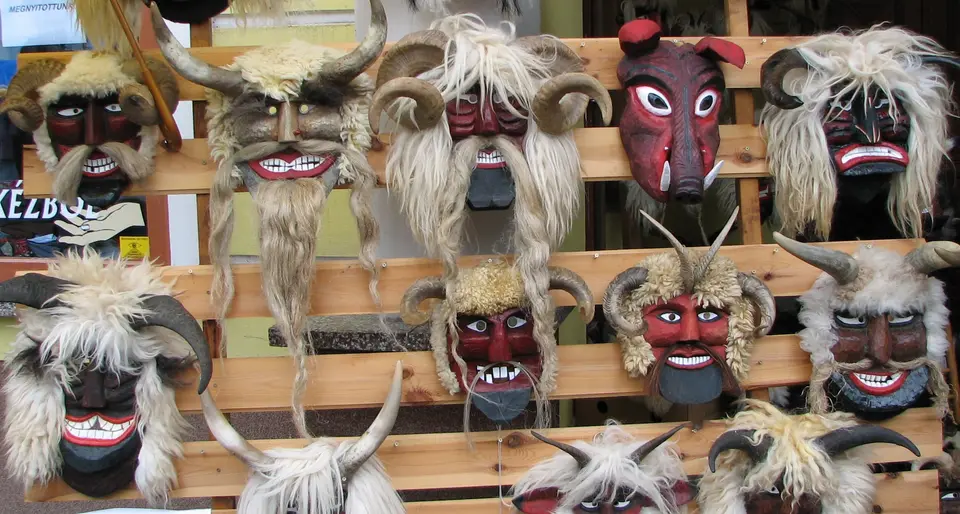
بوسویارش
Busójárás
در پایان کارناوال، شهر موهاچ در کنار دانوب به دست «بوسو»ها میافتد؛ مردانی با نقابهای چوبی تراشیده و پوستینهای پرپشم گوسفند که با قایق پارویی میرسند، با هیاهو و آتش در خیابانها رژه میروند و تابوتی را که نماد زمستان است میسوزانند.
۴ تا ۹ فوریهٔ ۲۰۲۷محاسبهشده
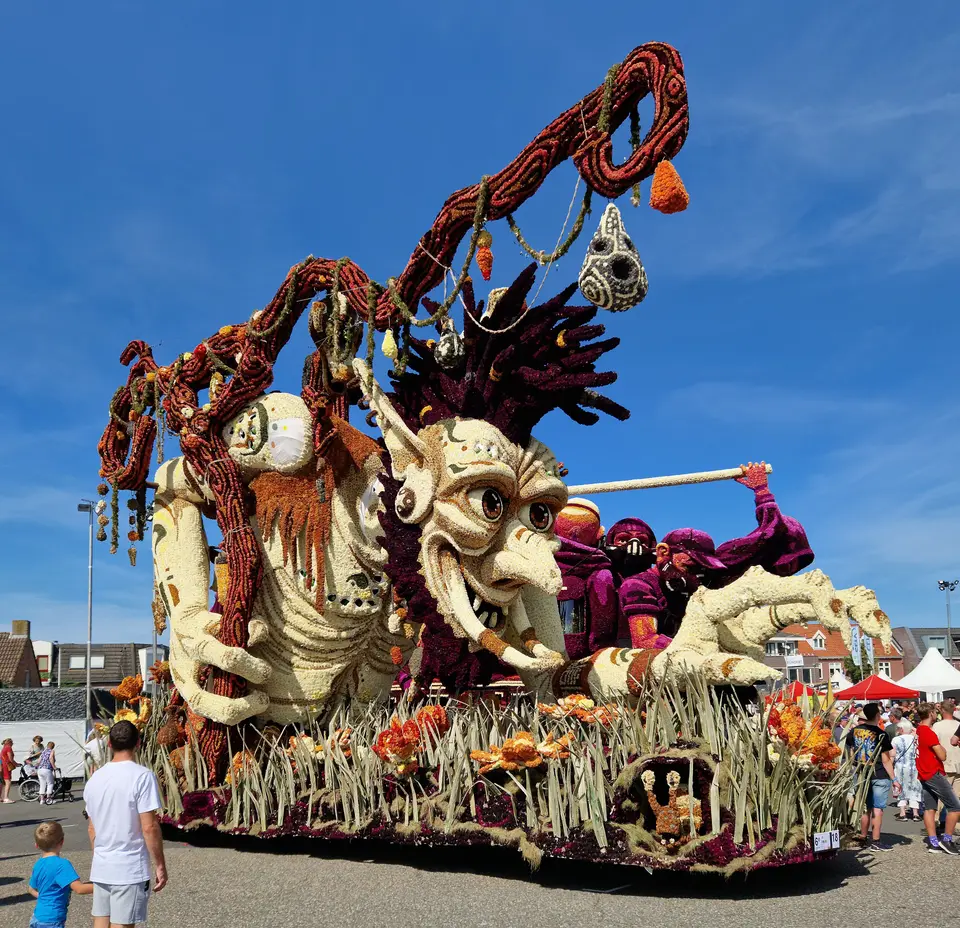
رژهٔ گلهای زوندرت
Bloemencorso Zundert
بیست محلهٔ یک روستا در برابانت یک سال وقت میگذارند تا ارابههایی تا نُه متر بلندی و نوزده متر درازا بسازند، آنها را با کوکبهایی که خودشان کاشتهاند بپوشانند و نخستین یکشنبهٔ سپتامبر با دست در کوچهها برانند. حدود هشت میلیون گل مصرف میشود و محلهها با هم رقابت دارند.
۵ تا ۶ سپتامبر ۲۰۲۷محاسبهشده
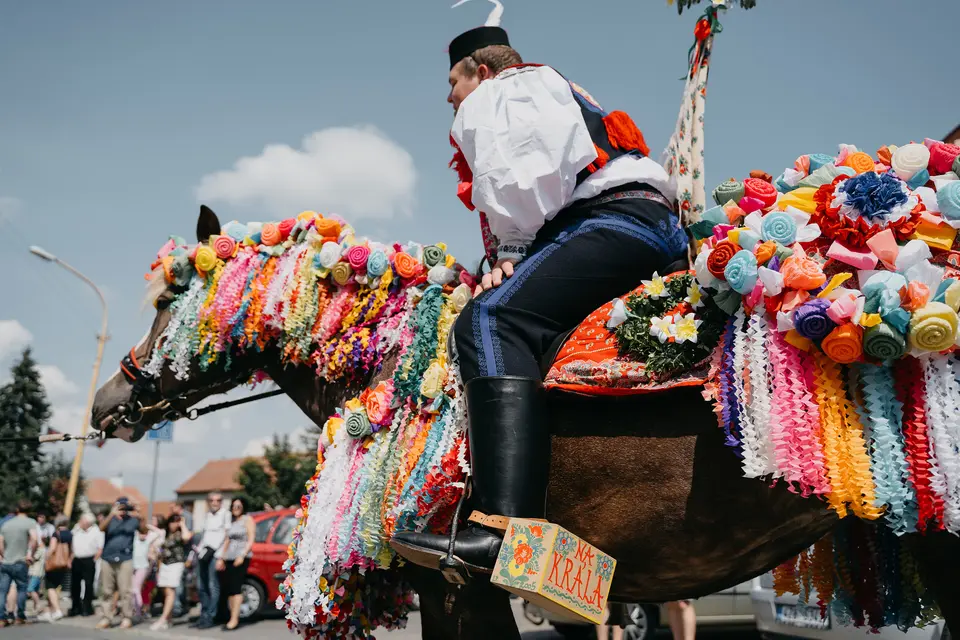
سواری شاهان
Jízda králů
پسری دهدوازدهساله با لباس تشریفاتیِ زنانه از روستایی در موراوی سواره میگذرد، نیمی از چهرهاش پوشیده و گلی میان دندانهایش تا نتواند حرف بزند. سوارانی با شمشیرِ کشیده پاسش میدارند، آوازخوانها جلوی هر خانه میایستند و دربارهٔ اهل آن خانه شعر میخوانند، و اسبها زیر گلهای کاغذی گم شدهاند.
۲۹ تا ۳۰ مهٔ ۲۰۲۷محاسبهشده
نظرها
آنجا بودهاید؟ به خوانندگان دیگر بگویید در انتظارشان چیست.
هنوز نظری نیست.
نظرها پیش از نمایش به چشم صاحب سایت میرسند.