このページはまだ日本語に翻訳されていません。英語の原文を表示しています。

On the day Hungary celebrates Saint Stephen and the founding of the state, Debrecen sends floats built out of several hundred thousand flowers down Piac utca, past the great yellow church, and out to the woods — a habit that began in 1905 as a fundraiser for an ambulance.
The twentieth of August
20 August is Hungary's national day. It marks Saint Stephen — the first king, who brought the country into the Christian church and built the institutions of the kingdom — and it is the anniversary of his canonisation on 20 August 1083. It is also the day of the new bread. In Budapest it ends with half an hour of fireworks over the Danube, and the highest state honours, including the Grand Cross of the Order of Saint Stephen, are handed out. Between 1949 and 1989 the same date was kept but renamed, as the feast of the founding of the socialist republic.
In Debrecen it means flowers.
An ambulance, and then a habit
The first flower parade in the city was held on 14 June 1905, for charity. Twenty-three decorated vehicles went down Simonyi út, and the 1,600 korona they raised bought Debrecen an ambulance. It was meant to happen once. It was popular enough that it kept happening, in a loose way, through the first decades of the century.
What exists now began on 20 August 1966, when the first national flower carnival set out at nine in the morning with its decorated floats and drew an enormous crowd, in the streets and in the stadium. That is the line that has run unbroken since.
Piac utca to the Nagyerdő
The route has not changed in decades. The parade forms up where Piac utca crosses Szent Anna utca, goes the length of Piac utca — past the Reformed Great Church, the yellow twin-towered building that is the city's face — and carries on to the Nagyerdei körút and the woods at the edge of town.
The floats are built from several hundred thousand flowers, fresh and dried, and the subjects range from the Holy Crown with its orb and sceptre to figures out of Hungarian children's poems. Around fifteen hundred dancers, musicians and performers walk with them. What was one day of flower floats has become a week: the Karneváli Hét, with concerts, theatre and programmes for children, and about half a million people come to it.
開催時期
20 August, every year. The parade sets off in the morning; the week around it is the Carnival Week, with concerts, theatre and children's programmes.
- 2027年8月20日算出
- 2028年8月20日算出
- 2029年8月20日算出
- 2030年8月20日算出


出典
この項目は次の資料をもとに書かれています。
- Debreceni VirágkarneválWikipédia · 2026年9月26日 閲覧
- A debreceni virágkarnevál történetekultura.hu · 2026年9月26日 閲覧
- Saint Stephen's DayWikipedia · 2026年9月26日 閲覧
関連する祭り
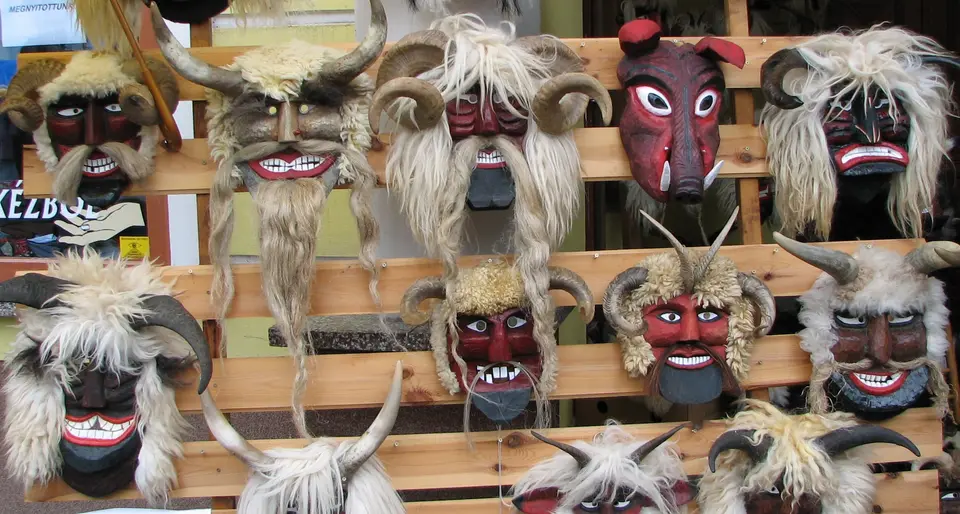
ブショーヤーラーシュ
Busójárás
謝肉祭の終わり、ドナウ河畔の町モハーチはブショーたちに占拠されます。彫った木の面と毛むくじゃらの羊皮をまとった男たちが手漕ぎ船でやって来て、騒音と火とともに通りを練り歩き、冬を表す棺を燃やします。
2027/02/04~2027/02/09算出
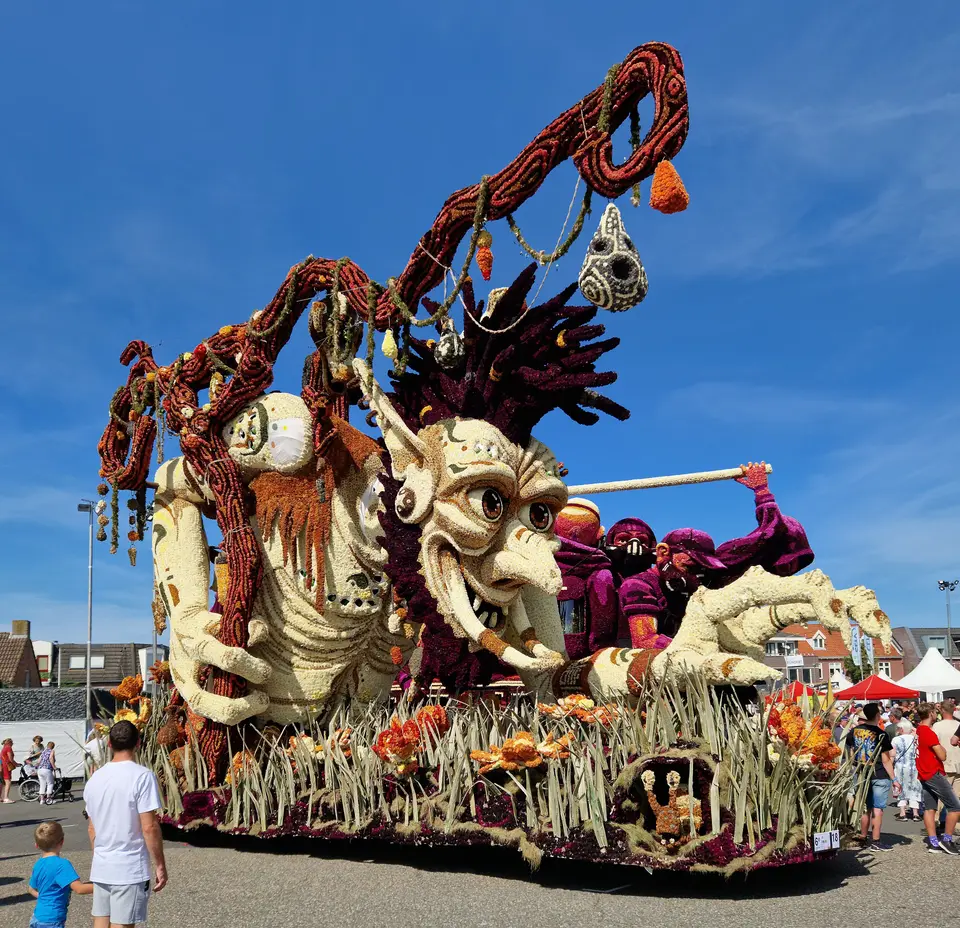
ズンデルトの花車行列
Bloemencorso Zundert
ブラバントの村の二十の集落が一年かけて、高さ九メートル、長さ十九メートルに及ぶ山車を造り、自分たちで育てたダリアで覆い、九月の最初の日曜に手で押して通りを行く。使われる花はおよそ八百万。集落どうしは競い合っている。
2027/09/05~2027/09/06算出
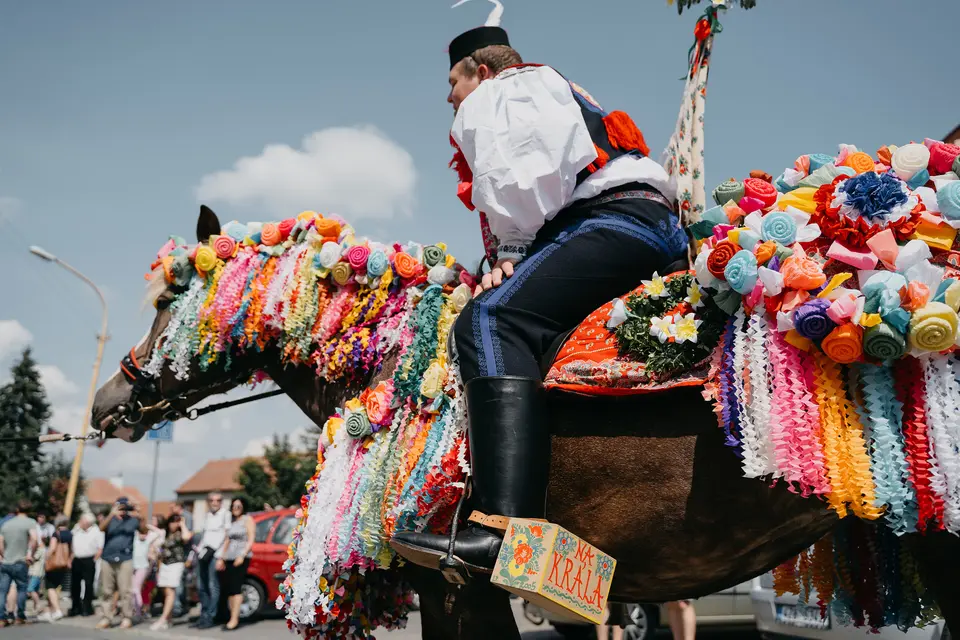
王の騎行
Jízda králů
十歳か十二歳の少年が、女の礼装をまとい、顔を半ば隠し、口にバラをくわえてモラヴィアの村を馬で行く。話せないようにするためである。抜き身のサーベルを持つ騎手が彼を守り、呼び手が家ごとに止まって、その前に立つ人びとについて韻を踏み、馬は紙の花に埋もれている。
2027/05/29~2027/05/30算出
感想
行かれたことがありますか。これから行く人に様子を教えてください。
まだ感想はありません。
感想は管理者が目を通してから掲載されます。