Egypt

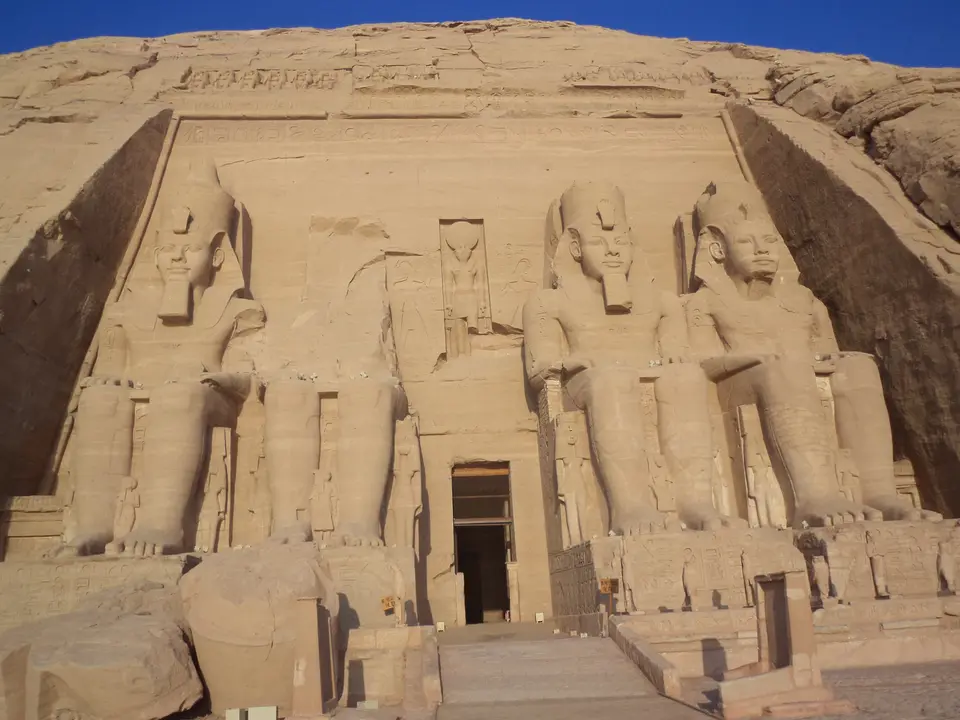
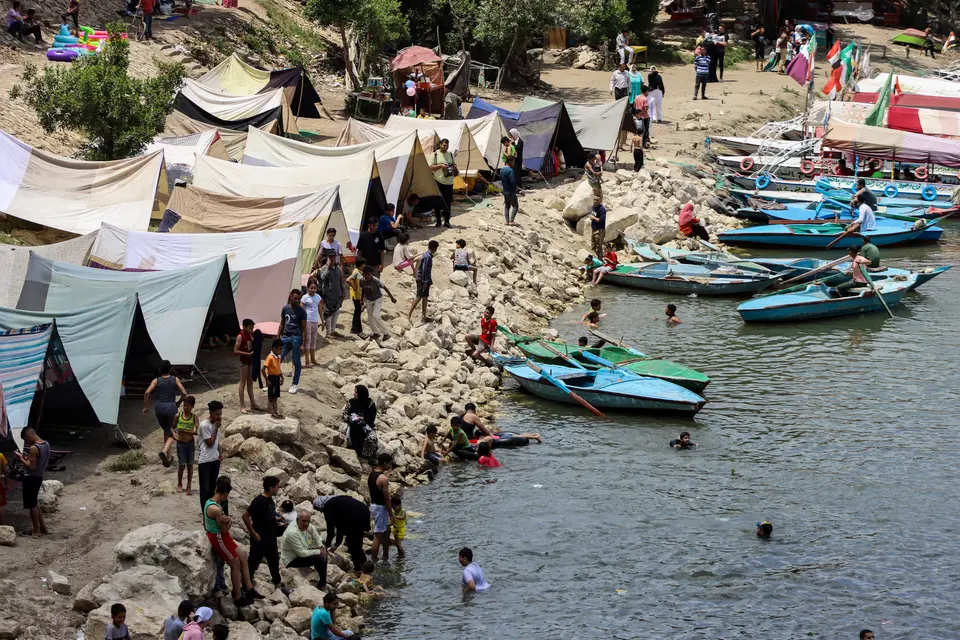
Egypt celebrates spring the way it has for centuries — picnics by the Nile, salted fish and coloured eggs on Sham el-Nessim — and twice a year at Abu Simbel the rising sun reaches the statue of Ramesses II deep inside his temple.

Photo: Abumalek ahmed mohamed, CC BY-SA 4.0, via Wikimedia Commons

The two celebrations in this atlas show two sides of Egypt’s calendar. Sham el-Nessim is a public holiday observed by Egyptians of every religion; it falls on the Monday after Easter as calculated by the Coptic Orthodox Church, and is widely believed to go back to spring festivals of ancient Egypt. The sun alignment at Abu Simbel is fixed by the sun itself: on 22 February and 22 October, the first rays of morning travel through the Great Temple of Ramesses II to its innermost sanctuary.

Festivals in Egypt

EgyptSeasonal

Sun Festival at Abu Simbel

تعامد الشمس على وجه رمسيس الثاني

Twice a year, on 22 February and 22 October, the rising sun shines straight through the Great Temple of Ramesses II at Abu Simbel and lights the statues in its innermost sanctuary — an alignment that engineers preserved when the whole temple was moved in the 1960s.

October 22, 2026Calculated
EgyptSeasonal

Sham el-Nessim

شم النسيم

On the Monday after Coptic Easter, Egyptians of every faith head outdoors — to parks, gardens, the zoo and the banks of the Nile — to picnic on salted fish, green onions and lettuce and to colour eggs, in a spring festival believed to reach back to ancient Egypt.

May 3, 2027Calculated

Sources for this page

  1. Egypt travel advice: warnings and insuranceUK Foreign, Commonwealth & Development Office · read September 17, 2026
  2. Sham EnnessimWikipedia · read September 17, 2026