France

France keeps a civic calendar and an older one underneath it. The republic remembers itself on 14 July, Lyon thanks the Virgin with candles in the windows on 8 December, Nice throws flowers for three weeks in February, and the Pyrenean villages burn a fir trunk on the shortest night of the year.

Photo: Corentin Eustacchi, CC BY-SA 4.0, via Wikimedia Commons

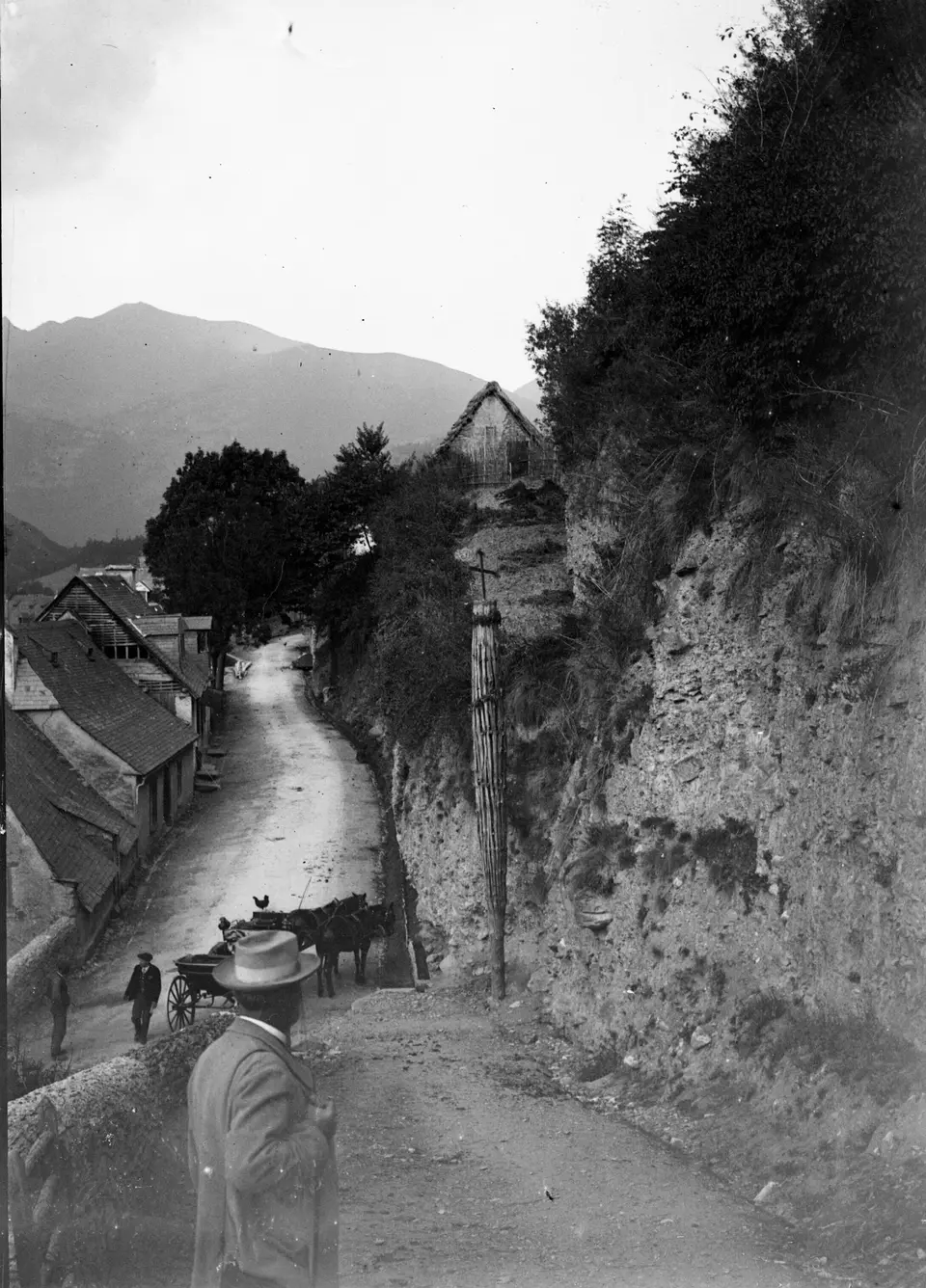
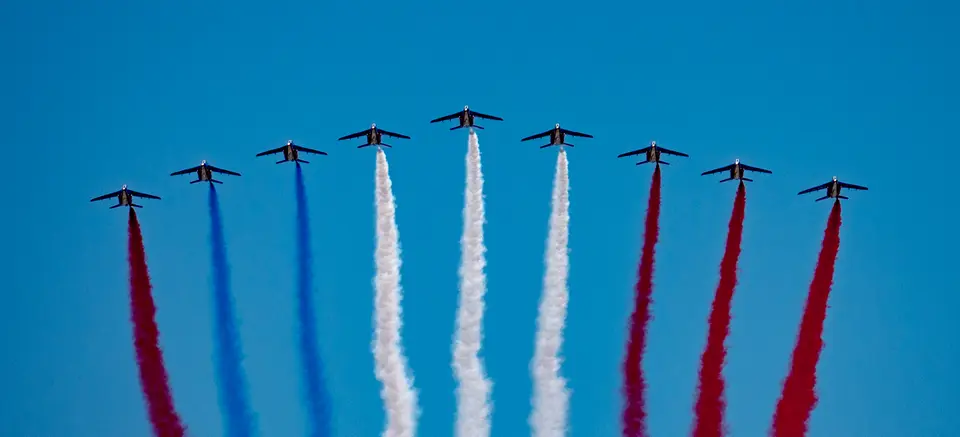
The four festivals in this atlas fall in four different seasons and answer to four different authorities. The fourteenth of July belongs to the state: a law of 6 July 1880 made it the national day, and since 1980 the parade has gone down the Champs-Élysées every year. The Festival of Lights belongs to a city: Lyon has put candles on its window sills on 8 December since 1852, and since 1999 the municipality has built four evenings of light around that gesture. The Nice Carnival belongs to a season — the weeks before Lent — and to a committee founded in 1873 that turned an old street carnival into the biggest winter event on the Côte d'Azur. And the fires of the summer solstice belong to the Pyrenean villages themselves, where the date, the wood and the order of the procession are still decided commune by commune.

Those fires are inscribed on UNESCO's Representative List of the Intangible Cultural Heritage of Humanity, in a file France shares with Spain and Andorra. The list holds around thirty French elements in all; this atlas will add them one at a time rather than all at once.

Four festivals are not a French year. They are the beginning of one: winter light, a carnival, a republic's birthday and a fire on the mountain.

Festivals in France

FranceSeasonal

Festival of Lights

Fête des Lumières

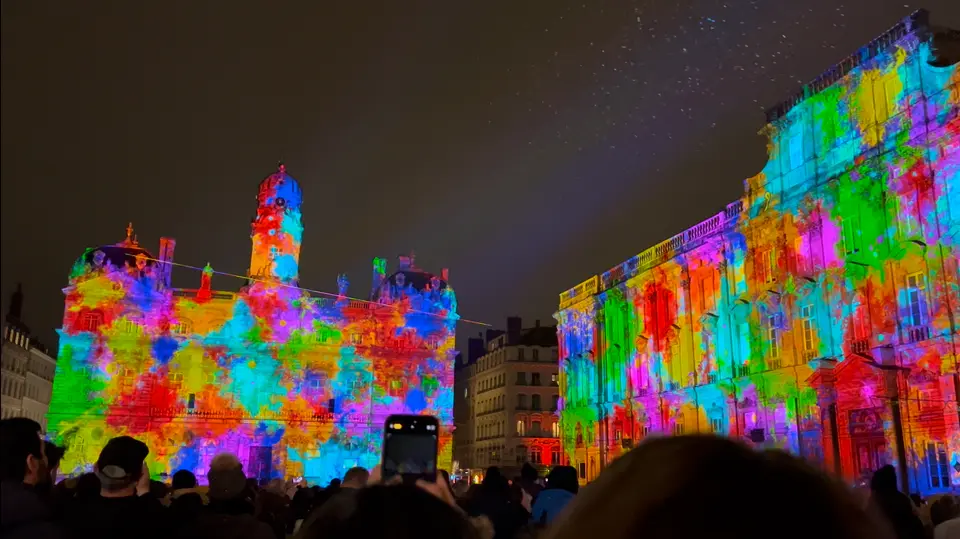
For four evenings in December, Lyon hands its squares, façades, parks and river banks to light artists, and the people of the city still set small coloured candles on their window sills — a gesture first made on 8 December 1852. Everything is free, and more than two million people come.

December 5 – 8, 2026Officially announced
FrancePerformance

Nice Carnival

Carnaval de Nice

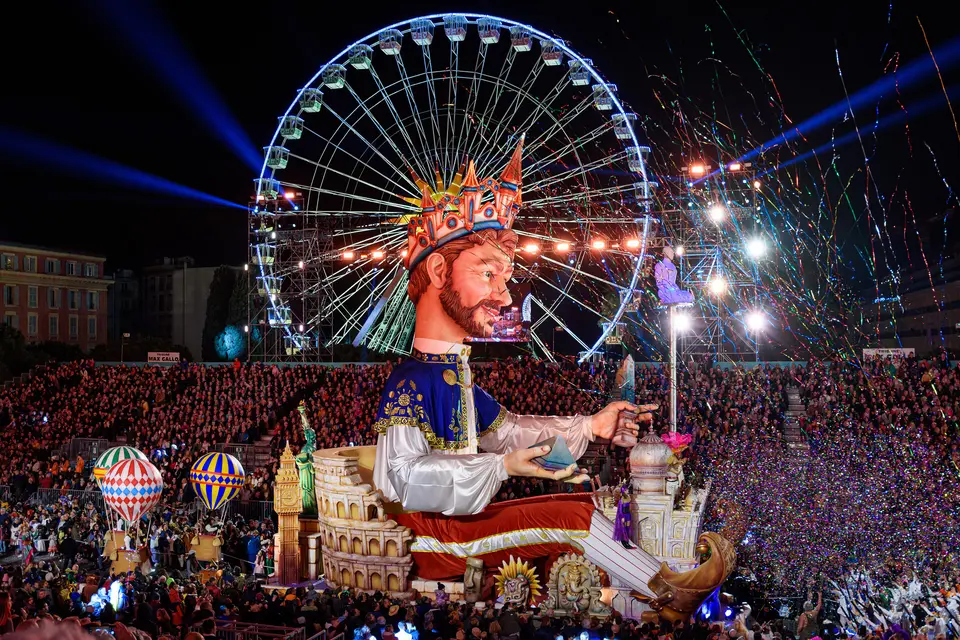
For nearly three weeks in February, Nice fills Place Masséna with monumental papier-mâché floats by day and by night, and the Promenade des Anglais with floats dressed in fresh flowers whose riders throw them into the crowd. It ends with the King burnt at the water's edge.

February 9 – 28, 2027Officially announced

FranceSeasonal

Summer solstice fires of the Pyrenees

Fêtes du feu du solstice d'été

On the shortest night of the year, villages along the Pyrenees carry burning torches down from the mountains and set light to a beacon in the square. At Luchon the beacon is a fir trunk ten or twelve metres long, split open with iron wedges and lit by the mayor and the priest together.

June 23 – 24, 2027Estimated

FranceRemembrance

The Fourteenth of July

14 Juillet

France's national day remembers two fourteenths of July — the fall of the Bastille in 1789 and the Festival of the Federation in 1790 — and the law that chose it in 1880 deliberately did not say which. The morning belongs to the parade on the Champs-Élysées, the evening to fireworks and open-air dances.

July 14, 2027Calculated

Sources for this page

  1. France travel advice: safety and securityUK Foreign, Commonwealth & Development Office · read September 24, 2026
  2. La fête nationale du 14 juilletPrésidence de la République · read September 24, 2026
  3. Fête des Lumières — the story behind the festivalVille de Lyon · read September 24, 2026
  4. Carnaval de Nice — the originsVille de Nice · read September 24, 2026
  5. Summer solstice fire festivals in the PyreneesUNESCO · read September 24, 2026
  6. France — intangible cultural heritage elementsUNESCO · read September 24, 2026