The Fourteenth of July
14 Juillet
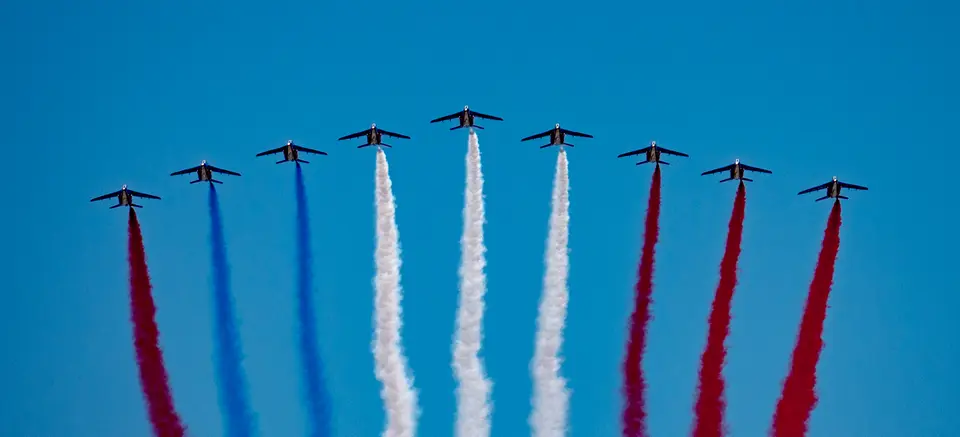
Photo: Yann Caradec from Paris, France, CC BY-SA 2.0, via Wikimedia Commons
France's national day remembers two fourteenths of July — the fall of the Bastille in 1789 and the Festival of the Federation in 1790 — and the law that chose it in 1880 deliberately did not say which. The morning belongs to the parade on the Champs-Élysées, the evening to fireworks and open-air dances.
Two fourteenths of July
On 14 July 1789 the crowd of Paris took the Bastille, a fortress that held only seven prisoners but stood for royal absolutism and for imprisonment by decree. On 14 July 1790, on the Champ de Mars, some three hundred thousand people gathered for the Festival of the Federation and swore loyalty to the nation, the law and the king; La Fayette led the oath and Louis XVI took it. The first date is a revolt, the second a reconciliation.
When the Third Republic looked for a national day, the bill brought by Benjamin Raspail and passed as the law of 6 July 1880 simply adopted “the fourteenth of July” as the annual national celebration, without saying which of the two it meant. The ambiguity was useful and it has lasted: the day can be read as the people against arbitrary power, or as the country agreeing to hold together, and it is usually read as both.
The morning and the evening
The first celebration, in 1880, already paired the revolution with the army: flags were presented to the regiments at a review in Longchamp. The military parade has been the fixed centre of the morning ever since, and since 1980 it has gone down the Champs-Élysées every year, from the Arc de Triomphe to the Place de la Concorde, with the flypast of the Patrouille de France trailing blue, white and red over the avenue. Foreign troops are regularly invited: German soldiers marched in 1994, which was meant and read as a sign of reconciliation between the two countries.
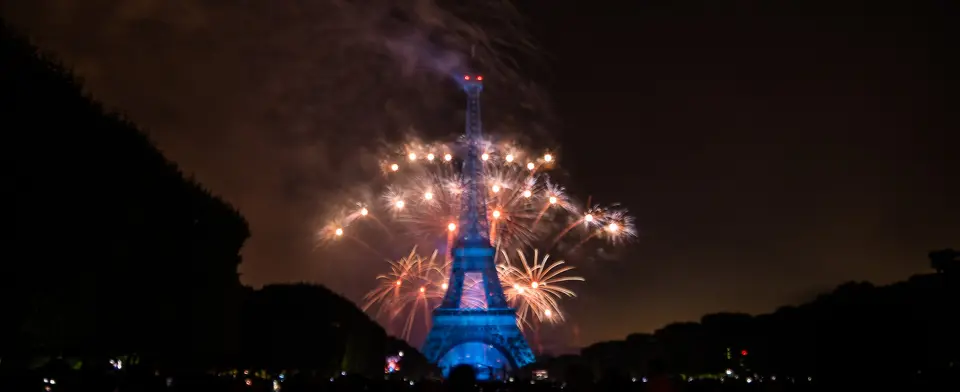
The evening is the other half, and it is not military at all. Fireworks are fired in nearly every commune in France — in Paris from the Trocadéro and the Eiffel Tower — and the dances that follow, in squares, fire stations and village halls, go on well past them. The Élysée itself describes the day as the solemnity of the parade joined to the conviviality of the dances and the fireworks.
When it happens
14 July every year, a public holiday throughout France. The military parade in Paris is held on the morning of the day itself; most towns hold their fireworks and dances on the evening of the 13th or the 14th.
- July 14, 2027Calculated
- July 14, 2028Calculated
- July 14, 2029Calculated
- July 14, 2030Calculated
Visiting with respect
Good to know
- The parade on the Champs-Élysées is free to watch. The good places along the avenue are taken hours before it starts, and the barriers go up the night before.
- Every town of any size has its own fireworks and a dance afterwards, usually in a square or by the water. They are easier to enjoy than the Paris crowd, and everyone is welcome.
- It is a public holiday, so banks, offices and many shops are closed, and transport runs to a holiday timetable.
Avoid
- Do not step over the barriers along the parade route; the avenue stays closed from end to end until the last unit has passed.
- Do not arrive with more than you want to have searched. Bags are checked at the entrances to the parade route and to the Paris fireworks, and the queues are slow.
Stay safe
- The parade and the fireworks are among the most crowded events of the French year. Agree on a meeting point and keep children within reach.
- Terrorists are very likely to try to carry out attacks in France, including at crowded gatherings. Stay aware of your surroundings and follow police instructions.
- Thieves and pickpockets work crowds and the Paris Métro; keep valuables out of outer pockets and your bag closed and across your body.
Sources
This entry was written from the following sources.
- La fête nationale du 14 juilletPrésidence de la République · read September 24, 2026
- 14 juillet, jour de la fête nationaleMinistère des Armées — Chemins de mémoire · read September 24, 2026
- France travel advice: safety and securityUK Foreign, Commonwealth & Development Office · read September 24, 2026
Related festivals
Syttende mai
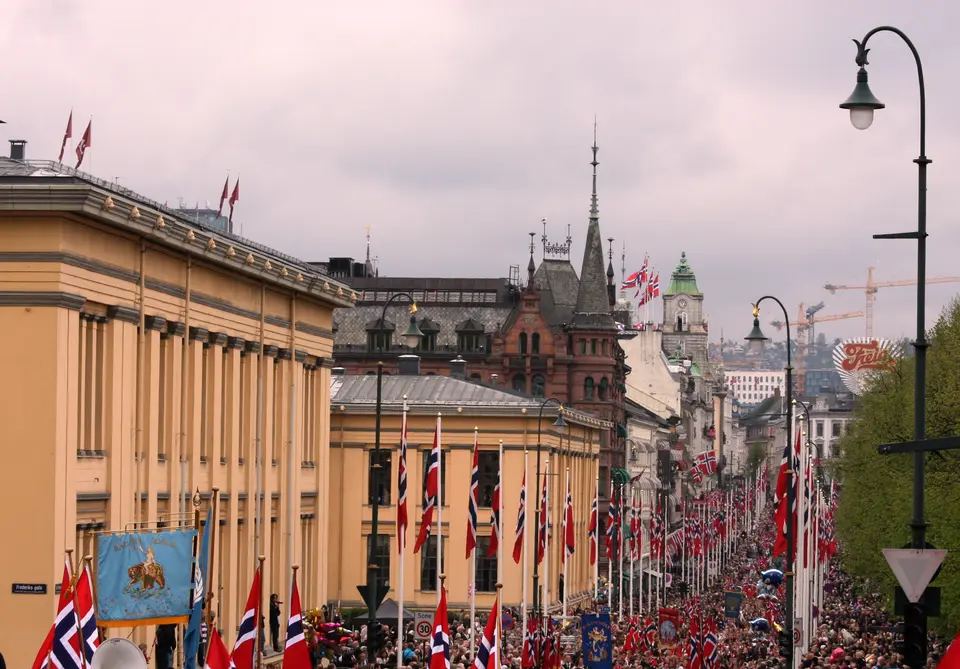
On 17 May, Norway’s National Day, children’s parades with flags, banners and marching bands wind through every community, people in the traditional bunad shout “Hurra!”, and in Oslo the royal family waves from the palace balcony — followed by ice cream and hot dogs.
May 17, 2027Calculated
Waitangi Day
Te Rā o Waitangi
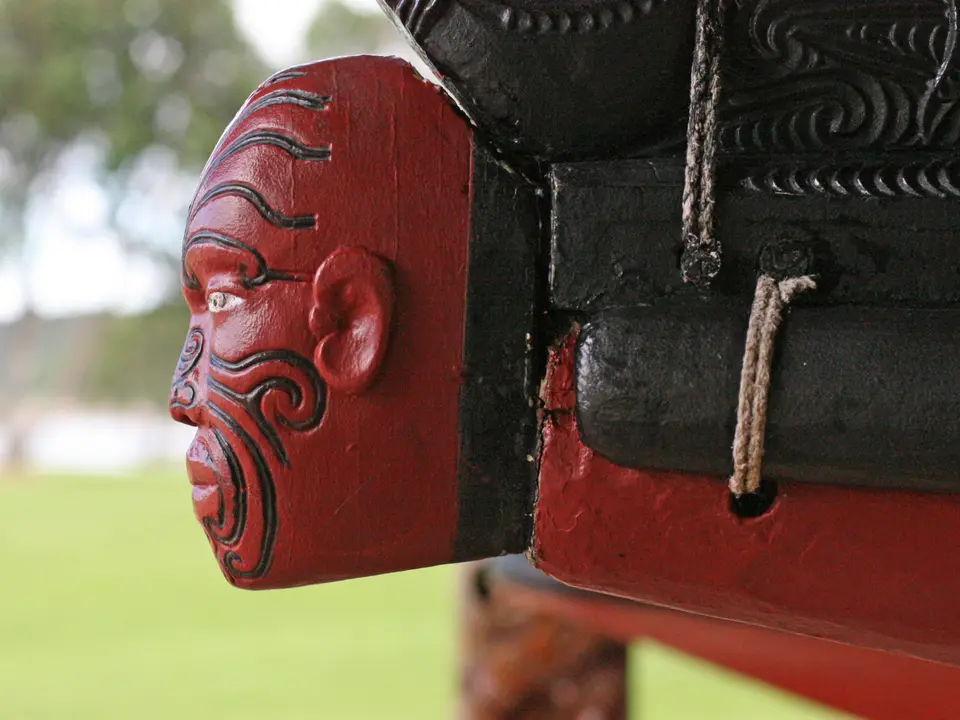
New Zealand’s national day marks the signing of the Treaty of Waitangi on 6 February 1840 between the British Crown and Māori chiefs — commemorated with a dawn service, speeches, kapa haka and waka on the harbour at the Treaty Grounds, and at times with protest and debate.
February 6, 2027Calculated
Fiestas Patrias
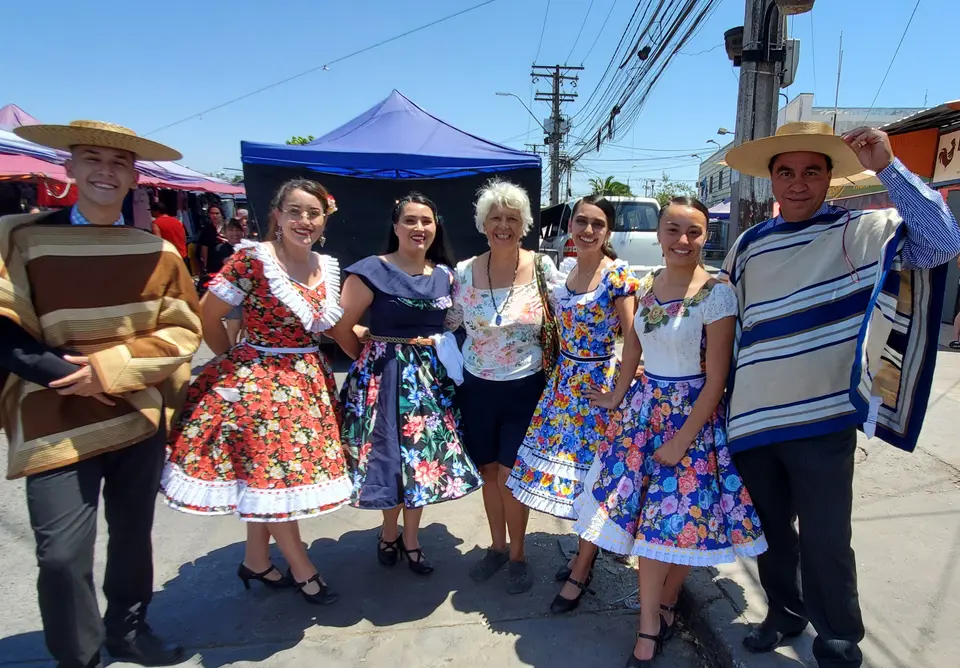
On 18 and 19 September Chile celebrates its national holidays — the Dieciocho — with flags on every building, cueca dancing and barbecues in the fondas, a Te Deum in Santiago and a great military parade, in what can stretch into a week of celebration.
September 18 – 19, 2027Calculated
Comments
Have you been there? Tell other readers what to expect.
No comments yet.
Comments are read by the site’s owner before they appear.