Afghanistan

The Afghan year begins at Nowruz, and the biggest gathering in the country used to be the banner-raising at Mazar-i-Sharif. Since 2021 Nowruz has been off the list of official holidays, and what is on this page is now kept quietly, at home, or not at all.

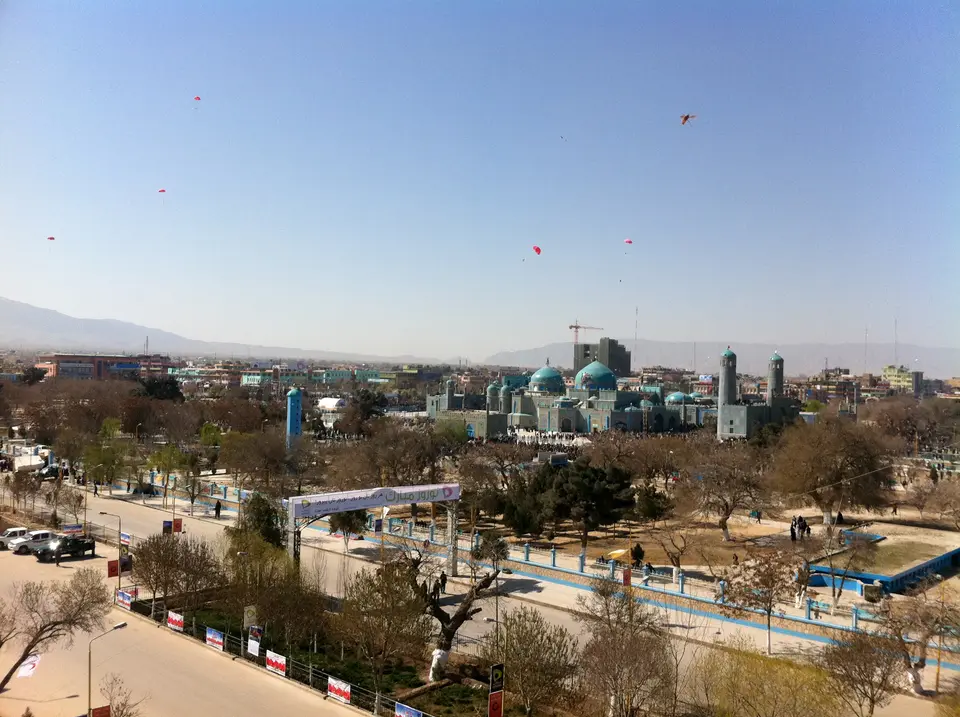
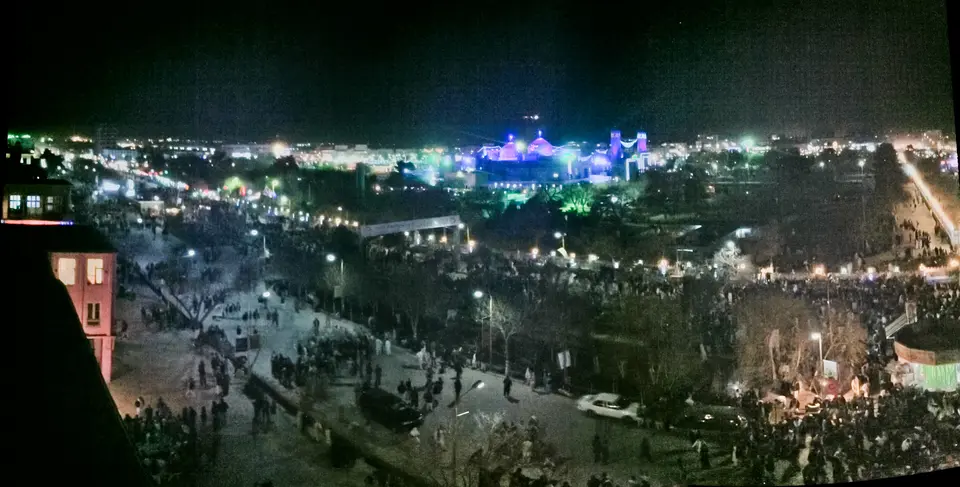
Photo: Peretz Partensky, CC BY-SA 2.0, via Wikimedia Commons

A year that starts in spring

Afghanistan keeps the solar Hijri calendar, so the year turns at the March equinox with Nowruz, and the month names are the old Persian ones — Hamal, Sawr, Jawza. Islamic observances follow the lunar Hijri calendar and move about eleven days earlier each Gregorian year.

The new year is not one day but a season. The Gul-e Surkh festival at Mazar-i-Sharif runs through the first forty days of the year, while the tulips are out on the plains around the city, and the banner-raising at the shrine there drew as many as two hundred thousand people from all over the country — the largest recorded Nowruz gathering anywhere. On the first day of the year, farmers walk through the cities in Jashn-e Dehqan, a show of support for the year's planting.

What changed in 2021

After the Taliban took power in 2021 Nowruz was removed from the list of official holidays. The government's spokesman has said that it will not be marked officially with state-organised events but that people "will not be prevented" from marking it privately. Around that sit other rules that bear directly on what a festival is: music is outlawed, women are banned from public parks and leisure facilities, and a law published in 2024 holds that women's voices should not be heard in public.

So the entries here describe practices with two different tenses. What they were, which is documented, and what is now possible, which is less. Buzkashi was banned outright under the Taliban's first government; after 2021 it was allowed to continue. Nowruz was not. This page does not try to resolve that, only to say which is which.

Festivals in Afghanistan

AfghanistanTraditional sport

Buzkashi

بزکشی

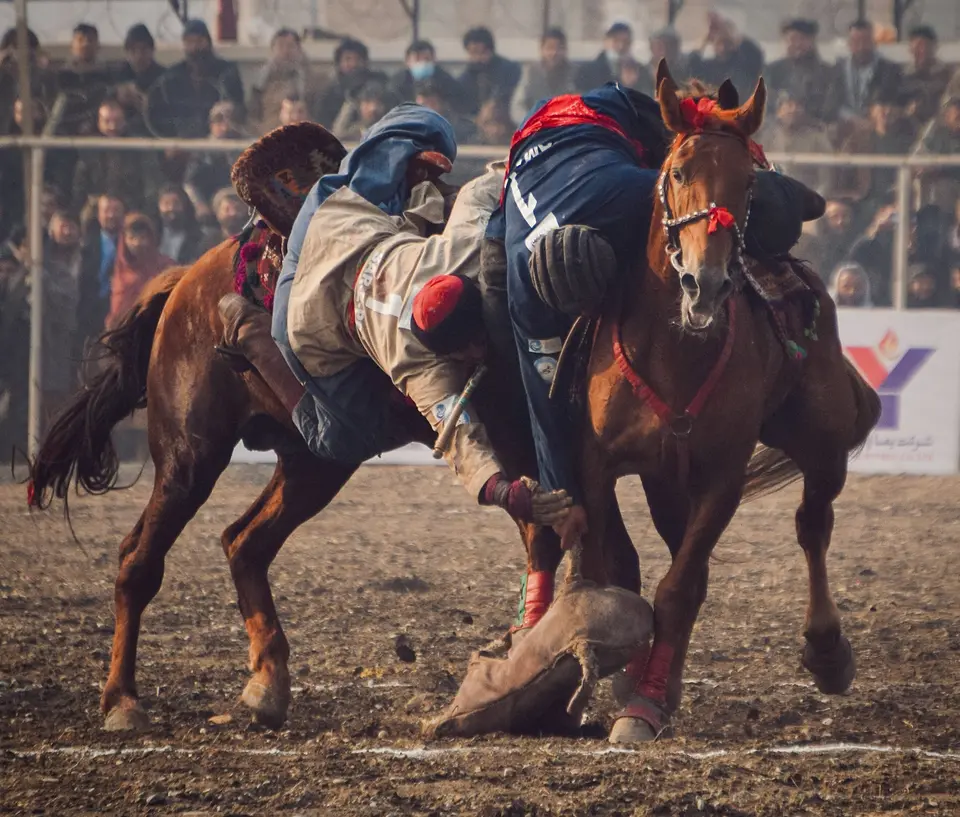
Afghanistan's national game. Riders fight over a headless calf carcass, carry it round a flag and drop it in a chalked circle. It has no written rulebook — it is governed by its own traditions and by what the players understand between them.

November 2026 – April 2027Approximate window
AfghanistanNew year

Gul-e Surkh

میلهٔ گل سرخ

The Red Flower festival at Mazar-i-Sharif ran through the first forty days of the year, while the tulips were out on the plains around the city. The banner-raising at the shrine drew up to two hundred thousand people — the largest Nowruz gathering recorded anywhere.

March 21 – April 29, 2027Calculated

Dishes in Afghanistan

AfghanistanSweet

Haft Mewa

هفت میوه

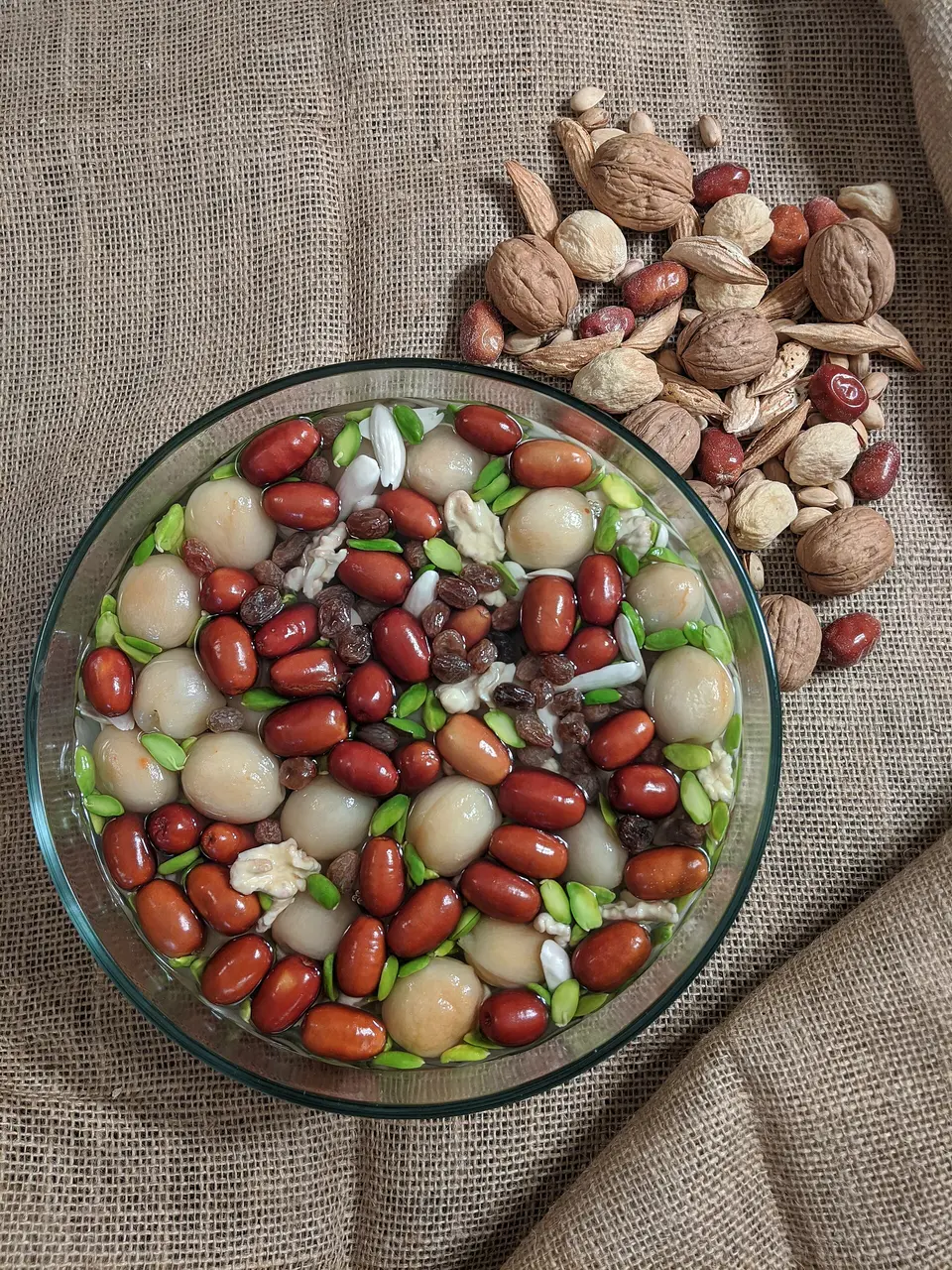
Seven dried fruits, soaked until they swell and give up their sugar, served in the syrup they made themselves. It is the Afghan answer to the seven things on the Nowruz table — not seven objects to look at, but seven fruits in one bowl to eat.

Iran · AfghanistanSweet

Samanu

سمنو

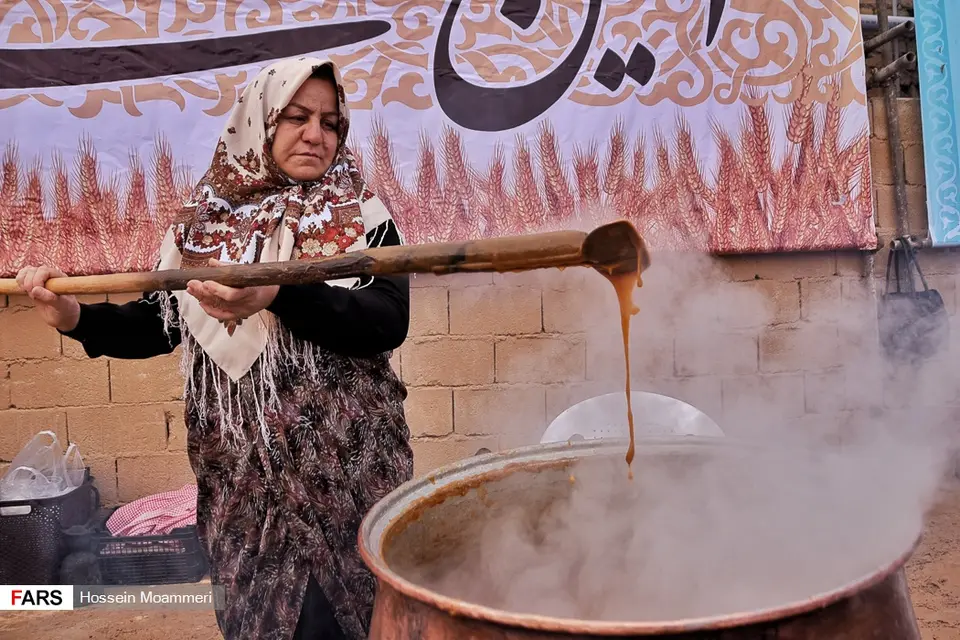
Wheat is soaked, left to sprout for days, ground and boiled overnight. Nothing sweet goes in and something very sweet comes out. It is one of the seven things on the Nowruz table, and the only one that has to be made rather than bought or picked.

Sources for this page

  1. Afghanistan travel adviceUK Foreign, Commonwealth & Development Office · read September 29, 2026
  2. Afghanistan travel advice: safety and securityUK Foreign, Commonwealth & Development Office · read September 29, 2026
  3. Afghans No Longer Celebrate Nowruz Amid Poverty, Taliban RestrictionsRadio Free Europe / Radio Liberty · read September 29, 2026
  4. Nowruz in AfghanistanWikipedia · read September 29, 2026