
For fifteen days at the end of the rains, Cambodians feed the dead. Families take food to the pagoda before dawn, monks chant through the night, and rice balls are set out or thrown for the spirits who have no one left to remember them. The last three days are a national holiday and the country goes home.
Fifteen days for the dead
Pchum Ben falls at the end of the Buddhist rains retreat, in the waning moon of the tenth month. For the first fourteen days, called Kan Ben, families take turns to bring food to their local pagoda; the fifteenth, Pchum Ben itself, gathers everyone at once. It is held to be the time when the gates of the other world are open and the dead are abroad, and Cambodians make merit for their relatives as far back as seven generations.
The offerings work in two ways at once, and Cambodians will tell you both. Food given to the monks is merit transferred to the dead through them. Food given directly — rice balls, bay ben, put out on the ground or thrown into the air before first light — is for the hungry ghosts, pret, thin-necked spirits who cannot be fed in daylight and who include the relatives no one has remembered. Many families go to seven different pagodas over the fifteen days, so that no ancestor is missed because the family moved.
Monks chant through the night, sometimes without sleeping, and the pagodas stay lit. It is a solemn festival rather than a cheerful one, and it is described in Cambodia as the one that belongs most completely to the country.
When it happens
The dates move with the moon. The fifteen days end at the new moon of the tenth month, and the last three are the public holiday: in 2026, 10, 11 and 12 October. Phnom Penh empties in the days before, and the roads back into the provinces are full in both directions.
When it happens
Pchum Ben runs fifteen days through the waning moon of the tenth month of the Khmer calendar, at the end of the Buddhist rains retreat, and ends on the day of the new moon. The final three days are the public holiday. In 2026 they are 10, 11 and 12 October.
- October 10 – 12, 2026Officially announced
Visiting with respect
Good to know
- Dress to cover shoulders and knees at the pagoda, take your shoes off where others do, and keep your feet from pointing at the monks or at the shrine.
- The early morning is the serious part of the day. If you go before dawn, go quietly and stay at the edge until you are shown where to stand.
- If a family invites you to carry something to the pagoda, carry it. Offerings are meant to be given by hand.
Avoid
- Do not photograph people praying from close up without asking, and never with a flash inside the hall.
- Do not step over the rice set out on the ground, or take food that has been offered.
Stay safe
- Roads are at their busiest as the cities empty into the provinces. Avoid night journeys and overloaded vehicles.
- Thieves on motorbikes snatch bags and phones from people on foot and in tuk-tuks. Carry little and keep it out of sight.
- Many businesses close for several days. Change money and buy what you need before the holiday starts.


Sources
This entry was written from the following sources.
- Pchum BenWikipedia · read September 24, 2026
- Khmer calendar — festivals and holidays, October 2026Khmer Calendar · read September 24, 2026
- Cambodia travel advice: safety and securityUK Foreign, Commonwealth & Development Office · read September 24, 2026
Related festivals
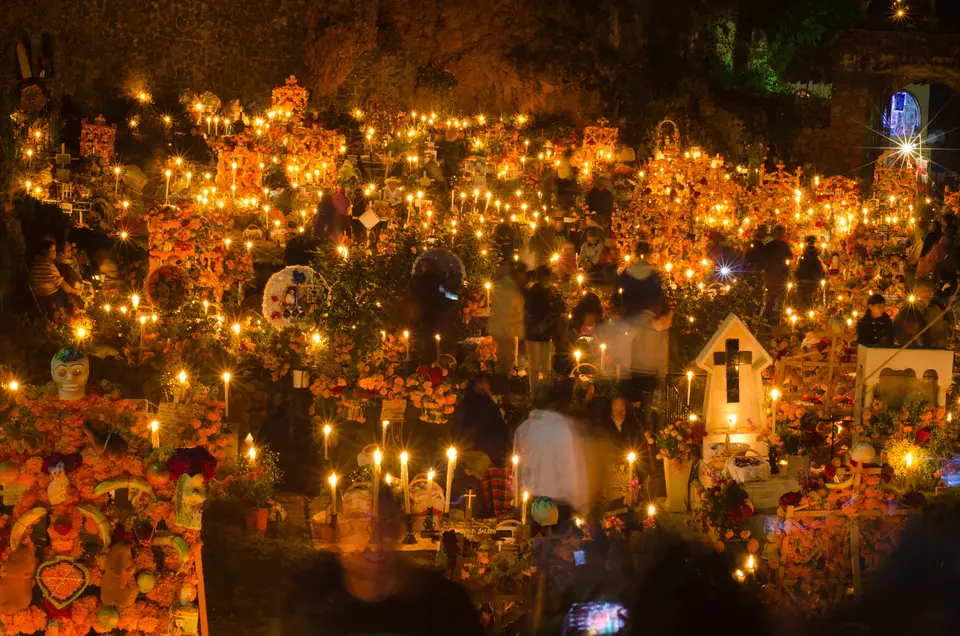
Day of the Dead
Día de Muertos
At the turn of October and November, Mexican families welcome their dead home for a brief visit. They build altars with marigolds, candles and the departed’s favourite food, decorate graves, and in some towns keep vigil in the cemetery all night.
November 1 – 2, 2026Calculated
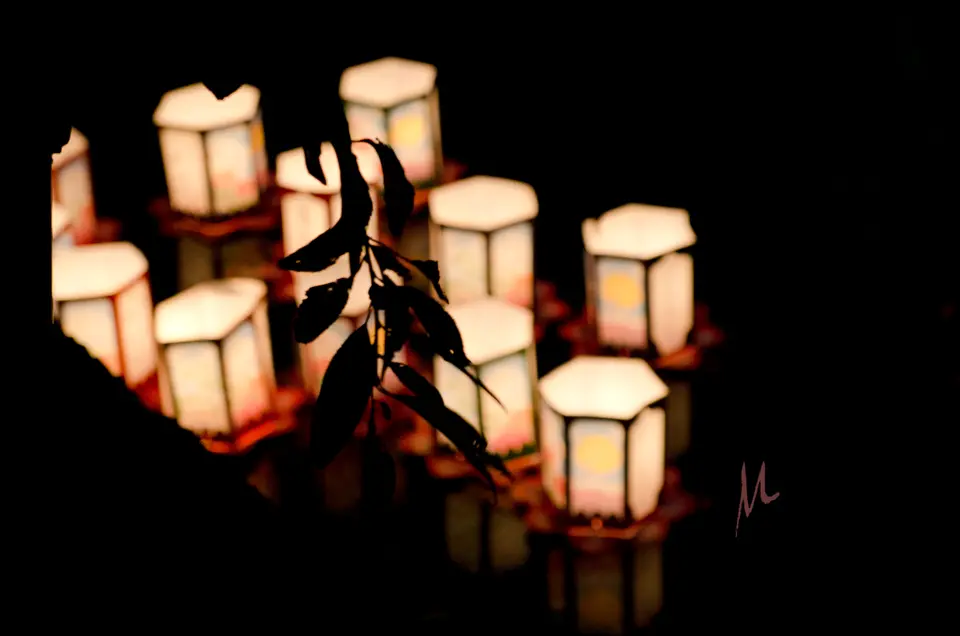
Obon
お盆
Japan’s summer days of the dead, when ancestors are said to come home for a few days. Families light lanterns to guide them, visit graves, and at the end set lanterns on the water to send them back. Mostly kept in August; in some places in July.
July 13 – 15, 2027Calculated
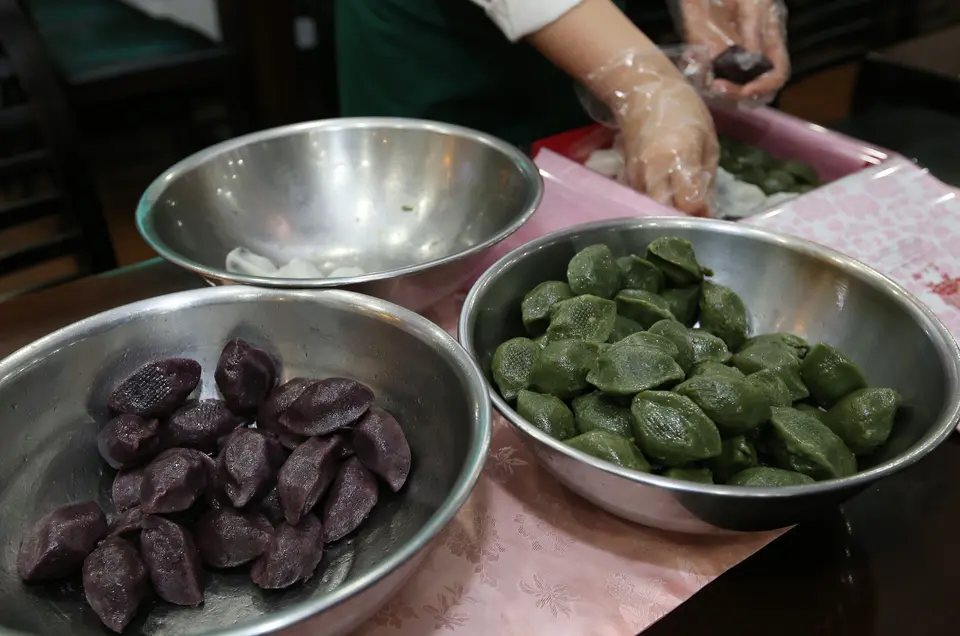
Chuseok
추석
Korea’s harvest festival under the full moon of the eighth lunar month — three days when cities empty as families go home to honour their ancestors, tidy the family graves and make half-moon rice cakes steamed over pine needles.
September 24 – 26, 2026Calculated
Comments
Have you been there? Tell other readers what to expect.
No comments yet.
Comments are read by the site’s owner before they appear.