Colindat
Colindatul în ceată bărbătească
On UNESCO’s list of the Intangible Cultural Heritage of Humanity
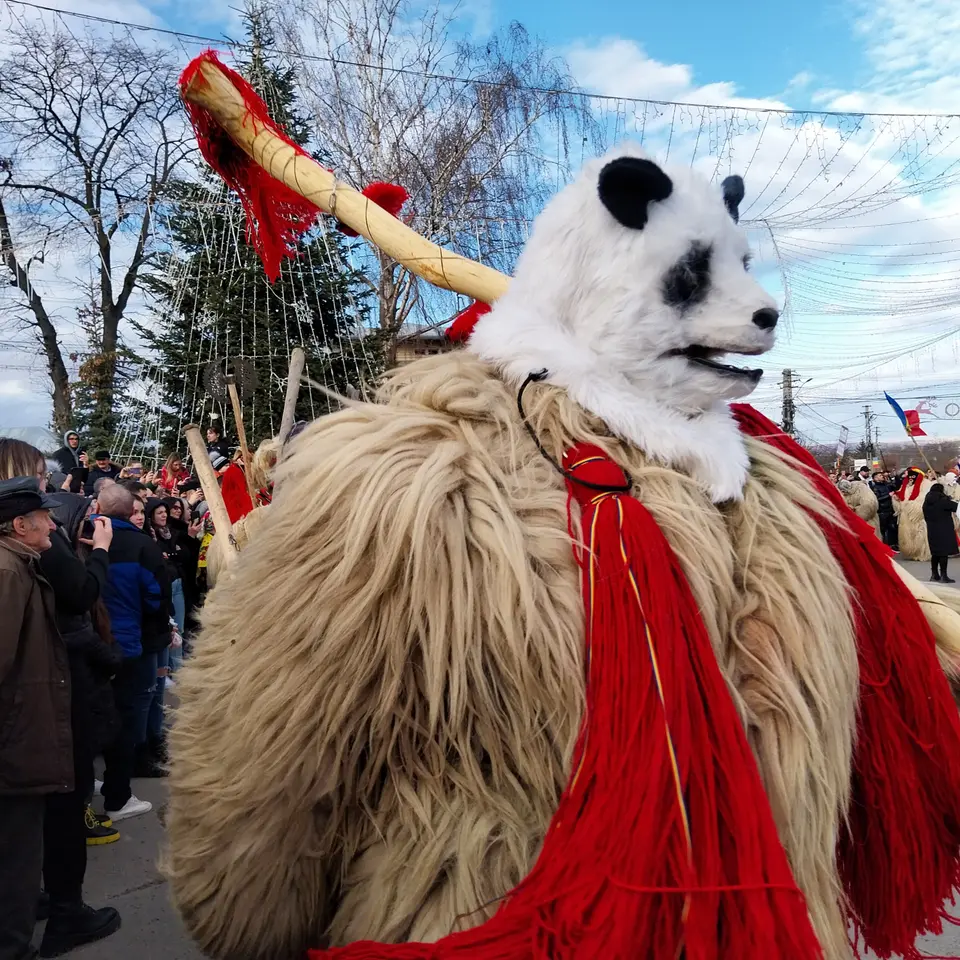
Photo: MoritzSam, CC BY-SA 4.0, via Wikimedia Commons
On Christmas Eve the young men of a Romanian village form a band and walk it door to door, singing songs whose words are fitted to the household in front of them. The girls of the house get a song of their own. In the same fortnight, in the north-east, the bear and the goat come down the street on their own legs.
Songs made for the house they are sung at
UNESCO inscribed men's group colindat in 2013, in a file Romania shares with the Republic of Moldova. The bands are of young men, traditionally unmarried, trained by older men who have led the group before; children come to the rehearsals and learn the repertoire long before they may walk with it. On Christmas Eve the band goes through the village from house to house.
The songs are not general Christmas carols. They have an epic content and are fitted to the household at whose door they are sung: there are songs for a house with an unmarried daughter, for a shepherd, for a household in mourning. The song for an unmarried girl is held to help her marry within the year, and it is danced as well as sung. When the band has finished, the household gives ritual gifts and money.
The bear and the goat
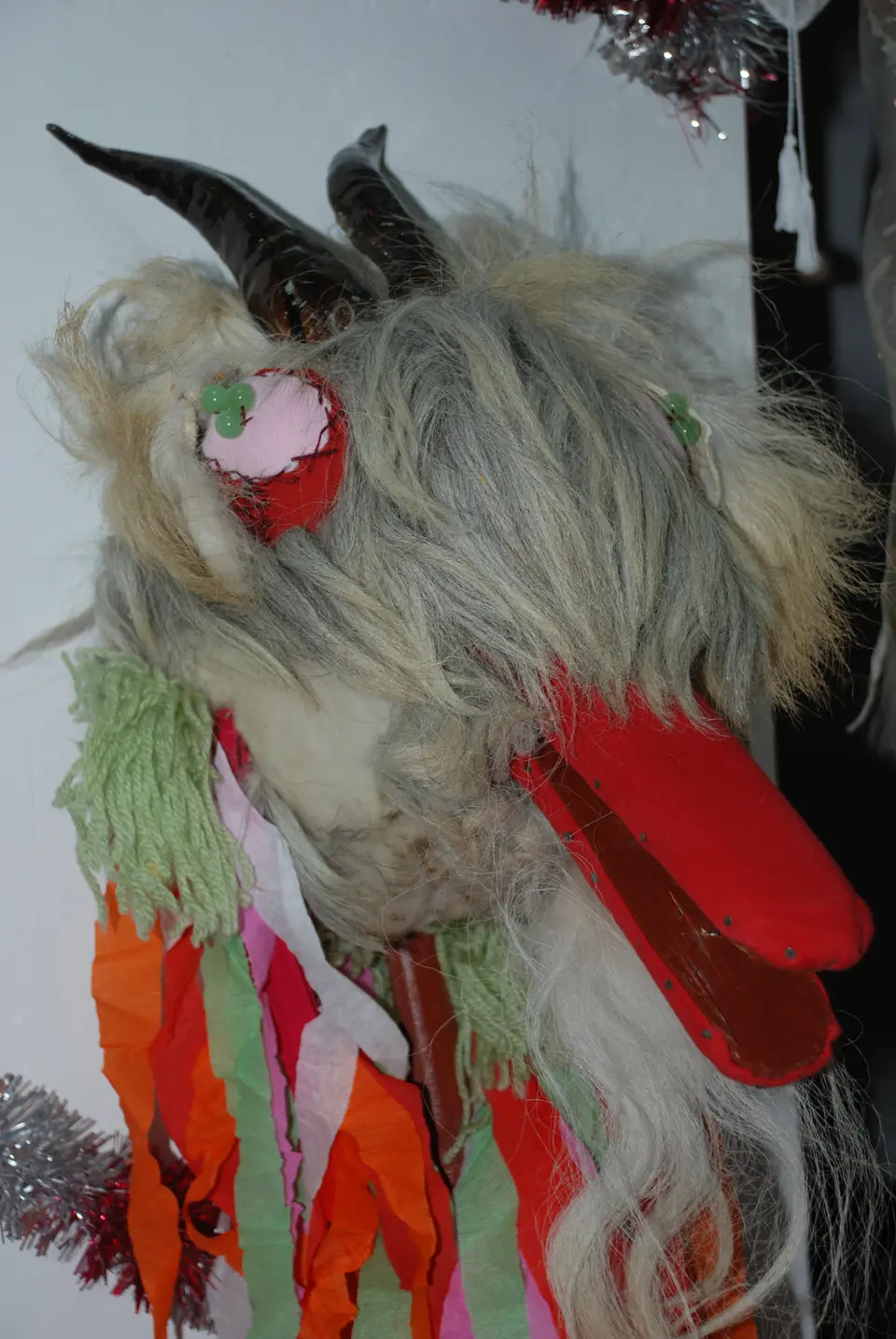
The same weeks hold customs that are not part of the UNESCO file and are worth knowing about anyway. In Moldavia and the north-east, groups go out between Christmas and Epiphany with masks: the capra, a goat with a snapping wooden jaw, and the ursul, a bear in a coat of real fleece who dances to a drum and dies and is brought back to life. Most of them come out around New Year's Eve, and the towns of Comănești and Sighetu Marmației hold parades of them.
When it happens
The bands go out on 24 and 25 December. The masked groups run from Christmas to Epiphany, on the sixth of January, with the largest turnout on the last day of the year.
When it happens
The bands go out on Christmas Eve and Christmas Day, 24 and 25 December. The masked customs of the same season — the goat, the bear, the mummers — run on from Christmas to Epiphany, with most of them on New Year's Eve.
- December 24 – 25, 2026Calculated
- December 24 – 25, 2027Calculated
- December 24 – 25, 2028Calculated
- December 24 – 25, 2029Calculated
Visiting with respect
Good to know
- A band singing at a door is working through a village in an order that is decided in advance. Do not call them over or hold them up.
- The songs are made for the house they are sung at. If you are a guest in that house, stand with the household rather than with the singers.
- Gifts and money are given after the song. If your host hands you something to give, give it yourself.
Avoid
- Do not photograph a band inside a house without asking the household first.
- Do not buy a mask and walk in a group uninvited. The bear and the goat belong to the people who have the right to carry them.
Stay safe
- Rural roads in December, ice and no lighting. Drive slowly and park where you are told.
- Winter tyres are required in Romania from roughly November to March.
- There is drink at every house in a night of carolling. Do not plan to drive afterwards.
Sources
This entry was written from the following sources.
- Men's group Colindat, Christmas-time ritualUNESCO · read September 25, 2026
- Romania — intangible cultural heritage elementsUNESCO · read September 25, 2026
- Romania travel advice: safety and securityUK Foreign, Commonwealth & Development Office · read September 25, 2026
Related festivals
Kraków Nativity Scene Contest
Konkurs Szopek Krakowskich
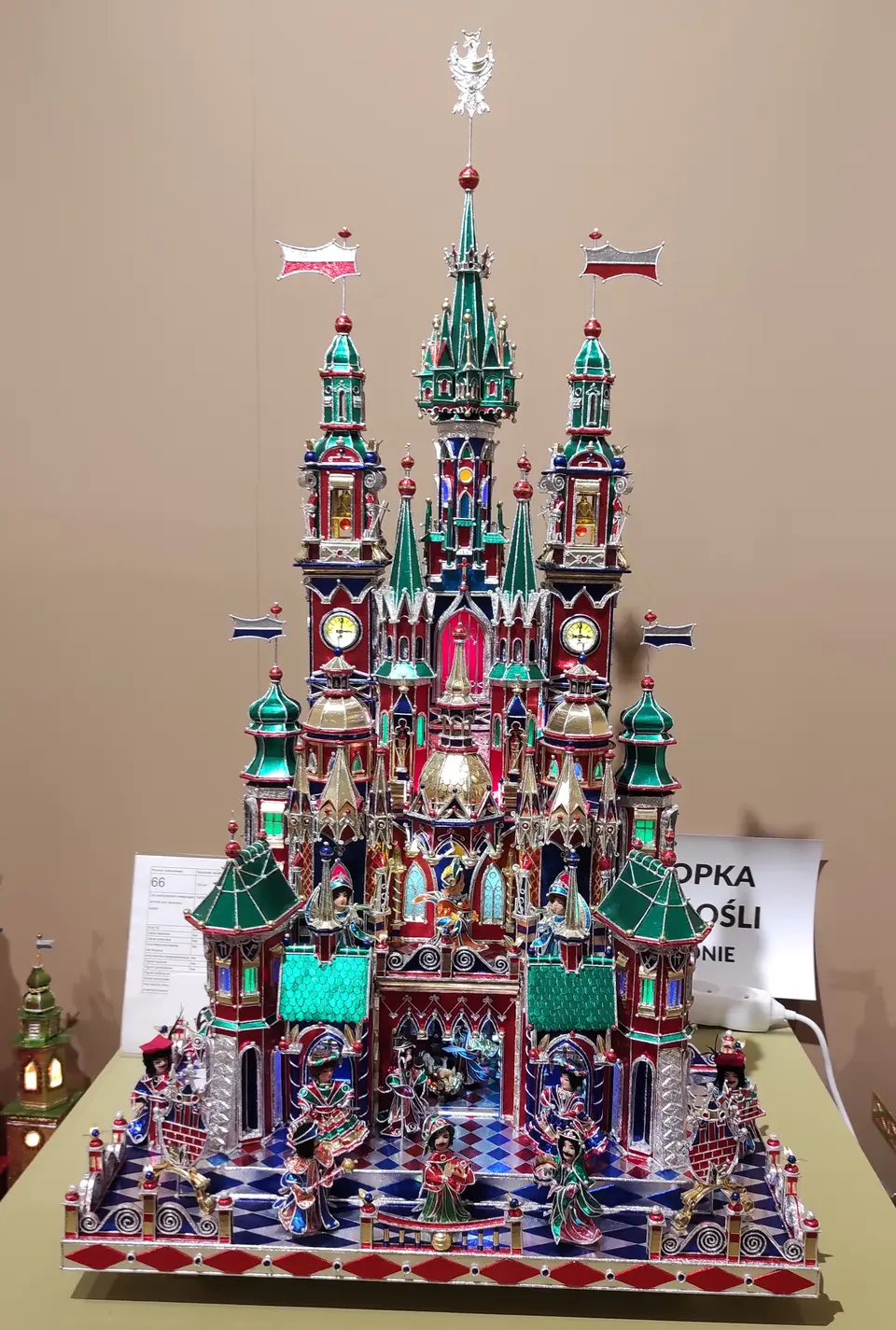
On the first Thursday of December, hundreds of makers carry their szopki — nativity scenes shaped like Kraków’s churches, towers and cloth hall, glittering with foil and coloured paper — to the steps of the Mickiewicz monument on the Main Market Square to be judged.
December 3, 2026Calculated
Surova
Сурова
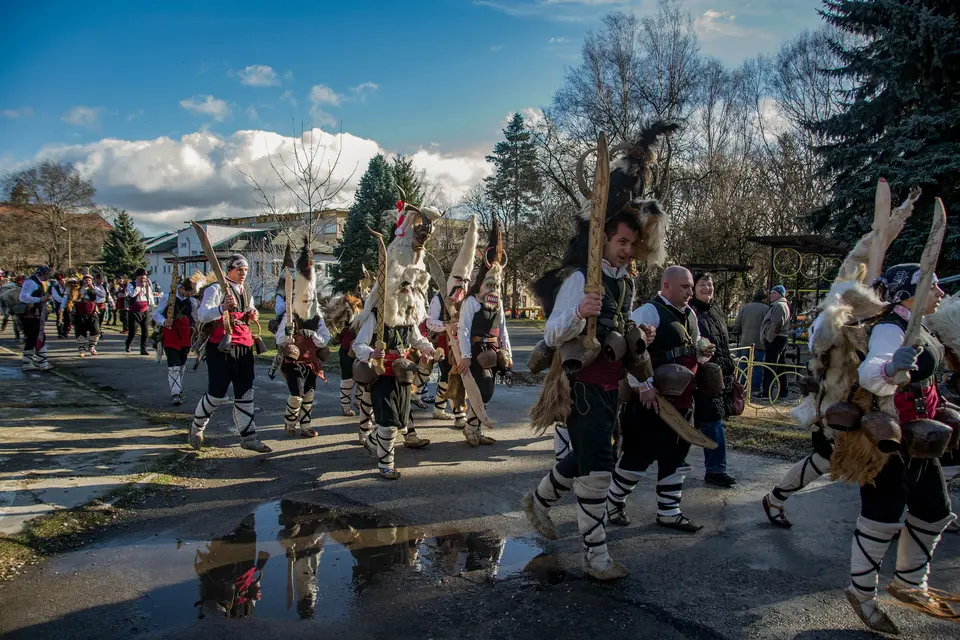
On the nights of 13 and 14 January, masked survakari in fur, horns and heavy bells gather around fires in the villages of the Pernik region, then go from house to house marrying young couples in jest and wishing health for the new year — a masquerade listed by UNESCO.
January 13 – 14, 2027Calculated
Lucia
Luciadagen
On 13 December, processions in white gowns walk into schools, churches and town squares across Sweden, led by a Lucia wearing a crown of candles and singing of light returning to the dark — followed by saffron buns and mulled wine.
December 13, 2026Calculated
Comments
Have you been there? Tell other readers what to expect.
No comments yet.
Comments are read by the site’s owner before they appear.