
Heritage Day
Photo: Local Is Lekker ZA, CC BY-SA 4.0, via Wikimedia Commons
24 September was Shaka Day in KwaZulu-Natal, and the new parliament left it off the list of public holidays in 1994. The compromise was a day on which everyone's heritage counted. A wine marketer then spent a decade persuading the country to spend it at a fire, and largely succeeded.
What the day was before it was this
In KwaZulu-Natal, 24 September was Shaka's Day: the commemoration of the Zulu king who welded the Nguni clans into a single nation and died in 1828. People gathered at his memorial to honour him.
When the first post-apartheid parliament brought forward the Public Holidays Bill in 1994, the date was not on it. The Inkatha Freedom Party, whose membership is substantially Zulu, objected to the omission. What came out of the argument was not Shaka Day restored and not Shaka Day abolished, but a third thing: a day on which all South Africans could observe and celebrate the different heritages they had brought to the country. It became a public holiday in 1995 under the name it still has.
That is a particular kind of solution — the sort a country reaches when it has decided that no single past is going to be the official one. It is also, unavoidably, a compromise, and there are people who feel it took something away from KwaZulu-Natal and gave it to nobody in particular.
And then the fire
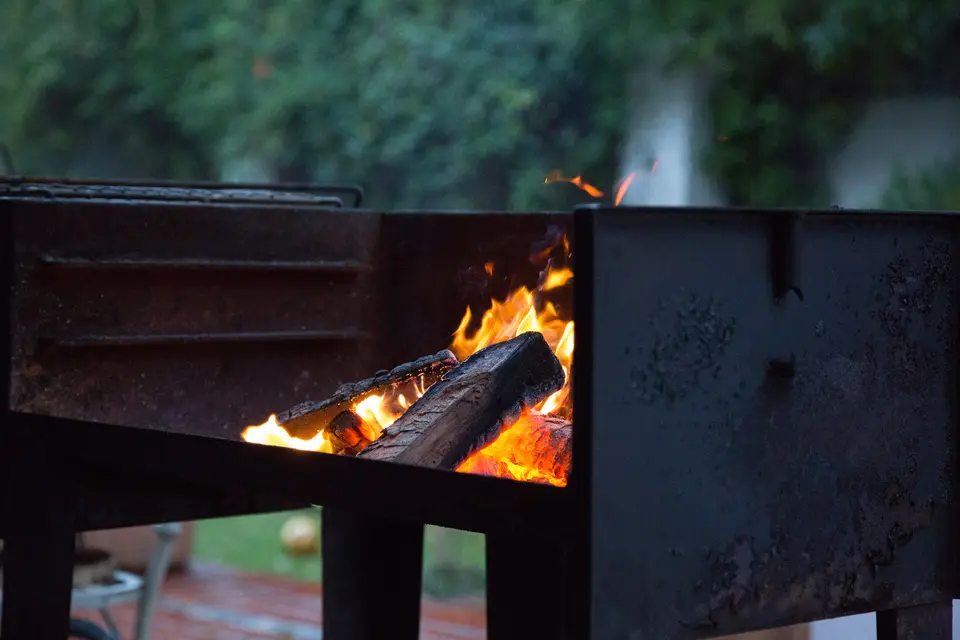
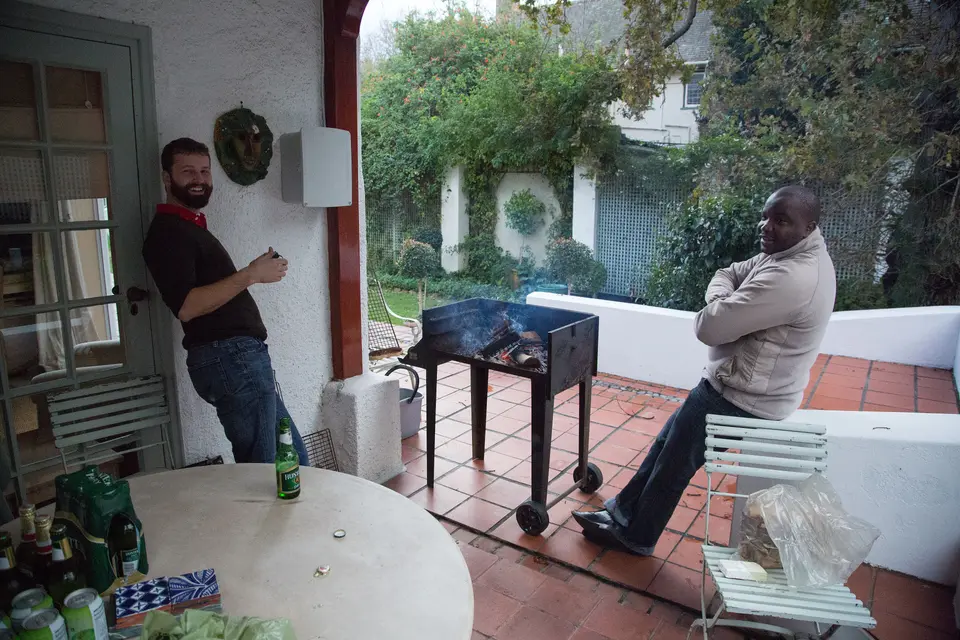
In 2005 Jan Scannell — who goes by Jan Braai — had the idea that the one thing South Africans of every background do is cook meat over wood, and that this could be what the day was for. He called it National Braai Day, later Braai4Heritage.
In 2007 he persuaded Archbishop Emeritus Desmond Tutu to become the campaign's national spokesperson. Tutu's argument was about the word rather than the meat: eleven official languages, he pointed out, and only one word for the thing. "It's braai in Xhosa, it's braai in Afrikaans, it's braai in English, it's braai in whatever. And it has fantastic potential to bind us together." He talked about the 24th as the day the country would "all gather round one fire" and be "South Africans doing one thing together".
The National Heritage Council was not persuaded at first: it rejected the idea in 2007 as trivialising a day about heritage. It endorsed the campaign the following year, in 2008.
What actually happens
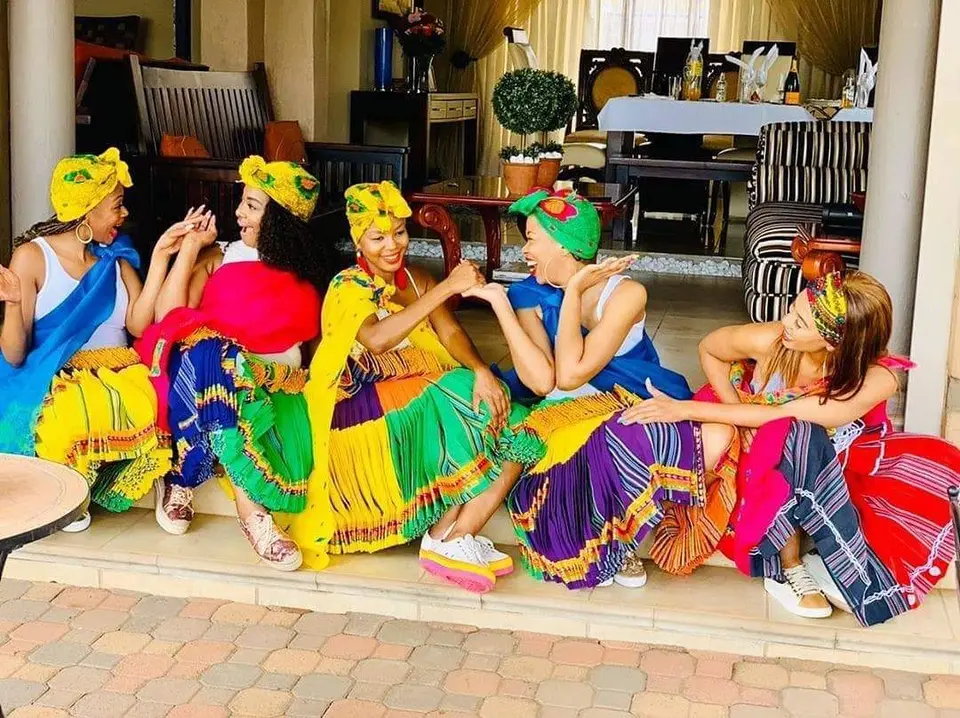
Both things, mostly at once. Schools and workplaces hold heritage events and people come in the dress of whichever of the country's cultures is theirs — beadwork, xibelani, whatever it is. And then a very large number of households light a fire in the afternoon and stand around it.
Whether that is a national ritual or an advertising campaign that worked is still argued about, and the argument is part of the day.
When it happens
24 September. When the date falls on a Sunday the following Monday is the public holiday instead.
- September 24, 2027Calculated
- September 24, 2028Calculated
- September 24, 2029Calculated
- September 24, 2030Calculated
Sources
This entry was written from the following sources.
- Heritage Day (South Africa)Wikipedia · read September 26, 2026
- Heritage Day, Braai Day or Shaka Day: Whose Heritage is it Anyway?South African History Online · read September 26, 2026
Related festivals
Cape Town Minstrel Carnival
Kaapse Klopse
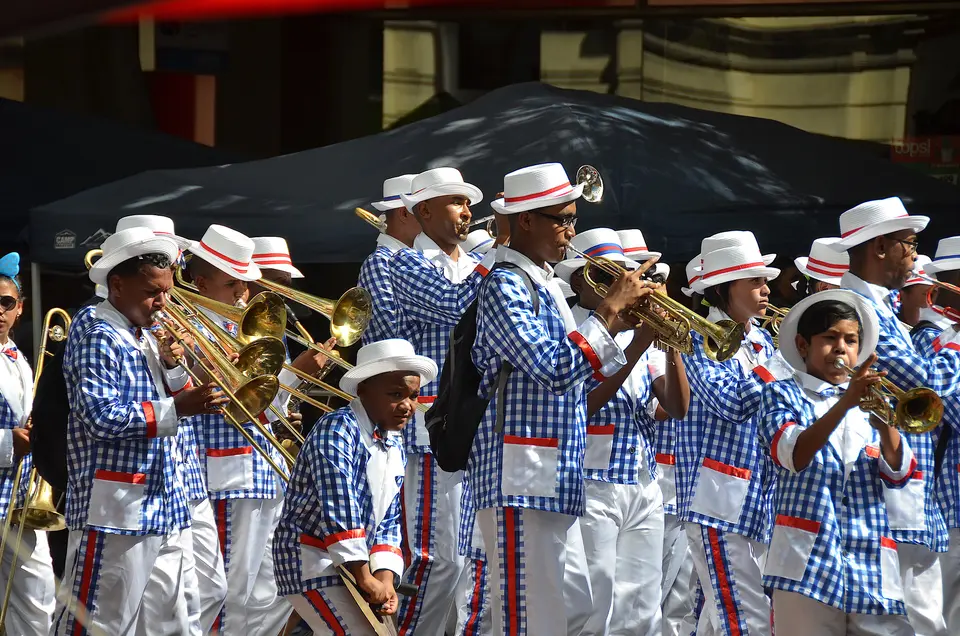
In the first days of January, some 20,000 minstrels in glittering matching uniforms, with parasols, banjos, trumpets and ghoema drums, march through Green Point in troupe after troupe — Cape Town’s “Second New Year”, rooted in the one day of freedom once given to enslaved people.
January 2027Approximate window
Waitangi Day
Te Rā o Waitangi
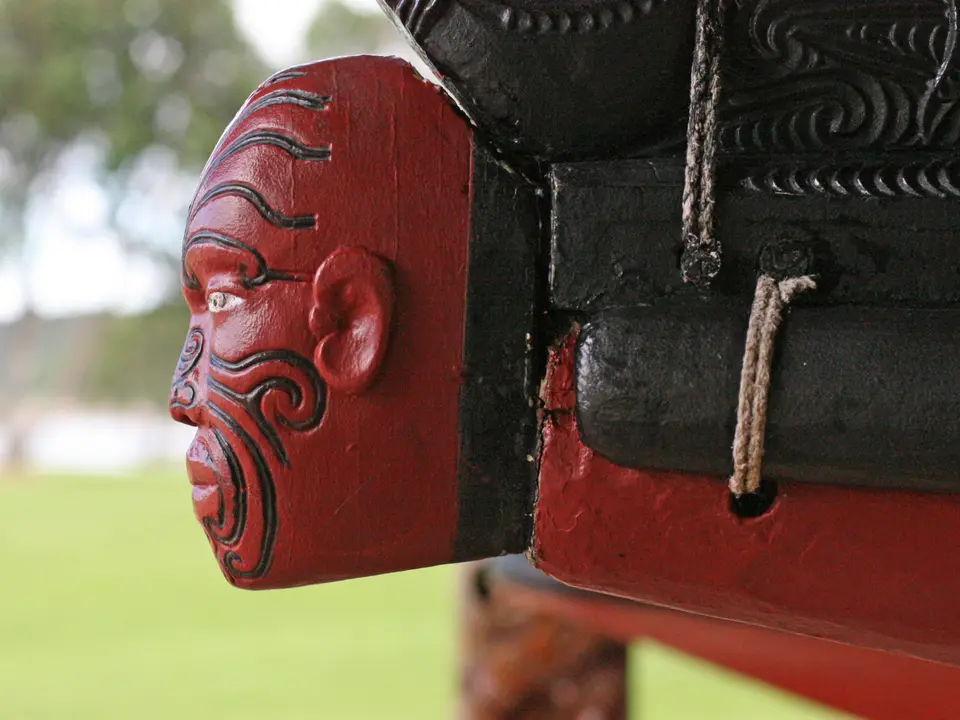
New Zealand’s national day marks the signing of the Treaty of Waitangi on 6 February 1840 between the British Crown and Māori chiefs — commemorated with a dawn service, speeches, kapa haka and waka on the harbour at the Treaty Grounds, and at times with protest and debate.
February 6, 2027Calculated
Homowo
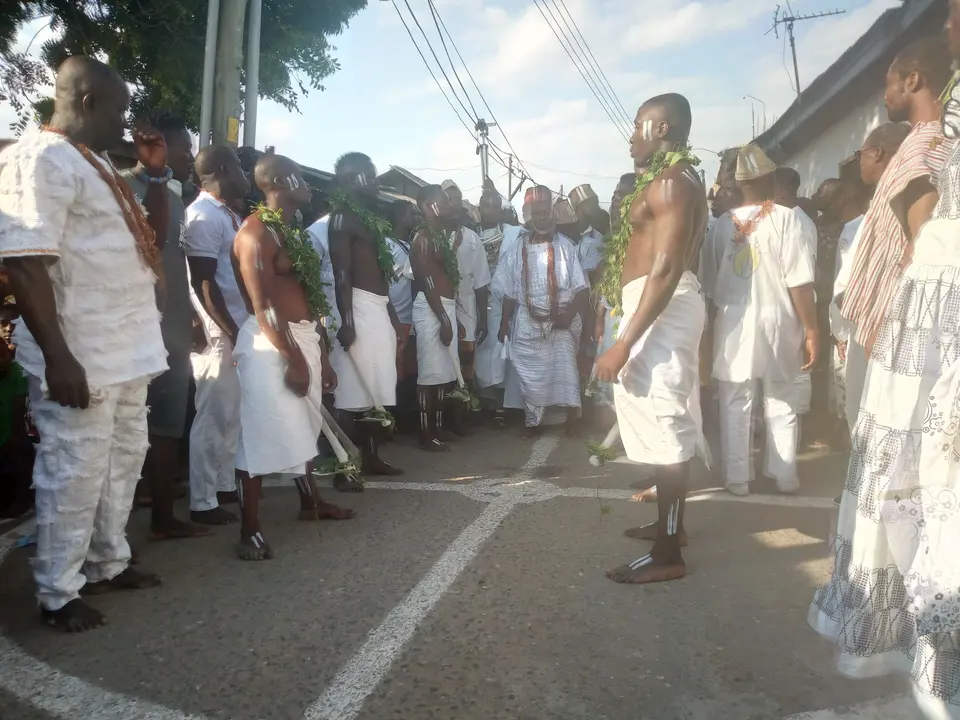
The Ga people of Accra remember a famine by laughing at it: after weeks in which drumming and noise are banned, chiefs sprinkle kpokpoi — steamed maize with palm oil — through the streets, and the drums return for “hooting at hunger”.
August – September 2026Approximate window
Comments
Have you been there? Tell other readers what to expect.
No comments yet.
Comments are read by the site’s owner before they appear.