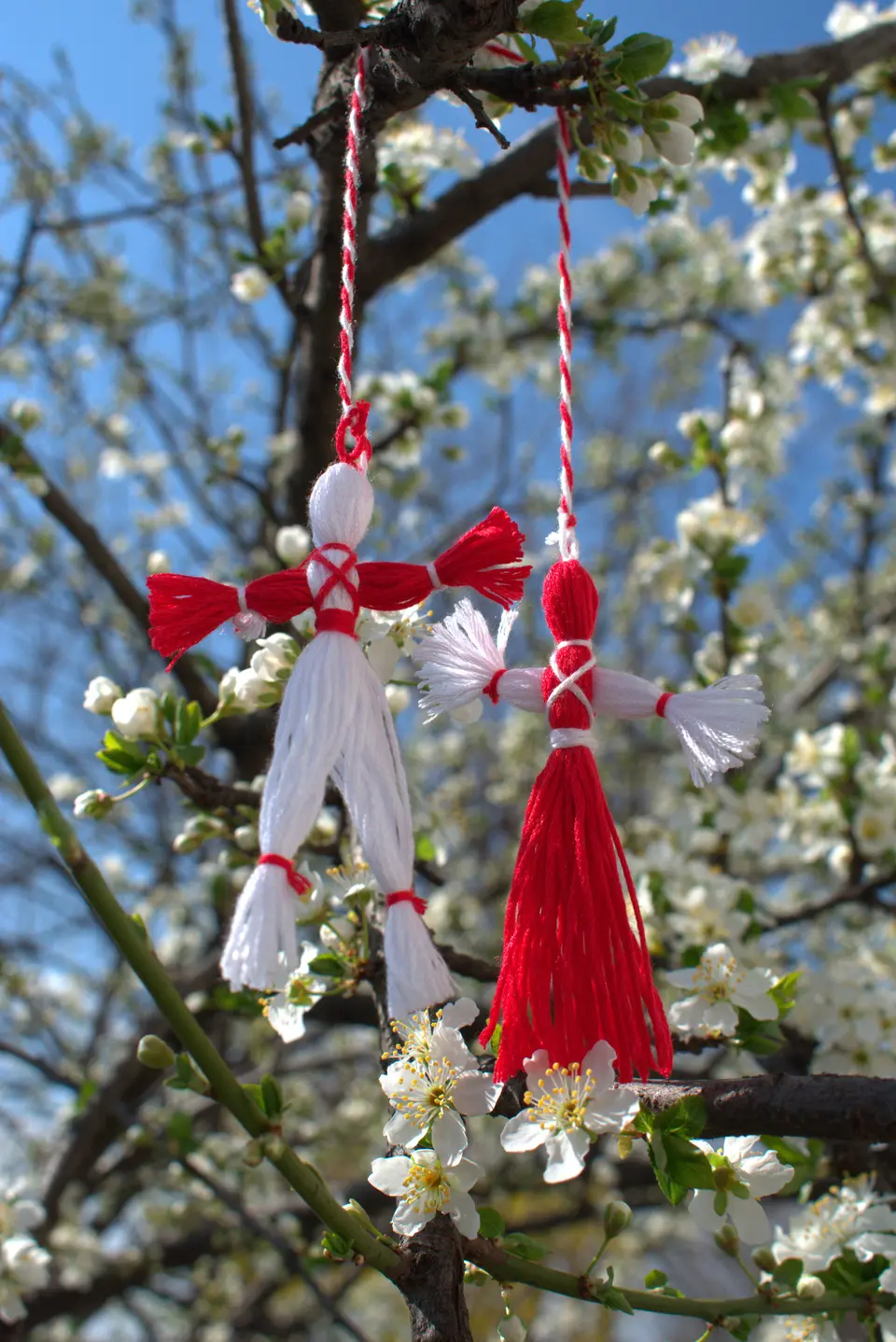
Mărțișor
On UNESCO’s list of the Intangible Cultural Heritage of Humanity
Photo: Endangered Snowdrop, CC BY-SA 4.0, via Wikimedia Commons
On the first of March, Romanians give each other a small twist of red and white thread, pinned to the coat or tied at the wrist. It is worn until the first blossom, swallow or stork of the year is seen, and then hung on a tree. Four countries keep the custom, and UNESCO lists it as one.
A thread with two colours
On the first of March, and for some days afterwards, red and white threads appear on coats all over the country. The mărțișor is a twist or tassel of the two colours, sometimes plain and sometimes with a small charm — a four-leaf clover, a chimney sweep, a horseshoe — attached to it. It is given by family members, friends and colleagues, most often to women and girls, and it is worn pinned at the chest or tied at the wrist.
It is taken off when the wearer sees the first sign of the season: a blossom on a fruit tree, a swallow, a stork. The thread is then tied to a branch, and the trees near a village can carry a season's worth of them.
One custom, four countries
UNESCO inscribed the practices of the first of March in 2017, in a file shared by Bulgaria, Romania, the Republic of Moldova and North Macedonia. The object has a different name in each — martenitsa, mărțișor, martinka — and the details differ, but the shape is the same: a red and white thread given at the start of March, worn as a protection against a treacherous season, and put on a tree when the season turns. The file describes it as something learned informally, from older women in the villages and in workshops in the cities.
When it happens
The first of March, every year. In Romania it is followed on the eighth by Women's Day, and in practice the two run together into one week of small gifts.
When it happens
The first of March. The thread is worn for the days or weeks that follow and is taken off when spring is first seen — a blossom, a swallow, a stork — and then tied to a fruit tree.
- March 1, 2027Calculated
- March 1, 2028Calculated
- March 1, 2029Calculated
- March 1, 2030Calculated
Visiting with respect
Good to know
- The mărțișor is given, not bought for oneself. If you are handed one, wear it where it can be seen.
- It goes to women and girls above all, from family, friends and colleagues, but it is not only a gift between lovers. A colleague giving you one is not making a declaration.
- When you take it off, tie it to a tree rather than throwing it away. That is what the custom asks.
Avoid
- Do not take one from a stall and pin it on someone without asking. It is a small thing, but it is a given thing.
- Do not keep wearing it into April. The point is that it comes off when spring arrives.
Stay safe
- Petty theft happens in the larger towns, above all in Bucharest, often by groups working with distraction.
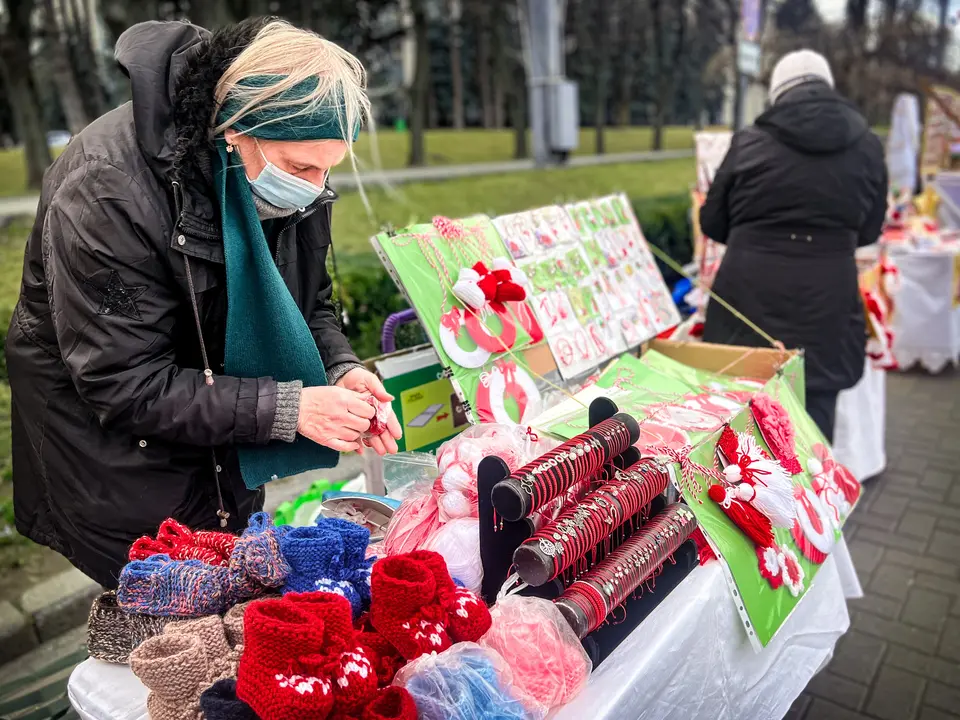
- The street stalls appear for a few days and take cash. Watch your wallet in the crowd around them.
- Romania in early March is still winter. Roads can be icy and winter tyres are required into spring.
Sources
This entry was written from the following sources.
- Cultural practices associated to the 1st of MarchUNESCO · read September 25, 2026
- Romania — intangible cultural heritage elementsUNESCO · read September 25, 2026
- Romania travel advice: safety and securityUK Foreign, Commonwealth & Development Office · read September 25, 2026
Related festivals
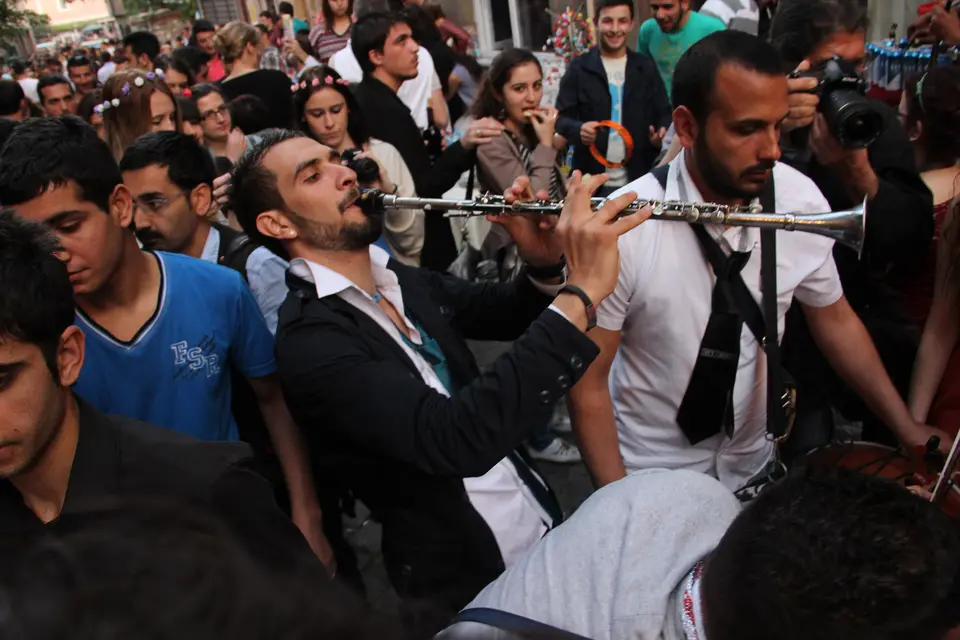
Hıdrellez
On 6 May, the day nature is said to awaken, Türkiye celebrates spring. People write wishes and leave them at rose trees, gather in green places outside town, and keep old customs of water and wild flowers for health and plenty in the year ahead.
May 6, 2027Calculated
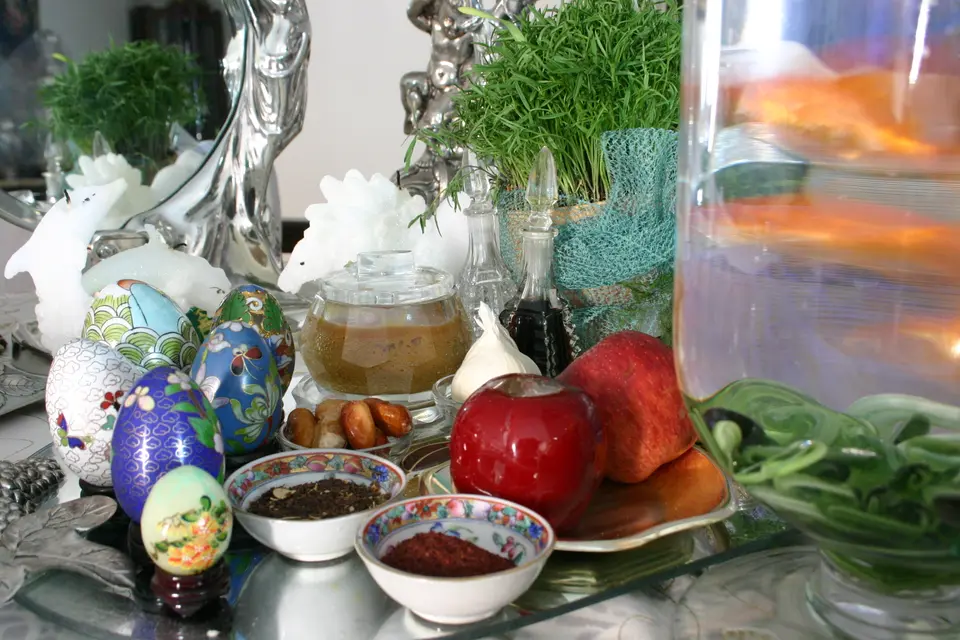
Nowruz
نوروز
Nowruz, “new day”, is the Iranian New Year. It begins at the March equinox, when families gather around the Haft-sin table to wait for the exact moment the year turns, and opens two weeks of visits, food and time outdoors.
March 21, 2027Calculated

Sham el-Nessim
شم النسيم
On the Monday after Coptic Easter, Egyptians of every faith head outdoors — to parks, gardens, the zoo and the banks of the Nile — to picnic on salted fish, green onions and lettuce and to colour eggs, in a spring festival believed to reach back to ancient Egypt.
May 3, 2027Calculated
Comments
Have you been there? Tell other readers what to expect.
No comments yet.
Comments are read by the site’s owner before they appear.