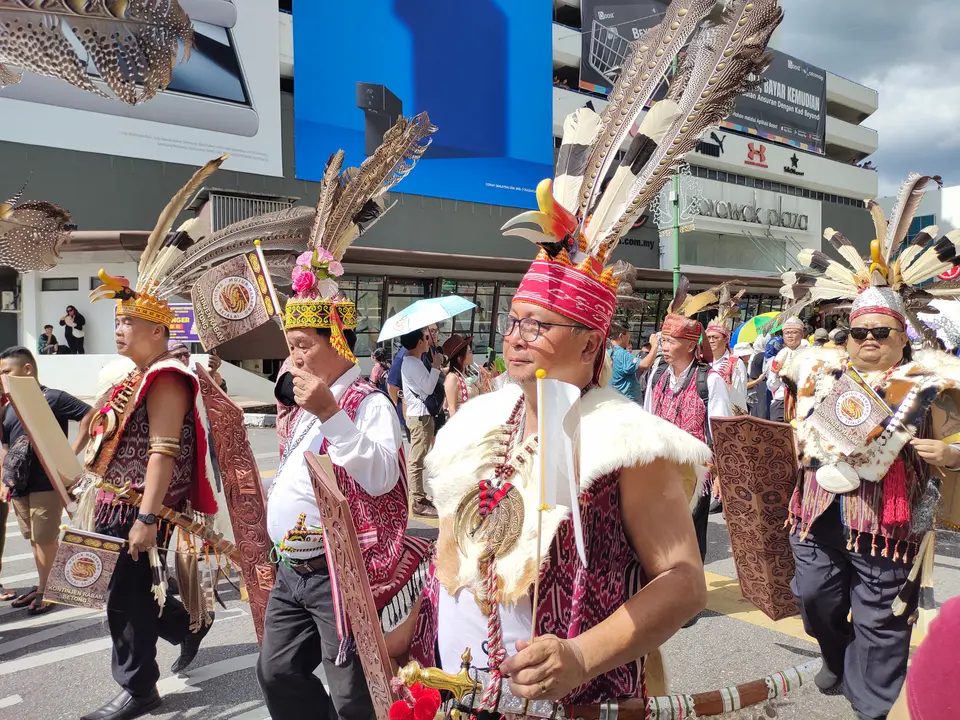
Gawai Dayak
Photo: Zahirulnukman, CC BY-SA 4.0, via Wikimedia Commons
When the rice is in, Sarawak stops. On the last evening of May the Ibans throw out the spirit of greed, raise the tree of life in the longhouse gallery and drink to long life at midnight; then the doors stay open for a month, and no one who walks in leaves without eating.
The evening the greed goes out
Gawai Dayak marks the end of the rice harvest and gives thanks for blessings, harmony, sustenance and luck. It belongs to the Ibans, the Bidayuh, the Kayan, Kenyah, Kelabit and the other Orang Ulu peoples of Sarawak, and is kept by Dayak communities in West Kalimantan on the Indonesian side of Borneo as well, though there it is not a holiday.
The last evening of May is Muai Antu Rua, the casting out of the spirit of greed. What follows is miring, also called bedara: the ritual laying out of offerings. In the gallery of the longhouse the ranyai, the tree of life, is raised. At midnight comes the ai pengayu, the toast to long life, and from that moment the festival is open.
Ngabang, and then the mats go up
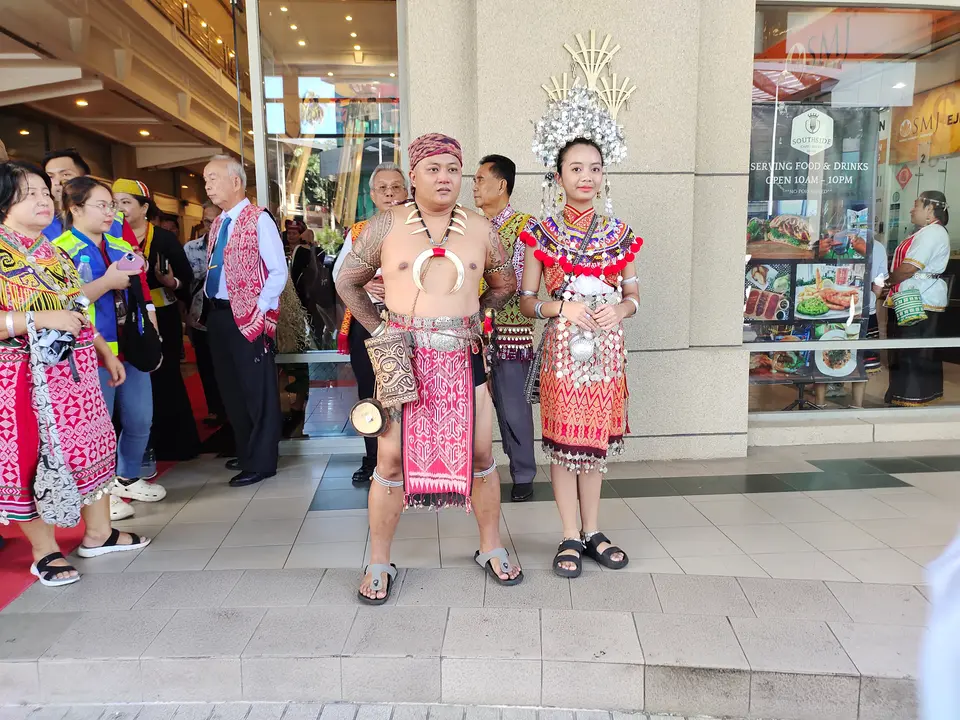
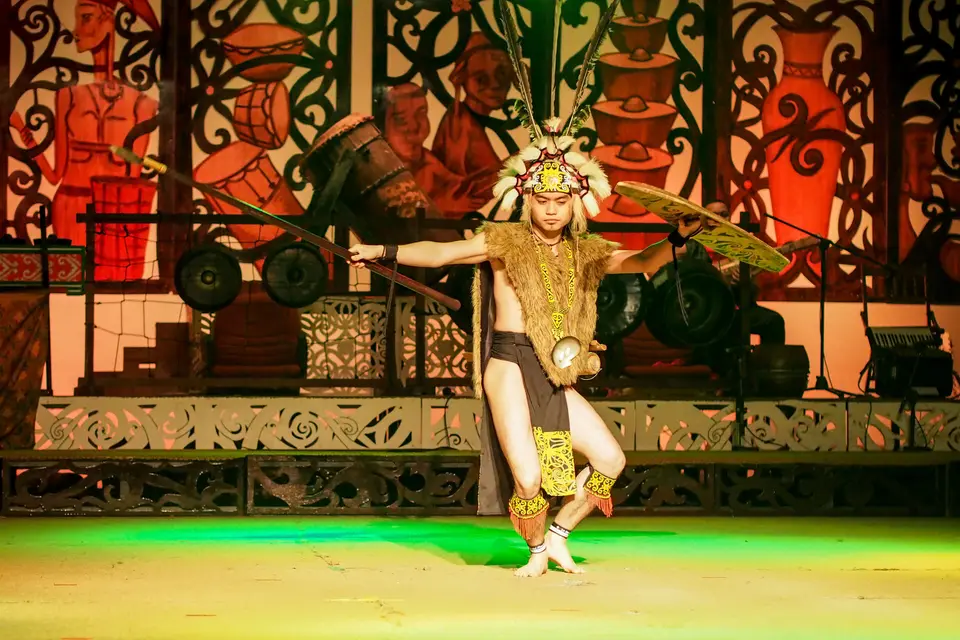
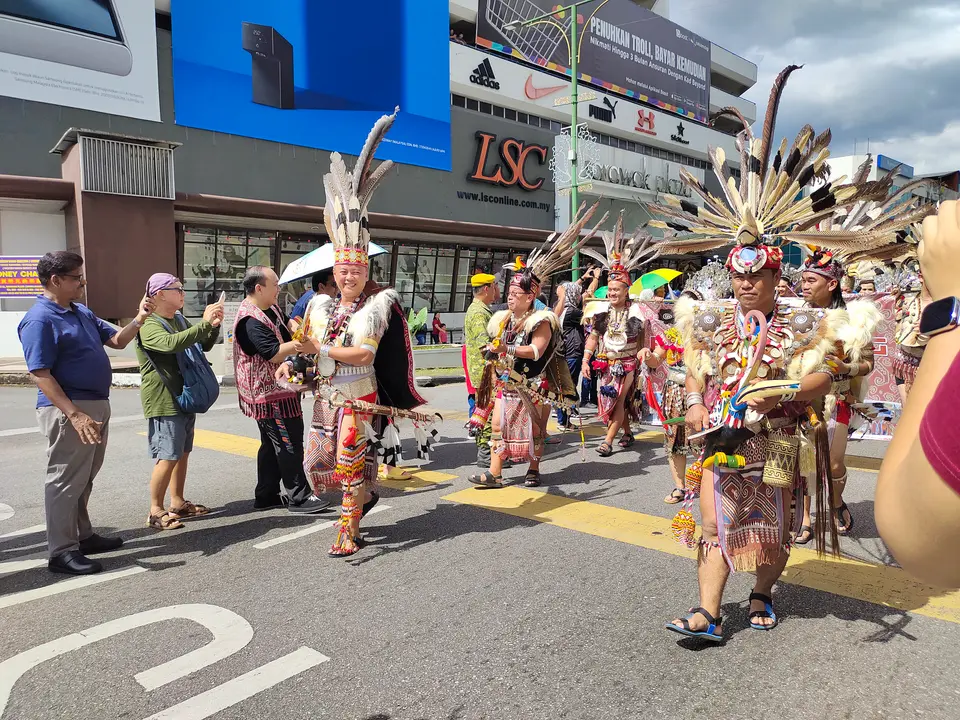
From 1 June the practice is ngabang — the open house. People walk from door to door and from longhouse to longhouse; nobody leaves without being fed, and the tuak is poured whether it is nine in the morning or nine at night. The ngajat, the dance, is performed in hornbill-feather headdresses and beaten silver, and in Kuching the celebration spills into a street parade. The whole month stays loose, and it does not formally end until Ngiling Bidai, the rolling up of the mats, at the end of June.
How a radio programme became a holiday
Gawai was not always in the calendar. Two radio producers, Tan Kingsley and Owen Liang, put the idea of an official Dayak day forward in 1962. Michael Buma held the first celebration of it — unofficial — at Betong on 1 June 1963. Tra Zehnder and Barbara Mendu Bay pressed the case in the State Council, and the chief minister, Stephen Kalong Ningkan, recognised it: the festival was gazetted on 25 September 1964 and first celebrated officially on 1 June 1965.
It remains a Sarawak holiday and nowhere else's. Sabah and Labuan keep their own harvest festival, Tadau Kaamatan, on 30 and 31 May — so the two ends of East Malaysia celebrate the same rice within a day of each other, under different names.
When it happens
The festival opens on the evening of 31 May with Muai Antu Rua and the midnight toast, and 1 and 2 June are public holidays in Sarawak — the only state that keeps them. Visiting goes on through June and closes with Ngiling Bidai, the rolling up of the mats.
- May 31 – June 2, 2027Calculated
- May 31 – June 2, 2028Calculated
- May 31 – June 2, 2029Calculated
- May 31 – June 2, 2030Calculated
Visiting with respect
Good to know
- From 1 June the longhouses are open — ngabang — and a visitor is given tuak. Refusing the first glass outright is awkward; touching it to your lips is not.
Food and drink
Ayam pansuh
Chicken diced and marinated with chilli, lemongrass, ginger, turmeric and galangal leaves, packed into a length of bamboo with water, stopped with tapioca leaves and turned over a wood fire for up to an hour. The bamboo has to be rotated constantly or it burns. Iban calls it manuk pansuh, from pansoh, food cooked in bamboo.
Tuak
Rice wine brewed from glutinous rice, poured for every visitor and raised at midnight for the ai pengayu, the toast to long life.
Pangkang
Glutinous rice cooked inside bamboo nodes, eaten alongside the sweet pastries of the season — sarang semut, cuwan and kuih kapit.
Sources
This entry was written from the following sources.
- Gawai DayakWikipedia · read September 26, 2026
- Public holidays in MalaysiaWikipedia · read September 26, 2026
- Ayam pansuhWikipedia · read September 26, 2026
Related festivals
Thaipusam at Batu Caves
தைப்பூசம் (Thaipusam)
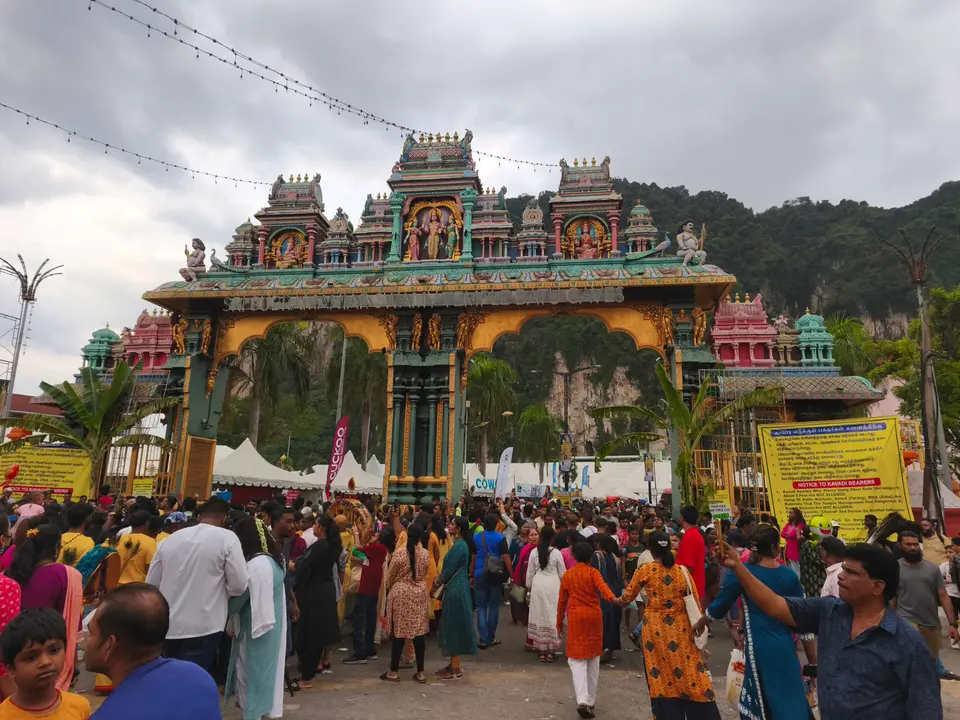
After 48 days of preparation, barefoot devotees of Murugan bathe in the river and bring their vows to his shrine at the Batu Caves — pots of milk, or kavadis up to two metres tall decked with peacock feathers — to drumming and chanting that carries some into trance.
January – February 2027Approximate window
Chuseok
추석
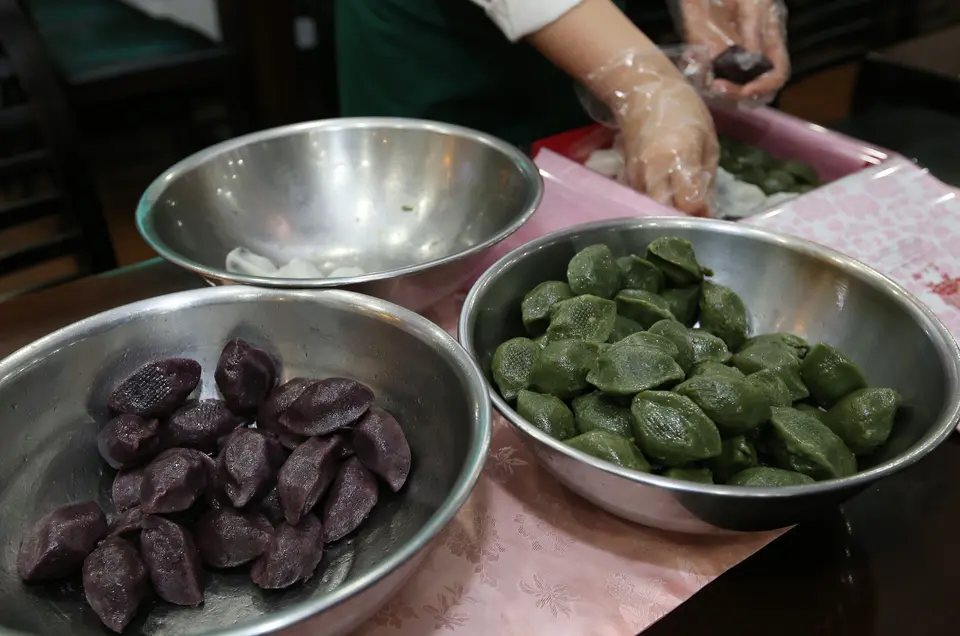
Korea’s harvest festival under the full moon of the eighth lunar month — three days when cities empty as families go home to honour their ancestors, tidy the family graves and make half-moon rice cakes steamed over pine needles.
September 24 – 26, 2026Calculated
Homowo
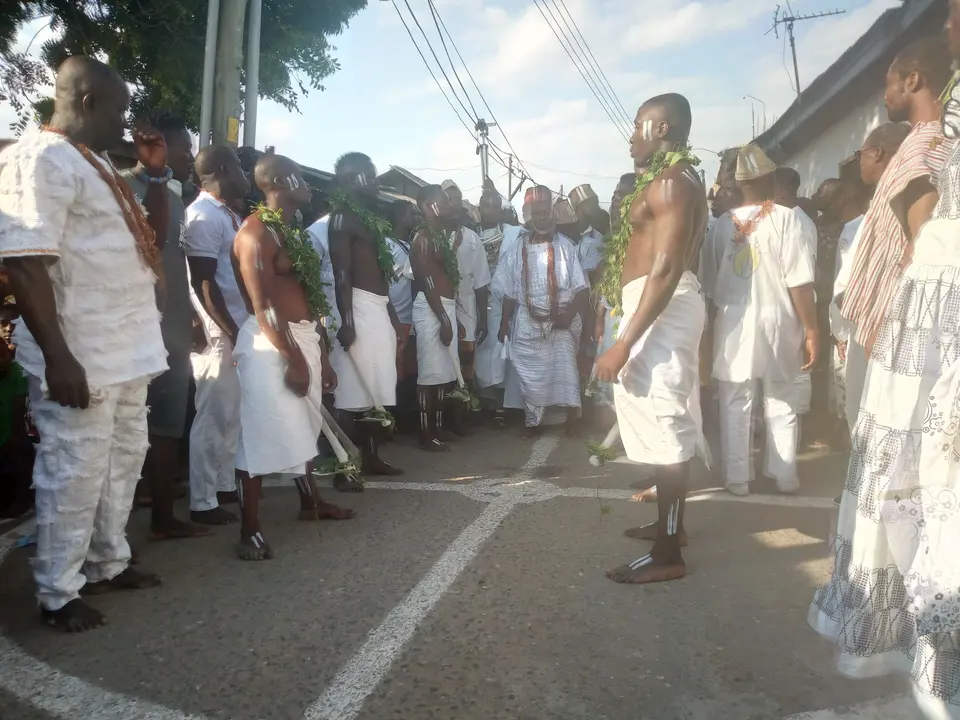
The Ga people of Accra remember a famine by laughing at it: after weeks in which drumming and noise are banned, chiefs sprinkle kpokpoi — steamed maize with palm oil — through the streets, and the drums return for “hooting at hunger”.
August – September 2026Approximate window
Comments
Have you been there? Tell other readers what to expect.
No comments yet.
Comments are read by the site’s owner before they appear.